
Introduction
Choosing the right plywood for bathroom floors, subfloors, vanity bases, and wall panels helps prevent moisture damage and warping.
You’ll learn how to select moisture-resistant plywood, assess condition, test for dampness, and follow practical steps for installation, maintenance, and common fixes.
Key takeaways
- Choose exterior-grade or cabinet-grade plywood for moisture resistance and dimensional stability.
- Ensure plywood moisture content matches subfloor conditions within a 4–8 percent range.
- Acclimate panels in the bathroom area before installation to reduce warping.
- Use full-coverage underlayment and seal edges to block moisture migration.
- Test subfloor moisture with a reliable meter before any plywood installation.
- Plan for serviceable ventilation, trim gaps, and proper fasteners to prevent rot.
Table of Contents
- Introduction
- Key takeaways
- Why moisture matters for bathroom plywood
- Types of plywood suitable for bathrooms and where to use them
- Acceptable moisture content and acclimation for installation
- How to test plywood and subfloor moisture on-site
- Common problems with plywood in bathrooms and how to fix them
- Moisture control strategies and installation details
- Tools, materials checklist, and testing equipment
- Cost, trade-offs, and decision guide
- Conclusion
- FAQ
Why moisture matters for bathroom plywood
Bathrooms are unusually damp environments due to showers, baths, sinks, laundry, and imperfect ventilation. This humidity profile is different from living spaces and keeps surfaces under constant moisture pressure. Inspecting how plywood responds helps prevent later failures.
Plywood can swell, change shape, or lose fastener grip with repeated exposure. Edge exposure and panel seams are especially vulnerable to moisture ingress. Common bathroom risks include rot, mold, compromised subfloor support, and potential tile or vanity failures if water gets through the joints. You should test moisture behavior and monitor during construction to catch issues early. Follow best practices for barriers, edge sealing, and proper installation sequences to minimize sustained exposure.
How wood and plywood absorb and release moisture
Wood is hygroscopic, meaning it absorbs and releases moisture from the air. In a bathroom’s humid environment, this can lead to problems.
Plywood layers absorb moisture through capillary action – like a wick. The more layers, the more absorption.
The adhesive used in plywood also plays a role. Some adhesives break down when wet, leading to delamination.
Species matter too. Some woods absorb more moisture than others.
Short- and long-term consequences of excess moisture
Too much moisture causes immediate issues. Plywood can buckle or cup, joints may separate.
Over time, problems worsen. Mold grows where moisture meets organic material. Adhesives fail, leading to delamination and reduced service life.
Structural integrity is at risk. Swollen plywood can compromise support for subfloors, vanities, or wall panels. Tiles may loosen due to failed adhesive.
Types of plywood suitable for bathrooms and where to use them
Common plywood types to consider include exterior-grade, marine, CDX/CE, MR/MRW, and treated options. Each has different moisture resistance, stability, and cost implications. Look up the label or manufacturer data to confirm suitability for bathroom use and exposure levels.
Map these types to areas like subfloor, underlayment, vanity panels, and wall panels. Edge treatment, sealing, and compatibility with tile backer systems affect performance in moisture zones. A quick decision aid can help you favor the right type for each location without overpaying.
Subfloor Plywood Options and Minimum Specs
For bathroom subfloors, you need plywood that’s sturdy, moisture-resistant, and can handle tile or vinyl. Here are your options:
Grade: A-C. Top layer should be smooth (A), with minimal defects (B), or with a few repairs (C). Never use ‘D’ grade.
Thickness: 1/2″ to 3/4″. Thinner plywood is cheaper but less stable. 3/4″ is ideal for tiles, while 1/2″ can work for vinyl or floating floors. Always check manufacturer’s recommendations for your chosen flooring.
Structural Properties: Exposure 1 (EX1) or Exterior (X). These grades resist moisture better and are suitable for bathrooms. Check product labels to ensure they meet or exceed local building codes.
Vanity and wall panel plywood choices
For bathroom vanities and wall panels, you want moisture-resistant interior grades. They’re designed to handle the damp conditions in bathrooms.
Check product labels. Look for “Exterior” or “Interior with Moisture Resistance” grades. These are your best bets for visible areas like vanity tops and wall panels.
Waterproof-faced panels can be a good choice too, especially if you’re using them in cabinet components. They’ve got an extra layer of protection on the surface that’s exposed to moisture.
Acceptable moisture content and acclimation for installation
Discuss target moisture content ranges and how humidity levels in bathrooms can shift readings. Check manufacturer guidance or code references to ensure compatibility with adhesives and finishes. Use this as a guide rather than a fixed number to avoid mismatches.
Outline acclimation steps before install, including allowing sheets to reach ambient conditions and providing ventilation during storage. Note how to document readings and interpret them against target expectations. If readings don’t align with guidance, recheck and consult the label or local rules before proceeding.
Measuring moisture content: oven-dry vs. moisture meters
Before installation, it’s crucial to measure the moisture content (MC) of your plywood. Two common methods are oven-dry testing and using moisture meters.
Oven-dry testing is accurate but time-consuming. You weigh a sample, dry it in an oven until it reaches a constant weight, then calculate its MC. This method takes hours per test and isn’t practical on-site.
Moisture meters, available as pin or pinless types, are quicker and easier to use. They measure the electrical resistance of wood, which changes with moisture content. Pin-type meters require driving pins into the wood, while pinless meters use surface contact. Both give instant readings but may vary slightly from oven-dry results.
Acclimation best practices
Before installing plywood in your bathroom, allow it to acclimate to the room’s conditions. This helps prevent issues due to moisture differences between the wood and the environment.
Stack sheets flat on a level surface, with spacers between layers for airflow. Keep them off concrete or direct contact with the ground to prevent moisture absorption. Maintain a consistent temperature (ideally 70-80°F/21/7°C) and relative humidity (40-60%) during acclimation.
Allow plywood to acclimate for at least 48 hours, but up to 72 hours is recommended. Monitor the environment and adjust as needed to maintain these conditions. Once acclimated, re-check MC before installation to ensure it matches your target range.
How to test plywood and subfloor moisture on-site
Develop a practical on-site testing plan that links readings to installation decisions. Test locations near plumbing, vanity footprints, and edges, then decide on vapor barriers or substrate prep accordingly. Document results for future reference during the project.
Compare pin and pinless meters and decide when to measure surface versus in-core. Calibrate meters and avoid common errors like cold readings or contaminated probes. Use the outcomes to drive drying, ventilation, or panel replacement as needed.
Step-by-Step Process
This step-by-step guide walks you through testing plywood and subfloor moisture on-site, ensuring accurate readings and practical outcomes.
- Preparation: Ensure the area is safe. Remove any debris or obstacles. Gather your meter, calibration solution (if needed), and a notebook for documentation.
- Safety Check: Turn off power to nearby electrical outlets. Wear safety glasses when using pin-type meters.
- Main Work:
- Test subfloor near plumbing fixtures first. Then test vanity footprint, edges vs. center, and near exterior walls (3-5 readings per zone).
- Use both pinless and pin-type meters for surface and in-core checks.
- Document each reading with location, date, time, meter type, and reading value.
- Verify Results: Compare readings to acceptable moisture ranges. High readings may require remediation (drying, ventilation).
- Cleanup & Final Checks: Store meters properly. If issues persist, consider involving a professional for complex moisture problems.
Using pinless moisture meters correctly
Pinless meters provide quick, non-destructive readings. Here’s how to use them effectively:
Scan the surface in a slow, steady motion. Hold the meter flat against the plywood. Multiple readings help account for variations.
Limitations: Pinless meters measure moisture within the top 1/4 inch. Overlays like paint or varnish can affect results.
Take multiple readings in each zone to account for surface inconsistencies and ensure accurate averages.
Using pin-type meters and oven-dry spot checks
Pin-type meters provide in-core readings. Here’s how to use them:
Press the pins firmly into the plywood at a 90-degree angle. Hold for the recommended time (usually 24 hours). Remove pins, clean, and calibrate before reuse.
Oven-dry spot checks verify moisture content precisely but destructively. Cut small cores (1-1/2″ dia.) from suspect areas. Dry in an oven at 104°F (40°C) until stable weight is reached. Calculate moisture content using the formula: (oven-dried weight – green weight) / oven-dried weight * 100.
When to use: Use pin-type meters for in-core checks and oven-dry testing when pinless readings are inconclusive or suspect.
Common problems with plywood in bathrooms and how to fix them
Identify typical failures such as delamination, swelling, mold growth, adhesive failure, and fastener corrosion. Link each issue to sources of moisture like leaks or insufficient sealing. Use this as a diagnostic guide during inspections.
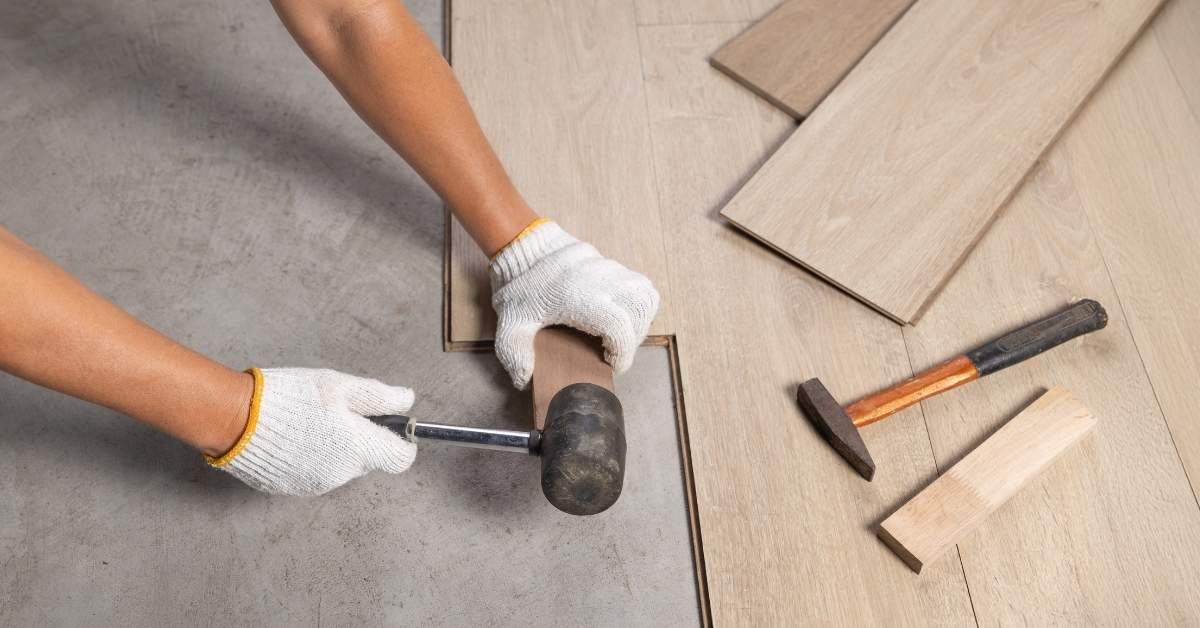
Follow practical remediation steps for each failure mode, including drying, patching, or replacing sections and resealing joints. Consider material options and compatibility with subfloors and membranes. Establish a maintenance routine to catch trouble early and prevent recurrence.
Repairing localized swelling or delamination
First, identify the affected area. Swelling or delamination is often localized, so you might see warping, buckling, or visible gaps.
Drying: If moisture is the cause, dry out the area. Use fans and dehumidifiers to speed up the process. Keep the plywood exposed until it’s completely dry.
Adhesive injection/replacement: For delamination, inject construction adhesive into the gap using a caulking gun with a nozzle attachment. If the delamination is extensive, you might need to replace the panel entirely.
After drying and repairing, sand down any rough edges or high spots. Inspect regularly to ensure no further swelling or delamination occurs.
Addressing mold and rot safely
Mold and rot often go hand in hand with moisture issues. First, contain the area to prevent spores from spreading. Turn off HVAC systems and seal off the affected room.
Cleaning: Use a solution of water and detergent or a commercial mold cleaner to scrub the affected areas. Wear protective gear including gloves, goggles, and a mask. Always follow manufacturer’s instructions when using biocides.
Cut out any compromised sections with a utility knife or saw, making sure to discard them in a sealed plastic bag. Replace with suitable moisture-rated plywood, ensuring proper ventilation and sealing to prevent future mold growth.
Moisture control strategies and installation details
Set expectations for moisture thresholds and plywood suitability in high-humidity baths. Include acclimation and testing steps before starting work. Use manufacturer or local guidance to tailor the plan to your space.
Cover vapor control, underlayment choices, flashing, transitions, and ventilation. Align these details with your chosen waterproofing approach and tile system. Ensure detailing around showers, niches, and openings is continuous to minimize moisture paths.
Underlayment and membrane options for tile and vinyl
When choosing an underlayment for your bathroom floor, consider the finish you’re using – tile or vinyl. Here are some options:
Cement Backer Board: Ideal for tile installations. It’s water-resistant, rigid, and provides a stable base. Use 1/2″ or 1/4″ thickness.
WBP Plywood Underlayment: Suitable for both tile and vinyl. Use exterior-grade, waterproof (WBP) plywood with a minimum thickness of 5/8″.
Uncoupling Membranes: Great for tile installations over plywood subfloors. They allow movement and prevent cracks in the tile.
Joist, flashing, and trim details to keep plywood dry
Proper flashing and trim details are crucial to prevent water intrusion into your bathroom’s plywood subfloor. Here’s how:
Flashing at Joists: Install flashing along the top of joists where they meet the subfloor. This directs any water away from the plywood.
Flashing at Drains and Penetrations: Use flexible flashing membranes around drains, pipes, and other penetrations to seal them against water intrusion.
Installation Clearances and Fastener Choices: Leave a small gap between the subfloor and walls for expansion. Use ring-shank nails or screws to fasten the plywood securely without leaving gaps that could let in water.
Tools, materials checklist, and testing equipment
List core tools for bathroom plywood installs, including moisture meters, levels, trowels, and laser alignment devices. Choose tools that fit typical subfloor and wall panel tasks without overcomplicating the job. Refer to product labels for any special requirements.
Provide a practical materials list tailored to plywood-based bathrooms, including moisture-friendly plywood grades, underlayment or backer boards, waterproof membranes, and compatible fasteners. Include PPE and safe handling steps to keep the project running smoothly.
Recommended moisture meters and calibration tips
Before you start any concrete work, use this checklist to ensure your moisture meter is in good working order. This will help you avoid costly mistakes like applying sealers or installing flooring on surfaces that are still too damp.
- Check meter type: Ensure you have a reliable pin-type or pinless moisture meter. Pin-type meters measure moisture at a specific point, while pinless meters provide an average reading over a larger area.
- Verify calibration date: Check the meter’s label or manual to ensure it has been calibrated within the past 12 months. If not, recalibrate or replace it.
- Inspect probes: For pin-type meters, check that the probes are clean and undamaged. Replace any probes with visible cracks or corrosion.
- Test meter functionality: Insert the probes into a known wet surface (like a damp sponge) and a known dry surface (like a piece of wood). The readings should differ significantly, indicating that the meter is working correctly.
- Check for proper grounding: For pin-type meters, ensure both probes are making good contact with the surface. If not, your readings may be inaccurate.
- Verify reading accuracy: Compare your moisture meter’s readings to a known standard or another reliable meter. If they differ significantly, adjust or recalibrate your meter.
- Avoid common pitfalls: Be aware that some meters may not accurately measure moisture in very thin slabs or surfaces with heavy topical treatments like sealers or stains.
- Store properly: When not in use, store your moisture meter in a dry place to prevent damage from excessive moisture or humidity.
Quick rule: Always test multiple areas with your moisture meter before proceeding with any concrete work. Moisture levels can vary significantly across even small surfaces.
Materials and adhesive selection guide
Use this checklist before starting your bathroom plywood assembly to ensure you have the right materials and adhesives for a durable, waterproof result.
- Adhesive: Choose a waterproof, plywood-specific adhesive. Check product label for compatibility with your plywood type (e.g., exterior-grade for outdoor use).
- Sealant: Select a flexible, waterproof sealant suitable for bathroom conditions. Ensure it’s compatible with your chosen adhesive.
- Screws/Fasteners: Use corrosion-resistant screws (e.g., galvanized or stainless steel) to prevent rust in moist environments. Check they’re the right length for your plywood thickness.
- Waterproofing Membrane: Choose a waterproof membrane suitable for plywood and bathroom conditions. Check it’s compatible with your chosen adhesive and sealant.
- Plywood: Ensure plywood is exterior-grade (for outdoor use) or interior-grade (for indoor use). Check moisture content is within safe limits (<12% for most applications).
- Backer Board: For wet areas like showers, consider using a cement backer board instead of plywood. Check it’s compatible with your chosen waterproofing system.
- Expansion Joints: Plan for expansion joints in large panels to prevent warping or cracking. Check manufacturer recommendations for your specific product.
- Ventilation: Ensure you have adequate ventilation to prevent moisture buildup, which can lead to mold and mildew growth. Check local building codes for minimum ventilation requirements.
Quick rule: Always follow manufacturer instructions for specific product use and compatibility. Regularly check your work as you go to catch any issues early and prevent expensive rework.
Cost, trade-offs, and decision guide
Compare upfront and lifecycle considerations for different plywood types and waterproofing strategies. Use guidance from labels or manuals to understand durability and maintenance needs. Rely on local rules for any code-based requirements.
Weigh DIY versus professional work, noting potential impact on warranties and long-term performance. Include a simple decision flow to help readers evaluate budget, humidity, and project scope. Consider scenarios with varying moisture risk to choose a balanced approach.
When to invest in higher-grade plywood or full waterproof systems
Spending more on premium plywood or full waterproofing might seem unnecessary, but it can save you big time down the road. Here’s when it pays off:
High traffic areas, like master baths or homes with multiple family members, see a lot of foot traffic and wear. Marine-grade plywood or waterproof OSB can handle this better than cheaper options.
Wet zones, like showers or steam rooms, need extra protection. A full waterproofing system, including membranes and coatings, is worth the investment to prevent rot and mold.
Delicate finishes, like tile or vinyl plank flooring, require a stable subfloor. Higher-grade plywood ensures your finish looks good for years to come.
Common DIY mistakes and how to avoid them
Don’t let these common pitfalls derail your bathroom project. Learn from others’ mistakes:
- Skipping acclimation: Plywood needs time to adjust to your home’s humidity. Avoid warping by letting it sit for at least 48 hours before installation.
- Forgetting membranes: Without a vapor barrier, moisture can wreak havoc on your subfloor. Use a membrane to protect against water damage.
- Wrong fasteners: Using the wrong screws or nails can lead to squeaky floors and delamination. Choose the right fasteners for your plywood and joist spacing.
- Ignoring expansion gaps: Plywood expands and contracts with humidity changes. Leave gaps at walls to prevent buckling.
- Rushing installation: Taking shortcuts can lead to sloppy workmanship. Take your time for a professional-looking finish.
By avoiding these mistakes, you’ll ensure your bathroom project stands the test of time.

Conclusion
Moisture control is the backbone of a bathroom floor that stays straight, looks good, and doesn’t crumble. Build with the right plywood, test and acclimate, and you protect your investment from leaks, mold, and costly callbacks.
First, check the subfloor and plywood moisture, acclimate as needed, choose the proper plywood type for each area, test on-site with a meter, fix any delamination or moisture issues, install with appropriate fasteners and seam treatments, seal edges and seams, and leave expansion gaps where required, then complete the installation with proper moisture barriers and ventilation—all in a careful, stepwise sequence. Start small to confirm readings, then proceed in logical order, documenting readings and dates to confirm stability before finishing.
Common mistakes to avoid are skipping acclimation or relying on a wrong moisture range, using the wrong plywood grade for a wet area, and ignoring on-site moisture tests or existing leaks. Always wear eye and respiratory protection when cutting or sanding, shut off water during testing, ventilate the space, and verify readings with a second meter if results are questionable. If the space has ongoing leaks, or you’re unsure about readings or fastening methods, don’t force it—consult a professional before proceeding. Stay steady, follow the checks, and your bathroom floor will perform as intended for years to come.
FAQ
What plywood type works best for bathroom subfloors?
Go with exterior or marine grade plywood. It resists moisture better than interior plywood and holds up under foot traffic and humidity. Use at least 3/4 inch thick for subfloors, and stagger joints.
How do I test plywood for moisture before install?
->Check the moisture content with a pinless meter or follow your local code. Aim for a reading under 12 percent in most climates. If it’s higher, let it acclimate or dry it before laying flooring.
What fixes should I consider if plywood shows swelling or rot?
Remove the damaged sheets and replace them with the correct grade. Treat any framing that’s damp, then dry it thoroughly. Seal edges and use proper moisture barriers so the issue doesn’t come back.
Any tips for bathroom wall panels or vanity backers?
Use exterior-grade panels or marine plywood for high moisture areas. Seal all edges, joints, and fasteners to prevent water intrusion. Plan for proper ventilation to keep the wood dry over time.