Matt L.

Concrete worker.

Smooth light gray concrete wall surface with faint texture

Finishing Fiber-Reinforced Concrete: How to Avoid “Hairy” Fibers at the Surface

Introduction Hairy fibers at the surface happen when fibers protrude from the concrete finish. This surface issue is usually caused by how the mix is placed and how fibers are distributed during finishing. Work with the goal of keeping fibers below the surface as you strike off and trowel. Synthetic fibers can help with crack […]

Finishing Fiber-Reinforced Concrete: How to Avoid “Hairy” Fibers at the Surface Read More »

Close-up of cracked and deteriorated concrete wall surface

Microfiber vs Macro Fiber in Concrete: Which to Use (and When)

Introduction Microfibers are ultra-fine fibers added to concrete to improve toughness and crack control. Macro fibers are coarser, longer fibers that help bridge larger cracks and add toughness. For DIY projects, the choice depends on the expected loads and how much cracking you want to limit. In practice, microfibers are mixed at small doses to

Microfiber vs Macro Fiber in Concrete: Which to Use (and When) Read More »

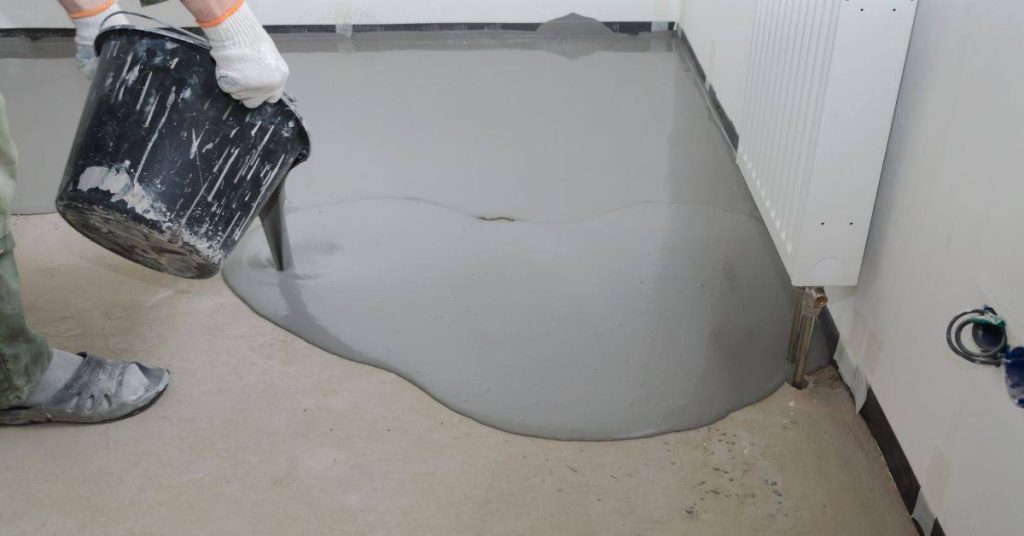
Gray liquid concrete being poured from bucket onto surface

Concrete Isolation Joints: Where to Place Them Around Walls and Columns

Introduction An isolation joint is a gap that lets the concrete slab move independently from walls and columns to prevent cracking. In this article we cover where to put them around walls and columns in a DIY-friendly way, not a textbook. Check local rules and manufacturer instructions for placement guidance. Geotechnical soil conditions and reports

Concrete Isolation Joints: Where to Place Them Around Walls and Columns Read More »

Two black rectangular planters with green plants outside white house

Ferrocement Planters and Thin Structures: Mesh Layout, Mortar Mix, and Curing

Introduction Ferrocement is a thin, reinforced cement mortar system that uses mesh and a cementitious mix to build lightweight, curved shells like planters. It relies on multiple coats and a strong mesh lattice to hold shape and resist cracking. It’s a hands-on technique that you can adapt for small DIY projects, with attention to formwork

Ferrocement Planters and Thin Structures: Mesh Layout, Mortar Mix, and Curing Read More »

Black and white marble tile surfaces

Tadelakt vs Tile: Where Tadelakt Works, Where It Fails, and What to Use Instead

Introduction Tadelakt is a traditional lime plaster finish used on walls and wet areas. This article offers a plain‑spoken look at where it works well, where it doesn’t, and what you should consider as a DIYer. We cover the basic idea of applying it, the materials you’ll need, and when tiling might be a safer

Tadelakt vs Tile: Where Tadelakt Works, Where It Fails, and What to Use Instead Read More »

Gray concrete slabs with visible cracks

Microtopping Over Old Concrete: Prevent Ghost Cracks, Delamination, and Edge Failures

Introduction Microtopping over old concrete is a thin, decorative concrete top layer that can refresh a worn floor. This article explains how to prepare, mix, and apply it to minimize ghost cracks, delamination, and edge failures. You’ll get a practical, hands-on approach that stays away from textbook theory. Before you start, inspect the surface for

Microtopping Over Old Concrete: Prevent Ghost Cracks, Delamination, and Edge Failures Read More »

Paint roller applying sealer on outdoor concrete pavers

Microcement in Showers: Waterproofing Details, Failure Modes, and Safe Sealing

Introduction Microcement in showers is a cement-based coating that creates a continuous, waterproof surface over failure-prone areas. This article explains how to plan the work, coat the walls and floor, and spot potential trouble before sealing. Common waterproofing approaches in showers include membrane types you can install under microcement, but check compatibility with your product

Microcement in Showers: Waterproofing Details, Failure Modes, and Safe Sealing Read More »