Matt L.

Concrete worker.

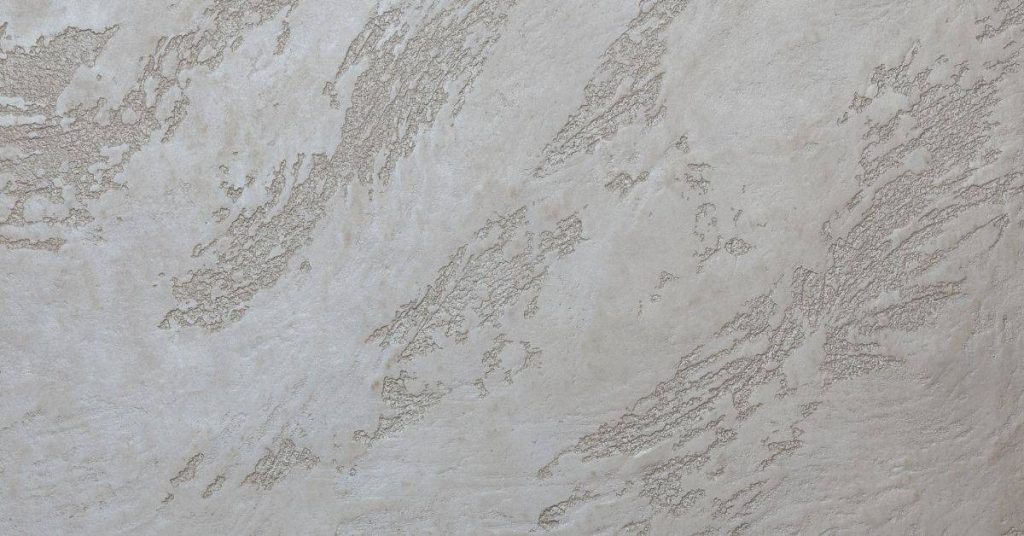
Close-up of textured beige wall finish with irregular patterns

Feather Finish vs. Self-Leveler for Minor Concrete-Floor Dips

Introduction For an isolated, shallow dip, gouge, or edge transition in a concrete floor, choose a feather-finish patching compound. Choose self-leveling underlayment when low areas are broad, numerous, or outside the patch product’s stated thickness range. A patch lets you correct one defect without raising the surrounding floor; a self-leveler treats a larger field and

Feather Finish vs. Self-Leveler for Minor Concrete-Floor Dips Read More »

Light beige porcelain floor tiles with dark grout lines

Decoupling Membranes for Tile: When They Matter and When They’re Overkill

Introduction Decoupling membranes are underlayment products that isolate tile from the substrate to reduce cracks. They act as a physical buffer that absorbs movement in the substrate. Use them if the substrate is uneven, shows cracks, or you want moisture control. There are sheet and liquid types, each with its own installation steps. Check the

Decoupling Membranes for Tile: When They Matter and When They’re Overkill Read More »

Freshly poured self-leveling concrete floor with a spiked roller

How to Level Concrete or Wood Subfloors for Tile With Self-Leveling Underlayment

Introduction Self-leveling underlayment can correct low areas and create a flatter tile substrate, but it cannot make a weak floor structurally sound or stop an active moisture problem. This guide covers concrete slabs and wood-based subfloors; the preparation and product approval requirements are different for each. Start by identifying the substrate, correcting movement or damage,

How to Level Concrete or Wood Subfloors for Tile With Self-Leveling Underlayment Read More »

Hand applying plaster to wall with trowel

How to Tell Whether a Plaster Wall Crack Is Cosmetic or Movement-Related

Introduction A fine crack confined to a dry plaster finish is often cosmetic. A crack that is widening, extending, displaced, or accompanied by bulging plaster, sticking doors or windows, or matching damage elsewhere needs investigation. This article is a homeowner triage guide, not a structural diagnosis. Crack width alone cannot tell you whether a wall

How to Tell Whether a Plaster Wall Crack Is Cosmetic or Movement-Related Read More »

Stucco exterior wall with multiple windows and red trim

Stucco Cracks Around Windows: Common Causes and Better Detailing

Introduction Stucco cracks around windows are gaps in the stucco that show movement or moisture at the opening. They’re often caused by framing shifts, flashing issues, or moisture-related stress near the window edge. There are different crack types to look for, like hairline, spider, or cross-pattern cracks. Moisture behind the stucco worsens damage, and using

Stucco Cracks Around Windows: Common Causes and Better Detailing Read More »

Metal float tool resting on gray parge coat surface

Parge Coat on Foundation Walls: Mix, Surface Prep, and Crack Control

Introduction A parge coat is a thin cement-like coating applied to foundation walls to seal, smooth, and protect them. This article walks you through the basics of mixing, prepping the surface, and controlling cracks so you can do it safely and effectively. You’ll tackle foundation wall prep, choosing a parging mix, and applying a thin,

Parge Coat on Foundation Walls: Mix, Surface Prep, and Crack Control Read More »

Closeup of textured beige stucco wall surface

How to Seal Brick Safely: Breathable Sealers vs Film Coatings (What to Choose)

Introduction Seal brick safely means choosing between breathable sealers and film coatings to protect the brick while allowing moisture to escape. Breathable sealers let moisture pass through slowly, while film coatings form a surface layer. This article compares how they work and when each is a better fit for DIY projects. For each type, follow

How to Seal Brick Safely: Breathable Sealers vs Film Coatings (What to Choose) Read More »