Asphalt Shingle Roofing Problems Explained: Causes, Testing, and Fixes

Asphalt Shingle Roofing Problems Explained: Causes, Testing, and Fixes

Introduction

This article explains the common causes of asphalt shingle roofing problems and how to test for and fix them.

You’ll learn practical steps, quick diagnostic tips, and general guidance to assess damage, prioritize repairs, and make safer, more informed decisions about your roof.

Key takeaways

  • Identify curling, buckling, or missing granules indicating moisture damage and wear.
  • Check flashing seams and roof penetrations for leaks and rusted nails.
  • Use a ladder safely, avoid walking on ridge caps without support.
  • Test roof patches with water near suspected gaps; observe interior signs.
  • Consider cost ranges: materials, labor, permits, and potential disposal.
  • Schedule seasonal inspections and address issues before severe weather.
Table of Contents

Overview: Common Asphalt Shingle Problems and What to Expect

This section sets expectations by naming the eight most common asphalt shingle problems and giving you a quick diagnostic cue for each one. It also explains what homeowners, inspectors, and DIYers should be watching for across different seasons and weather patterns. You’ll see how these issues typically present and what a practical path to testing, repairing, or replacing looks like.

From granule loss to shingle blow-off, curling, and algae or moss growth, each problem has plain-English root causes like installation quirks, aging, ventilation gaps, or substrate problems. We’ll tie those causes to simple checks you can perform—from exterior visual sweeps to basic water testing and edge flashing reviews. The goal is to help you decide when a DIY fix is realistic and when to call a licensed pro, plus outline safe, time-bound steps to extend shingle life through preventive maintenance.

Quick visual checklist for homeowners

Before you grab your ladder, use this quick checklist to assess your roof’s condition from the ground and inside your attic.

  • Granule loss: Check for dark spots or bald patches on shingles. Missing granules can lead to leaks.
  • Curling: Look for edges turning upward or cupping in the middle. Curling indicates aging and potential water intrusion.
  • Cracking: Inspect for cracks, especially around roof edges and chimneys. Cracks allow water to seep in.
  • Blistering: Check for bubbling or blisters on shingle surfaces. This could be due to trapped moisture or poor installation.
  • Algae/moss: Inspect for green or black growth, which can hold moisture and cause damage over time.
  • Leaks: Look for water stains on ceilings or walls. Leaks require immediate attention to prevent structural damage.
  • Nail pops: Check nails around roof edges and ridges. Pops indicate movement, which can lead to leaks.
  • Shingle blow-off: Inspect for loose or missing shingles after storms. Blow-offs expose your roof’s underlayment to water damage.

Quick rule: If you spot any of these issues, address them promptly to prevent further damage.

When to call a licensed roofer vs safe DIY

Knowing when to tackle roof issues yourself or hire a professional is crucial for safety and results. Here are clear guidelines:

Call a pro if: You see active leaks, structural damage, or steep roofs that require specialized equipment. Complex flashing repairs and extensive damage also warrant professional help.

DIY tasks suitable for competent homeowners include spot repairs (like replacing a few shingles), cleaning gutters, and minor maintenance. Always prioritize safety – if you’re unsure about any task, it’s better to call a licensed roofer.

Quick rule: If in doubt, err on the side of caution and consult with a professional before proceeding.

Back to top ↑

Close-up of gray asphalt shingle roof under blue sky
Shows typical asphalt shingle roofing relevant to common problem overview

Root Causes: Why Asphalt Shingles Fail

This section breaks down failure drivers into clear categories that link cause to symptom and testing method. You’ll see how installation errors, material defects, weather, roof design, and age interact with common shingle issues like cracking or granule loss. The idea is to map symptoms to practical next steps without guessing at numbers.

We start with installation mistakes—improper nailing, wrong underlayment, and flashing issues—and connect them to telltale signs you can spot on the roof or in the attic. Then we cover material defects, weather effects, ventilation shortfalls, and structural design limits, with quick tests like moisture checks and visual inspections to guide you toward fixes or a professional evaluation.

Installation and workmanship issues

Proper installation is crucial for your asphalt shingle roof’s longevity. Common mistakes can lead to early failures.

Insufficient nailing: Nails too short or not driven in enough can cause tabs to lift and blow off in high winds. Check nail heads are flush with the shingle surface.

Improper alignment: Shingles not properly aligned can allow water to seep behind, leading to leaks. Look for staggered rows and proper overhang.

Undersized or misapplied underlayment: Inadequate underlayment leaves your roof deck vulnerable to moisture. Check underlayment extends up the roof slope and covers nail holes.

Environmental and climate factors

Weather conditions can significantly impact your shingle roof’s lifespan.

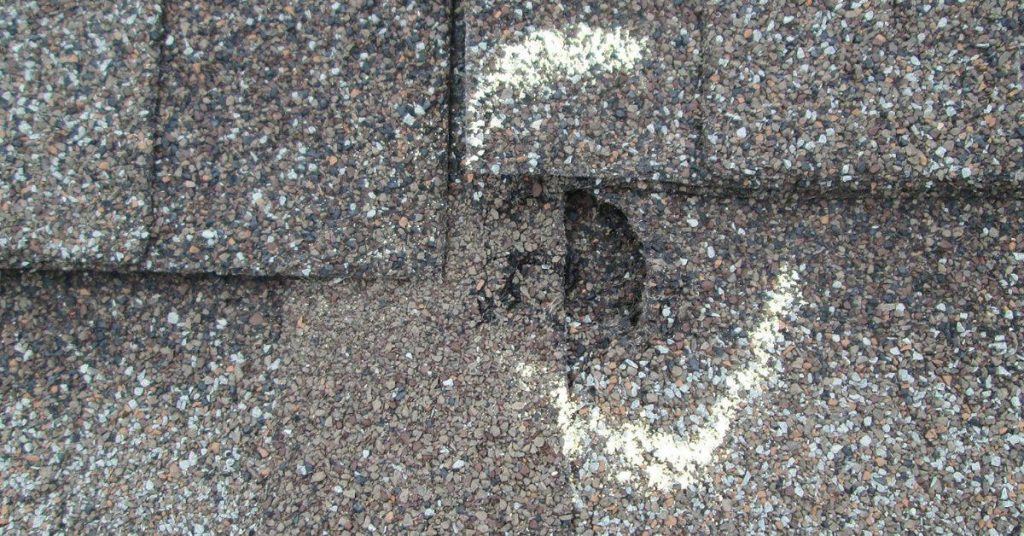
Hail: Large hailstones can dent or crack shingles, reducing their ability to protect your home. Inspect for damage after heavy hail storms.

Wind uplift: High winds can lift and tear off shingles, especially at the edges. Check for loose tabs around roof perimeters.

UV exposure: Prolonged sun exposure can dry out and crack shingles. Consider using UV-resistant shingles in sunny areas.

Material quality and product mismatch

The quality of materials used significantly impacts your roof’s performance.

  • Low-grade shingles: Cheap shingles may have thin tabs that curl or crack easily. Check shingle thickness and warranty before buying.
  • Expired stock: Old shingles can dry out and become brittle, leading to early failures. Ensure you’re using fresh materials.
  • Incompatible roof accessories: Using incompatible flashing or other accessories can cause leaks or improper sealing. Match materials and types carefully.

Back to top ↑

Testing and Inspection Methods (Step-by-step)

We lay out a practical sequence for exterior and attic checks, plus safe water testing and fastener evaluations. The goal is a repeatable routine you can follow without special equipment, while noting when to bring in a pro for infrared or moisture meter readings. You’ll also learn how to document findings with photos and notes for contractors.

Safety comes first, so we spell out PPE, ladder setup, and roof navigation tips, and we clearly mark which tools require professional handling. Diagnostic thresholds and follow-up steps help you decide if repairs are minor, if reinspection is needed after weather, or if a full professional assessment is warranted.

Step-by-Step Process

Before you start, make sure it’s a safe day for roof work. No rain, snow, or ice.

  • Safety first: Wear non-slip shoes, use a sturdy ladder, and keep your body low to the roof.
  • Gather tools: You’ll need a flashlight, moisture meter (optional but helpful), camera, and a blower test if you have one.
  • Start at the edge: Inspect eaves, rakes, and gables first. Then work your way up to the peak.
  • Check shingles: Look for missing, cracked, or curling tabs. Feel for soft spots.
  • Inspect flashing: Check around vents, chimneys, and skylights. Ensure it’s tight and in good shape.
  • Examine valleys: Make sure they’re well-sealed to prevent water from backing up.
  • Check gutters: Ensure they’re securely attached and free of debris.
  • Inspect underside in the attic: Look for water stains, mold, or rot. Use your moisture meter if you have one.
  • Perform simple tests: Do a low-system water test at valleys and skylights. Check nails and fasteners. Blow-test suspect areas.

Quick rule: If it’s too windy, slippery, or you’re unsure, call a pro.

Exterior Roof Inspection Protocol

Before you start, make sure the roof and weather conditions are safe for inspection.

  • Ground-based inspection: Look for missing or damaged shingles from the ground. Check gutters too.
  • Ladder safety: Set your ladder at a 75-degree angle, secure it, and climb carefully.
  • Inspect granules: Check for excessive loss by looking in valleys or around downspouts. Too many could mean shingles are failing.
  • Check seals: Look for open nail heads or cracks in the sealant around vents and chimneys.
  • Inspect flashing: Ensure it’s tight and in good shape around vents, chimneys, and skylights. No gaps or rust.
  • Examine vents: Make sure they’re securely attached and free of debris. Check for proper ventilation.
  • Photograph findings: Document any issues with clear, close-up photos.

Quick rule: If you find something you can’t identify or fix, call a pro.

Interior/Attic Inspection and Moisture Testing

Before you start, make sure the attic is safe to enter. No signs of structural damage or mold.

  • Locate access: Find your attic hatch and use a sturdy ladder to climb up.
  • Use a flashlight: Inspect the underside of the roof for water stains, mold, or rot. Check insulation too.
  • Check for leaks: Look around plumbing vents, chimneys, and skylights. Water can travel far from the source.
  • Use a moisture meter (optional): It can help pinpoint hidden moisture issues. Test in suspected areas.
  • Inspect insulation: Ensure it’s properly installed and free of gaps or damage. Check for signs of water intrusion.
  • Check roof decking: Feel for soft spots or warping. These could indicate water damage.

Quick rule: If you find extensive moisture, mold, or structural damage, call a pro immediately.

Simple Diagnostic Tests (Water Test, Wind Test, Nail Check)

Before you start, make sure the roof and weather conditions are safe for testing.

  • Low-system water test: Use a garden hose to simulate rain. Start at the top and work your way down. Look for leaks.
  • Wind test (blower test): Use a blower test to check for loose shingles. Start at the edge and work towards the peak.
  • Check nails: Inspect each nail head. Ensure they’re secure, not rusted or raised.
  • Inspect fasteners: Check that all fasteners are properly seated and sealed to prevent water intrusion.

Quick rule: If tests reveal extensive damage or you’re unsure about results, call a pro for further evaluation.

Back to top ↑

Repair Options: Temporary Patches to Full Replacements

This section links problem severity to repair strategy, starting with the least invasive options and progressing toward full replacement when needed. You’ll see how symptoms like granule loss or curling influence the chosen path and what to expect in terms of durability and maintenance. It keeps you grounded in practical, jobsite-ready steps rather than theory.

For each option, we cover core techniques, required materials, and safety considerations that differentiate DIY from pro work. We assess pros, cons, and risk factors, including weather dependence and attic ventilation, and we discuss how repairs affect warranties, insurance, and resale value without quoting fixed prices.

Common spot repairs and how to do them safely

Got a few lifted shingles or leaks? Here’s how to tackle common asphalt shingle problems safely.

Lifted Shingles: Carefully lift the shingle, apply roofing cement under it, press down firmly, and secure with a nail. Use galvanized nails for longevity.

Replacing Individual Shingles: Remove damaged shingles, clean the area, apply felt paper if necessary, then install new shingles following the existing pattern. Ensure nails are properly seated.

Sealing Flashing: Inspect metal flashing around chimneys and vents. Apply roofing cement or caulk to seal any gaps or cracks. Re-seating nails in loose flashings can also help.

When a partial re-roof or full replacement is needed

Know when to go big with your repairs. Widespread curling, multiple leaks, and rotten decking are signs of serious trouble.

Widespread Curling: If more than 30% of your shingles are curling, it’s time for a partial re-roof or full replacement. This indicates the end of your roof’s lifespan is near.

Multiple Leaks: More than two leaks in different areas suggest widespread damage. Check your attic and interior walls for signs of water intrusion.

Rotten Decking: If you find soft spots or rot while inspecting your roof, it’s a clear sign that a full replacement is needed. Rotten decking can’t be repaired; it must be replaced.

Material choices and upgrades during repair

Upgrading materials can extend your roof’s lifespan. Here are some considerations:

  • Shingle Type: Consider architectural or premium shingles for better durability and appearance. Look for high wind resistance ratings (e.g., Class A, D, F).
  • Underlayment Upgrades: Opt for synthetic underlayments over felt paper. They’re more durable, waterproof, and can help prevent mold growth.
  • Ridge and Valley Materials: Use high-quality ridge cap shingles to protect your roof’s peaks from wind and rain. For valleys, consider ice and water shield for added protection.
  • Ventilation Upgrades: Improve attic ventilation with additional soffit vents or a powered attic ventilator to prevent heat buildup and moisture damage.
  • Flashing Upgrades: Use high-quality, metal flashing around chimneys and vents. Consider adding step flashing for better protection against leaks.

Back to top ↑

Close-up of asphalt shingle roofing on house gables
Shows a well-maintained asphalt shingle roof as an example of full replacement

Preventive Maintenance and Longevity Strategies

Seasonal maintenance is the backbone of longer shingle life, so this section lays out a practical calendar and routine tasks you can perform without specialized training. You’ll tackle gutters, debris removal, and flashing checks in a way that minimizes moisture and heat stress on the roof. A simple maintenance cadence helps prevent emergencies before they start.

Beyond basic tasks, you’ll learn to manage attic ventilation, inspect for moss or vegetation, and monitor edge conditions that lead to leaks. The guidance emphasizes consistent, low-effort actions and when to escalate to professional help for more complex issues or structural concerns.

Annual and Seasonal Maintenance Checklist

Use this checklist to keep your asphalt shingle roof in top shape year-round. Regular inspections and minor upkeep will extend its lifespan and prevent costly repairs.

  • Spring Cleaning: Inspect and clean gutters, remove winter debris, check for damaged or missing shingles.
  • Summer Checks: Inspect roof edge for signs of heat damage, check attic ventilation, trim nearby trees if necessary.
  • Fall Prep: Clean gutters and downspouts, remove leaves and branches, inspect flashing around chimneys and vents.
  • Winter Safeguards: Inspect for ice dams, ensure proper insulation, consider installing heat cables on problem areas.

Quick rule: Inspect your roof at least twice a year – in spring and fall. Minor issues can be easily fixed then but become major problems if left unattended.

Ventilation and Attic Health Best Practices

Proper attic ventilation is crucial for extending the life of your asphalt shingle roof. It prevents heat buildup, moisture accumulation, and ice dams.

Balanced Ventilation: Ensure you have an equal amount of intake and exhaust vents. Too much or too little can cause problems.

Check insulation levels regularly. Insufficient insulation allows heat to escape into the attic, causing shingles to deteriorate faster in winter. Excessive insulation blocks airflow, leading to moisture buildup and ice dams.

Regularly inspect and clean vents to ensure they’re functioning properly. Clogged or blocked vents can’t regulate temperature and humidity effectively.

Algae, Moss, and Debris Control

Preventive maintenance is key to keeping your roof clean and free of biological growth. Here’s how:

Safe Cleaning: Use a soft-bristled brush or a solution of water and bleach (one part bleach to three parts water) to gently scrub away algae and moss. Never power wash as it can damage shingles.

Trim nearby trees regularly to prevent leaves, branches, and other debris from accumulating on your roof. This also reduces the risk of physical damage caused by falling limbs.

Treatment Options: Consider applying a protective coating or algae-resistant shingles during re-roofing to prevent future growth. For existing roofs, use zinc or copper strips at the peak to inhibit algae and moss growth.

Back to top ↑

Safety, Tools, and Materials Checklist

Safety comes first, so this section prioritizes PPE, fall protection, and ladder safety, along with a focused list of tools and materials for common inspections and repairs. It highlights hazards you’ll encounter on shingle roofs and clear triggers to stop work and call a pro. Practical guidance helps you stay on track without taking unnecessary risks.

We cover standard inspection and repair gear—from pry bars and utility knives to sealants and chalk lines—plus on-roof safety reminders and a quick decision framework for when weather or conditions demand postponement. A simple guide helps you decide what you can handle and what requires a licensed professional.

Tools and materials for DIY inspections and basic repairs

Before you climb up, make sure you’ve got the right tools to inspect and repair your asphalt shingle roof safely and effectively.

  • Pry bar: To lift and remove damaged shingles without causing further damage.
  • Roofing hatchet: For cutting old nails or trimming new shingles to size.
  • Utility knife: To cut underlayment, felt paper, or other materials for patching.
  • Roofing nails: Galvanized, with a wide head to grip the shingle securely.
  • Caulk/clear sealant: To fill gaps and cracks around vents, chimneys, or other penetrations.
  • Adhesive or roof cement: For bonding new shingles to the roof deck or repairing small leaks.
  • Chalk line: To snap straight lines for cutting and aligning new shingles.
  • Measuring tape: To ensure accurate cuts and proper placement of new materials.
  • Work gloves: To protect your hands from splinters, nails, or sharp edges.
  • Moisture meter: To detect hidden moisture in the roof deck before it causes rot.
  • Flashlight: To inspect dark areas and see into hard-to-reach spaces.

Quick rule: Always have your tools ready before you start. It’s safer and saves time.

Safety procedures and fall-prevention

Your safety is top priority. Follow these steps to prevent falls and injuries while working on your roof.

  • Wear PPE: Hard hat, eye protection, gloves, and non-slip footwear to protect against slips, trips, and falls.
  • Check weather: Avoid working in high winds, rain, or extreme temperatures. Wait for a calm, dry day.
  • Inspect ladder: Ensure it’s clean, secure, and in good condition before using.
  • Set up ladder properly: Place at a 75-degree angle to the roof, with feet on solid ground or secured to the roof.
  • Avoid electrical lines: Keep your ladder at least 10 feet away from power lines. If you must work near them, hire a pro.
  • Use fall-arrest system: For steep roofs or heights over 6 feet, use a body harness and lanyard to prevent falls.
  • Secure work area: Clear debris, secure tools, and set up barriers if working near traffic or equipment.
  • Avoid risky tasks: Don’t walk on brittle shingles, work in high winds, or attempt complex repairs without proper training.

Quick rule: If you’re unsure about any aspect of safety, stop and call a professional. It’s better to be safe than sorry.

Back to top ↑

Planning Guide, Costs, and Avoiding Common DIY Mistakes

Planning starts with defining whether you’ll repair, partially replace, or reroof, based on damage scope, shingle age, and ventilation. The emphasis is on a practical framework you can use to scope work so you aren’t guessing at the next step. You’ll get a clear sense of how to approach the project from start to finish.

To keep you grounded, we outline how to get and compare estimates, what questions to ask, and what permits or warranty considerations to expect. You’ll also see a cautious note about DIY mistakes and when professional installation is the safer, more reliable choice.

What to ask contractors and evaluating quotes

When getting estimates for your roof repair, it’s crucial to ask the right questions. This helps you compare bids accurately and choose a reliable contractor.

Licenses and Insurance: Ask if they’re licensed and insured. A license ensures they follow regulations, while insurance protects you from liabilities.

Warranties and Materials: Inquire about warranties on labor and materials. Also, ask about the quality of shingles and other materials they use.

Timeline and Cleanup: Ask for a detailed timeline and ensure they’ll clean up after work is done. This includes removing debris and disposing of waste properly.

Common DIY mistakes and how to avoid them

While it’s tempting to tackle roof repairs yourself, there are common pitfalls to avoid. Here are some typical errors and safer alternatives:

  • Over-nailing: Nailing too many times can damage shingles and the roof deck. Aim for three nails per shingle.
  • Wrong sealant: Using the wrong type of sealant can lead to leaks. Always use a roofing-specific sealant.
  • Poor flashing work: Inadequate flashing around vents, chimneys, and skylights can cause leaks. Ensure all flashings are properly installed and sealed.
  • Insufficient ventilation fixes: Poor attic ventilation can lead to moisture buildup and damage. Always check and improve attic ventilation as needed.

If you’re unsure about any aspect of the repair, it’s always safer to call a professional.

Long-term savings: maintenance vs deferred replacement

Maintaining your roof and addressing small repairs promptly can defer full replacement and save you money in the long run. Here’s how:

Preventive Maintenance: Regular inspections, cleaning, and minor repairs keep your roof in good shape and extend its lifespan.

Timely Repairs: Addressing issues early prevents them from growing into bigger, more expensive problems.

When to Replace: While maintenance can defer replacement, it’s not indefinite. If your roof is over 20 years old and has significant damage, it might be time for a full replacement. Deferring beyond this point can lead to more costly repairs or even structural damage.

Back to top ↑

Final checklist and next steps for homeowners

This closing section provides an action-oriented checklist to address immediate safety, perform a thorough but practical inspection, and establish a maintenance schedule. It helps you prioritize repairs and prepare a concise notes template for roofers or adjusters. The goal is to get clarity quickly and avoid wasted visits or miscommunication.

With a short repair-priority framework, you’ll know when to DIY, when to hire, and how to document repairs for warranties or insurance. A simple, printable template keeps you organized as you move from inspection to repair planning.

Printable inspection and repair priority checklist

Use this checklist to quickly assess your roof’s condition, prioritize repairs, and communicate issues to professionals.

  • Active leaks: Check for water stains on ceilings or walls. If found, trace back to the source on the roof.
  • Loose or whipped shingles: Inspect for any shingles that are curling up at the edges or have lost their granules.
  • Structural issues: Look for signs of sagging, warping, or other structural problems. These could indicate a serious underlying issue.
  • Shingle wear: Check for bald spots on shingles where granules are missing. This indicates the shingle is wearing out.
  • Curling shingles: Inspect for shingles that are curling up at the edges. This can lead to leaks over time.
  • Missing tabs: Count any missing or broken shingles. These need to be replaced as soon as possible.
  • Flashing and boot integrity: Check for any cracks, gaps, or rust around vents, chimneys, and skylights. These can cause leaks.
  • Gutter/downspout drainage: Ensure gutters are securely attached and water is draining away from the house properly.
  • Attic ventilation: Check for proper airflow in your attic. Good ventilation prevents moisture buildup, which can lead to leaks.
  • Attic leaks or moisture: Look for signs of water damage or mold in your attic. This indicates a leak somewhere on the roof.

Quick rule: Always prioritize safety first. If you’re unsure about any aspect, consult a professional roofer.

Resources and how to document damage for warranties/insurance

Proper documentation is crucial when making warranty or insurance claims. Use this checklist to ensure you have all the necessary information.

  • Photograph damage: Take clear, close-up photos of any damaged areas from various angles.
  • Date photos: Make sure your camera’s date stamp is enabled to prove when the damage occurred.
  • Keep receipts: Save all receipts related to roof repairs or maintenance. These can be used to support warranty claims.
  • Product data sheets: Keep these for any new materials used on your roof. They may be needed for warranty claims.
  • Contact insurer: Notify your insurance company as soon as possible after discovering damage.
  • Provide details: Give them a detailed description of the damage, including photos and dates.
  • Keep records: Maintain a record of all communication with your insurer, including emails and phone calls.
  • Hire a professional adjuster: If necessary, hire an independent adjuster to assess the damage and help with your claim.

Quick rule: The more detailed and organized your documentation, the smoother your warranty or insurance claim process will be.

Back to top ↑

Gray asphalt shingle roof with dormer window under blue sky
Example of well-installed asphalt shingle roofing without visible problems

Conclusion

Tackling asphalt shingle issues is about control. You protect the roof, your home, and your wallet when you work methodically, test ideas, and keep safety at the top of the list.

Proceed with a practical plan: inspect in a safe sequence, confirm root causes, try minor fixes first, and only move to larger repairs or replacements when the test area holds. Focus on small, reversible steps, verify a solution’s effectiveness, and document the results as you go. Prioritize safety, test a small area first, and plan before you cut.

Common mistakes to avoid are using improper fasteners or underlayment, skipping the safety harness or ladder checks, and jumping to full replacement before confirming a manageable patch will hold. Work within your skill level, use the right tools for the job, and follow a clear sequence from inspection to repair. If anything feels beyond reach or you spot widespread damage, call in a pro rather than guessing. When you stay disciplined and safety-minded, you protect both the roof and your budget, and you finish with a durable, good-looking repair you can stand by.

Back to top ↑

FAQ

What causes shingles to curl or lift at the edges?

A bad underlayment, improper nailing, or heat damage can curl or lift shingles. Sealant failures and flashing issues can also allow wind or water to get underneath. Fix the root problem, not just the loose shingle you can see.

Why do shingles crack or split?

Old, brittle shingles crack when they get cold or when the roof is walked on many times. Heavy impacts from hail or debris also do it. If you see cracking, inspect the whole roof and replace damaged boards and shingles together for a lasting fix.

When should I test for leaks and how?

Look for water stains on ceilings after rain or when the attic is damp. Use a flashlight to look for light or moisture along seams and flashing. If you find stains, don’t delay; leaks can creep and rot the deck fast.

Is it worth resealing or re-nailing a shingle roof?

Resealing is rarely a real fix on asphalt shingles and can trap moisture. Impropernailing can cause more leaks and wind damage. If in doubt, replace bad shingles and check the underlayment and flashing for a proper seal.

Back to top ↑