

Introduction
Roofing nails for shingles are fasteners designed to secure asphalt shingles to a roof deck. They are chosen to resist weather and keep shingles in place while you work. When picking them, you’ll want to follow manufacturer guidelines and local rules for your area.
This intro sets the stage for how nails fail or hold up under sun and rain, so you can spot issues during install and later checks. You’ll need to consider corrosion resistance and the right length for your shingle type, then verify these details on the product label or instructions. If you run into problems, use practical fixes that stay within what the manufacturer allows and what your climate demands.
Key takeaways
- Ensure nail type matches shingle material and roof exposure environment.
- Check corrosion resistance and material compatibility with deck and fastener.
- Use correct length and head style per shingle manufacturer instructions.
- Inspect nails for bending, rust, or loose coatings before installation.
- Test nail performance on a mock roof section; monitor penetration and pull-out.
Table of Contents
- Introduction
- Key takeaways
- Why Choosing the Right Roofing Nail Matters
- Roofing Nail Types and Material Specs Explained
- Nail Size, Length, and Head Requirements for Shingles
- Material Compatibility and Corrosion Risks
- How to Test and Inspect Nail Performance on Your Roof
- Causes of Nail-Related Shingle Failures and How to Fix Them
- Tools and Materials Checklist for a Shingle Nailing Project
- Best Practices and Installation Standards to Prevent Failures
- Conclusion
- FAQ
Why Choosing the Right Roofing Nail Matters
The nails you choose affect how shingles seal, resist wind, and hold up over years of weather. The nail type, length, head size, and coating all play a role in performance. By thinking about safety and long-term costs, you keep leaks and repairs at bay.
Always compare product labels and manufacturer instructions to make sure the nails fit your shingle type and roof exposure. Check local rules or guidance if you are unsure about required standards. This upfront check helps prevent premature failures and costly fixes later on.
Common failures caused by wrong nails
Using the wrong type of nail for your shingles can lead to a host of problems. Blow-offs, where wind lifts and removes shingles, is one common issue. This happens when nails are too short or not driven in properly.
Leaks can also occur if nails aren’t long enough to penetrate the roof deck fully. Rust stains on your ceiling might indicate rusting nails, which can cause leaks over time. And nail pops, where nails push through the surface of the shingle, often happen when nails are too long or not properly driven in.
These problems can lead to costly repairs and even premature roof replacement if not addressed.
Cost vs. performance trade-offs
When it comes to roofing nails, you often get what you pay for. Premium nails might cost more upfront but they’re usually made of better materials like stainless steel or galvanized coating that resist corrosion and last longer.
Cheaper nails may seem like a bargain, but they can rust and fail over time, leading to costly repairs and even early roof replacement. For instance, a $10 box of cheap nails might only last 5 years before causing problems, while a $20 box of premium nails could last 20 years or more.
So, while it’s tempting to go for the cheaper option, investing in better quality nails can save you money in the long run by extending your roof’s lifespan and reducing maintenance costs.
Roofing Nail Types and Material Specs Explained
Common nail types include ring shank, smooth, and spiral designs, each offering different pull resistance. Material choices range from steel to stainless and aluminum, with varying weight and corrosion profiles. Coatings like galvanized, hot-dip, or polymer add rust protection and durability.
Use this as a guide when selecting nails for your roof, then verify the specifics on the data sheet or product label. Consider the shingles you are using and the climate to choose the right combination of nail type, material, and coating. If in doubt, consult the manufacturer instructions for your particular shingles.
Nail shank styles and holding power
When it comes to roofing nails, the shank – that’s the part between the head and the point – plays a big role in how well they hold your shingles down. Here’s what you need to know:
Ring Shank Nails have little rings or ridges along the shank. These grip into the wood, giving them excellent holding power. They’re great for areas with high winds or heavy snow loads.
Spiral Shank Nails have a spiral groove running up the shank. This also provides good gripping action, and they’re often used in place of ring shank nails due to their slightly lower cost.
Smooth Shank Nails are cheaper but don’t hold as well. They’re okay for light-duty jobs or areas with mild climates, but I wouldn’t recommend them for most roofing projects.
Coatings, corrosion resistance, and expected lifespans
Roofing nails come with different coatings to protect against corrosion. Here’s how to choose the right one for your project:
Galvanized Nails are coated in zinc. They’re fine for most climates, but they can corrode faster if you live near the coast or in an area with heavy pollution.
Hot-Dip Galvanized Nails have a thicker coat of zinc. They last longer and are a good choice if you’re in a harsh environment.
Polymer-Coated Nails have a plastic coating over the galvanizing. This gives them excellent corrosion resistance, making them ideal for coastal areas or places with high humidity.
Nail Size, Length, and Head Requirements for Shingles
Appropriate nail lengths and diameters depend on shingle type and roof deck thickness. Head size should be large enough to resist pull-through without crushing the shingle. On-site, confirm any variable conditions that could affect fastener choice, like deck structure or exposure.
Always cross-check against the shingle manufacturer’s recommendations and any local code requirements. If you cannot locate a clear spec, look up the data sheet or contact the manufacturer for guidance. This helps ensure a secure, code-compliant installation.
Standard size ranges and safe choices
For most shingle roofs, you’ll want to stick with standard roofing nails. These typically fall within the following length and gauge ranges:
Length: 1-1/4″ to 2-1/2″. The most common is 1-3/4″. It’s strong enough for most roofs, but not so long it penetrates through the decking.
Gauge (diameter): #10 to #16. A #15 or #16 is usually a good bet. They’re heavy enough to hold well, but not so thick they’re hard to drive.
Longer nails are needed for thicker roof decks. Heavier nails might be required in high-wind areas or for heavier shingles like slate or tile.
When to use capped or special head nails
Capped or special head nails aren’t necessary for every job, but they have their uses:
Capped Nails: These have a plastic cap on the head that prevents them from pulling through synthetic underlayments. Use them when you’re using synthetics instead of felt paper.
They’re also useful in severe weather conditions where high winds could potentially pull nails out.
Specialty Heads: Some shingles, like CertainTeed’s Landmark series, require specific nail heads. These are usually marked on the packaging or in the installation instructions. Always follow these guidelines to avoid voiding warranties.
Material Compatibility and Corrosion Risks
Metal-to-metal interactions can cause galvanic corrosion when copper, zinc, or treated lumber contact certain nail steels. These reactions can weaken the fasteners and the roof edge over time. Understanding compatibility is key to avoiding future leaks.
Match metals and treatments to minimize reactions, and use the recommended coatings for the environment. If you are unsure, verify with the product label, manufacturer instructions, or local building guidelines before proceeding.
Matching nails to shingles and flashing
When it comes to roofing, compatibility is key. You wouldn’t want your nails causing more harm than good, right? Here’s how to match your nails with your shingles and other components.
Asphalt shingles are the most common. They play nice with galvanized or stainless steel nails. Galvanized has a zinc coating that protects against corrosion. Stainless is even more resistant. Avoid copper or aluminum nails – they can stain your shingles over time.
Metal flashing needs a different approach. It’s often made of copper, which can react with galvanized nails, causing corrosion. Stick to stainless steel here. It won’t react and it’s strong enough for the job.
Bottom line? Galvanized or stainless for asphalt shingles, stainless for metal flashing. Simple as that.
Climate-specific considerations
Where you live matters when choosing roofing nails. Different climates bring different challenges.
Salt air, like by the coast, speeds up corrosion. Galvanized nails might not cut it here. Stainless steel is your best bet. It’s more resistant to salt and won’t rust as fast.
High humidity areas need extra protection too. More moisture means faster corrosion. Again, stainless steel is your friend. It holds up better in damp conditions.
Freeze-thaw cycles, like in northern climates, can cause nails to expand and contract. This can lead to leaks over time. Galvanized or stainless nails are both good choices here. Just make sure they’re long enough to penetrate the decking and hold tight.
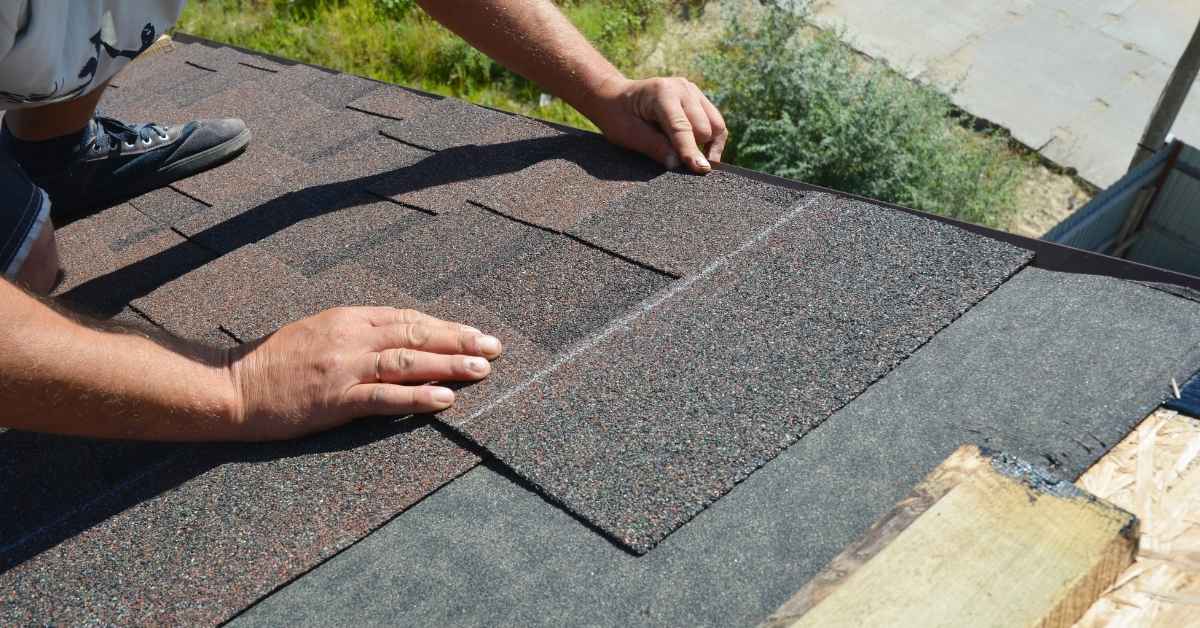
How to Test and Inspect Nail Performance on Your Roof
Walk the roof carefully and look for loose or missing nails, signs of rust, or shingle movement near fasteners. Perform simple pull checks on accessible sections to feel for proper seating and resistance. Visual checkpoints help catch issues before they become leaks.
Follow safety precautions, such as securing a stable ladder and using a harness if needed. Document observations and compare them to the shingle and nail spec you are using. If anything looks off, recheck the installation instructions and consider reseaming or replacing affected areas.
Step-by-Step Process
This step-by-step guide will walk you through testing and inspecting nail performance on your roof, ensuring safety and thoroughness.
- Preparation: Wear sturdy shoes with good grip. Use a harness if the pitch is steep. Gather a pry bar, hammer, and a few spare nails.
- Safety first: Check weather conditions. Inspect your roof for any weak spots before starting.
- Locate suspect areas: Look for loose shingles, water stains, or other signs of trouble. Start there.
- Inspect nails: Use the pry bar to gently lift shingles. Check nail heads and shafts for rust, bending, or displacement. Tap any loose ones back into place with a hammer.
- Conduct pull tests (see next section): Test 10-15 nails in various areas to get a good sample.
- Check underlayment: If possible, inspect the underlayment for any signs of damage or moisture.
- Clean up: Replace shingles carefully. Tuck nail ends back into place if necessary.
- Final check: From ground level, ensure all shingles are flat and secure.
Performing a pull test and interpreting results
A manual pull test helps assess nail holding power. Here’s how to do it and what the results mean.
Use pliers or a claw hammer to grip the nail head. Pull steadily but firmly.
Resistance: If the nail holds firm, your nails are in good shape. Minimal resistance: The nail may be loose or not driven far enough. No resistance: The nail is likely too short or poorly driven.
Nail bends: This indicates the nail is too flexible for your roofing material. Consider replacing with a sturdier option.
Visual inspection checklist for early warning signs
Use this visual checklist to spot potential nail issues before they cause major problems.
- Rust streaks: Rust on nails or shingles indicates moisture and possible corrosion. Check nail heads and shafts.
- Loose shingles: Nails may be loose, missing, or not driven far enough. Temporarily secure with a hammer until you can inspect further.
- Displaced nail heads: Nail heads that are too high or low can cause leaks or damage shingles. Tap them back into place if necessary.
- Water stains: These could ind