
Introduction
Anti-graffiti coatings are protective barriers for masonry and concrete that simplify graffiti removal. Sacrificial coatings are designed to be removed along with graffiti and re-applied, while permanent systems stay on the surface and resist staining. Both aim to simplify cleanup and reduce damage, but choose based on maintenance tolerance and environment.
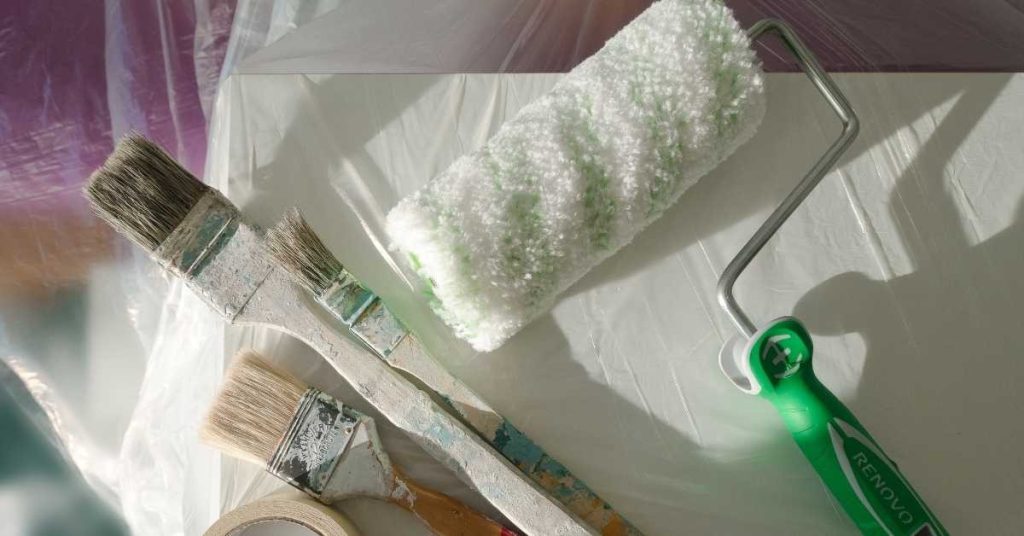
Application methods vary from brushes and rollers to spray equipment, depending on product and surface. Check label for surface prep steps, drying times, and recommended tools. Coverage area per unit varies with porosity and texture, so plan with manufacturer instructions and test a small area before committing.
Key takeaways
- Sacrificial coatings provide easy graffiti removal by sacrificing the film over time.
- Permanent (non-sacrificial) coatings resist graffiti longer but may require professional removal.
- Choose based on substrate compatibility, surface prep, and maintenance workflows.
- Apply with brushes, rollers, or spray equipment following manufacturer instructions.
- Coverage varies by surface porosity; document area per unit through product label.
- Include safety: wear gloves, eye protection, and ventilation during application.
Table of Contents
- Introduction
- Key takeaways
- Quick Comparison: Sacrificial Vs Permanent (Non-Sacrificial)
- How the Systems Work — Technical Information
- Surface Compatibility and Aesthetic Impact
- Application Instructions and Best Practices
- Removal, Maintenance and Re-Application Workflows
- Cost, Lifecycle and ROI Considerations
- Environmental, Health and Safety Considerations
- Choosing the Right System — Decision Checklist and Common Mistakes
- Conclusion
- FAQ
Quick Comparison: Sacrificial Vs Permanent (Non-Sacrificial)
Definition first: sacrificial coatings wear away or are removed with graffiti, while non-sacrificial systems form a durable barrier or modify the surface. Understand that non-sacrificial implies longer intervals between reapplications and different cleaning approaches. The choice hinges on how long you expect protection to last and how you plan to maintain the surface.
Typical use-cases map clearly to protection goals: temporary or museum-grade displays lean toward sacrificial options, outdoor or high-traffic areas favor permanent deterrence. Decision drivers include project duration, exposure, and budget. Think through quick checks like surface porosity, climate, reuse plans, and your maintenance capacity to guide the initial category decision. A one-page checklist can help you decide which system to consider first, with notes on future-proofing and re-coating cadence.
What is a Sacrificial Anti-Graffiti Coating?
A sacrificial anti-graffiti coating is designed to protect your masonry or concrete surfaces by forming a removable film. It’s like a temporary shield that you can peel off when it gets dirty.
These coatings are typically used on historic or heritage masonry where the original appearance must remain unchanged. They’re also great for areas where graffiti removal is needed frequently, as they can be easily peeled off and replaced.
Key point: Sacrificial coatings are temporary solutions that protect your surface without altering its appearance.
What is a Permanent (Non-Sacrificial) Anti-Graffiti Coating?
A permanent, or non-sacrificial, anti-graffiti coating is a clear polymer, urethane, or silane treatment that penetrates into the surface of your masonry or concrete. It doesn’t form a film like sacrificial coatings.
These coatings work by making it easy to remove paint and other graffiti with solvents or cleaners. They’re ideal for murals, public art, and high-risk infrastructure where long-term protection is needed.
Key point: Permanent coatings provide lasting protection but may alter the surface’s appearance slightly.
How the Systems Work — Technical Information
Core difference: sacrificial coatings are erasable by removal, while permanent systems act as barrier films or chemically modify the substrate. They operate through film-forming resins or chemical treatments like silanes, siloxanes, urethanes, and polyacrylates to deter graffiti. Understanding this helps predict cleanup ease and reapplication needs.
Porous masonry and concrete interact with coatings via porosity and moisture movement. Film formation and penetration depend on substrate texture and moisture, affecting long-term adhesion. The two primary mechanisms are a surface or near-surface barrier and a durable treatment that repels paints. Prep steps and compatibility with sealers, plus test patches, are essential to avoid failures and ensure reliable performance.
Material composition and mechanisms
The stuff in your anti-graffiti coating matters. It’s what makes paint stick or come off.
- Wax/Polymer Films: These create a barrier that stops paint from sticking. Look for high solids content (60%+) to ensure good coverage and durability. Avoid low-solids products, they won’t last.
- Silanes/Siloxanes: These penetrate deep into the concrete, chemically bonding with it. They’re durable but can be more expensive. Make sure you get a product with good UV resistance to prevent yellowing.
- Urethanes: Urethanes form a tough, flexible film that resists abrasion and impact. Check for high hardness (Shore D 70+) and low VOCs (less than 350 g/L) to ensure good performance and safety.
- Silicones: Silicone coatings are durable and resistant to UV, weathering, and chemicals. Look for products with high solids content (40%+) and good elongation (at least 200%) for flexibility.
- Fluoropolymers: These offer excellent stain resistance but can be more expensive. Ensure the product has good chemical resistance to prevent damage from harsh cleaners.
Durability and lifespan factors
The life of your anti-graffiti coating depends on a few things. UV rays, weather, how porous your concrete is, and how often it gets cleaned all play a part.
UV exposure breaks down coatings over time. So, if your surface sees a lot of sun, look for products with high UV resistance (like silicones or fluoropolymers).
Weathering can also shorten lifespan. In harsh climates, consider coatings with good weatherability and abrasion resistance.
Porous surfaces need more durable coatings to prevent premature failure. Check manufacturer claims about longevity on porous substrates.
Material specs and standards explained
Before you buy, check these material specs to ensure you’re getting a good product.
- Coverage: Look for products with high coverage rates (at least 100 sq ft per gallon) to minimize waste and application time.
- VOCs: Low VOCs (less than 350 g/L) mean better air quality during application. Check local regulations as well.
- Permeability/Breathability: Some coatings can trap moisture, leading to issues later on. Ensure your product has good permeability to prevent this.
- Abrasion and UV Resistance: High abrasion resistance (like Shore D 70+) and UV resistance ensure your coating lasts longer.
- Warranty Terms: Check the warranty period. Longer warranties indicate better product confidence.
Surface Compatibility and Aesthetic Impact
Different substrates respond to coatings based on porosity and texture. Brick, cast concrete, and natural stone vary in how deeply products can penetrate and how easily residual graffiti can be removed. Surface prep needs change with substrate to promote good adhesion and avoid streaks or blotching.
Finish type also matters: troweled, brushed, honed, or textured surfaces influence adhesion and potential sheen changes. Expect some subtle visual shifts like darkening or slight texture modification, and communicate these to clients before work begins. Compatibility with existing sealers or water repellents, and whether a sacrificial or permanent system is chosen, will affect appearance and breathability.
Porous vs non-porous substrates
Porosity matters when choosing anti-graffiti coatings. Porous surfaces like brick or natural stone absorb liquids, while cast concrete can be both porous and dense.
Sacrificial systems work best on porous surfaces. They penetrate deep, providing good adhesion and breathability. On non-porous surfaces, they may not adhere well or could trap moisture causing issues.
Permanent systems are suitable for both porous and non-porous surfaces. However, on highly porous surfaces, they might darken due to absorption of the coating’s pigments.
Effects on appearance, historic materials, and murals
Choosing a coating depends on your surface’s aesthetic. Historic materials, murals, or publicly visible finishes need special consideration.
- Sheen change: Some coatings can increase sheen, making surfaces appear glossier. Look for low-sheen options if you want to maintain a natural look.
- Darkening: Porous surfaces may absorb pigments, darkening the appearance. Test on a small area first.
- Texture change: Some coatings can fill in surface textures, altering the tactile feel. Consider this if your surface has unique textures or is a historic material.
- Murals: Anti-graffiti coatings can protect murals but may slightly alter colors. Always test on a small area first.
- Historic materials: Be cautious with permanent systems on historic materials. They can trap moisture, causing damage over time. Sacrificial systems are often safer but may need reapplication.
Application Instructions and Best Practices
Pre-application checks should cover substrate type, moisture content, and any old coatings or graffiti-removal residues. Do a small adhesion test and verify environmental constraints. Establish a suitable window according to the product datasheet before starting.
Surface preparation requires graffiti residue removal, oil or salts cleanup, and complete drying. Address porosity with the recommended prep step to ensure adhesion. Select an application method suitable for the surface, and follow exact mixing, pot life, and film-thickness guidance from the datasheet.
Surface preparation and step-by-step application
Thoroughly prepare your surface to ensure optimal anti-graffiti coating performance.
- Clean the surface: Remove all graffiti, dirt, oil, grease, and salts using appropriate cleaners or removers. Rinse and let it dry completely.
- Check for moisture: Use a moisture meter to test for excess moisture in the substrate. If present, address the issue before proceeding.
- Repair cracks: Fill any cracks with an appropriate concrete repair material to prevent coating failure.
- Efflorescence removal: Remove any white salts (efflorescence) using a suitable cleaner to avoid compromising adhesion.
- Test patch: Apply a small test patch of the anti-graffiti coating in an inconspicuous area to check for adhesion and compatibility with your substrate.
- Select application method: Choose between spray, roller, or brush based on your substrate type and product recommendations. Spraying is generally best for large areas while rollers and brushes are ideal for smaller surfaces or detailed work.
- Avoid overspray: Protect adjacent surfaces using drop cloths or masking tape to prevent unwanted coating application.
- Ensure even coverage: Apply the coating in thin, even layers following the manufacturer’s film-thickness guidelines. Avoid puddling or sting (excessive coating buildup) which can lead to poor performance and aesthetic issues.
Tools and materials checklist
Use this checklist before starting your anti-graffiti coating project to ensure you have all necessary tools and materials.
- Surface cleaners: Choose cleaners suitable for your substrate (concrete or masonry) and the type of contamination present. Consult manufacturer recommendations to avoid damaging the surface.
- Appropriate sprayer/roller/brush: Select a sprayer, roller, or brush that suits your application method and substrate. Follow manufacturer guidelines for tool selection.
- Personal Protective Equipment (PPE): Gloves, safety glasses, and protective clothing are essential to protect you from chemicals and overspray.
- Moisture meter: Use a moisture meter to test your substrate’s moisture content before application. Excessive moisture can compromise coating adhesion.
- Test patch materials: Have extra coating material on hand for creating test patches to check compatibility and adhesion.
- Drop cloths/masking tape: Protect adjacent surfaces from overspray using drop cloths or masking tape.
- Safety data sheets (SDS): Consult SDS for each product you’re using to understand potential hazards, proper handling, and storage procedures.
- Proper ventilation: Ensure adequate ventilation in the work area to prevent the buildup of harmful fumes. Use fans or open windows as needed.
Quick rule: Always consult manufacturer tooling recommendations and safety data sheets before starting your project to ensure you’re using the right tools and handling materials safely.
Removal, Maintenance and Re-Application Workflows
Removal protocols differ by coating type and substrate. Use cleaners or solvents that minimize substrate damage, and plan mechanical methods carefully. Safety PPE, proper ventilation, and environmental controls are essential; test adhesion and colorfastness before full-scale work.
Maintenance schedules depend on system type and environmental exposure. Look for signs of coating degradation and graffiti-remove impact. Plan re-application steps with substrate cleaning and re-priming if required, and document readiness days for future planning.
Graffiti Removal from Sacrificial Systems
Sacrificial anti-graffiti coatings are designed to be removed and reapplied. Here’s how:
Follow manufacturer’s cleaning instructions. They know their product best. Use pressure washing, steam cleaning, or hot water methods as directed.
After removal, clean the surface with fresh water. Inspect for any residual graffiti. If present, repeat the process until the surface is clean.
Once cleaned, reapply the coating following the manufacturer’s instructions. This restores protection to your masonry or concrete.
Graffiti Removal from Permanent Systems
Permanent anti-graffiti coatings are designed to protect the underlying surface. Here’s how to remove graffiti without damaging them:
Start with a detergent-based cleaner. Apply it, let it sit, then rinse off. This often removes graffiti without harming the coating.
If detergent doesn’t work, use an approved graffiti remover. Follow the manufacturer’s instructions carefully. Test on a small, hidden area first to ensure it won’t damage your coating.
For tough graffiti, you might need mechanical or professional cleaning. This should be done by qualified contractors to avoid damaging the protective layer.
Cost, Lifecycle and ROI Considerations
Upfront costs include product cost per area, labor for application, and surface conditioning needs. Document that these estimates come from product data and advisor input, not fixed figures. Use your local supplier guidance to set expectations and verify requirements before starting.
Lifecycle costs cover maintenance, re-application intervals, and environmental wear. Define a practical estimation approach using ranges and conservative timelines rather than fixed numbers. Compare ROI by expected reductions in graffiti cleanup time and repaint frequency, and consider any warranty or guarantee that applies to your chosen system.
Upfront vs long-term cost tradeoffs
The first thing to consider is the upfront costs. Sacrificial systems are usually cheaper, with materials costing less and application being quicker. Labor for surface prep might be similar though.
But remember, these systems need more frequent re-applications due to their shorter lifespan. Every time graffiti hits, you’re looking at a new coat.
Long-life permanent systems, on the other hand, have higher upfront costs but last much longer. They require less frequent re-applications and can even come with warranties that cover graffiti removal.
The decision here depends on your budget, how often you expect graffiti incidents, and whether you’re willing to trade a lower upfront cost for more maintenance down the line.
How to build a simple lifecycle cost comparison
To compare systems, start by getting quotes from suppliers. They’ll give you material costs per square foot and labor estimates.
Next, consider maintenance and re-application intervals. Sacrificial systems might need annual re-coats, while permanent ones could last 5 to 10 years or more.
Factor in cleaning/maintenance costs too. Some systems are easier to clean than others, affecting how often you’ll need professional help.
Finally, consider any warranties offered. Some manufacturers cover graffiti removal within a certain timeframe after application.
Here’s a simple template:
– Initial Install Cost
– Annual Maintenance/Cleaning Cost
– Re-application Interval & Cost
– Warranty Benefits
Subtract the total lifecycle cost of each system from your initial budget to see which gives you the best ROI.
Environmental, Health and Safety Considerations
Emissions involve VOC content and odor, with indoor versus outdoor implications. Plan ventilation accordingly and minimize exposure for occupants. Follow local rules and product labels to keep conditions safe during application and removal.
Waste management includes unused coating, cured debris, and containers. Dispose in accordance with local guidelines and SDS instructions. PPE, spill control, and proper containment are essential for protecting workers and the site environment.
Worker and public safety measures
Safety’s top priority when applying anti-graffiti coatings. Always consult the product’s Safety Data Sheet (SDS) for specific precautions.
Respiratory protection is crucial during application and removal. Use a respirator with a particulate filter or an organic vapor cartridge, depending on the coating type.
Wear gloves to protect your hands from chemicals. For eye protection, use safety glasses or goggles. Contain runoff using drop cloths or other barriers to prevent exposure and contamination of surrounding areas.
Environmental impacts and regulatory factors
Anti-graffiti coatings can have environmental implications. Runoff from cleaning or removal can contaminate nearby surfaces and water sources, so contain it properly.
Solvent disposal is another concern. Check local regulations for proper disposal methods. Some communities may require low-VOC products to minimize air pollution.
Community odor/air quality issues might arise during application. To minimize exposure, ventilate the area well and consider applying coatings when neighbors are least likely to be affected.
Confirm local disposal rules and explore low-VOC product alternatives where required. Always prioritize environmental responsibility alongside safety and effectiveness.
Choosing the Right System — Decision Checklist and Common Mistakes
Start with surface type and porosity, then decide on permanence based on how often you’re willing to rework the coating. Consider exterior versus interior exposure, and whether long-term graffiti resistance or easy removability is the priority. These choices guide your path.
Avoid common mistakes like mismatching the system to surface, underestimating maintenance, and skipping prep. Use a simple Yes/No checklist to reach a recommended option, and keep a quick reference for installation prerequisites and warranties to support your final decision.
Decision checklist for owners and specifiers
Before buying or specifying an anti-graffiti coating, use this checklist to ensure you’re making the right choice.
- Test patch: Always do a test patch to see how the coating performs on your specific surface.
- Datasheet review: Carefully read and understand the datasheet. It’s your guide to what works and what doesn’t.
- Contractor capability: Ensure the applicator is experienced with the chosen system. Ask for references.
- Cleaning plan: Understand how to clean the coating. Test different cleaners on the test patch.
- Surface type: Match the coating to your surface – concrete, brick, or masonry.
- Porosity level: Consider the porosity of your substrate. Some coatings don’t work well on very porous surfaces.
- Environmental exposure: Consider interior vs. exterior use, UV exposure, and moisture levels.
- Permanence desired: Decide if you want a sacrificial or permanent system based on your maintenance needs.
- Aesthetic constraints: Consider gloss level, color stability, transparency, and how the coating affects appearance.
- Budget: Understand the initial cost, reapplication frequency, labor, and storage costs.
- Warranty: Check the warranty terms. What’s covered? For how long?
Quick rule: A thorough decision-making process at the start saves time and money in the long run.
Common pitfalls and how to avoid them
Don’t fall into these common traps when choosing and applying anti-graffiti coatings.
- Mismatched coating: Don’t use a coating designed for concrete on brick or masonry. It won’t perform as expected.
- Underestimated maintenance: Don’t underestimate the cleaning requirements. Regular maintenance is key to keeping your surface looking good.
- Ignored breathability: For historic masonry, don’t use a coating that doesn’t allow the wall to breathe. This can cause damage over time.
- Skipped prep: Don’t skip surface preparation. A clean, dry surface is crucial for good adhesion and performance.
- Ignored environmental limits: Don’t apply coatings in temperatures or humidity conditions outside their recommended range.
- Overlooked VOCs: Be aware of the volatile organic compounds (VOCs) in your coating. Some may have regulatory restrictions or health impacts.
- DIY vs professional application: Don’t attempt to apply a system that’s meant for professionals if you’re not experienced. It could lead to poor results and void warranties.
Quick rule: Always follow the manufacturer’s guidelines. If in doubt, consult with a professional.
Conclusion
Choose a system that fits your surface and goals, and lock in safety and durability from the start. Clear planning now saves costly fixes later and keeps the look consistent on masonry and concrete.
To move forward, do this in order: inspect the surface and pick sacrificial or non-sacrificial based on traffic and maintenance needs, verify compatibility with your substrate, test a small area to check adhesion and appearance, follow the application and curing guidelines precisely, and schedule removal or maintenance around weather and use patterns. Always document the steps you take so you know when to recoat or replace.
Avoid common missteps like applying coatings over damp or dirty surfaces, skipping a compatibility test, and ignoring safety gear. Test in a small area first, wear appropriate PPE, and keep reapplication timelines realistic to your climate and foot traffic. Don’t rush the cure or skip surface prep, and never mix products unless the manufacturer approves it.
If the job involves complex layouts, heavily trafficked walls, or questionable substrate conditions, don’t push past your limits. Consider hiring a professional when you detect structural moisture, past coatings blistering, or uncertain surface integrity. Stay practical, stay safe, and you’ll protect the look and integrity of your masonry for years to come.
FAQ
What is a sacrificial graffiti coating and what are its benefits?
A sacrificial coating is designed to be removed along with graffiti. It’s easy to reapply after cleaning, and it can be a lower-cost option for surfaces that see frequent tagging.
What is a permanent (non-sacrificial) coating and its benefits?
A permanent coating stays on the wall and resists graffiti over time. It often requires less frequent maintenance and can keep masonry looking cleaner for longer, but follow manufacturer instructions for reapplication when needed.
How are these coatings applied and what tools do I need?
Follow the product label for surface prep, then apply with brushes, rollers, or spray equipment as directed. You’ll typically need cleaners, compatible primers if required, and protective gear; avoid applying in extreme heat or moisture unless the label allows it.
How much area does a typical unit cover and how should I plan maintenance?
Coverage depends on the product and the substrate. Check the label or data sheet for coverage per unit and plan reapplication or touch-ups based on observed performance after cleaning graffiti.
How long do these coatings last and what about warranties?
Durability varies by product and environment. Look up the warranty terms on the label or manufacturer instructions, and ask the supplier for guidance on expected service intervals for your climate and wall type.