
Introduction
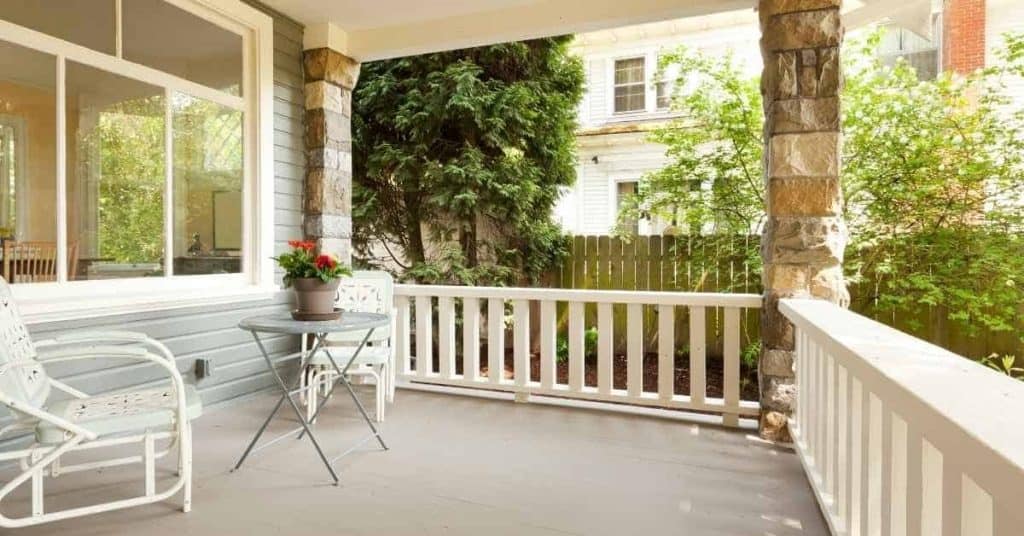
Six porch colors can inspire you to paint your porch.
The guide walks through practical color-selection tips, simple DIY steps, and smart alternatives that balance style with maintenance and budget.
Key takeaways
- Test color samples on both porch floor and siding in morning and afternoon light.
- Pair porch colors with trim and door hues for cohesive curb appeal.
- Use high-quality exterior acrylic paint and UV-protective primer for longevity.
- Prep by cleaning, sanding rough spots, and caulking before first coat.
- Check local permits and weather windows to avoid project delays.
- Consider semi-permanent options like stain or deck tiles for flexibility.
Table of Contents
- Introduction
- Key takeaways
- Quick overview: why porch color matters
- Six porch color ideas with inspiration and pairings
- Choosing a porch color palette step-by-step
- DIY painting prep and techniques for long-lasting results
- Safety, permits, and when to call a pro
- Smart alternatives to painting (less permanent options)
- Cost, common mistakes, and maintenance for long-lasting porch color
- Conclusion
- FAQ
Quick overview: why porch color matters
Porch color sets curb appeal and communicates your home’s style. Light or dark shades interact with siding, brick, or stone to change how the architecture reads and how visitors perceive the house.
Sunlight and porch orientation change how colors look throughout the day, so test swatches in natural light at different times. Neighborhood context and house style guide what works—from historic districts to modern homes—so aim for harmony rather than a loud mismatch. Pair porch colors with the door, railings, and furniture, and test on-site samples before you commit.
Function vs. aesthetics
When picking a porch color, think about how much traffic it gets and its role as an entry point. A high-traffic area needs durable paint that can handle wear and tear. For example, if your porch is right by the front door where people come in and out all day, go for something tough like epoxy or urethane.
On the other hand, a less busy side porch might be more about looks. You could choose a lighter color to brighten up an area that doesn’t see much use but still wants to look nice from outside. Remember, durability is key where it counts, and aesthetics can take center stage elsewhere.
Tip: Test your paint choices in the actual spot you plan to use them. See how they look at different times of day and under various weather conditions before committing to a full coat.
Weather and light considerations
The way sunlight hits your porch can really change the look of any color. Morning sun might make colors pop, while afternoon glare could wash them out. Test paint samples at different times to see how they hold up.
Also, think about the climate where you live. Hot and humid areas can cause paints to fade faster or peel sooner than cooler climates. Choose a finish that’s tough enough for your weather conditions. For instance, if it rains a lot, go with an exterior paint that resists water damage.
The surrounding landscaping also plays a role. Trees casting shade will affect how colors appear compared to open areas getting full sun. Make sure you’re aware of these factors before making your final decision on color and finish type.
Tip: Always check the paint’s UV resistance rating, especially if your porch faces south or west where it gets a lot of direct sunlight throughout the day.

Six porch color ideas with inspiration and pairings
Six porch color directions give you a ready-to-paint plan, with a quick visual read and simple pairings for trim, door, railings, and accessories such as hardware finishes. Think classic white, deep navy, warm terra cotta, soft sage, bright yellow, and charcoal or black. Each direction includes how the color reads in various lighting and the curb appeal mood it creates.
Use a DIY workflow: prep, test samples on the actual siding or porch surface, then pick a one- or two-step decorating idea to complete the look. Finish and sheen matter, with eggshell or matte options depending on the surface and maintenance. Check labels and manufacturer instructions for exact recommendations, and consider how your porch material—vinyl, brick, or wood—will influence color choice and upkeep.
Color 1 — Classic white and off-white
White is a classic choice for porches because it reflects light, making your space feel bright and airy. It’s perfect if you want to highlight architectural details or blend seamlessly with the surroundings.
For trim and doors, go with white or cream tones. This creates a clean look but can be adjusted by using warm whites for a cozy feel or cool whites for a crisp appearance.
If your porch has brick or wood elements, consider an off-white shade to tie everything together. Warm whites work well with natural materials like cedar and pine, while cooler tones complement vinyl siding.
Color 2 — Bold deep hues (navy/charcoal)
Deep navy or charcoal adds drama to any porch, making it stand out. These colors work best when paired with lighter elements like white trim and doors for contrast.
Select hardware in brass or brushed nickel. This metallic finish will complement the dark hues without clashing. For lighting, opt for fixtures that have a sleek modern design to enhance the sophisticated look.
Deep colors suit various architectural styles but are particularly striking on Craftsman and contemporary homes. They can also make small porches feel more intimate and cozy.
Color 3 — Warm and earthy tones (terra cotta/sand)
Terra cotta or sand colors are perfect for adding warmth to your porch. They complement brick, stone, and wood finishes beautifully.
Pick natural wood for trim and doors to enhance the rustic feel. For added texture, consider incorporating planters with greenery like succulents or small shrubs.
Rugs in complementary earth tones can add comfort underfoot while tying the space together. Choose a rug that’s easy to clean and weather-resistant if you plan on using it outdoors regularly.
Choosing a porch color palette step-by-step
Choose a porch palette that complements the house exterior, porch style, and surrounding landscape. Pick a dominant color for the large areas and one or two accent colors, and test how they read in morning, noon, and sunset light.
Test samples on small porch areas or boards and observe for several days to see how color shifts with shadow and weather. Keep harmony with siding, roof, landscaping, and existing architectural details, and check any HOA or guideline constraints before you commit. This approach helps you avoid mismatches and ensures curb appeal from the street.
Step-by-Step Process
This sequence helps you methodically choose a porch color palette, ensuring your final look complements the house exterior and landscape.
- Prepare the site: Clear debris, cover plants, wear gloves. Safety first.
- Gather materials: Paint swatches, sample boards, brushes, painter’s tape. Have everything ready.
- Test samples: Apply paint to small areas or boards. Observe how colors change with light and weather over several days.
- Select dominant color: Pick a main shade for large surfaces like walls or railings based on your tests.
- Choose accents: Select 1–2 accent colors for doors, trim, shutters, or decorative elements that complement the dominant color.
- Check harmony with exterior and landscape: Ensure your palette ties in well with siding, roof, landscaping, and any architectural details.
- Cleanup and final checks: Clean up paint samples, remove tape, and do a final walk-through to ensure everything looks right before committing to full application.
How to test paint samples correctly
To get the best idea of how colors will look on your porch, you need to test them properly. Start with small boards or areas and apply enough paint to see true color.
Place these sample boards in various spots around your porch—under direct sunlight, in shade, and where light changes throughout the day. Observe how the colors shift over several days to ensure they look good at different times of the day.
Note any issues like fading or discoloration that might affect long-term appearance. This testing phase is crucial for making a confident decision on your porch’s final color palette.
Tools for visualizing palettes (physical and digital)
Visualize your porch colors before committing to paint with these tools:
- Mood boards: Use corkboards or online platforms like Pinterest. Pin images, swatches, and notes to see how colors work together.
- Paint brand sample kits: Brands often offer free sample packs for testing. Check the website or local store for availability.
- Smartphone photo tricks: Take photos of your porch with different color options overlaid using apps like Canva or Adobe Color. This gives a realistic preview without physical samples.
- Digital paint swatch apps: Apps like Sherwin-Williams Paint Visualizer let you see how colors look on your specific porch in real-time.
- Color wheel charts: Physical or digital, these help understand color theory and complementary shades. Useful for choosing accent colors that work well with the dominant shade.
DIY painting prep and techniques for long-lasting results
This section covers how to prep exterior concrete for long-lasting paint on porch floors, ceilings, and walls. You’ll clean dust, algae, and grease, then choose the right prep and primer for each surface, and pick a paint type suited to porch conditions. It also walks through a stepwise application sequence with edge protection and proper coating counts.
Understanding the prep choices and primer needs helps you avoid peeling and staining. It matters because concrete porches face sun, moisture, and wear; choosing the right exterior paint type and following a surface-specific sequence gives durability, weather resistance, and safer, longer-lasting results. Watch drying cues, ventilation, PPE, and ladder safety, and run quick adhesion checks between coats.
Cleaning and surface preparation checklist
Before you start painting, follow this checklist to ensure your porch is ready for a long-lasting finish.
- Degrease surfaces: Use a degreaser on greasy areas. Confirm by wiping clean with water; residue means more work needed. Skipping can lead to paint peeling.
- Power wash concrete: Remove dirt and algae thoroughly. Check for even coverage, patches missed may cause uneven finish later.
- Sand rough spots: Smooth out any bumps or ridges with sandpaper. Confirm by running hand over surface; rough areas will show up as blemishes in the paint.
- Patch cracks and holes: Fill gaps with concrete patching compound. Check for levelness and smoothness after drying; uneven patches can cause tripping hazards.
- Dry surfaces completely: Ensure no moisture remains before painting. Confirm by touching surface; if it feels damp, wait longer to avoid blisters or peeling paint.
Quick rule: A clean and prepared surface is the foundation for a durable finish.
Best paints and primers for porches
Selecting the right paint and primer is crucial. For concrete, use an exterior bonding primer to ensure adhesion. Avoid oil-based paints as they yellow over time.
Porch-floor specific paints offer better durability against wear and tear but are more expensive. Acrylic latex provides good UV resistance and flexibility for outdoor conditions.
Consider adding a slip-resistant additive if your porch is prone to wetness, especially with foot traffic. This can prevent accidents during rainy weather.
Painting technique and scheduling tips
Choose the right tools for the job: brushes are best for edges and corners; rollers work well for large areas, and sprayers can cover a lot quickly but require care