
Introduction
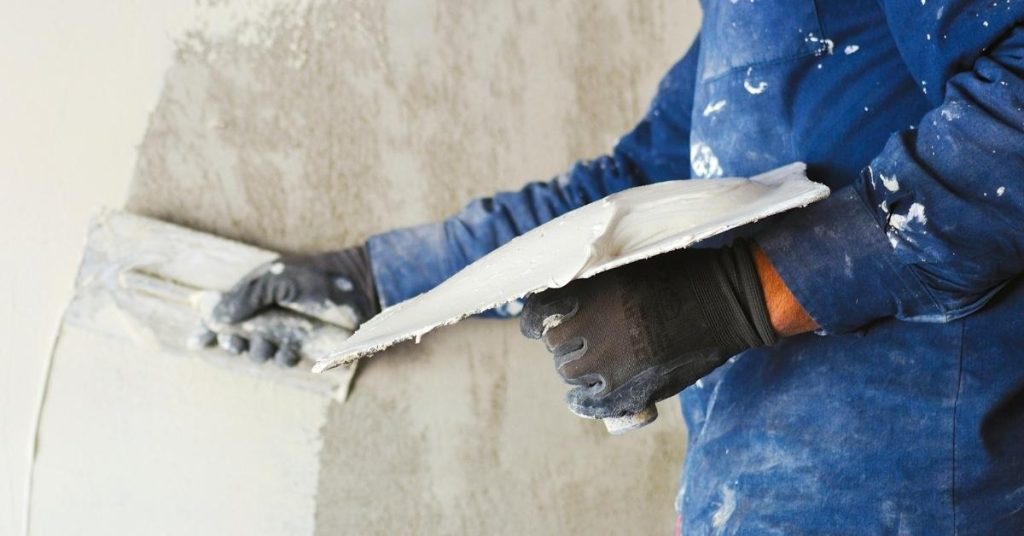
Venetian plaster over existing tile is applying plaster onto a tile surface to create a seamless, stone-like finish. Prep and bond are critical, because you’re sticking plaster to a non-porous base. You’ll need to clean, roughen, and seal as needed, then choose a compatible bonding product and follow its directions.
Start with careful prep, bridge any gaps with compatible products, and plan edge detailing to keep joints clean. Follow manufacturer instructions and local rules for adhesion, curing, and finishes, and check labels for dry times. If in doubt, test a small area first and adjust for your tile type and room conditions.
Key takeaways
- Assess tile condition and substrate integrity before any plaster coat or primer, avoid loose tiles.
- Choose bond bridge primer compatible with tile and plaster system per label.
- Ventilate work area, wear eye protection and mask; avoid inhaling plaster dust.
- Apply multiple thin coats of plaster over bond bridge, observing manufacturer’s guidance.
- Edge detailing requires consistent movement joints and clean transitions at seams.
- Treat finish with appropriate cure and monitoring; address discoloration or cracking promptly.
Table of Contents
- Introduction
- Key takeaways
- Project Assessment and Tile Suitability
- Tools and Materials Checklist
- Surface Preparation and Cleaning
- Choosing and Applying Bond Bridges/Primers
- Mixing and Preparing Venetian Plaster
- Application Techniques over Tile
- Edge Detailing, Trims, and Movement Joints
- Sealing, Curing, Troubleshooting, and Maintenance
- Conclusion
- FAQ
Project Assessment and Tile Suitability
Before you lay Venetian plaster over tile, verify the existing tile and the substrate are sound and stable. Look for cracked or loose tiles, hollow spots, moisture damage, or any sign of movement. If the surface isn’t solid, don’t proceed until you fix it.
This matters because a weak or incompatible base will make the finish fail, crack, or peel. Check product labels and manufacturer instructions for substrate requirements and moisture limits, and follow them. If you’re unsure, test a small area and consult a professional or skip to preparing a solid base.
Inspect adhesion and substrate condition
Before you start, check every tile. Tap each one gently with a rubber mallet. If it sounds hollow or feels loose, mark it.
Loose tiles need to be removed and reattached or replaced. Check for substrate delamination too – if the tile moves more than 1/8 inch, there’s a problem under there that needs fixing.
Look out for cracks in the grout or between tiles. These could indicate movement in the wall or floor beneath. If you find any, they need to be addressed before proceeding.
Tile types, porosity, and surface finishes
Not all tiles are created equal when it comes to Venetian plaster. Glazed tiles have a non-porous surface that won’t bond well with plaster. You’ll need to sand them lightly first.
Unglazed ceramic and porcelain tiles, along with natural stone, are porous and will bond better. But they might require sealing before applying the plaster to prevent staining.
If you’re unsure about your tile type or surface finish, consult a professional or the manufacturer’s guidelines before proceeding.
Codes, wet-area requirements, and manufacturer limits
First things first – check your local building codes. Some areas have specific rules about tile overlays in residential buildings.
In wet areas like bathrooms or showers, you’ll need to ensure the plaster is waterproof. This might involve applying a primer or sealant before and after the plaster application.
Always check the manufacturer’s guidelines for their Venetian plaster product. Some plasters are designed for specific tile types or require certain primers to be used. Don’t skip this step – it could save you a lot of trouble down the line.
Tools and Materials Checklist
This section gives a complete, practical checklist of the tools, primers/bond bridges, plaster materials, trims, and the PPE you need. It helps you line up what to have on hand before you start so you can work without constant trips. Use labeled products and follow the manufacturer instructions.
Having the right stuff matters because it keeps the job moving and the finish solid. If you’re unsure about a product, check the label or datasheet for usage notes and safety guidance. Disposal rules vary—check local household hazardous waste rules and never dump waste down drains or into the soil.
Adhesion primers, bond-bridge options, and substrate primers
Before you start tiling or applying plaster, use this checklist to ensure your surfaces are properly prepared with the right adhesion promoters. This will save you from costly rework and ensure a strong, long-lasting finish.
- Check substrate type: Ensure you’re working on a suitable surface like concrete, plywood, or existing tiles. What goes wrong if you skip this: Inadequate adhesion leading to tile or plaster failure.
- Inspect surface condition: Look for cracks, holes, or other defects. The surface should be clean, dry, and free from contaminants. What goes wrong if you skip this: Poor adhesion and premature delamination.
- Choose the right primer: Select a primer compatible with your substrate and intended finish (tile or plaster). Common options include:
- Acrylic primers for tiles on plywood or existing tiles
- Epoxy primers for concrete or problem surfaces
- Plaster primers for new plasterwork
- Check primer coverage: Follow the manufacturer’s guidelines to ensure adequate coverage. Typically, 1-2 coats are required. What goes wrong if you skip this: Insufficient protection and adhesion issues.
- Allow proper drying time: Wait for the recommended time (usually 24-48 hours) before applying your final finish. What goes wrong if you skip this: Premature application can lead to poor adhesion and compromised performance.
- Consider using a bond-bridge: For difficult surfaces or when tiling over plaster, use a bond-bridge product designed for the specific situation. What goes wrong if you skip this: Inadequate bonding leading to tile or plaster failure.
- Check bond-bridge compatibility: Ensure the chosen bond-bridge is compatible with your tile adhesive and substrate. Always follow manufacturer guidelines. What goes wrong if you skip this: Poor adhesion and potential product reactions.
- Apply bond-bridge correctly: Follow the manufacturer’s instructions for application, including mixing ratios, spreading techniques, and drying times. What goes wrong if you skip this: Incorrect application can lead to poor bonding and compromised performance.
Quick rule: Always choose adhesion promoters based on the specific substrate and intended finish. Following manufacturer guidelines ensures optimal results and prevents costly rework.
Venetian plaster types, sealers, and accessory materials
Use this checklist when selecting your Venetian plaster, sealers, and accessories to ensure a smooth application process and long-lasting results.
- Plaster Type: Check if it’s Lime, Venetian/Polished Plaster, or Synthetic. Each has different properties and applications.
- Lime Plaster: Verify it’s NHL (Natural Hydraulic Lime) 3.5 or higher for durability. Avoid quicklime as it’s too harsh.
- Venetian/Polished Plaster: Ensure it’s specifically designed for Venetian plasters and follows manufacturer instructions for application.
- Synthetic Plasters: Check if they’re acrylic or cement-based. Acrylic is more flexible, cement-based is stronger but less elastic.
- Sealer Type: Choose between water-based (easier to apply) and solvent-based (better protection).
- Sealer Compatibility: Ensure the sealer is compatible with your chosen plaster type. Check manufacturer guidelines.
- Additives: Consider using additives for specific properties like anti-microbial, fire-retardant, or color enhancement. Always test a small area first.
- Color Consistency: If using colored plasters, ensure the batch is consistent by mixing well and checking before application.
Quick rule: Always follow manufacturer instructions for specific product usage. Don’t assume all plasters and sealers are interchangeable.
Tools, PPE, and mixing equipment
Before you start your Venetian plaster project, ensure you have all the necessary tools, safety gear, and mixing equipment. Use this checklist to verify each item.
- Trowels (4-6″ & 8-12″): Check for straight edges and no nicks. Trowels should be flexible but sturdy.
- Hawks (12×16 & 16×20): Ensure they’re flat, smooth, and free of cracks or warping.
- Sanders (random orbital, 5-8″): Confirm sandpaper discs are secure and in good condition. Check sander’s safety features.
- Mixing drill (1/2″ – 3/4″): Ensure it has enough power for your mixers. Check speed settings.
- Plaster mixers (paddle & ribbon): Verify they’re securely attached to the drill and in good working order.
- Safety glasses: Check for no cracks or scratches. Ensure they fit well.
- Dust mask/respirator: Confirm it fits properly and is suitable for plaster dust. Check filters.
- Gloves (latex or nitrile): Ensure they’re in good condition with no holes or tears.
- Ear protection: Check if they fit well and provide adequate noise reduction.
- Protective clothing: Verify it covers skin, including long sleeves, pants, and closed-toe shoes.
Quick rule: Always inspect your tools before starting. Damaged or unsuitable equipment can lead to poor results and safety hazards.
Surface Preparation and Cleaning
Surface prep is the foundation for a good bond. Start by cleaning the area to remove dust, oil, and any loose material. Degloss glossy surfaces and repair holes or irregularities so the substrate is smooth and ready.
Skip it and you’ll chase problems later, even if you think you’re in a hurry. Doing the prep right gives better adhesion, fewer repairs, and a longer-lasting job, which is worth the extra effort.
Remove contaminants and degloss glossy tiles
Start by degreasing your tile surface. Use a suitable cleaner like TSP (trisodium phosphate) or a heavy-duty degreaser to remove any dirt, grease, or soap residue.
Important: Avoid using harsh chemicals that could damage the tile’s glaze.
For glossy tiles, you’ll need to degloss them to improve adhesion. You can do this by lightly abrading the surface with a fine-grit sandpaper or using an etching solution designed for ceramic surfaces.
After degreasing and deglossing, wipe down the tile with clean water and let it dry completely before moving on to the next step.
Grout joints, leveling, and feathering transitions
Inspect your grout lines. If they’re proud (higher than the tile surface), you’ll need to recess them. Use a grout saw or a sharp chisel to carefully cut away excess grout.
Check for lippage – where tiles are not level with each other. Use a leveling compound to fill any low spots and sand down high spots until all tiles are even.
Tip: For transitions between different tile types or sizes, feather the edges using a flexible filler. This creates a smooth transition for your plaster application.
Once you’ve addressed grout lines, leveling, and transitions, wipe down the entire surface with a damp cloth to remove any dust before proceeding.
Visual checkpoints before priming
Before applying your bond bridge or primer, perform a visual inspection to ensure your surface is ready. Use this checklist:
- Tile movement: Gently push and pull on tiles to ensure none are loose.
- Consistent porosity: Check that the tile’s surface has consistent absorption – it should look evenly damp when misted with water.
- Smooth transitions: Ensure there are no sharp edges or abrupt changes in level between tiles.
- No cracks or chips: Inspect for any hairline cracks or chips that could compromise adhesion.
- Grout lines: Check that grout lines are even and not proud or recessed.
- Dust-free: Wipe down the surface to ensure it’s free of dust and debris.
- No moisture: Make sure there’s no standing water or excessive dampness on the tile.
- No efflorescence: Check for white, powdery deposits (efflorescence) that could interfere with adhesion.
Quick rule: If anything fails these checks, address it before moving forward to ensure a successful Venetian plaster application.
Choosing and Applying Bond Bridges/Primers
Choosing the right bond bridge or primer creates a reliable bond between tile and plaster. Pick a product that matches your substrate and follow the manufacturer’s directions for application. Read the label and datasheet for surface prep and curing notes.
Doing it right saves you from loose tile and big headaches later. A proper primer or bridge improves adhesion and gives you a predictable surface to tile onto. Check the label for how to apply, any wait times, and signs it’s going bad; if in doubt, ask at the store or read the data sheet.
Selecting a compatible bond-bridge system
Choosing the right bond bridge or primer is crucial for a successful Venetian plaster job. It needs to play nice with your tile surface and the plaster you’re using.
Check the technical data sheets for both your tile and plaster. Look for recommendations on primers or bond bridges. They’ll tell you what works best.
For instance, if you’ve got glazed ceramic tiles, you’ll want a primer that can penetrate and grip that smooth surface. For porous tiles like unglazed ceramics or natural stone, you might need a different type.
Always verify the primer is compatible with your specific plaster type too. Some plasters are acrylic-based, others are lime-based. Make sure your primer plays well with yours.
Application methods, coverage, and wet-edge considerations
Applying the bond bridge is straightforward but needs a steady hand. You’ve got a few methods to choose from.
Most folks use a roller. It’s quick and easy. But for tight spaces or intricate patterns, you might want to break out a brush. Some pros even use a brush-and-skim technique – brushing it on, then skimming with a trowel for better coverage.
Coverage varies by product, so check your data sheet. A general rule of thumb is about 300-400 sq ft per gallon. But don’t rely on that – always check the specifics for your product.
When applying, avoid pooling. It can lead to poor adhesion and an uneven finish. And remember, Venetian plaster needs a ‘wet edge’ to apply smoothly. So, work in manageable sections and keep a damp edge as you go.
Adhesion testing procedures
Before you slap on that first coat of plaster, you want to make sure your bond bridge is sticking like it should. A few simple tests can give you peace of mind.
The easiest way is to apply a small test patch. Let it dry, then try to scratch or peel it off. If it comes off easily, you’ve got a problem. If it sticks like glue, you’re good to go.
Another method is the peel/tape test. Apply some bond bridge, let it dry, then stick a piece of tape on it. Pull it off quickly. If any plaster comes with it, your adhesion isn’t great.
Look for signs of failure too. That could be flaking, peeling, or a lack of tackiness when you press down on the surface. If you see any of that, re-evaluate your bond bridge and application method.
Mixing and Preparing Venetian Plaster
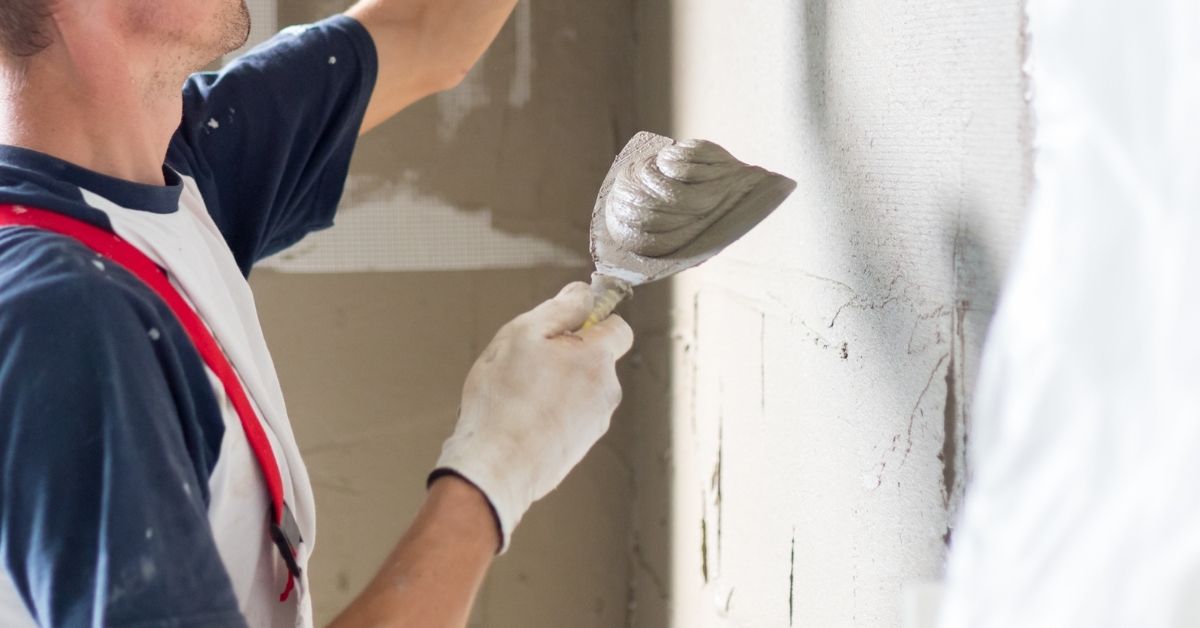
Mix Venetian plaster in small batches and follow the product instructions. Stir thoroughly until the mixture is smooth and lump-free. Check the color and consistency so it stays uniform as you work.
Add pigments or additives only as directed and mix them in completely to avoid streaks. This matters because a well-mixed plaster goes on evenly and gives you a predictable finish, saving time and effort on touch ups.
Mixing proportions and achieving the right consistency
The key to a successful Venetian plaster application is starting with the correct mix. Always follow your manufacturer’s guidelines for mixing ratios.
For most plasters, you’ll be mixing powder with water at a ratio like 4:1 or 5:1. But remember, every brand is different. Don’t guess; check the instructions.
To achieve the right consistency, start by adding half of the recommended water amount to your plaster powder. Mix it well using a drill mixer or an electric paint mixer. Then gradually add more water until you reach the desired consistency – similar to thick pancake batter. It should pour slowly but smoothly from your trowel.
Pro tip: Always mix small batches at a time. Venetian plaster starts setting as soon as it’s mixed, so you want to work with fresh material.
Colorants, additives, and batch control
Venetian plasters come in a range of colors, but you can also add your own color using liquid or powder pigments. Always follow the manufacturer’s guidelines for pigment dosing to avoid over-saturating your plaster.
If you’re using liquid pigments, make sure they’re well-dissolved before adding them to your plaster mix. You might need to shake or stir your pigment bottle first. For powder pigments, sift them into a small amount of water and mix well before incorporating it into your plaster batch.
To maintain consistent color across multiple batches, practice good batch control. That means mixing the same amount of plaster and pigment each time. It also helps to label your mixed batches with the date and time they were made so you can use them in order.
Pro tip: When adding pigments or additives, mix them into a small portion of water first before incorporating it into your main plaster batch. This ensures even distribution and prevents clumping.
Application Techniques over Tile
Treat a tiled surface as the base you must respect. Clean, abrade, and prime before any plaster. Apply thin, even coats and work steadily to avoid ridges.
This workflow matters because tiled substrates push adhesive limits and mistakes show up as cracks or delamination later. A good, consistent prep and technique gives you a durable, even finish that looks like Venetian plaster. If you need specifics, check the product label or datasheet for recommendations.
Base coat application, thickness, and leveling strategy
Start by mixing your base coat according to the manufacturer’s instructions. It should have a consistency similar to thin peanut butter.
Using a 1/2″ or 3/4″ nap roller, apply the base coat evenly over the tiled surface. Be sure to feather out any edges to avoid build-up and ensure a smooth finish.
Key: Bridge grout joints by applying a little extra base coat here. This helps create a uniform surface and prevents grout lines from showing through your final Venetian plaster layer.
Level the base coat using a 12″ or 18″ trowel, holding it at a 45-degree angle to the wall. Work in small sections, about 3′ x 3′, to avoid overworking the material and losing its bond with the substrate.
Building layers, texture control, and burnishing
After your base coat has dried (usually 24-48 hours), mix your Venetian plaster according to the manufacturer’s instructions. You’ll want a consistency similar to thick yogurt.
Using a 1/2″ or 3/4″ nap roller, apply the first layer of Venetian plaster evenly over the base coat. Let it set for about 15-30 minutes until it starts to lose its sheen but is still tacky.
Tip: For added depth and texture, you can apply a second or third layer at different angles using a trowel with varying teeth sizes.
Once the final layer has set, use a burnishing tool to polish the surface. Work in small sections, applying firm pressure and moving the tool in smooth, even strokes. This will give your Venetian plaster its signature sheen and smoothness.
Working around fixtures, inside corners, and curved surfaces
When working around faucets, outlets, or other fixtures, use a small paintbrush to carefully apply base coat and Venetian plaster around the edges. Be sure to feather out any excess material to avoid build-up.
Pro Tip: For inside corners, use a corner trowel to apply the base coat and Venetian plaster. This will help create a smooth, seamless look in these hard-to-reach areas.
For curved surfaces, use a flexible trowel or a regular trowel held at an angle to follow the curve of the surface. Work in small sections, applying even pressure to avoid creating visible trowel marks.
Remember, patience and careful attention to detail are key when working around these areas. Take your time to ensure a smooth, continuous finish.
Edge Detailing, Trims, and Movement Joints
Edge detailing means choosing the right edge finish, adding trims, and leaving movement joints. These choices keep concrete slabs from cracking or delaminating under load and temperature changes. Use trim options that suit the edge and plan joints to let the slab move a bit.
For a DIYer, the payoff is a cleaner edge and fewer call-backs. Movement joints and proper trims prevent cracks that ruin looks and waste money. If you need exact sizes or timing, check the product label or manufacturer instructions and follow local rules.
Metal and polymer edge trims, termination beads
When applying Venetian plaster over existing tile, it’s crucial to protect the edges. This is where metal and polymer trims, along with termination beads, come in handy.
Metal Trims: These are durable, long-lasting, and easy to install. They’re perfect for high-traffic areas like showers or countertops. Stainless steel or aluminum trims are best as they resist corrosion. Use a silicone adhesive to attach them, then secure with screws.
Polymer Trims: These are flexible, making them ideal for curved surfaces or where some movement is expected. They’re usually made from PVC or polyurethane. Use a construction adhesive to apply, then let it cure before plastering.
For a clean look, use termination beads at the top and bottom edges. These are thin strips that cover the raw edge of the tile, providing a smooth surface for the plaster to adhere to.
Movement joints and transition details
Even with the best application techniques, surfaces can move due to temperature changes or structural settling. To prevent cracks in your Venetian plaster, plan for these movements.
Movement Joints: These are deliberate gaps cut into the surface at regular intervals (usually every 6-8 feet). Fill them with a flexible sealant that matches your plaster color. This allows the surface to expand and contract without cracking.
Transition Details: When transitioning from Venetian plaster to another finish, like tile or paint, use a flexible caulk or sealant in the joint. This accommodates any movement between the two surfaces.
For example, if you’re transitioning from tile to plaster, apply a bead of caulk along the edge before applying your base coat. This creates a soft joint that can flex with any movement.
Sealing, Curing, Troubleshooting, and Maintenance
Sealing and curing matter. Use the product instructions and keep conditions steady so the finish hardens evenly, then address issues as soon as you spot them.
Doing it right saves you from early wear, peeling, or staining later. If something looks off, check the label or datasheet for fixes and plan routine maintenance to keep the finish performing long term.
Sealers, waterproofing, and compatibility checks
Before applying any sealer, understand that there are two types: topical sealers and penetrating sealers. Topical sealers sit on the surface while penetrating sealers soak into the plaster.
Waterproofing is crucial in areas exposed to moisture like bathrooms or kitchens. Always check your sealer’s compatibility with the Venetian plaster and underlying primer to avoid any adverse reactions.
To verify compatibility, perform a patch test on an inconspicuous area. Apply the sealer, let it cure as per manufacturer instructions, then check for any signs of discoloration or deterioration.
Curing environment and how to avoid common problems
Proper curing is vital for your Venetian plaster finish. Here are some mistakes to avoid:
- Rapid drying: Keep the area humid (around 50%) and cool (68-77°F/20-25°C) to prevent rapid drying.
- High humidity: Maintain low relative humidity (below 40%) during curing to avoid moisture-related issues.
- Low temperatures: Ensure the area is not too cold (<68°F/20°C) as this can slow down cure time and cause problems.
- Drafts: Keep air movement to a minimum to prevent uneven curing.
- Direct sunlight: Avoid direct sunlight exposure during the first few days of curing.
Follow manufacturer guidelines for specific product requirements, but these general tips will help you avoid common problems.
Common problems, diagnostics, and maintenance schedule
Even with proper application and curing, issues can arise. Here are some typical problems and their solutions:
Cracking: Inspect the area for any underlying movement or stress. Fill cracks with a suitable filler, let it dry, then sand smooth before touching up.
Peeling: Check for inadequate surface preparation or primer application. Scrape off loose material, clean the surface, and reapply primer before repainting.
Staining: Identify the source of the stain (e.g., water, oil). Clean the area, let it dry, then apply a suitable spot treatment or touch-up paint.
To maintain your Venetian plaster finish, clean spills promptly and perform regular inspections. Touch up any minor issues immediately to prevent them from worsening. Follow manufacturer guidelines for periodic cleaning and maintenance.
Conclusion
The bottom line: with proper prep, the right bond bridge, and careful edge detailing, you get a durable, smooth plaster finish over tile that lasts and looks right. Safety and discipline now save you costly fixes later.
Test a small area first and follow the chosen primer and plaster manufacturer’s directions. Check every step in order: confirm tile is suitable, clean and grit the surface, apply the bond bridge correctly, mix the plaster to the recommended consistency, apply in thin even coats, and seal after curing. Work in a well ventilated space, wear eye protection, and keep dust and moisture under control.
Common mistakes to avoid are skipping surface cleaning, rushing bond bridge application, and overworking the plaster near edges or joints. Don’t skip movement joints or proper edge detailing, and never apply plaster over a damp surface. Safety rules are simple: test first, follow product instructions, and let each layer set before the next.
If the tile is severely cracked, hollow, or the substrate shows movement, consider bringing in a pro. For large areas or complex edges, a professional can prevent irreversible damage and speed up the job. Stay focused, stay safe, and you’ll finish with a solid, good‑looking result.
FAQ
Can I start Venetian plaster over tile if the tile looks solid but I’m unsure about its condition?
Always check for loose or hollow tiles. If you find any movement, fix or replace those tiles before proceeding.
How do I verify that the tile will hold the plaster bond without pulling away later?
Do an adhesion check per the product instructions on a small test area. Look for any peeling, chalking, or hesitation when you press on the surface.
Can I apply Venetian plaster directly to glossy ceramic tile, or do I need a special bond bridge?
Glossy tile needs a bond bridge or primer that’s compatible with tile. Scuff up the surface and follow the product label for application steps and drying times.
How should I handle edges, transitions, and movement joints to prevent cracking in the plaster?
Plan for movement joints where required and detail edges with appropriate trims. Leave a small gap at transitions and fill with a flexible sealant once the plaster cures, following manufacturer guidance.