
Key Takeaways
- Electrochemical reaction: Steel exposed to moisture and oxygen undergoes a reaction forming rust, primarily iron oxide.
- Protective layers: Passivation films can allow some rust without weakening the rebar.
- Environmental pH: Alkaline conditions help form protective oxide layers, while acidic environments speed up corrosion.
- Chloride ions: These ions can break down protective layers, increasing corrosion risk.
- Design and placement: Proper cover depth, spacing, and corrosion-resistant materials improve rebar longevity.
Introduction
Rebar corrosion is a multifaceted issue influenced by various environmental and material factors. While rust formation is commonly associated with structural weakening, understanding the nuances of rebar corrosion reveals that not all rust poses a significant threat to structural. integrity..
Key factors such as the presence of protective oxide layers, the environmental pH, and the impact of chloride ions play critical roles in determining the extent. of corrosion.. By recognizing these elements, one can better assess the risks and implications of rebar corrosion in concrete structures.
Fundamental Principles of Rebar Corrosion
Rebar corrosion is a complex process shaped by several key principles. Knowing these principles clarifies why not all rust harms structural integrity.
- Electrochemical reaction: Steel exposed to moisture and oxygen undergoes a reaction forming rust, primarily iron oxide.
- Protective layers: Passivation films can allow some rust without weakening the rebar.
- Environmental pH: Alkaline conditions, like those in concrete, help form protective oxide layers, while acidic environments speed up corrosion.
- Chloride ions: These ions, from de-icing salts or seawater, can break down protective layers, increasing corrosion risk.
- Design and placement: Proper cover depth, spacing, and corrosion-resistant materials improve rebar longevity.
In alkaline conditions typical of concrete, rebar can form a protective oxide layer that guards against further corrosion. On the other hand, acidic environments can speed up the corrosion process, leading to more damage over time.
Chloride ions, often found in de-icing salts or seawater, can penetrate concrete and compromise the protective oxide layer on rebar, making it more prone to corrosion. Understanding how chlorides interact with rebar is crucial for assessing corrosion risks in particular settings.
The design and placement of rebar within concrete also affect corrosion rates. Ensuring adequate cover depth, proper spacing, and using corrosion-resistant materials can greatly extend the life of rebar in various applications.
Essential Terminology Related to Rust on Rebar
Understanding rust-related terminology for rebar is essential for construction and DIY enthusiasts. Knowing these terms helps you discuss rebar corrosion and its effects clearly.
- Reinforcing Steel: Steel used to strengthen concrete structures, enhancing their durability.
- Corrosion: The slow deterioration of materials, especially metals, due to environmental reactions. For rebar, this often means rust.
- Rust: A form of corrosion where iron combines with oxygen and moisture, forming iron oxide and potentially weakening rebar.
- Passivation: Creating a protective oxide layer on steel surfaces to prevent rust.
- Chloride Ion: A chemical that speeds up rebar corrosion, found in de-icing salts and seawater.
- Electrochemical Corrosion: Corrosion from electrochemical reactions between metal and its environment, often involving moisture and salts.
- Galvanization: Applying a zinc layer to steel to prevent rusting.
- Corrosion Inhibitors: Substances that reduce metal corrosion rates when added to the environment.
- Spalling: Concrete flaking or chipping due to expanding, corroding rebar.
- Humidity Levels: High humidity increases rust risk, as moisture is crucial for corrosion.
- pH Levels: The acidity or alkalinity of the environment affects corrosion rates; a neutral pH around 7 is less corrosive.
- Protective Coatings: Coatings like epoxy or paint offer a barrier against moisture and corrosive elements.
- Regular Inspections: Routine checks for rust signs enable early issue detection and timely repairs.
- Surface Preparation: Preparing rebar surfaces before installation improves protective measure effectiveness, including cleaning and roughening.
- Drainage Design: Effective drainage reduces water around rebar, lowering rust risks. Consider slopes and pathways in design.
- Environmental Monitoring: Monitoring conditions like humidity and temperature helps predict and mitigate corrosion risks with sensors.
- Material Selection: Choosing corrosion-resistant materials, such as stainless steel rebar, enhances durability in high-risk areas.
Familiarizing yourself with these terms aids in understanding rebar rust discussions and making informed choices about materials and protective measures in construction projects.
Recognizing factors influencing rebar rust is also crucial. These include environmental conditions, material quality, and installation practices. Rebar in harsh settings, like coastal areas or places with heavy de-icing salt use, is more susceptible to rust.
Preventive strategies can greatly extend concrete structure lifespans. Maintaining humidity below 70% and keeping pH levels neutral are recommended to reduce rust risks. Regularly evaluating these factors leads to better corrosion management.
How Corrosion Develops in Reinforcing Steel
Understanding how corrosion develops in reinforcing steel is key to assessing the longevity and structural integrity of concrete structures. This section explores the mechanisms that lead to rebar deterioration over time.
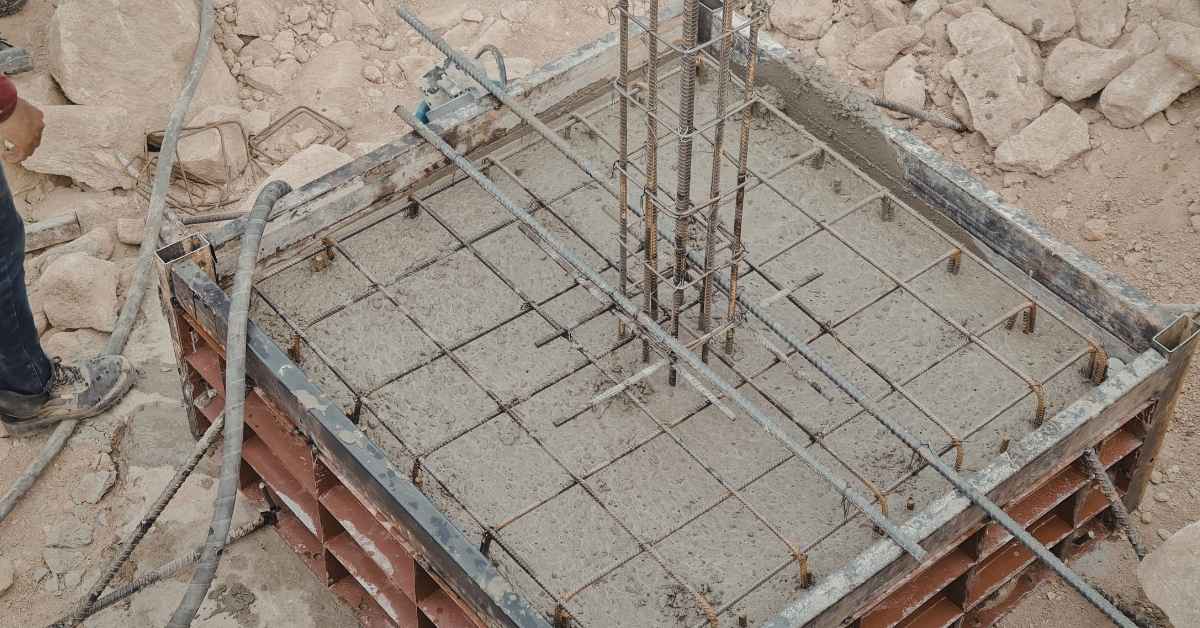
Corrosion in reinforcing steel mainly happens due to moisture and oxygen, which trigger electrochemical reactions. Typically, rebar in concrete is shielded by a passivating oxide layer formed in an alkaline environment. If this protective layer is compromised, corrosion can start.
Several factors contribute to the breakdown of this protective layer:.
- Chloride Ion Penetration: Chlorides from de-icing salts or seawater can penetrate concrete, breaking down the passive layer and causing localized corrosion.
- Carbonation: Carbon dioxide from the atmosphere can diffuse into concrete, lowering its pH and weakening the protective oxide layer on the rebar.
- Moisture Content: High moisture levels speed up corrosion by providing an electrolyte for electrochemical reactions.
To manage and mitigate corrosion, consider these proactive measures:.
- Regular Inspections: Conduct periodic evaluations for signs of cracking or spalling in concrete, indicating corrosion activity.
- Environmental Assessments: Monitor exposure conditions, such as humidity and chloride levels, to identify potential corrosion risks.
- Protective Coatings: Apply coatings or corrosion inhibitors to rebar before placement to enhance resistance against environmental factors.
- Quality Control: Ensure a proper concrete mix design with low permeability to limit moisture ingress, typically with a water-cement ratio of 0.4 or less.
- Regular Monitoring: Use non-destructive testing methods, like ultrasonic testing or half-cell potential measurements, to assess rebar condition and detect early corrosion signs.
- Drainage Solutions: Establish effective drainage systems around structures to prevent water accumulation, reducing corrosion risks.
- Environmental Control: Use measures like windbreaks or vegetation to lessen the impact of saline air in coastal areas.
Once corrosion starts, rust forms, which takes up more space than the original steel, creating internal pressures that can crack the surrounding concrete. This expansion further exposes rebar to moisture and oxygen, continuing the corrosion cycle.
These processes highlight the importance of proper concrete cover and using corrosion-resistant materials to enhance the durability of reinforcing steel in construction projects.
Implementing these strategies during both design and maintenance phases can significantly improve the longevity of reinforcing steel, with many structures expected to last 50 years or. more with proper care.. Corrosion rates vary based on environmental conditions, typically ranging from 0.1 to 1.0 mm per year in moderate climates, while severe environments may see rates exceeding.
2.0 mm per year.. Regular monitoring and maintenance can mitigate these effects and extend the lifespan of reinforcing steel.
Applications and Scenarios Involving Rebar
This section explores various applications and scenarios where rebar is used, highlighting instances where rust may not pose a significant threat. Understanding these contexts helps in making informed decisions about using and maintaining rebar in construction projects.
Rebar is utilized in numerous construction applications, from residential buildings to large infrastructure projects. Here are some key scenarios:.
- Concrete Foundations: In residential and commercial foundations, rebar provides tensile strength. In environments with minimal moisture exposure, rust may not significantly affect structural integrity.
- Bridges: Rebar is essential in bridge construction. Some bridges use protective coatings or corrosion-resistant materials to limit rust, ensuring longevity even in harsh weather conditions.
- Highway and Road Construction: Reinforced concrete in roadways often includes rebar. In areas with low salinity and controlled drainage, the risk of corrosion is reduced, making rust less of a concern.
- Marine Structures: While marine environments are harsh on metals, epoxy-coated or stainless steel rebar can mitigate rust issues, allowing effective use in docks and piers.
- Precast Concrete Products: In precast applications, rebar is often treated or coated to prevent rust. These products are manufactured in controlled environments, reducing moisture exposure.
- Environmental Assessments: Conduct thorough evaluations of the surrounding environment to identify potential corrosion risks, particularly in coastal or industrial areas.
- Concrete Cover Specifications: Ensure the concrete cover over rebar meets recommended thicknesses, typically ranging from 1.5 to 3 inches, depending on exposure conditions.
- Regular Inspections: Implement routine checks for signs of corrosion or structural weakness, especially in older structures or those exposed to harsh weather.
- Use of Corrosion Inhibitors: Incorporate chemical inhibitors in the concrete mix to help reduce the rate of corrosion in rebar over time.
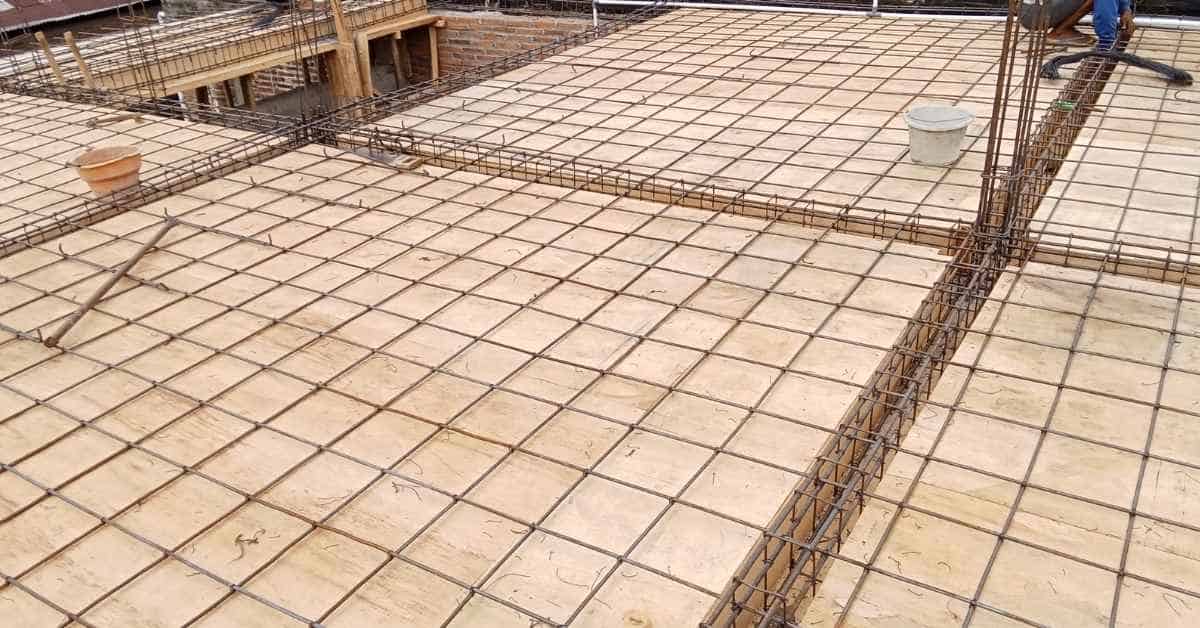
- Load-Bearing Walls: In load-bearing walls, rebar is placed strategically to improve strength. Proper alignment and spacing help distribute loads evenly, reducing failure risk due to rust.
- Retaining Structures: Rebar is integral in retaining walls, especially in areas with significant soil pressure. Adequate drainage design minimizes rust-related issues.
- Infrastructure Rehabilitation: In renovation projects, replacing or reinforcing existing rebar with newer materials can extend the lifespan of older structures, particularly those showing corrosion signs.
- Thermal Expansion Considerations: Addressing thermal expansion in rebar placement can prevent cracking. This is crucial for structures subjected to varying temperatures, ensuring rust does not compromise structural integrity.
In addition to these applications, specific design and engineering considerations can influence how rebar performs over time. Factors such as concrete cover, environmental exposure, and the type of concrete mix all play a role in the overall durability of rebar in various scenarios.
Moreover, the following considerations can enhance the effectiveness and longevity of rebar in various applications. Typically, rebar is used in concrete applications with a service life expectancy of 50 years or more when properly maintained and protected from adverse conditions. Understanding the context and environment significantly enhances the performance and reliability of rebar in construction projects.
Regular maintenance practices, such as sealing joints and applying protective coatings, can significantly extend the life of rebar in construction. These measures can typically increase the durability of rebar by an additional 10 to 20 years, depending on environmental conditions and usage.
Common Myths Surrounding Rebar Rust
Myth 1: All Rust is Detrimental to Rebar
Many think any rust on rebar is harmful and signals structural failure. In truth, a little rust can act as a protective layer, stopping further corrosion. This is called passivation.
Myth 2: Rusting Only Occurs in Poorly Maintained Structures
It’s often thought that rebar rusts only in neglected structures. However, even well-kept structures can rust due to factors like moisture, temperature changes, and salt exposure.
Myth 3: Rust Cannot Be Managed
Some assume rust can’t be controlled once it starts. In reality, rust can be managed with protective coatings, corrosion inhibitors, and regular inspections to check the rebar’s condition.
Myth 4: All Types of Rust are the Same
Rust varies. Types like red rust (iron oxide) and white rust (zinc oxide) affect rebar differently. Knowing the rust type helps decide the right treatment strategy.
Myth 5: Rust is Always a Sign of Structural Weakness
While heavy rust can cause structural problems, minor rust doesn’t mean the structure is compromised. Regular checks and maintenance can stop minor rust from becoming a big issue.
Myth 6: Rusting is Irreversible
People often worry that rust damage is permanent. However, rust can be treated, especially if caught early. Techniques like sandblasting, grinding, or using rust converters can restore rebar integrity.
Myth 7: Rust Affects All Rebar Equally
Not all rebar rusts at the same rate. Environmental conditions, concrete cover type, and protective coatings greatly affect rust development.
Effective Strategies for Managing Rust:
- Conduct regular inspections to identify signs of rust early.
- Apply protective coatings, which can reduce moisture exposure.
- Utilize corrosion inhibitors during the mixing process of concrete.
- Ensure proper drainage around structures to minimize water accumulation.
Typically, inspect rebar every 5 to 10 years, depending on environmental exposure. A proactive approach helps manage rust and extends the life of reinforced structures.
Important Factors to Consider Regarding Rebar Integrity
Understanding rebar integrity is crucial for the longevity and safety of concrete structures. Various factors affect rebar integrity beyond rust, and recognizing these helps in making informed material and construction decisions.
The environment where rebar is placed is key. High humidity, seawater exposure, and de-icing salts accelerate corrosion. In contrast, rebar in dry, stable conditions may rust minimally over time.
Consider the quality of the concrete cover. Adequate cover protects rebar from moisture and corrosive agents. Standard cover thickness varies by environment and structural needs, but a thicker cover generally enhances durability.
Using corrosion-resistant coatings or galvanized rebar can significantly extend the lifespan of reinforcing steel. These measures are especially beneficial in harsh environments where traditional rebar may fail early.
Regular inspections and maintenance are vital for preserving rebar integrity. Early detection of corrosion or damage allows for timely repairs, extending the structure’s life. Routine assessments help identify potential issues before they escalate.
- Environmental Monitoring: Regularly assess conditions around the rebar, such as humidity and exposure to corrosive elements. Aim to keep humidity below 70% to minimize corrosion risks.
- Concrete Quality: Ensure the concrete mix has low permeability, typically with a water-to-cement ratio of less than 0.45, to enhance durability and protect the rebar.
- Protective Measures: Consider using cathodic protection systems in extreme environments for an additional layer of defense against corrosion.
- Inspection Frequency: Schedule inspections at least annually for structures in moderate environments and semi-annually for those in aggressive conditions to monitor rebar condition effectively.
Recognizing that rebar integrity significantly influences a concrete structure’s performance is essential. Employing preventive measures and adhering to best practices typically extends the lifespan of rebar and the structures they support.
By prioritizing these factors and maintaining vigilance through inspection and maintenance, the risks associated with rebar corrosion can be substantially mitigated, ensuring safer and more durable. constructions..
Quick Facts
Time: Typically inspected at least annually for moderate environments and semi-annually for aggressive conditions.
Pitfalls: Neglecting regular inspections can lead to unnoticed corrosion and structural failure.
Best Practices: Use corrosion-resistant coatings and ensure adequate concrete cover to enhance rebar durability.
Conclusion
In conclusion, understanding the fundamental principles of rebar corrosion is essential for ensuring the longevity and structural integrity of concrete structures. By recognizing the roles of moisture, pH levels, and chloride ions, effective strategies can be implemented to mitigate risks.
Key actions include using corrosion-resistant materials, ensuring adequate cover depth, and conducting regular inspections to identify early signs of corrosion. However, challenges such as environmental exposure and the presence of aggressive ions can complicate prevention efforts.
To combat these challenges, it’s crucial to monitor environmental conditions and apply protective measures like coatings and inhibitors. This proactive approach can greatly enhance the durability of rebar in harsh settings.
For anyone involved in construction or DIY projects, staying informed about rebar corrosion and its terminology is vital. Take action today by evaluating your current materials and practices to improve corrosion resistance in your structures.
FAQ
What causes rebar corrosion?Rebar corrosion is primarily caused by exposure to moisture and oxygen, leading to electrochemical reactions that form rust. Factors such as chloride ion penetration from de-icing salts or seawater can further accelerate this process by compromising protective layers.
How can rebar corrosion be prevented?Preventive measures include using corrosion-resistant materials, applying protective coatings, and ensuring proper drainage around structures. Regular inspections and environmental assessments can also help identify and mitigate corrosion risks early on.
What role does pH play in rebar corrosion?The pH level of the environment significantly affects rebar corrosion rates. Alkaline conditions, such as those found in concrete, help form protective oxide layers, while acidic environments can accelerate corrosion, leading to more rapid deterioration of the. rebar..
Why is understanding rebar corrosion important?Understanding rebar corrosion is crucial for maintaining the structural integrity and longevity of concrete structures. By recognizing the factors that contribute to corrosion, construction professionals can make informed decisions about materials and protective measures.