
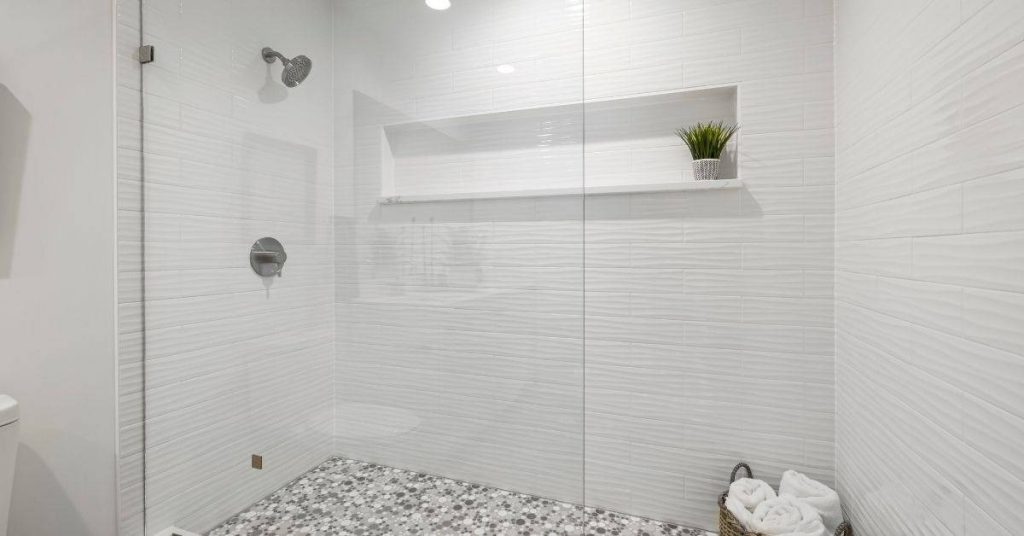
Introduction
Tadelakt on shower niches is applying a polished lime-plaster finish to the niche with well-planned edge details to keep water from leaking into transitions. This is a hands-on DIY job, so you’ll be shaping and sealing the edges as you plaster and tile. Focus on edge trim profiles and how they meet the wall or tile surfaces to control water flow.
Think about the tile edge profiles you will use and how the plaster, tile, and niche meet. Consider tile type, thickness, and the look you want, and check the manufacturer instructions for suitable edge pieces. When installing, work cleanly, seal joints, and back up with proper waterproofing in the niche, following local rules and product labels.
Key takeaways
- Choose edge trim profiles that match tile thickness and rounded shower niche edges.
- Use appropriate tile edge profiles to protect corners from moisture invasion.
- Plan waterproof transitions with compatible membranes, smooth substrate, and Tadelakt prep.
- Confirm tile type, thickness, and grout line to guide profile choice.
- Follow installation steps strictly; test water exposure and maintain with follow-up.
- Safety: wear waterproof gloves and eye protection when sealing, cleaning, and scrubbing.
Table of Contents
- Introduction
- Key takeaways
- Why Edge Details Matter in Wet Areas
- Understanding Tadelakt and Its Suitability for Shower Niches
- Edge Design Principles for Waterproof Transitions
- Materials, Profiles, and Membranes—What Pairs with Tadelakt
- Step-by-Step Workflow: Installing Tadelakt in a Shower Niche
- Edge-Detail Techniques That Keep Water Out of Transitions
- Common Mistakes, Testing, and Maintenance
- Costs, Safety, and Code Considerations
- Conclusion
- FAQ
Why Edge Details Matter in Wet Areas
Edge details at niches, pan joints, and wall transitions determine how water moves around a shower. Small decisions here carry big consequences for long term watertightness. The way you finish edges can make the difference between a dry niche and ongoing moisture intrusion that invites mold and finish degradation.
Common failure modes start at the edge: capillary wicking, punctured membranes, debonding, chipped tile edges, and trapped moisture that becomes a source of mold. These are not just cosmetic issues; they are indicators of how water finds its way past protective layers. Treat edge detailing as part of the waterproofing strategy and you reduce the risk of leaks through the transition zones. Choose edge profiles that suit the system you’re using, whether flush or trim, and verify compatibility with membranes, slurries, and sealants before you proceed.
Risks at transitions
Transitions in showers, like niche edges and pan-to-wall joints, are where water breaches happen most. Small gaps let water seep through, causing big problems.
Water can wick up walls, puncture membranes, or chip tile edges. Standing water breeds mold. It all starts at these tiny points of failure.
Preventing leaks here means protecting your structure and preserving your finish for years to come.
Goals for watertight transitions with tadelakt
Tadelakt niches need continuous waterproofing, from the base up. That means no gaps, proper slope, and a durable polish.
Water should drain or slope away, not pool. A solid, smooth finish resists moisture and makes cleaning easy.
Achieving this keeps your niche watertight, looking great, and low-maintenance.
Understanding Tadelakt and Its Suitability for Shower Niches
Keep in mind that tadelakt is lime plaster finished with a soap sealant, offering breathability and water resistance when properly finished. It behaves differently from ceramic tile or metal trims, especially at transitions and edges. Understanding its properties helps you set realistic expectations for a shower niche.
The typical workflow hinges on substrate prep, base coats, a flexible topcoat, smoothing, curing, and the final water-repellent soap sealant. Maintenance implications matter, since the finish responds to moisture, cleaning, and regular resealing. Evaluate acceptable backers and movement, as lime finishes tolerate some flex but need proper curing and ventilation to avoid cracking or edge delamination that undermines the niche transition.
Key properties of tadelakt
Tadelakt is a lime plaster finish, made from natural materials like hydraulic lime and aggregates. It’s breathable, allowing moisture to evaporate while keeping water out when properly finished.
Breathability makes it ideal for wet areas like shower niches. Its lime-based chemistry gives it flexibility and resistance to cracking. The final polishing process creates a hydrophobic surface that repels water, but it requires regular soap sealing to maintain this property.
Unlike ceramic tiles or metal trims, tadelakt has no grout lines to harbor mold or mildew. However, it’s not as hard as tile, so it needs careful handling and maintenance.
When to choose tadelakt for a niche (and when not to)
Tadelakt is perfect for shower niches in well-ventilated areas with normal water exposure. It’s great for creating seamless, monolithic looks.
Ideal situations include:
- Niches in standard showers with good ventilation.
- Where a smooth, continuous surface is desired.
- When you’re comfortable with regular maintenance (soap sealing).
Caution: Avoid tadelakt in heavy-duty wet rooms or areas with poor substrate quality. It’s not suitable for high-impact zones, like niches that will bear heavy loads from shampoo bottles or other items.
Edge Design Principles for Waterproof Transitions
Outline the core edge design principles that prevent water ingress at transitions in lime plaster contexts. Focus on continuous waterproofing, avoiding horizontal ledges, and designing with proper slope and micro-fillets. These basics support a durable Tadelakt edge.
Carry waterproofing up and over edge transitions, discourage shelves or flats that trap water, and consider radii or fillets at joints to direct moisture toward the drain. Plan for movement and crack control with joints that won’t compromise the waterproof envelope. Tie the rules to lime plaster by choosing compatible trims and sealants and by thinking about maintenance from the start.
Slope, drainage, and avoiding water traps
Avoiding water traps is crucial to prevent leaks. Slight slopes and rounded transitions help direct water away from seams.
- No horizontal ledges: These trap water. Use flush or sloped transitions instead.
- Minimum slope: Ensure a 2-3% slope away from the niche to encourage water flow.
- Rounded fillets: Use radii at joints to direct water and prevent pooling.
- Avoid sharp corners: Sharp angles can trap water. Opt for integrated curves where possible.
Remember, even slight slopes and smooth transitions make a big difference in preventing water buildup.
Continuity of the waterproofing layer
The key to a watertight niche is continuous waterproofing. This means your membrane or coating must extend from the niche, around corners, and up onto adjacent surfaces.
Overlap: Ensure the waterproofing material overlaps at niches, corners, and edge junctures by at least 2 inches to prevent leaks.
Carry the waterproofing up and over any edge transitions. This ensures water is directed away from seams and prevents it from finding a way in.
Allowing for movement and preventing cracks
Cracks can compromise your waterproofing. Here’s how to prevent them:
Movement joints: Incorporate expansion joints in the substrate to accommodate thermal and settlement movements.
Use flexible, tolerant substrates that can absorb minor movement without cracking. This is especially important with lime plaster systems like Tadelakt.
Soft transitions: Use flexible sealants at joints and edges to allow for slight movement without breaking the waterproof envelope.
Materials, Profiles, and Membranes—What Pairs with Tadelakt
Compare trim options such as metal, PVC, and no-visible-trim for niches, focusing on shedding water, cleaning ease, and how they visually integrate with tadelakt. Each profile influences how water flows at the lips and corners. Your choice should match the overall shower design and maintenance plan.
Map compatible waterproofing systems and consider how lime finishes interact with those systems. Look for corrosion resistance, joint compatibility, and edge detailing that won’t trap moisture. Check surface prep, substrate movement joints, and any required sealants to keep transitions tight over time.
Trim profile options and trade-offs
Choosing the right trim for your tadelakt shower niche is crucial. Here are three common options:
Aluminum/Stainless Steel: Durable, corrosion-resistant, and easy to clean. They integrate well with tadelakt’s natural look. However, they can be more expensive and may show screws if not properly finished.
PVC: Inexpensive, lightweight, and easy to install. PVC trims won’t corrode but may discolor over time in high-heat or UV-exposed areas. They also have a less luxurious feel compared to metal trims.
Tile-Edge-Free (No-Visible-Trim): This approach involves mitering tiles at the niche edges, creating a seamless look with tadelakt. It’s labor-intensive but offers a sleek aesthetic. Without proper installation, water can infiltrate behind the tile edge.
Waterproof membranes and substrate prep
Before applying tadelakt, you’ll need to install a compatible waterproof membrane. Here are two common types:
Fluid-Applied Membranes: These liquid-applied systems create a seamless barrier. They require a primed, smooth substrate for good adhesion. Apply them with a notched trowel or sprayer, following the manufacturer’s guidelines.
Sheet Membranes: Made from PVC or other materials, these come in rolls and are adhered to the substrate using special adhesives. They’re quick to install but may require additional seam taping for complete waterproofing.
Regardless of membrane type, ensure your substrate is clean, dry, and free of contaminants before application. Tadelakt won’t stick well to dirty or damp surfaces, compromising the waterproof barrier.
Sealants and flexible joint materials
The right sealant and flexible joint material can mean the difference between a watertight niche and one that leaks. Here are some options:
- Neutral-Cure Silicone: This is often the best choice for tadelakt niches. It remains flexible, doesn’t stain, and adheres well to both lime plaster and trims. Look for 100% silicone, low-modulus products with good movement accommodation.
- Urethane Sealants: These offer excellent flexibility and adhesion but can be more expensive than silicones. Ensure they’re compatible with tadelakt and won’t stain or discolor over time.
- Polyurethane Joint Compounds: Used in expansion joints, these remain flexible and resist cracking. They should be compatible with both tadelakt and your chosen trim material.
- Avoid Latex Caulks: These can stain lime plaster, delaminate over time, and may not provide adequate waterproofing in wet areas.
Step-by-Step Workflow: Installing Tadelakt in a Shower Niche
Lay out a clear sequence from substrate prep through final sealing, with defined stage boundaries such as prep, waterproofing, base coats, tadelakt layers, polishing, and sealing. Keep the workflow focused on the niche and transitions so the finish remains continuous. Use this roadmap to organize your shop time and materials.
At each stage, perform quality checks like flatness, adhesion, waterproofing integrity, and evenness of the tadelakt application. Pay extra attention to neat transitions at jambs and shelf edges and avoid traps that hold moisture. Use this checklist to catch issues before moving forward and plan for any necessary repairs if the board shows signs of trouble.
Step-by-Step Installation Process
This section guides you through the practical steps of installing tadelakt in a shower niche, from preparation to final checks.
- Preparation: Inspect and clean the substrate. Ensure it’s flat and has straight edges. Safety first – wear gloves, goggles, and a dust mask.
- Waterproofing: Apply the waterproof membrane according to manufacturer’s instructions. Ensure laps are tight and terminations are neat at jambs, corners, and shelf edges.
- Base Coat: Mix and apply the base coat (mortar/scratch coat) using a trowel. Aim for an even thickness of 3-4mm. Let it cure for 24 hours.
- Tadelakt Layers: Apply the first tadelakt layer, then wait 15 minutes before applying the second. Use a float to ensure an even application. Timing is crucial here – too fast and it won’t set properly; too slow and it’ll dry out.
- Polishing: Once fully cured (after 7-14 days), polish the surface using a burnisher. Work in small sections, applying even pressure. This induces hydrophobicity, making the surface water-repellent.
- Final Sealing: Apply a natural oil or sealer to protect and enhance the finish. Follow manufacturer’s instructions for application and drying times.
- Cleanup: Remove any debris or dust from the niche using a damp cloth. Let it dry before use.
- Post-Installation Test: Perform a simple water test, checking for leaks or moisture behind the tadelakt. If any issues arise, rework is necessary to maintain the waterproof system.
Tools and materials checklist
Use this checklist before starting your tadelakt niche project to ensure you have everything needed.
- Trowels: 6mm, 12mm, and 18mm for various stages of application. Inspect for straight edges and no nicks.
- Float: A large, flat trowel for evening out the tadelakt layers. Ensure it’s clean and undamaged.
- Burnisher: A smooth, hard tool for polishing the final tadelakt layer. Check for any nicks or rough edges.
- Waterproof membrane: Choose one suitable for tadelakt. Inspect for damage before application.
- Curing agent: To enhance the water-repellent properties of tadelakt. Ensure it’s compatible with your chosen lime plaster.
- Safety gear: Gloves, goggles, and a dust mask to protect against lime and dust during application.
- Natural oil or sealer: For final protection and enhancement of the tadelakt finish. Check compatibility with your chosen lime plaster.
- Mixing bucket: A large, clean bucket for mixing your base coat and tadelakt layers.
- Measuring tools: Tape measure, spirit level, and straight edge to ensure accurate application and neat transitions.
Quick rule: Always check your tools and materials before starting. Damaged or incompatible items can lead to poor results or even project failure.
Prep, waterproofing, and flashing details
Proper preparation and waterproofing are crucial for a successful tadelakt niche installation. Here’s how to do it right.
First, prep the substrate: Inspect for defects, ensure it’s flat and clean, and apply a primer if necessary. Then, apply the waterproof membrane. Ensure laps are tight – no gaps or overlaps. Terminate the membrane neatly at jambs, corners, and shelf edges to prevent water from seeping behind.
Next, flash corners and niche bottoms: Use tadelakt-specific corner profiles for a neat, continuous barrier. At the niche bottom (bottle-sill/ledge), ensure the membrane is flashed up and over, with no gaps. This prevents water from pooling and causing leaks.
Quick tip: Always follow manufacturer’s instructions for membranes and flashing materials. Incompatible products can compromise the waterproof system.
Applying, curing, and polishing tadelakt
The application of tadelakt involves multiple coats and careful timing. Here’s how to achieve a perfect finish.
First, mix your lime plaster according to the recipe (usually 1 part lime putty to 2-3 parts sand). Apply the first coat using a 6mm trowel, working in small sections. Wait 15 minutes before applying the second coat with an 18mm trowel. Timing is crucial here – too fast and it won’t set properly; too slow and it’ll dry out.
After application, allow the tadelakt to cure for 7-14 days in ideal conditions (50-60°F/10-15°C and 50% humidity). Once cured, polish the surface using a burnisher. Work in small sections, applying even pressure. This induces hydrophobicity, making the surface water-repellent.
Finally, apply a natural oil or sealer to protect and enhance the finish. Follow manufacturer’s instructions for application and drying times. Note: Tadelakt is a natural product and may darken slightly over time due to oxidation. This is normal and part of its character.
Edge-Detail Techniques That Keep Water Out of Transitions
Think in concrete terms about techniques such as rounded internal corners, coving fillets, recessed niches, and mechanical anchoring, each chosen for a specific water-management purpose. These methods help redirect and control moisture at transitions. They also interact with the waterproofing layer, so plan accordingly.
For execution, provide step-by-step actions, required tools, and material choices for each technique, plus tolerances and milestones to verify a seamless edge. Include substrate prep and fastening guidance to maintain integrity under flex and vibration. Consider how edge profiles affect the Tadelakt finish, ease of cleaning, and long-term maintenance so you stay practical and durable.
Rounded corners, coves, and fillets
Sharp corners trap water. Rounded internal corners, coving fillets, and convex shapes shed water away from seams.
Fillets: Use a small radius trowel to create a smooth curve at inside corners. This prevents water from pooling and wicking into joints.
Coves: Similar to fillets, coving creates a convex shape that encourages water to run off rather than sit in the corner.
Recessed reveals and drip control
Micro-reveals and shallow recesses help manage surface water at vertical transitions. They create a small gap that allows water to drip off rather than wicking into the joint.
Drip edges: A slight recess or overhang at the top of a wall creates a drip point, encouraging water to fall away from the joint below.
Integrate these details with your waterproofing layer. Membranes should extend up and over recesses, and sealants should be applied carefully to maintain the recess’s integrity.
Anchoring and backing for clean edges
Mechanical anchoring and backing supports help maintain edge geometry and prevent localized stress. This is crucial for a seamless, watertight finish.
Backing supports: Use metal or plastic edging to support the Tadelakt at vulnerable corners and edges. Secure with screws or adhesive as needed.
Lath or edge beads: For complex shapes or where additional support is required, use lath or edge beads to maintain the desired profile. Ensure they are securely anchored to prevent movement.
Always consider allowable movement joints to accommodate flex and vibration. This helps prevent cracks over time.
Common Mistakes, Testing, and Maintenance
Identify installer pitfalls that frequently occur with Tadelakt in niches, such as poor substrate prep or moisture traps near transitions. These signs point to bigger issues down the line if not addressed. Use early detection to guide repairs and preserve the waterproof envelope.
Describe practical water-testing methods and visual checkpoints that you can perform during and after installation. Maintain a routine for sealing or wax, and document issues to track progress. When failures show up, follow a structured troubleshooting flow that isolates the cause and guides safe repairs without compromising the system.
Typical installation errors and fixes
To ensure a watertight Tadelakt shower niche, avoid these common installer pitfalls.
- Inadequate membrane laps: Overlapping waterproof membranes by at least 2 inches. Insufficient overlap can lead to leaks.
- Sharp internal corners: Use fillets or coves at inside corners to direct water outwards, preventing pooling and potential leaks.
- Insufficient curing: Allow Tadelakt to cure for the recommended time (usually 28 days) before exposing it to water. Inadequate curing can cause soft spots and reduced durability.
- Improper niche lips and corners: Ensure niche lips are well-rounded or beveled to direct water outwards, preventing leaks at transitions.
Addressing these issues during installation will save you from costly repairs down the line.
Visual checkpoints and leak testing
Regularly inspect your Tadelakt shower niche to maintain its watertight integrity. Use this checklist before, during, and after installation.
- Pre-finish water ponding: Apply water to the surface and observe for any absorption or pooling, indicating potential issues.
- Visual inspection (pre-polish): Check for voids, pinholes, or other defects in the Tadelakt surface that could lead to leaks.
- Visual inspection (post-polish): Inspect polished surfaces for any microcracks or areas where the sealant may have been compromised.
- Leak checks around jambs and niches: Apply water along edges and observe for any signs of leakage. Use a colloidal dye spray to help identify problem areas.
Quick rule: Regular visual inspections and leak testing are crucial to catch potential issues early, preventing costly repairs and maintaining your niche’s watertightness.
Ongoing maintenance and repair tips
Maintaining your Tadelakt shower niche involves regular cleaning, re-oiling, and addressing minor damage promptly. Here’s how:
Cleaning: Gently clean the surface with a soft cloth and mild soap to avoid abrading the lime-based finish. Rinse thoroughly and dry.
Re-oiling/resealing schedule: Every 6-12 months, apply a new layer of Tadelakt oil or wax to maintain the seal and protect the surface. This will depend on usage and local humidity levels.
Spot repairs for cracks: If you notice minor cracking, address it promptly by reapplying Tadelakt to the affected area, following the original installation process. Regular maintenance will help prevent small issues from becoming major problems.
Costs, Safety, and Code Considerations
Explain the cost drivers for tadelakt niches, including substrate prep quality, waterproofing compatibility, skilled lime plaster labor, finishing, curing, and contingencies. Encourage readers to obtain detailed breakdowns from contractors rather than relying on fixed prices. That helps you compare apples to apples in scope and quality.
Cover safety, planning, and regulatory checks to keep installations compliant. Address dust control, PPE, ventilation, fall protection, and how to minimize exposure to lime dust. Review local wet-area codes, required membranes, permits, and inspection milestones, along with manufacturer instructions and standards to follow for a trustworthy install.
What affects cost and how to plan
The cost of installing tadelakt niches depends on several factors. First, the complexity of your niche geometry—more intricate designs mean more labor.
Waterproofing method also plays a role. Some systems are pricier than others. Make sure you discuss this with your contractor.
Ask for detailed bids. Include substrate prep quality, waterproofing system, skilled labor, finishing, curing, and contingencies. This helps avoid surprises later on.
Safety precautions and PPE
Working with lime-based plasters like tadelakt requires proper safety measures. Dust control is crucial to prevent inhalation.
Wear appropriate PPE. This includes a respirator, gloves, and protective clothing. Ventilation in damp spaces is also vital to keep air quality good.
Fall protection and scaffold setup are essential for working at heights. Follow OSHA guidelines for this.
Building codes and standards to verify
Before starting any work, confirm local plumbing and building codes with your local authority having jurisdiction (AHJ). They’ll guide you on wet-area requirements.
Check applicable waterproofing and tile installation standards. These ensure your niche meets industry best practices.
Understand acceptance criteria. This includes water-resistance tests, curing requirements, and any other post-installation checks needed to pass inspection.
Conclusion
Edge details in wet areas aren’t cosmetic extra stuff—they control water paths, protect the substrate, and keep the finish looking sharp for years. When you get the profiles, membranes, and tadelakt seams right, you build a durable, low-maintenance niche that survives daily use and cleaning.
Plan like this: confirm substrate and membrane compatibility, decide on edge profiles and sealants, install backing, membranes, and profiles in the correct order, apply the finish in proper stages, test water tightness at each stage, then cure and maintain with a simple schedule. Keep the workflow linear and don’t skip testing; small leaks now become big repairs later, and quick fixes are no substitute for a real water barrier.
Common mistakes to avoid are skipping a proper membrane at transitions, mixing incompatible materials, or rushing the waterproofing tests. Don’t skip safety steps: wear eye protection and gloves, follow curing times, and test in a small area before you scale up. If you’re unsure about substrate compatibility, code requirements, or the right edge detail for your niche, call in a pro before you push ahead.
When in doubt, or if the niche is large, complex, or close to plumbing, get a professional opinion to verify the waterproofing plan and tolerances. The payoff is a durable, leak-free niche that stands up to daily use and still looks good years from now.
FAQ
What edge trim profiles work best with Tadelakt in a shower niche?
The edge trim should protect the waterproof transition and give a clean finish. Metal and ceramic profiles are common, but pick one that matches your tile and membrane setup. Always check the manufacturer’s guidance for compatibility with Tadelakt and plaster surfaces.
Which tile edge profiles should I consider, and how do they affect waterproofing?
Tile edge profiles come in various shapes and materials. Straight bullnose, pencil, or chamfered edges each behave differently at the corner and joint. Verify that the profile you choose leaves a flat, sealable surface for the membrane and Tadelakt layering, per product instructions.
What factors should I consider when selecting an edge profile (tile type, thickness, aesthetics)?
Align the profile with tile thickness and edge finish to avoid gaps. Thicker tiles may require deeper profiles; thin mosaics might need a hidden lip. For aesthetics, ensure the profile color and profile radius won’t clash with the final look of the niche.
What installation tips help protect transitions when using Tadelakt?
Secure a stable backing and follow the profile manufacturer’s installation method. Install the profile first, then build up the waterproofing layers and Tadelakt over it if allowed. Do not skip surface preparation; a rough, clean surface helps the finish grip and seal properly.
How should I approach maintenance and future repairs around edge profiles?
Keep edges dry and inspect for chips or loose trim at least periodically. If you spot damage, follow the product labels for repair steps or replace the profile if needed. Use only compatible products around the Tadelakt to avoid chemical reactions.