
Introduction
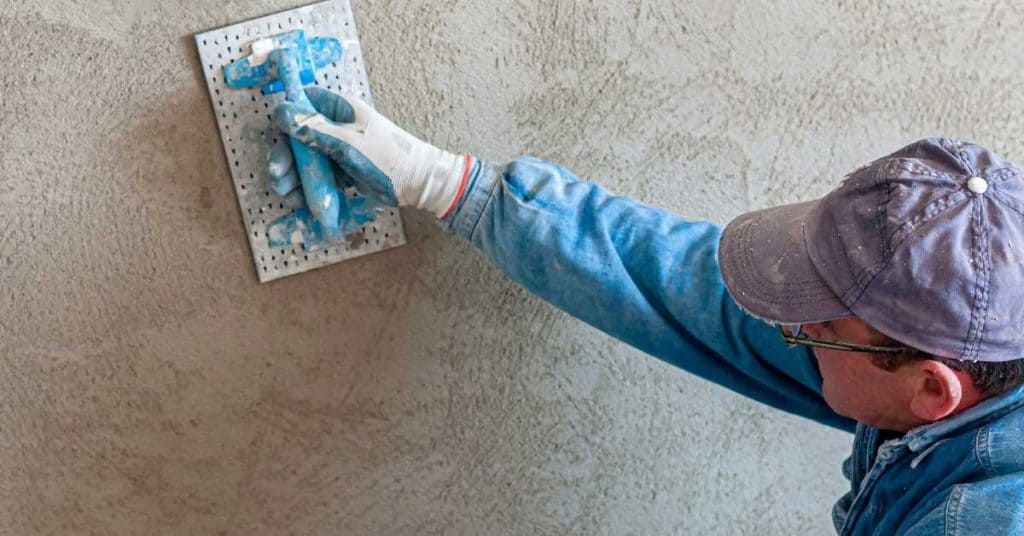
Sand float, dash, and skip trowel are stucco textures that help hide repairs. They each use different hand angles and apply techniques to create patterns that blend in with the existing wall. You’ll pick based on the surface and how rough you want the finish, and you should check product labels or manufacturer guidance for any limits.
Start by prepping the surface, applying a base coat if needed, and testing a small area. Practice on a scrap board or inconspicuous spot to learn the rhythm of the trowel and the pressure that creates the texture. If in doubt, consult the product instructions and adjust your method to match the existing texture.
Key takeaways
- Assess substrate for cracks and moisture before selecting a repair-hiding stucco texture.
- Prepare proper surface gentle cleaning, bevel edges, and allow curing between steps.
- Sand float, dash, and skip trowel require compatible joint compound or base coat.
- Practice texture seams on a scrap panel to match existing patterns.
- Keep weather and curing conditions in mind to avoid cracking or delamination.
- Wear eye protection and a dust mask when mixing and applying materials.
Table of Contents
- Introduction
- Key takeaways
- Why Choose Repair-Hiding Stucco Textures
- How Sand Float, Dash, and Skip Trowel Conceal Repairs
- Substrate and Surface Preparation
- Tools and Materials Checklist
- Step-by-Step Repair Workflows for Each Texture
- Techniques for Matching Existing Texture and Blending Seams
- Color Matching, Finishing, and Painting
- Common Problems, Troubleshooting, and Maintenance
- Conclusion
- FAQ
Why Choose Repair-Hiding Stucco Textures
Repair-hiding textures are chosen when you want patches to blend with the surrounding wall, not stand out. These finishes help minimize eye-catching repairs on visible walls. Use this approach when curb appeal matters and you want a seamless look.
Think about how the texture disguises surface irregularities and repairs rather than creating a brand-new surface. Check manufacturer guidance and local codes to ensure this finish suits your wall and climate. Verify that the texture is compatible with your existing stucco and paint system.
Aesthetic vs. functional priorities
When repairing stucco, it’s crucial to balance aesthetic and functional goals.
Aesthetics is about matching the texture of the surrounding wall to hide repairs. This is especially important for older homes with unique textures or when you want to maintain curb appeal.
Functionality, on the other hand, focuses on weatherproofing and durability. A repair that looks great but doesn’t protect from moisture or wear won’t last long.
Ideally, choose a texture that meets both needs. If you must prioritize one over the other, consider your home’s specific requirements and climate.
When to opt for a texture-based repair
Texture-based repairs are perfect for small patching jobs or spot repairs where you want to blend the patched area with the existing wall.
Here’s when to consider this approach:
- Small Patching: For minor cracks, holes, or chips that don’t affect the structural integrity of the stucco.
- Spot Repairs: To fix isolated damaged areas without disturbing the rest of the wall.
- Cosmetic Fixes: When you want to maintain the existing texture and color scheme, but need to touch up some areas.
However, if the damage is extensive or affects the structure, a full recoat or even remediation might be necessary. Always assess the extent of damage before deciding on a repair method.
How Sand Float, Dash, and Skip Trowel Conceal Repairs
Sand float provides a gentle, mottled surface that can mask small patches and feathered edges. Dash creates a stippled pattern that breaks up uniform reflections from repairs. Skip trowel leaves a light, textured finish with visible striations that blend into the wall’s roughness.
Consider how each texture’s grain and finesse will interact with the surrounding surface. Look at sample boards or test patches and compare with your existing texture. Always confirm application techniques with the product label or manufacturer instructions before starting.
Sand Float Characteristics and Concealment Traits
The sand float texture is a fine, slightly gritty finish that’s great for hiding minor surface irregularities. It diffuses light evenly across the wall, making it tough to spot any small repairs.
Look for these visual cues when matching:
- Fine, even grain
- Slightly textured but smooth overall
- Light reflection is consistent and soft
Dash Texture Characteristics and Concealment Traits
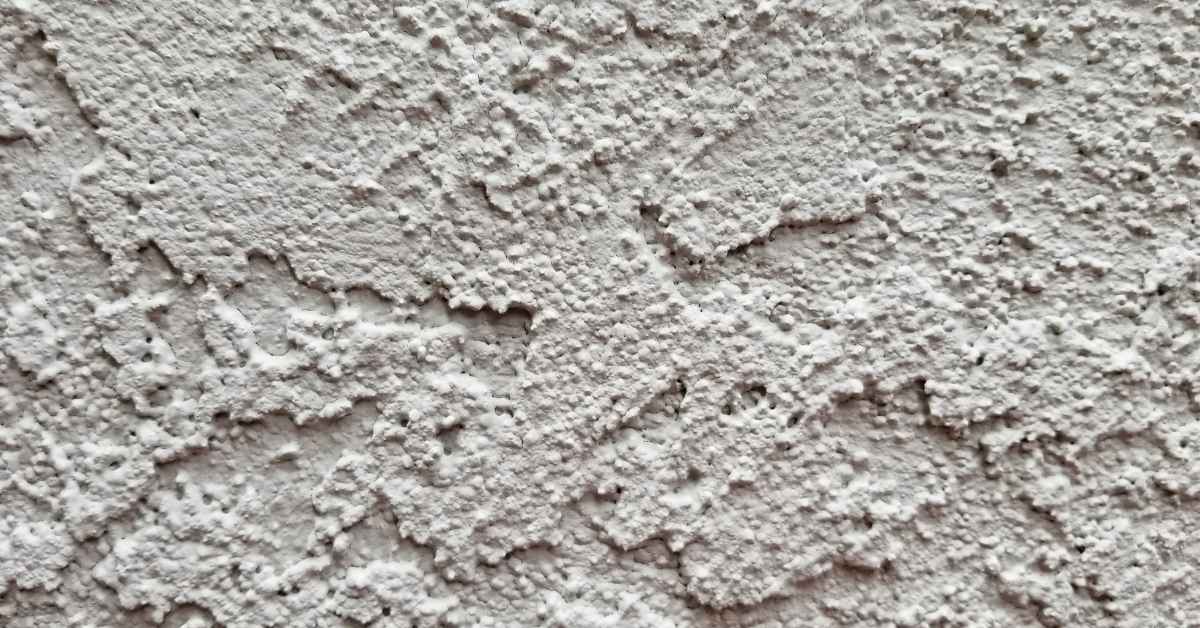
The dash texture features a coarse, thrown aggregate that creates surface relief. This means it’s excellent at hiding patch lines and shallow repairs.
You’ll see:
- Large, visible aggregate pieces
- Rough, textured surface
- Shadows cast by the raised aggregate
Skip Trowel Characteristics and Concealment Traits
The skip trowel technique creates intentional voids and raised ridges in the stucco. This breaks up continuity, making it perfect for disguising larger repair footprints.
Here’s what to look for:
- Visible trowel marks
- Raised and depressed areas
- Irregular pattern across the surface
Substrate and Surface Preparation
Preparation starts with evaluating the substrate for soundness and adhesion. Remove loose material and clean the area so patches bond properly. Proper prep improves how the texture behaves and how well repairs hide.
Plan for repairs by ensuring a stable substrate and compatible patch material. Follow product data sheets for recommended priming or bonding agents. If in doubt, consult the label or a local pro for prep details specific to your wall.
Assessing the existing substrate and damage
The first step to a successful repair is understanding your substrate. Inspect it thoroughly for any structural issues, delamination, or moisture problems.
Structural concerns? If you find any, stop. Consult a professional immediately. Safety first.
Check previous coatings too. Some may not be compatible with your new stucco texture. Remove them if needed.
Repair backing, crack treatment, and fill materials
Material choices make or break your repair’s longevity. Here’s what to consider:
- Backing material: Use a flexible, compatible material like metal lath or fiberglass mesh. It should match the original substrate.
- Crack treatment: For hairline cracks, use an elastic crack primer before patching. Wider cracks need a flexible filler and possibly a reinforcement fabric.
- Patching compounds: Choose one that matches your existing stucco’s composition. Look for compatible ingredients and similar ratings (e.g., Type N or Type S).
- Avoid: Using sand with high clay content. It can cause cracking later on.
- Tip: Always follow product directions and check manufacturer compatibility notes.
Cleaning and adhesion promotion
Proper cleaning ensures your new texture adheres well. Here’s how:
Cleaning: Remove all dirt, dust, and loose material using a wire brush or power washer. Let it dry completely.
For adhesion promotion, use a primer or bonding agent if needed. Check product guidance for suitable surfaces and conditions. Some are designed for specific substrates or moisture levels.
Tip: Don’t skip this step. It’s crucial for a strong bond between your patch and the existing stucco.
Tools and Materials Checklist
Assemble the basics for each texture option: trowels, brushes, and a mixing pail. Include a variety of textures to match the surface and the repair area. Have clean rags and a spray bottle for dampening as needed.
Stock the patch compounds, primer, and finishing coats specified by the product instructions. Gather sand, skim coats, or finish plaster as required for your chosen texture. Always verify tool compatibility with the manufacturer guidelines and local rules before purchasing.
Essential Tools by Texture
Before you start, make sure you have the right tools for each texture. This checklist helps you prepare.
- Sand Float: Trowel (6-12 inch), Straight edge, Sand (fine to medium), Float tool – Practice with this before starting.
- Dash: Trowel (6-10 inch), Straight edge, Dash brush or comb – Experiment with different types to find the right one for your project.
- Skip Trowel: Skip trowel (8-12 inch), Straight edge, Bucket – Practice with this tool to get a feel for it.
Quick rule: Having the right tools makes all the difference in achieving the desired texture.
Material Options and Product Selection
Choose your materials wisely to match your existing stucco. Here’s what to consider.
- Basecoat: Check manufacturer specs for compatibility with your existing finish – Mixing incompatible materials can cause issues.
- Finish Coat: Choose a color and texture that matches your existing stucco – Mismatched repairs stick out like a sore thumb.
- Aggregates: Select aggregates (sand, pebbles) that match or complement your current mix – Wrong aggregates can change the texture drastically.
Quick rule: Always check manufacturer specs and compare with existing materials to ensure compatibility.
Safety, Scaffolding, and Worksite Setup
Safety first! Set up your workspace properly before starting any repairs.
- Safety Gear: Hard hat, safety glasses, gloves – Protect yourself from falling debris and chemicals.
- Access: Stable ladder or scaffolding – Unstable access can lead to falls and injuries.
- Protection: Cover adjacent surfaces with drop cloths – Prevent damage to surrounding areas.
- Local Codes: Check for fall protection requirements – Some areas require safety harnesses at certain heights.
Quick rule: Always prioritize safety. A secure workspace means a successful repair.
Step-by-Step Repair Workflows for Each Texture
Start with preparation, then apply patch material to the repair area. Use the chosen texture technique to build the surface and blend edges. Allow appropriate curing time per product instructions before finishing.
Apply the texture in stages, testing against the surrounding wall as you go. For each method, plan feathering and layering to ease transitions. If you need specifics, consult the product label and manufacturer guidance for your exact mix and tools.
Step-by-Step Repair Process
Follow these clear, numbered steps to achieve a successful repair for your chosen texture. Safety checks, main work, and final touches are all covered.
- Preparation: Check safety, gather tools, and prep the area.
- Assess damage: Evaluate existing substrate and damage as discussed earlier.
- Main repair: Apply backing, treat cracks, and fill materials as per your texture’s needs.
- Surface prep: Clean, prime, and promote adhesion for new material.
- Texturing: Apply the base coat and follow your chosen texture’s specific technique (Sand Float, Dash, or Skip Trowel).
- Blending: Ensure a seamless match with surrounding areas by feathering edges.
- Curing: Allow proper cure time before moving on to finishing touches.
- Finishing: Inspect your work and make any necessary adjustments.
Sand Float Repair Workflow
From surface prep to final inspection, follow this workflow for a seamless Sand Float repair.
Surface Prep: Clean, prime, and promote adhesion. Apply base coat and let it set slightly.
Float Technique: Use a float trowel to apply thin layers of material, working in small sections at a time. Keep the trowel flat on the surface and use smooth, even strokes.
Feathering Edges: Ensure a seamless match by feathering the edges of your repair into the surrounding area using a damp sponge or trowel.
Final Inspection: Allow proper cure time before inspecting your work. Make any necessary adjustments and touch up as needed.