

Introduction
Vertical, diagonal, and stair-step cracks in stucco are signals of movement or stress in the wall rather than just a cosmetic flaw.
These patterns often point to shifts in framing, moisture issues, or settlement and you should check the crack size, location, and whether it keeps opening after weather changes. For a DIY approach, monitor the crack over time, note its direction and width, and consult the product label or local guidelines before choosing any sealant or repair method.
Key takeaways
- Inspect vertical cracks early to distinguish hairlines from structural concerns safely.
- Horizontal cracks often signal movement; check for moisture, shifts, and consult pros.
- Stair-step and diagonal cracks indicate differential movement; document location and timing.
- Ignore UI prompts like ‘Leave a Reply Cancel reply’ when documenting crack observations.
- For repair options, minor cracks: clean, seal, and monitor; avoid over-mixing or over-applications.
- Ensure area dry before repair; protect plants, gutters, and electricals.
Table of Contents
- Introduction
- Key takeaways
- Quick Overview: Why Crack Pattern and Direction Matter
- Vertical Cracks in Stucco — Common Causes and Typical Significance
- Diagonal and Stair-Step Cracks — Why They Raise Concern
- Horizontal Cracks and Other Severe Patterns to Watch for
- Assessing Severity: Size, Growth, Location, and Moisture
- Repair Options for Minor Stucco Cracks — DIY and When to Call a Pro
- Safety, Costs, and Long-Term Planning
- Common Homeowner Mistakes and Next Steps (Inspection Checklist)
- Conclusion
- FAQ
Quick Overview: Why Crack Pattern and Direction Matter
Stucco cracks aren’t all the same, and their direction and pattern tell you a lot about what’s happening behind the scenes. By looking at vertical, diagonal, stair-step, horizontal, and hairline cracks together with their size and where they appear, you can gauge whether the issue is cosmetic or something more serious. Context matters because the same crack in a different location can signal a different problem, from moisture intrusion to structural movement.
Use a simple diagnostic checklist to stay objective: note the crack direction, measure approximate width, map its length, and observe whether it radiates from a point or runs in parallel lines. Compare location relative to doors, windows, grade lines, and roof edges, since those anchors help narrow the cause. Quick triage actions include monitoring changes over time, avoiding forced openings or improper patches, and knowing when to contact a pro for foundation, structural, or moisture-related concerns.
How to Read a Crack Pattern
Reading a crack pattern is like reading tea leaves – it tells you a story about what’s happening under your stucco. Here’s how:
Direction is key. Vertical cracks tell one tale, diagonal another. But it’s not just the direction, it’s also how they connect. Do they run parallel or radiate from a single point? Do they follow joints, edges, or windows?
Take note of consistency too. If multiple cracks form a consistent trend, that’s a clue to the underlying issue.
How Stucco Behaves Differently Than Other Claddings
Stucco is a unique beast. It’s rigid, which means it doesn’t flex like wood or vinyl siding. This makes it susceptible to shrinkage cracks as it dries and hardens.
Stucco also relies on a lath base for support. If that lath moves or fails, your stucco will too. Unlike other claddings, stucco doesn’t just bend with the wind – it cracks.
And remember, stucco doesn’t move uniformly. Different parts of your wall might move at different rates due to temperature changes, moisture, or settlement. This differential movement can cause cracks that other claddings wouldn’t show.
Vertical Cracks in Stucco — Common Causes and Typical Significance
Vertical cracks in stucco are common and often result from non-structural factors like curing, shrinkage, minor settlement, or weather-related movement. These cases typically show hairline gaps or small openings that stay roughly the same size over time. Pattern and context change the meaning, especially when the crack tracks through openings or along a corner where stresses concentrate.
Non-structural causes to recognize include concrete curing or shrinkage, finish-system shrinkage, and localized movement near high-traffic edges. Less common structural movement may show cracks that widen, run through window or door headers, or align with framing shifts. Distinguish by location (above doors, at corners, along perimeters) and by whether a vertical crack remains isolated or continues to extend in a row or from a single source.
Typical non-structural causes
Vertical cracks in stucco aren’t always a sign of serious trouble. Here are some common, non-structural reasons:
Curing and Shrinkage: Stucco goes through a curing process where it loses moisture and hardens. This can cause minor cracking, especially during the first year after application.
Temperature changes also play a role. Hairline cracks may appear due to expansion and contraction with varying temperatures. These are usually harmless and don’t warrant immediate repair.
Control Joints or Seams: Cracks over control joints or seams aren’t cause for concern either. These are designed to allow the stucco to crack naturally in specific places, preventing random cracking elsewhere on the wall.
When vertical cracks could indicate foundation or structural issues
Vertical cracks in your stucco can be a sign of more serious problems. Here’s what to look out for:
If you see multiple aligned vertical cracks that are widening over time, it might not just be a cosmetic issue. These could indicate settlement or movement in the foundation.
Also, if these cracks are accompanied by lateral displacement (meaning they’re not straight up and down) or other structural symptoms like sloping floors or doors sticking, you’ve got a problem that needs professional attention.
Don’t ignore these signs. If you notice any of these red flags, it’s time to call in a structural engineer. They can inspect your home and determine if there are indeed foundation or structural issues at play.
Diagonal and Stair-Step Cracks — Why They Raise Concern
Diagonal and stair-step cracks draw closer inspection because they often mark differential settlement, masonry block movement, or mortar-joint separation, not just surface flaws. They tend to cross joints or follow block edges in a way that vertical hairlines do not, signaling movement rather than drying or shrinkage. The pattern itself helps differentiate cosmetic cracks from those tied to structural stress.
Typical causes to link with these orientations include foundation settlement or heave, shifting masonry blocks, and mortar-joint deterioration. Look for whether the cracks run diagonally, stair-step across multiple courses, or cross joints and openings. Document by noting width, growth, and whether interior signs like sticking doors or bulging walls accompany the exterior cracks.
Common mechanisms for diagonal/stair-step patterns
Diagonal and stair-step cracks often result from differential settlement, where parts of your foundation settle at different rates or times. This can happen due to soil instability, poor compaction, or changes in moisture content.
Shifting block/masonry can also cause these patterns. When blocks move independently, it creates stress concentrations at corners or openings, leading to cracks that follow those lines.
Stress concentration is when forces are focused on specific points, like where walls meet or around windows and doors. This can cause cracks to form diagonally or in stair-step patterns as the stucco tries to accommodate these stresses.
How to tell if a diagonal/stair-step crack is structural
Not all diagonal or stair-step cracks indicate serious structural issues. However, there are warning signs to look out for:
– Offsets along the crack: If the crack changes direction suddenly or has steps in it, this could indicate a more significant problem.
– Progressive widening: Cracks that get wider over time may suggest ongoing movement and potential structural issues. Measure cracks periodically to monitor their growth.
– Cracks that follow mortar joints: If the crack runs along the line where two blocks meet, it could indicate a problem with the mortar or the blocks themselves, which might require professional attention.
Horizontal Cracks and Other Severe Patterns to Watch for
Horizontal cracks and other extensive patterns often point to structural or lateral pressure issues rather than simple finish age. Distinguish these from typical cosmetic cracks by their extent, continuity, and whether they run across walls or around openings. Context matters: horizontal cracks near the foundation or along load-bearing walls are especially concerning.
Likely causes include lateral foundation movement, hydrostatic pressure from moisture, or broader structural failures. Use quick checks like measuring length and width, noting progression, and identifying location such as corners or around openings. When patterns worsen or bulge, escalate to a professional and prepare a clear record with photos and sketches for assessment.
What horizontal cracks usually mean
Horizontal cracks in your stucco are a red flag. They typically point to serious issues like lateral soil pressure pushing on the foundation, wall bowing due to excessive moisture or load-related failure.
Accompanying signs can amplify concern:
- Wider than 1/8 inch (3mm): This could indicate structural problems.
- Cracking around openings: This might suggest settlement issues or wall movement.
- Visible bulging: This often signals advanced distress, requiring immediate attention.
Other dangerous patterns (bulging, extensive delamination)
Bulging stucco, large patches of delaminated material, or long continuous separations are signs of advanced distress. These issues often indicate that your stucco has lost its bond with the substrate beneath it.
Extensive bulging can be a sign of structural failure due to excessive moisture or load. Delamination can lead to further damage and water intrusion if not addressed promptly.
If you notice any of these signs, do not attempt DIY repairs. Instead, follow the assessment steps outlined below and contact a professional immediately.
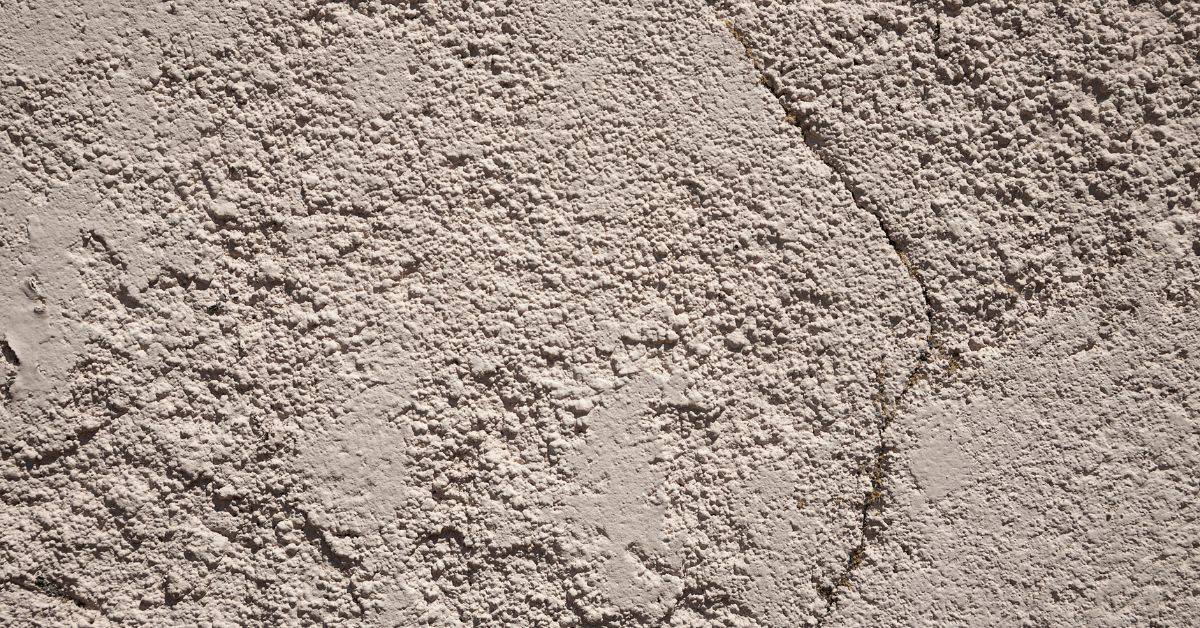
Assessing Severity: Size, Growth, Location, and Moisture
A practical severity framework weighs four factors: crack width or depth, observed growth over time, location relative to foundation or openings, and evidence of moisture intrusion. Treat each factor as a signal that can raise or lower urgency, rather than relying on a single clue. This approach keeps you focused on what matters for safety and repair planning.
For homeowners, simple steps include measuring width with a ruler, noting any progression over weeks, and mapping the wall location in relation to structural features and moisture signs. Recognize how factors interact, such as a small crack in a high-risk spot with active moisture versus a larger crack in a dry, low-risk area. A quick decision rubric can guide monitoring, professional inspection, or emergency mitigation.
How to Monitor and Document Cracks
Regular monitoring helps understand if your stucco cracks are active or stable. Here’s how:
Photographic Records: Take pictures of the cracks from the same angle each time. Use a measuring tape in the frame for scale.
Dated Notes: Keep notes on when you first noticed the crack, and any changes since. Include dates to track growth over time.
Basic Comparators: Place a penny or other small object next to the crack in photos. This helps spot even minor movements between checks.
Moisture-Related Clues That Raise Concern
Moisture can worsen cracks and cause hidden damage. Look for these signs:
Staining: Discolored areas on or around the crack may indicate water entry.
Efflorescence: A white, powdery substance on the stucco could mean moisture is present.
Damp Insulation or Interior Leaks: Check behind the stucco for damp insulation or interior leaks. These can signal serious water intrusion problems.
Repair Options for Minor Stucco Cracks — DIY and When to Call a Pro
Start with clear diagnostics to decide if a crack is hairline or a candidate for DIY cosmetic fixes versus a sign of structural concern. Confirm direction, width, and whether the crack is growing before you patch. This helps prevent wasting time and materials on fixes that don’t address the root cause.
Safety and prep should cover moisture checks, mold risk, and movement around expansion joints and openings. For small, stable cracks, DIY steps may include cleaning, drying, sealing with a compatible product, and texture matching. If cracks are wider, diagonal, expanding, or bulging, escalate to a professional and consider options that address foundation or structural issues.
DIY repair steps and materials checklist
Use this checklist when tackling small, stable hairline cracks. It ensures you’ve got the right tools and sequence for a successful job.
- Safety glasses: Protect your eyes from debris.
- Gloves: Keep your hands clean and protected.
- Wire brush: Remove loose material. Skip this, and you’ll have a weak repair.
- Caulk or elastomeric sealant: Choose one matching your stucco’s texture and color. Incompatible materials can cause further damage.
- Putty knife: Apply the caulk evenly. A wrong size can make application difficult.
- Texture tool (if needed): Match your existing texture to avoid a visible patch.
- Paint or stain (optional): Touch up the repaired area to blend it with the rest of the stucco.
- Sandpaper (fine grit): Lightly sand any rough edges before painting. Skipping this can lead to an uneven finish.
Quick rule: Always test your materials on a small, hidden area first to ensure compatibility and color match.
Professional repair methods and when to hire one
For larger cracks or those indicating structural issues, it’s time to call in the pros. Here are some common repair methods they might use.
Pros may use crack injection for wider cracks, filling them with a flexible material to prevent further damage. They might also perform localized re-stucco, removing and replacing only the damaged area.
If moisture intrusion is suspected, they’ll address the substrate issues first, ensuring no further water penetration before repairing the stucco. In cases of structural damage, a structural engineer may be needed to assess and remediate the problem.
Always hire a qualified contractor or structural engineer for these tasks. They have the expertise and tools to ensure your repairs are safe and effective.
Safety, Costs, and Long-Term Planning
Delaying repairs can allow moisture, mold, or structural progression to worsen, so assess safety risks tied to hidden water intrusion and potential electrical or mechanical hazards. Early evaluation helps prevent bigger expenses later by catching issues before they spread. Plan with an eye toward long-term stability and protection of the building envelope.
Cost drivers include the extent of damage, access for repairs, and whether underpinning or foundation work is needed. A staged approach—mitigation, stabilization, then full repair and re-stucco—helps manage budget and scheduling. Get multiple written estimates with clear scope, and document decisions to support future reference and insurance coordination.
How repairs affect long-term maintenance and resale
Proper diagnosis and repair of stucco cracks protect your home’s building envelope, preventing future damage and maintaining property value. Addressing issues early ensures a solid foundation for long-term performance.
Keep detailed records of all repairs, including dates, methods used, and costs. This information is invaluable when selling your home, as it provides transparency to potential buyers and insurers about the condition and history of your property.
Regular maintenance checks after repairs help ensure that your stucco remains in good condition over time. Addressing minor issues promptly prevents them from becoming major problems down the road.
How to budget and prioritize work
When planning repairs, prioritize immediate safety and moisture intrusion fixes first. These issues can lead to serious problems like mold growth or structural damage if left unaddressed.
Once safety concerns are addressed, focus on cosmetic repairs or preventive measures. Remember that preventive maintenance is cheaper than repairs, so investing in regular upkeep can save you money in the long run.
When obtaining professional estimates, ensure they include clear timelines for completion. This helps you plan your budget and schedule accordingly. Always get written estimates with detailed scopes of work to compare apples to apples when choosing a contractor.
Common Homeowner Mistakes and Next Steps (Inspection Checklist)
Common mistakes include covering up cracks without diagnosing the cause, using mismatched patch materials, ignoring moisture sources, and delaying professional inspection. Tie each mistake to the crack pattern to understand its implications for underlying issues. This awareness helps you stay proactive rather than reactive.
Build a practical inspection checklist: document crack direction, measure width, map progression, and photograph the area. Decide when a non-structural fix is acceptable versus when to escalate to a licensed pro, especially for structural cracks or reappearing leaks. End by outlining next steps, including quotes and coordination for moisture control and foundation assessment.
Mistakes to Avoid
Before you grab your trowel or paintbrush, understand these common mistakes homeowners make when dealing with stucco cracks.
- Painting over cracks: Hides problems. Moisture can’t escape, leading to worse issues.
- Using wrong patching compounds: Incompatible materials cause more damage, like trapping moisture or shrinking differently.
- Ignoring progressive cracking: Delaying action lets small cracks grow bigger, costing more to fix.
- Neglecting moisture sources: Without addressing the root cause (moisture), repairs won’t last.
- DIY fix cycles without root cause diagnosis: Band-aid solutions waste time and money; find the real problem first.
- Delaying professional inspection: Early intervention prevents minor issues from becoming major ones.
- Matching patch materials to existing texture: Incompatible textures look out of place, reduce curb appeal.
- Considering moisture when repairing: Not accounting for moisture can trap it in walls, leading to mold and rot.
Quick rule: Always diagnose the cause before attempting repairs.
Quick Inspection and Action Checklist + Visual Checkpoints
Use this checklist to assess stucco cracks, decide if you can DIY or need a pro.
- Photograph cracks: Document initial state for comparison later. Use a measuring tape in shots for scale.
- Note location and size: Keep track of where and how big each crack is.
- Check for moisture: Look for dampness, mold, or peeling paint around cracks. Moisture causes most stucco problems.
- Inspect door alignment: Cracking near doors might indicate settlement issues if frames are out of square.
- Monitor growth: Keep an eye on cracks over time. Even small changes could signal bigger problems.
- Check crack direction and pattern: Vertical, diagonal, stair-step, or horizontal cracks often mean different things (see earlier sections).
- Compare to other areas: See if the cracking is isolated or part of a larger trend.
- Contact pros for severe patterns: If you see bulging, extensive delamination, or horizontal cracks, call a specialist immediately.
Quick rule: When in doubt, err on the side of caution. Better to involve a pro early than risk bigger problems later.
Conclusion
Careful testing and good judgment now keep cracks from becoming costly repairs later. Focus on safety, verify moisture and structure, and decide quick fixes or professional help before you push ahead.
This is your natural, one-pass checklist: inspect the visible cracks first for size and changes, note their location relative to doors, windows, and joints, dry the area to see if any cracks widen with moisture, test a small patch in an inconspicuous spot before wider repair, and choose a DIY patch only for tiny, non‑structural cracks while keeping a plan to call a pro if you see widening, water staining, or cracking that runs with siding or framing.
Two common mistakes to avoid are rushing into repairs without checking moisture or sources of movement, and choosing a repair method that covers or seals cracks without addressing the underlying cause. Always test a small area first, wear eye protection and gloves, and keep repairs simple and reversible whenever possible. If you see active movement, significant widening, persistent moisture, or cracks that reappear after patching, stop and call a pro.
When to bring in a pro: if cracks are wide, changing shape, or accompanied by water intrusion, or if you’re unsure about ventilation and drainage around the stucco. A professional can confirm drainage, assess structural movement, and execute a durable repair. Stay practical, stay safe, and you’ll protect your home and your budget.
FAQ
What do vertical cracks in stucco usually indicate?
Vertical cracks often come from settlement or shrinkage. They’re commonly non-structural but can widen if the wall moves or moisture loosens the substrate. Check if the crack stays the same width or grows after rain or temperature changes.
What do diagonal cracks tell you about the structure?
Diagonal cracks can mean movement in the wall frame or framing settlement. They may appear where joists or studs push on the stucco or where the building settles unevenly. If they widen with load, moisture, or over time, you should inspect further.
What about stair-step cracks along the stucco lines?
Stair-step cracks follow the underlying masonry joints and usually point to movement in the wall core or framing. They’re often more than cosmetic and can signal shifting or settling. If you see them widening or extending to multiple panels, treat them as a warning sign.
Are these cracks structural or non-structural, and when should I call a pro?
Many cracks are non-structural and repairable, but some patterns hint at real movement. If cracks grow, run through multiple courses, wrap around openings, or appear after heavy loading, moisture, or earthquakes, bring in a pro. Always verify with manufacturer guidance and local rules if you’re unsure.