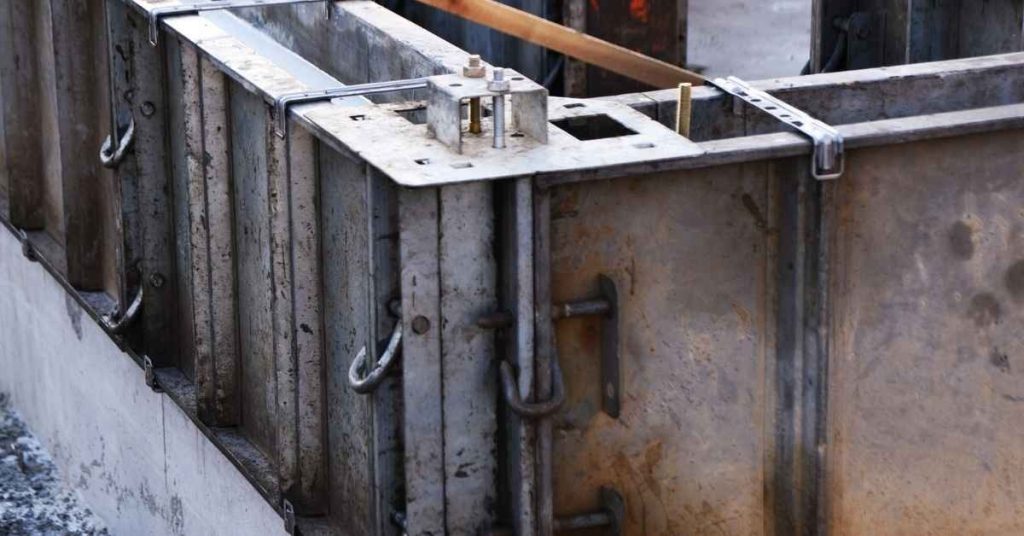
Metal formwork panels assembled for concrete pouring

Steel Troweling on Exterior Concrete: Why It Can Cause Scaling and What to Do Instead

Introduction

Steel troweling on exterior concrete is a finishing method that can contribute to scaling when the surface is overworked or cured improperly. Scaling is the flaking or peeling of the top surface of concrete caused by freeze–thaw cycles, poor air entrainment, or surface weakness, and a hard, dense steel-troweled skin can trap moisture and reduce air voids. For DIYers it’s important to know the finish you choose affects durability, not just appearance.

Steel troweling gives a smooth, hard face but can increase scaling risk on exterior slabs if curing, timing, or mix air entrainment aren’t right. Alternatives like broom finishes or broadcast aggregate leave a more open surface texture that tolerates freeze–thaw better, though they look different and require proper execution. Check product labels, manufacturer instructions, and local guidance for curing methods and air-entrainment recommendations before you start.

Key takeaways

  • Definition of concrete scaling: flaked, powdery surface from improper finishing or moisture.
  • Steel troweling accelerates surface sealing, trapping moisture and causing later scaling.
  • Broom finish or light trowel passes reduce sheen and let cement breathe.
  • Use proper jointing, control curing, and avoid overworking surfaces during placement.
  • Apply compatible sealers or coatings after curing per manufacturer instructions.
  • Safety: wear eye protection, dust mask, and avoid loose materials near edges.
Table of Contents

What Is Concrete Scaling?

Concrete scaling is the progressive loss of the thin surface layer on an exterior slab so the finish flakes, peels, or comes away in patches rather than remaining intact. It’s different from staining or a change in texture because scaling produces a powdery or chalky feel, visible thin surface sheets, flaking edges, hollow-sounding areas, and occasional small to larger surface spalls.

On site you can check for scaling with a light scratch or drag test (does material smear or powder?), tapping for hollow sounds, and observing for moisture, efflorescence, or raised ridges that shed particles. If you see these signs, avoid further aggressive steel troweling; instead follow correct curing, use appropriate finishing timing, consider breathable sealers or penetrating densifiers, and consult product labels or a concrete pro when in doubt.

Definition and common symptoms

Concrete scaling is a surface distress issue where the top layer of concrete flakes off, exposing the aggregates beneath. It’s like a thin skin peeling away from an apple.

You’ll spot it by its powdery or chalky feel, flaking edges, and visible thin surface layer. Some patches might feel rough or hollow when tapped, indicating deeper damage.

Scaling can range in size too – from small, barely noticeable spots to larger areas with significant spalling (chunking off).

How scaling differs from spalling and efflorescence

Scaling, spalling, and efflorescence all affect concrete surfaces but differ in depth and cause.

Scaling is a surface issue – the top layer peels off. It’s often caused by improper finishing or rapid drying during curing.

Spalling, on the other hand, goes deeper. It’s chunks of concrete breaking away due to moisture movement, freeze-thaw damage, or de-icer exposure. Repair involves removing damaged areas and replacing with new concrete.

Efflorescence is a white, powdery deposit that appears on the surface due to salt leaching. Unlike scaling, it doesn’t cause flaking but can indicate underlying moisture problems.

Common misconceptions about scaling

Many folks think ‘scaling is only caused by bad concrete.’ That’s not entirely true. While poor mix design can contribute, so do improper finishing techniques, rapid drying, and weathering.

Another myth is that ‘once it scales, there’s no stopping it.’ Not true. Proper curing, timely finishing, and using sealers or penetrating densifiers can prevent further scaling.

Lastly, some believe ‘scaling is just a cosmetic issue.’ It’s not. Scaling weakens the surface, making it more susceptible to damage and reducing its lifespan.

Back to top ↑

Causes of Scaling

Scaling arises from overlapping chemical, physical, and procedural factors rather than a single failure: salts or alkali at the surface, freeze–thaw cycles and moisture migration, and finishing or curing practices that leave a weak surface layer. Chemical contributors include soluble salts in materials or trapped by some curing compounds, while physical drivers are rapid drying, wind/sun exposure and surface abrasion that reduce surface integrity.

Procedural causes typically involve finishing at the wrong time (for example working while bleed water is present), insufficient curing, or applying treatments that trap moisture or salts at the surface. For a field diagnosis, look for a powdery crust, salt sheen, spalling under edges and correlate those to recent actions (finishing schedule, curing method, weather); prevention focuses on controlling moisture, adjusting finish timing, choosing breathable finishes, and avoiding heavy early steel troweling.

Freeze-thaw cycles and deicing salts

Exterior concrete surfaces are exposed to harsh weather conditions, especially in colder regions. The freeze-thaw cycle weakens the surface by causing tiny cracks each time water inside the concrete freezes and expands.

Deicing salts used on roads and sidewalks can further accelerate scaling. These salts penetrate into the concrete, then expand as they freeze, pushing off the surface layer. This process repeats with each cycle, making the scaling worse over time.

Prevention: Use air-entrained concrete to create tiny bubbles that allow water to expand without causing damage. Avoid using deicing salts near your concrete if possible, or use sand instead for better traction in winter.

Poor mix design, low air entrainment, and bleed-water issues

A well-designed concrete mix is crucial for durability. Inadequate air entrainment leaves the surface vulnerable to scaling, as there are no tiny bubbles to relieve pressure from freezing water.

Excessive water in the mix can also lead to problems. Too much water creates a weak surface paste that’s prone to scaling. Bleed-water issues arise when water rises to the surface during curing, leaving a weak, scale-prone layer behind.

Prevention: Ensure your concrete mix has proper air entrainment and the right water-cement ratio. Allow bleed water to evaporate before finishing or curing.

Finishing and timing errors

Proper finishing is key to preventing scaling. Errors in this process can exacerbate scale-prone conditions.

  • Finishing too early: If you finish the concrete before the bleed water has evaporated, you’re left with a weak surface that’s prone to scaling.
  • Overworking: Over-troweling or over-finishing can thin out the capillary pore structure, leaving a fragile surface that scales easily.
  • Improper equipment selection: Using steel trowels too early on exterior concrete can cause similar issues. They push bleed water to the surface and create a weak layer.
  • Insufficient curing: Concrete needs time to gain strength. Insufficient curing leaves the surface vulnerable to scaling.

To avoid these mistakes, wait for bleed water to disappear before finishing. Use appropriate tools and techniques for exterior concrete, like a broom finish or early curing. Allow proper curing time.

Back to top ↑

How Steel Troweling Contributes to Exterior Scaling

Steel troweling compacts the top paste layer and creates a dense, low-porosity skin that can impede normal moisture movement and drying, effectively trapping water and dissolved salts near the surface. Outdoors this non-breathable skin increases vulnerability to freeze–thaw damage and scaling because moisture trapped below the surface expands or carries salts that break the thin cap.

Risk increases when operators over-trowel, trowel while the surface is still wet, make many steel passes, or push bleed water back into the slab; ambient heat, wind, or humidity that shorten set times also change how quickly a surface hardens and traps moisture. Safer on-site practice is to prefer broom or float finishes, limit final steel passes or delay them until the slab is ready, enforce proper curing, and only use sealers after confirming the surface can breathe per product guidance.

Mechanism: surface densification and paste consolidation

Steel troweling, especially when overdone, pushes cement-rich paste to the top of your concrete. This creates a thin, dense layer that looks smooth but is actually weaker than the rest.

This layer traps moisture and dissolved salts near the surface. When water freezes in winter, it expands, putting pressure on this weak zone. Over time, this leads to scaling – flaking off of the concrete surface.

To avoid this: Be gentle with your trowel work. Don’t over-trowel and push too much paste to the top.

Timing and technique mistakes with steel trowels

Premature or repeated troweling can lead to a weak, non-breathable surface. Here are some common mistakes to avoid:

  • Troweling too early: When the surface is still wet, troweling brings up more paste and traps water.
  • Making too many passes: Each pass increases the risk of densifying the surface and trapping moisture.
  • Pushing water back into the surface: This can lead to a weak, porous surface that’s prone to scaling.
  • Using excessive pressure: This forces too much paste to the top, creating a weak layer.

Remember: Less is more with steel troweling. Be patient and let the concrete set before you start troweling.

Why interior troweling differs from exterior requirements

Inside your home, a smooth, dense finish is fine because the concrete isn’t exposed to harsh outdoor conditions. But outside, you need a finish that can breathe and withstand freeze-thaw cycles.

Exterior concrete needs: A textured surface that allows water to evaporate and prevents it from freezing in the pores. This helps prevent scaling and other moisture-related issues.

A breathable surface also lets moisture move through, preventing it from building up and causing damage. So, while a smooth finish might look nice, it’s not suitable for outdoor use.

Back to top ↑

Alternatives to Steel Troweling for Exterior Finishes

There are practical exterior finishes that deliver durability and slip resistance without creating the thin brittle skin steel trowels can cause: broom finishes, light float or magnesium trowel finishes, exposed aggregate, and various stamped or textured systems. Each option affects traction, cleaning, and appearance differently—broom finish provides consistent slip resistance, exposed aggregate gives wear resistance but needs prep, and stamped/colored surfaces offer aesthetics but require careful curing and protection.

Before choosing, check substrate moisture and surface profile and follow product instructions for joint spacing and curing; weigh pros and cons like labor, equipment, susceptibility to scaling, and how a finish accepts sealers or overlays. For driveways, prioritize durability and freeze–thaw resistance; for patios and sidewalks, prioritize slip resistance and appearance—also consider maintenance, resealing frequency, and whether a polymer-modified overlay or penetrating treatment better fits the exposure and traffic.

Broom finish and textured trowel techniques

For exterior concrete that needs traction, consider broom finishing or light texturing. These methods avoid overworking the surface, reducing the risk of scaling.

Broom Finishing: Use a push broom to drag across the surface while it’s still plastic. This creates shallow grooves for better grip. Be gentle and don’t press too hard.

Textured Trowel Techniques: Instead of steel trowels, use lightweight, textured trowels or magnesium floats. They provide traction without densifying the surface paste.

Magnesium floats, darbies, and hand-finish approaches

To preserve your concrete’s surface integrity, opt for gentler finishing tools. Magnesium or wood tools, along with careful hand-finishing, can achieve durable results without causing scaling.

Magnesium Floats: These lightweight tools are ideal for exterior surfaces. They smooth the top layer without densifying it like steel trowels do.

Darbies and Hand-Finish: Use darbies to strike off excess concrete, then finish by hand with a magnesium float or wood tool. This way, you control the surface’s final texture and avoid overworking it.

Specialty finishes (stamped, exposed aggregate) that avoid over-troweling

Certain decorative techniques can provide durable exterior surfaces while minimizing paste densification. Here are some mistakes to avoid and their alternatives:

  • Avoid Over-Troweling with Stamped Finishes: Use stamps immediately after floating, before the surface hardens too much. This way, you don’t have to over-trowel to achieve the desired pattern.
  • Exposed Aggregate Finishes: After washing off the surface layer, expose the aggregate. This technique avoids densifying the paste and provides better traction.
  • Seeded Aggregate Finishes: Similar to exposed aggregate, but you add decorative seeds or particles after washing. Again, no over-troweling is needed.
  • Colored Finishes: Use integral color or color hardeners instead of surface-applied stains. This way, you don’t have to overwork the surface to achieve color.

These techniques allow you to create attractive, durable surfaces without risking scaling from excessive troweling.

Back to top ↑

Close-up of crushed concrete aggregate stones

Preventative Measures During Placement and Finishing

Reducing scaling starts with the mix and carries through to the final cure: specify a suitable water-cement balance and air-entrainment for exterior exposure, control slump so the surface is not overly soft, and use aggregates compatible with the exposure. On site, sequence finishing carefully—strike off, wait for initial set indicators, avoid heavy troweling too early, and watch for signs of overworking like sheen or trowel burn.

Placement practices matter: limit drop heights, consolidate without pushing excess water to the surface, and tuck-in edges cleanly without disturbing the paste layer; protect fresh concrete from wind, sun, or rapid drying and apply curing (wet curing or products per manufacturer directions) promptly. Check weather, adjust mix or timing as needed, inspect the texture after finishing, and maintain curing for the recommended interval—if unsure, verify curing product data sheets or ask a concrete specialist.

Mix design, air entrainment, and admixture guidance

First things first, homeowner. You gotta get your mix right.

Consult those mix specs and suppliers. They know best for exterior exposure. You want an appropriate water-cement ratio – not too much water, not too little. Proper aggregate’s key too; nothing too smooth or rough.

Air-entraining admixture? Yeah, you need that. It creates tiny bubbles in the concrete, helping it resist freeze-thaw cycles and deicing salts. Don’t skimp on this one.

Remember: Slump targets matter too. Less slump means less surface softness, which means less scaling risk.

Proper finishing sequence and timing best practices

Now, let’s talk about how you finish that concrete. Timing is everything here.

Strike-off when the concrete’s still plastic – that’s when it’s easiest to level. But don’t rush into initial set timing. Wait for those first signs of set before you start floating.

Heavy troweling too early? No, no, no. That’s a one-way ticket to scaling town. Keep your trowel light until the surface is firm enough.

Watch out: Over-troweling’s easy to do. If the surface starts looking shiny and smooth, you’re in trouble. Back off, let it rest, then try again.

Curing methods and joint placement to mitigate scaling

Alright, homeowner. You’ve placed your concrete, finished it right. Now, let’s keep it that way.

Curing’s crucial. Keep that surface moist – either with water or a good curing compound. Timing matters here too. Don’t let it dry out too fast.

Joints? Yeah, you need those too. They control shrinkage and prevent scaling. Space ’em right – not too close, not too far apart.

Protect: Keep that concrete away from wind and sun while it cures. You don’t want it drying out too fast.

Back to top ↑

Sealers, Coatings, and Surface Treatments

Surface protection falls into three broad families: penetrating silanes/siloxanes that reduce water uptake while generally remaining breathable, film-forming acrylics that create a visible film with variable breathability, and heavier coatings (epoxy/polyurethane/paint systems) that form continuous barriers. How each behaves with regard to capillary moisture, freeze–thaw risk and potential to worsen scaling depends on whether the product traps moisture beneath a non-breathable layer—check product data sheets for breathability and recommended substrate conditions.

DIYers should test the surface (a simple water bead vs. absorption check or a moisture meter reading) and follow surface preparation steps such as cleaning, removing laitance, and ensuring the slab is dry before applying any treatment. Choose a penetrating sealer when breathability is required, use film-formers for stain resistance or color enhancement when drying is confirmed, and follow manufacturer instructions for application windows and recoat timing; if compatibility is unclear, consult the product label or the manufacturer.

Types of sealers and their protective mechanisms

Concrete sealers fall into two main categories: penetrating water repellents and film-forming sealers.

Penetrating water repellents, like silanes or siloxanes, soak into the concrete’s pores. They don’t change the surface appearance but minimize moisture absorption from within.

Film-forming sealers, such as acrylics or epoxies, create a protective layer on top of the concrete. This changes the surface appearance and provides a barrier against water ingress.

Selection criteria: permeability, UV resistance, and expected wear

Choose your sealer based on your concrete’s needs:

Permeability: For high porosity or areas prone to water ingress, choose a breathable sealer like silanes/siloxanes.

UV Resistance: For surfaces exposed to direct sunlight, opt for UV-resistant sealers, often found in acrylic or epoxy-based products.

Expected Wear: High-traffic areas need durable coatings. Consider epoxy/polyurethane blends for heavy-duty protection.

Safety guidelines and handling for sealants and chemicals

Always follow these safety guidelines when applying chemical treatments:

Read labels and SDS: Understand the product’s ingredients, hazards, and proper use.

Wear PPE: Use gloves, goggles, and protective clothing as directed. Ventilate the area if needed.

Dispose properly: Follow local regulations for disposing of leftover materials. Never pour chemicals down drains.

Back to top ↑

Environmental and Seasonal Considerations

Air and substrate temperature, humidity, wind and sunlight all control bleed-out, set time and trowelability for exterior pours—affecting when you can safely finish without weakening the surface. Rain probability and precipitation risks should change your schedule: delay finishing if rain is expected or protect the slab with covers, and avoid finishing during rapid drying conditions that lead to early micro-cracking and scaling.

Freeze–thaw exposure is most damaging when moisture is present near the surface during cycles; prevent this by ensuring proper curing, choosing air-entrained mixes and applying breathable seals when appropriate. Seasonally, use tarps, insulation or windbreaks for cold or windy conditions, shift finishing methods (broom or float over aggressive steel troweling) in hot, dry weather, and check local forecasts and product instructions to adapt mix and cure plans.

Planning for temperature and humidity constraints

Before you pour, check the forecast. You need air temps between 50-90°F (10-32°C) for best results. Too hot or cold slows set time, affects bleed-out.

Humidity matters too. High humidity can cause surface issues. Low humidity speeds drying, risks early cracking.

Adjust your schedule if temps or humidity aren’t ideal. Or use heaters/covers to control conditions.

Managing exposure to water, salts, and landscaping

Water’s a big enemy. Standing water can cause scaling. Ensure proper drainage around your pour.

Salts from de-icing or soil can damage concrete. Keep salt-prone areas away from edges. Use barriers if needed.

Landscaping can affect exposure. Consider windbreaks, overhangs to protect surfaces.

Short-term protections during curing in adverse weather

Rain, cold, or wind can harm fresh concrete. Protect it with coverings and barriers. Tarps, insulation sheets work well.

Keep the surface moist but not wet. Too much water can cause scaling. Use misters sparingly.

In extreme cold, use heaters or insulated covers to prevent freezing. Monitor temps closely.

Back to top ↑

Costs, Case Studies, and Correcting Common Finishing Errors

Compare prevention and repair by framing the likely upfront costs of good practice—proper finishing timing, curing, and appropriate sealers—against repair paths such as grinding, patching, or partial removal and replacement; verify current cost estimates with local suppliers or contractors. Real-world examples show preventive approaches (appropriate finish choice and curing) often reduce downtime and recurring maintenance compared with slabs that required invasive repairs after early steel trowel-induced scaling.

For on-site diagnosis, check timing of troweling, surface sheen, ambient conditions at placement, and moisture indicators to pick a corrective path; light scaling can respond to cleaning and a penetrating densifier, while more severe surface loss may need grinding, patching or replacement. Follow step-by-step remediation per product guidance and consider consulting a concrete pro for structural concerns—if unsure about a strategy, refer to manufacturer instructions or local regulations before proceeding.

Cost comparison: prevention versus repair and replacement

Preventing concrete scaling is cheaper in the long run than fixing it after it happens. Here’s a breakdown:

Prevention (per sq ft): $2 – $5 for proper finishing, sealers, and curing.

Repair/Replacement (per sq ft): $10 – $30 for grinding, patching, recasting. Plus downtime costs.

Preventive methods save money over time by reducing maintenance and avoiding costly repairs.

Brief case studies demonstrating successful alternatives

Here are two examples where preventive measures worked:

Case 1: A school in Arizona used a non-steel float finish and proper curing. No scaling after 5 years, despite harsh sun.

Case 2: A homeowner in Michigan sealed their exterior slab immediately after finishing. No scaling after 3 winters of snow and salt.

Identification and step-by-step correction of common finishing mistakes

Catch these common errors early to avoid scaling:

  1. Check troweling timing. Too soon can cause scaling. Wait until bleed water is gone.
  2. Inspect blade pressure. Too much can force moisture out, causing scaling. Use even, light pressure.
  3. Measure ambient temperature. Below 50°F (10°C) can cause scaling. Adjust curing or wait for warmer weather.
  4. Test moisture content. Too dry can lead to scaling. Ensure concrete is properly hydrated before finishing.
  5. Examine curing conditions. Inadequate curing causes scaling. Keep slab moist and cool during curing.

Back to top ↑

Conclusion

The key takeaway is simple: steel troweling on exterior concrete can trap moisture and create a finished surface that scales or flakes. Prioritize durability and a clean look by choosing finishing methods that suit outdoor conditions and by validating the cure and surface before sealing or coating.

In practice, use a straightforward checklist: evaluate the slab and curing before any finish, pick an exterior finish method that matches the surface and climate, test a small area first, keep the work zone dry and warm enough for finishing, apply finishes or sealers only as directed, avoid over-working the surface, and schedule inspections after a weather shift or significant moisture changes. If in doubt, work in stages and confirm results on a test patch before moving to the whole area.

Two common mistakes to avoid are finishing too soon or with the wrong timing, and applying a finish in uneven or damp conditions. Don’t press hard with the trowel or kneel on a still-soft edge; protect the surface from rapid drying or freezing and follow manufacturer instructions for curing and sealing. Always wear proper PPE, keep tools clean, and test any new product on a small area first to confirm compatibility with the concrete.

If you’re dealing with large slabs, complex slopes, persistent cracking, or uncertain moisture issues, enlist a professional rather than pushing ahead. A qualified contractor can confirm cure, slope, and drainage, and select exterior finishes that resist scaling. Stay deliberate, work in small sections, and you’ll finish strong with a durable, safe exterior.

Back to top ↑

FAQ

What exactly is scaling on exterior concrete?

Scaling is when the surface erodes or flakes off, leaving a rough, pitted look. It usually shows up after weather, wear, or poor finishing. If you’re unsure, check the surface feel and look for powdery or hollow spots and talk to the product label or manufacturer instructions.

What causes scaling on exterior surfaces?

Thin surface layers, improper finishing, and rapid drying can make the top peel off. Freeze-thaw cycles, wind, and sun can also break down the surface over time. Look to manufacturer guidance and local weather patterns to verify the most common culprits for your area.

What are the pros and cons of steel troweling for exterior finishes?

Pros: it can give a smooth, dense surface when done right. Cons: it often forces cement films to the top, can trap water, and may cause a hard, slick surface that scales poorly in weather. If you want a durable exterior, weigh those effects and follow the product instructions closely.

How do different finishing methods compare and help prevent scaling?

A broom finish or light trowel with a textured look reduces the risk of scaling by keeping the surface a bit rough and breathable. Broadcast aggregate adds texture and grip but can be harder to seal later. Always compare methods to the sealers and curing approach you plan to use, and verify with the product guidelines.

How should you cure exterior concrete to minimize scaling?

Keep moisture in during early curing and protect from rapid drying. Use approved curing methods or products as directed by the manufacturer. If in doubt, check the label for curing times, conditions, and any weather cautions in your area.

Back to top ↑

More about this topic