
Introduction
Spot washers can stabilise small plaster areas over wood lath. This article explains a practical, hands‑on approach for assessing and addressing those loose patches. Keep the work simple and focused on local repairs rather than rebuilding whole walls.
Evaluate the wall condition first to decide if spot washers alone will hold or if additional patching is needed. If you can secure the plaster with washers, drill, set the washers, and pin the area to the lath as a small repair. Finish by filling cracks with a setting-type compound, and follow simple, careful techniques for spot repairs over wood lath.
Key takeaways
- Evaluate wall condition to determine spot washers versus a larger repair approach.
- Stabilize loose plaster over wood lath with targeted spot washers only.
- Crack fill with a setting-type compound following manufacturer instructions and safety data.
- Prepare containment and ventilation to minimize dust during crack filling and repairs.
- Plan repair sequence to blend edges and match texture for durability.
- Inspect final finish before painting to verify adhesion and long term stability.
Table of Contents
- Introduction
- Key takeaways
- When to Choose Spot Washers Vs a Larger Repair
- Evaluating Old Plaster over Wood Lath
- Tools and Materials Checklist
- Step-by-Step Process for Using Spot Washers Effectively
- Crackfilling and Choosing Setting-Type Compounds
- Preparing the Repair for Finishing, Painting, and Long-Term Durability
- Safety, Health, and Containment
- Planning, Costs, and Common Mistakes to Avoid
- Conclusion
- FAQ
When to Choose Spot Washers Vs a Larger Repair
Spot washers are a practical choice when damage is localized and the underlying lath remains solid. Assess delamination by noting how much plaster has separated from the surface and how far the loose areas extend. If the majority of the panel remains firmly anchored, spot repairs can stabilise the wall without a full replaster. Check for moisture or salt damage that could undermine the repair’s long-term effectiveness, and verify that the wall is dry before proceeding.
Make the decision on structural versus cosmetic grounds. If the plaster can be stabilized in place and aligned with surrounding contours, spot washers may be sufficient. If there is substantial delamination, lath deterioration, or persistent movement, plan for a larger patch or replastering. Consider cosmetic goals, texture compatibility, and paint adhesion when weighing outcomes, and consult product instructions or local guidelines to confirm suitability for spot repairs.
Signs Spot Washers Are Appropriate
Spot washers can effectively stabilize small areas of delamination. To determine if your situation calls for them, look for these signs:
Localized loose plaster: Gently tap or push the affected area to confirm localized detachment.
Intact surrounding plaster: Check that the rest of the wall is in good condition with no visible cracks or crumbling.
Absence of widespread water or structural damage: Inspect the entire wall for signs of moisture, rot, or extensive damage. If found, consider a larger repair.
Limits of Spot Repairs and When to Replaster
While spot washers are effective for small areas, they may not be sufficient in certain cases. Consider these thresholds:
Large areas (>10% of the panel): If delamination covers a significant portion of the wall, full replastering might be necessary.
Recurring failures: If spot repairs keep failing, it could indicate an underlying issue that needs addressing before attempting further repairs.
Signs of rot: Any indication of rotted wood lath or substrate should prompt a full repair to prevent further damage.
Benefits and Trade-Offs
Spot washers offer several advantages but also come with trade-offs. Weigh these factors when making your decision:
Cost, time, and less disruption: Spot repairs are generally quicker and cheaper than full replastering, causing less disturbance to your home.
Surface irregularities: Expect some visible differences between the repaired area and surrounding plaster, especially in texture and finish.
Durability: While spot washers can stabilize the area, they may not last as long as a full replastering job. Regular maintenance might be required to keep the repair in good condition.
Evaluating Old Plaster over Wood Lath
Begin with a systematic inspection to determine if stabilization is feasible through spot washers. Define the inspection’s purpose: whether plaster over wood lath can be saved and what underlying issues must be addressed. Record findings to guide the repair sequence and decision making.
Use a structured surface-check routine and assess lath and framing for integrity. Tap the surface to listen for hollow sounds, look for cracking patterns, bulging, moisture staining, and prior patches that indicate weak bonds. Evaluate the wood lath for rot or corrosion and check stud spacing and framing movement, especially around openings or corners. Plan for behind-plaster access and identify hidden damage that could influence the repair approach.
Visual checkpoints
Before starting any repair work, perform a thorough visual inspection of the plaster over wood lath. This checklist helps identify areas that need attention and guides your repair strategy.
- Cracks: Inspect for cracks, noting their pattern (linear, spiderweb, etc.) and width. Wide or numerous cracks may indicate structural issues.
- Bulging: Look for bulges or protrusions in the plaster. These can signal underlying problems with the lath or framing.
- Moisture staining: Check for stains, discoloration, or watermarks that could indicate moisture intrusion.
- Loose patches: Inspect for loose or peeling plaster patches, which may have weak bonds.
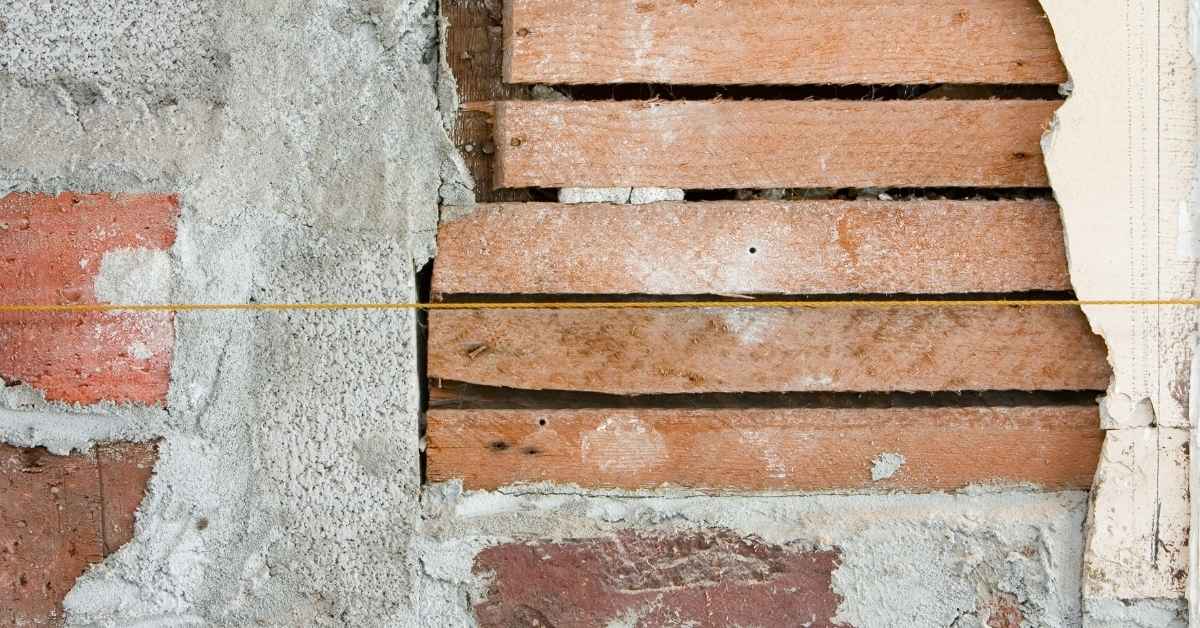
- Lath exposure: Look for exposed lath, which can compromise the plaster’s support.
- Previous repairs: Note any prior repair patches. They might hide underlying issues or indicate previous weak bonding.
- Corners and openings: Examine corners and around openings for signs of stress or damage.
- Ceiling-to-wall junctions: Check where walls meet the ceiling for any defects that could indicate structural movement.
Quick rule: If cracks are wide or numerous, or bulging is present, consider full plaster removal or extensive repair. If moisture staining is evident, investigate and address the moisture source before proceeding with repairs.
Tap, probe, and measurement tests
Perform simple tests to evaluate plaster adhesion, delamination, and lath condition. These tests help identify areas that need repair and guide your approach.
Gently tap walls with a hammer. Listen for hollow sounds, which indicate poor adhesion. Mark any suspect areas.
Probe marked areas with a screwdriver. If the plaster gives way easily, it’s delaminated. Measure the dimensions of delaminated areas to plan repairs.
Note: If tapping reveals widespread hollow sounds or delamination is extensive, reconsider spot washers and consider full plaster removal.
Documenting conditions and causes
Record your findings to plan repair sequences and address underlying issues effectively. Photograph defects from multiple angles, and note suspected causes and any related issues in adjacent rooms or services.
Take clear, well-lit photos of cracks, bulges, stains, loose patches, and exposed lath. Include measurements where possible to aid planning.
Note suspected causes such as moisture intrusion, impact damage, or vibration. Check adjacent rooms and services for related issues that may need addressing alongside plaster repairs.
Tip: Review your documentation before starting work to ensure all issues are addressed.
Tools and Materials Checklist
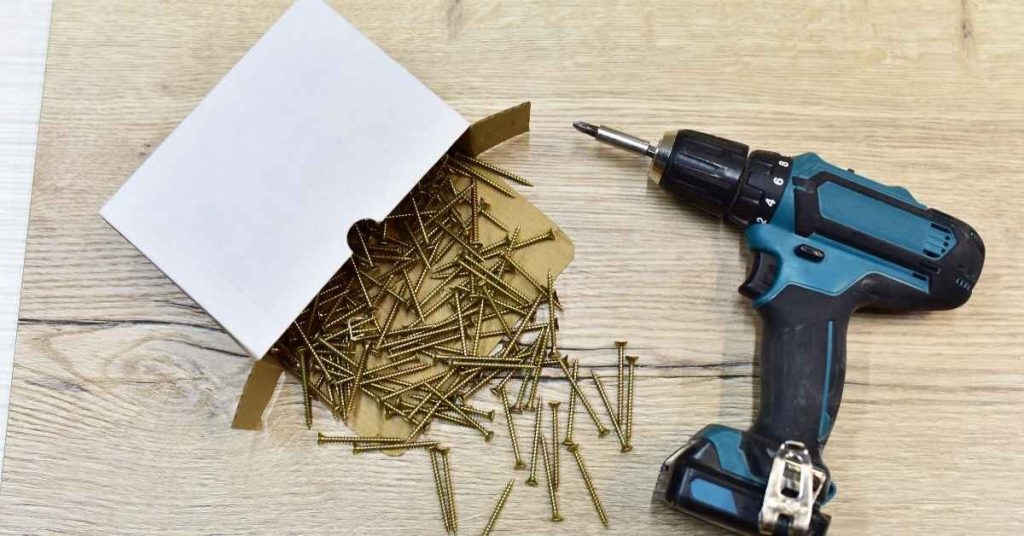
List core tools essential for spot-washer repairs and finishing. Include a pry bar, hammer, small sledge, screwdrivers, adjustable wrench, utility knife, and a cordless drill with bits suitable for wood lath or masonry as needed. Prioritize a clean setup for accurate washer placement and patching work.
Supplement with measuring, marking, and layout items and with spot-washer–specific materials. Gather plaster washers, corrosion-resistant screws, suitable anchors if required, bonding agents or plaster adhesive, patching plaster or ready-mixed joint compound, and a bonding coat. Have mesh or lath reinforcement as needed and tools for finishing such as trowels, hawk, and mixing containers ready for use.
Spot Washers and Fasteners
Use this checklist when selecting spot washers and screws for your repair.
- Plaster Washers: Choose corrosion-resistant, correct size/weight to match plaster thickness. Too small or too large can compromise repair.
- Screws: Select appropriate length to reach into wood lath without over-penetrating. Too short may not provide secure anchorage; too long could damage lath.
- Anchors (if required): Use when screw alone cannot provide sufficient hold in damaged or weak lath.
- Plaster Screw Types: Consider using countersunk, bugle head, or trim head screws for a cleaner finish.
Quick rule: Always check washer size and screw length to ensure secure anchoring without damaging lath or causing plaster cracks.
Compounds, Tapes, and Backing Materials
Choosing the right materials ensures a strong bond and smooth finish for your repair.
- Setting-Type Powder Compounds: Provide long-lasting strength; ideal for larger repairs. Follow setting time instructions on label.
- Premixed Joint Compound: Convenient for quick repairs but may not provide same longevity as powder compounds.
- Reinforcing Mesh/Tape: Use to strengthen large repairs or areas with high stress. Ensure compatibility with chosen compound.
- Plaster Patches: Match texture and color of surrounding wall for seamless repair. Pre-mixed patches may offer easier application but check drying time.
Pro tip: Always read labels/datasheets to ensure correct usage, coverage, and compatibility with other materials.
Safety and Finishing Tools
Equip yourself with the right tools for a safe and efficient repair job.
- PPE: Wear eye protection, gloves, and either a dust mask or respirator depending on job requirements.
- Dust Control: Use drop cloths, plastic sheeting, and a small vacuum or brush to minimize mess and clean up efficiently.
- Mixing Bucket: Choose one with sufficient capacity for your compound batch size. A 5-gallon bucket is standard but check specific needs.
- Trowels (various sizes): Use trowels to apply and smooth compound. Larger trowels for initial application, smaller ones for final smoothing.
- Sanding Tools: Sandpaper or sanding block with varying grits (e.g., 120-grit for initial pass, 220-grit for final smoothing) to achieve desired finish smoothness.
Jobsite tip: Rent or borrow tools when possible to save on costs. Always follow manufacturer instructions and safety guidelines.
Step-by-Step Process for Using Spot Washers Effectively
Start with a clear scope and conditions check. Identify all areas where plaster over wood lath is loose, map the affected footprint, and evaluate moisture exposure and wood integrity. Confirm PPE, dust management, and a defined work plan before beginning any material work.
Follow a disciplined sequence from prep to finish. Establish containment, remove obviously loose plaster, clean dust from the lath, and dampen the surface lightly to control dust. Mark exact hole centers, drill pilot holes, insert washers per instructions, and ensure the washer sits flush with the plaster face. Apply adhesive behind washers as needed, fill gaps with patch material, and skim edges to blend with surrounding plaster.
Step-by-Step Process
The following steps outline a reliable method for using spot washers effectively to stabilize small plaster areas over wood lath.
- Assess the area and prepare safety measures, including personal protective equipment (PPE) and dust management.
- Lay down drop cloths and containment barriers. Remove any obviously loose plaster and clean dust from the lath.
- Lightly dampen the surface to reduce dust, then establish a precise washer layout using straight edges or a template.
- Mark exact hole centers for each spot washer, drill clean pilot holes, insert washers with the correct backing material, and compress or secure per product instructions. Ensure washers sit flush and do not protrude beyond the plaster face.
- Apply an appropriate plaster adhesive or epoxy behind each washer as needed, add a small amount of patch material to fill gaps, and tap gently to seat the washer consistently while avoiding glassy or pinched spots.
- Skim with compatible plaster to blend edges, feather into surrounding plaster, allow full cure time, perform a stability test by gentle pressure, and plan a sealer/paint step after confirming no movement.
Surface preparation and access
Before installing spot washers, it’s crucial to prepare the surface for a clean, stable installation. Start by removing any loose plaster carefully using a scraper or putty knife.
If lath is hidden by plaster, cut back failing material using a utility knife or oscillating tool to access the lath. Ensure all debris is removed to minimize dust and prevent safety issues.
Pro tip: Re-clean the area if debris accumulates during work to maintain a clean surface for washer installation.
Installing washers correctly
To ensure secure attachment and prevent future issues, follow these steps when installing spot washers:
If pilot-drilling is required, drill clean pilot holes using a drill bit slightly smaller than the washer’s screw. This helps prevent splitting the lath.
Space washers appropriately according to product instructions or your chosen layout. Ensure screws are torqued correctly to avoid over-driving and splitting the lath. Countersink washers to sit flush with the plaster face, using a countersink bit if needed.
Pro tip: Recheck and adjust installation if washers are not secure or appear loose after initial tightening.
Backfilling and feathering the patch
After installing spot washers, follow this sequence to build up setting compound or plaster and achieve a smooth, seamless finish for final work:
Apply setting compound or plaster according to product instructions, embedding tape/mesh where needed to reinforce the patch. Ensure the material is compatible with your existing surface.
Using a wide putty knife, feather the edges of the patch into the surrounding plaster to create a seamless finish. Verify that tape/mesh is embedded properly before feathering to avoid creating visible lines or ridges.
Pro tip: Reapply or adjust patch material if feathering is not smooth and even, ensuring a consistent finish across the entire area.
Crackfilling and Choosing Setting-Type Compounds
Use setting-type powdered compounds when you need real strength and reestablished wall plane, and choose ready-mix products for easier application and quicker drying in finishing work. Look for quick criteria: setting time, required strength, ability to work in tight spots, and how ambient conditions affect cure. For planning, decide between structural fill to reestablish load transfer over wood lath and finishing coats for skim or touch-ups, then pick accordingly.
Preparation should include checking lath condition, moisture content, and substrate porosity, plus any adhesive or pinning considerations per the product label. Mixing, application, and curing hinge on following the manufacturer’s guidance for water-to-powder ratios or material-to-water instructions, tool choice, sequence, tack-free times, and protection during cure. A simple scrape test or light tapping helps verify plaster condition, and a quick decision flow guides you to structural fill with powder if you need strength, or finishing with ready-mix for ease—watch for common issues like bonding if you don’t follow instructions.
Choosing the right compound
The choice between setting-type powdered compounds and ready-mix products depends on your repair needs. For structural fill, opt for fast-setting powders that develop strength quickly, ensuring wall plane reestablishment and load transfer over wood lath. These are ideal when time is a factor or ambient conditions require quick set.
For finishing coats, select slow-setting or ready-mix products. They offer better workability in tight spots and allow for easier sanding and feathering, ensuring a smooth final appearance. Always check product labels or datasheets to verify setting time, strength development, workability, and suitability for your ambient conditions.
Mixing and working properties
Correct mixing is crucial for optimal compound performance. Follow manufacturer instructions for water/powder ratio or material-to-water (ready-mix). Monitor pot life, the time during which the mixed compound remains usable, to avoid wasting material.
Pay attention to the recommended consistency for application. If you achieve an incorrect consistency, remix the compound. If the pot life has expired, discard the mixture and start over.
Application strategy for strength and finish
To optimize repair strength and final appearance, use a layering strategy. First, apply a strong setting compound to fill voids, bond with the substrate, and reestablish the wall plane. This ensures structural integrity over wood lath.
Next, apply a lighter compound for finishing. This provides a smooth surface for sanding and painting. Avoid overfilling and ensure edges are properly feathered to prevent hard sanding issues that could damage the repair.
Preparing the Repair for Finishing, Painting, and Long-Term Durability
Focus on finish readiness and adhesion compatibility. Identify the existing plaster, paint, and primer types and plan finish coats that bond with plaster washers and lath while preserving texture. Note any sheen or peeling risks to inform the final finish approach.
Detail surface keying and sealing strategies to enhance durability. Clean, lightly abrade glossy edges, and repair any small cracks to create a uniform key for coatings. Choose a breathable primer and sealer suitable for plaster and wood lath, apply evenly, and plan texture blending to minimize patch visibility for a durable, long-lasting result.
Profiling, Sanding, and Substrate Readiness
Before applying finish coats, ensure the repaired area is smooth and blends seamlessly with the existing surface. Start by profiling the repair edges using a sharp utility knife to create clean lines.
Next, sand the repair gently to remove any rough spots or high areas. Use mechanical sanding for larger repairs and hand-smoothing techniques for smaller ones. Feel along edges with your fingertips to identify any unevenness and use a vacuum or damp cloth to minimize dust created during sanding.
Pro Tip: Inspect repair edges for any irregularities or high spots. If present, lightly sand and smooth them out before proceeding.
Bonding, Priming, and Sealers
To ensure strong adhesion between new compound and existing plaster, apply a suitable primer or bonding agent. Read product labels to confirm they are compatible with both old plaster and new compounds.
If moisture is present or suspected, use a moisture-blocking primer to prevent issues such as blistering or mold growth. Apply the primer evenly across all repaired zones, allowing it to dry according to manufacturer instructions.
Common Mistake: If adhesion fails after painting, lightly abrade the surface and reapply primer before proceeding with finish coats.
Texture and Paint Matching
To conceal repairs effectively, match the surrounding texture and paint. Observe the existing wall to identify common textures such as orange peel or knockdown. Test small areas with different techniques like stippling, skipping, or feathering to match the texture pattern.
For larger repairs, use a combination of spot patching and broader touch-up areas for best results. If the repair is still visible after initial attempts, lightly sand the area and retry with different techniques.
Pro Tip: Always test small areas first to ensure the chosen technique effectively matches the surrounding texture and paint.
Safety, Health, and Containment
Identify hazards specific to older plaster work and plan mitigation. Anticipate lead-based paint, settled dust, deteriorated nails, and potential mold or moisture intrusion, and outline avoidance steps or controls. Use this assessment to guide PPE and work practices.
Establish containment and hygiene measures. Set up barriers, plastic sheeting, and a plan for waste containment to prevent dust migration. Select appropriate respirators, eye protection, gloves, and decontamination steps to protect occupants and workers while handling materials safely.
Lead and Historic Paint Testing
Before starting any work on old plaster, test for the presence of lead-based paint. Lead exposure can cause serious health issues.
Use a certified lead test kit, available at hardware stores, to swab suspected areas. Follow the manufacturer’s instructions carefully.
If lead is present, consider hiring a certified contractor experienced in lead abatement. They have specialized equipment and training to safely remove or encapsulate lead paint.
If you choose to proceed yourself, wear a P100 respirator with a HEPA filter, disposable coveralls, gloves, and eye protection. Work wet to minimize dust and follow local regulations for safe disposal of lead-contaminated materials.
Dust Control and Ventilation
Old plaster work produces substantial dust. Contain it for personal protection and workspace cleanliness.
Establish physical barriers using plastic sheeting, separating the work area from living spaces. Create negative air pressure in the work zone by employing a HEPA vacuum with a portable air cleaner or exhaust fan, ensuring dust flows outwards rather than into occupied areas.
Pre-wet surfaces before disturbing them to reduce dust. Work in small sections and clean up immediately using a HEPA vacuum. Ensure adequate ventilation in the work area without drawing dust into living spaces.
Consult an industrial hygienist for assessment of your containment setup and safety advice, tailored to your specific situation.
PPE and Safe Disposal
Protect yourself from hazards associated with old plaster work by using appropriate personal protective equipment (PPE).
Wear a respirator rated N95 or P100, disposable coveralls, gloves, and safety glasses or goggles. If working with mold or moisture, consider wearing a full-face respirator.
Handle debris carefully to avoid creating more dust. Place waste in heavy-duty plastic bags and seal them tightly. Do not mix contaminated waste with regular trash. Follow local regulations for disposal of construction waste containing asbestos, lead, or mold.
After work, decontaminate your tools and equipment using a HEPA vacuum and damp cloth. Clean and change out of your PPE before leaving the work area to prevent cross-contamination.
Planning, Costs, and Common Mistakes to Avoid
Approach planning with a clear scope and site conditions. Confirm the area can be stabilized with spot washers and map the repair boundary. Note lath condition, moisture sources, and whether patching or re-lathing may be needed later, so you can plan contingencies.
Address materials, timing, and budgeting with care. Estimate counts for washers, screws, patching plaster or lime putty, mesh or bonding fabric, primer, and sealant, and set expectations for tools and safety gear. Identify common errors such as mis-sizing washers, skipping cleaning, overlooking moisture checks, or failing to verify flatness and adhesion before finishing.
Estimating Materials and Time
Selecting the appropriate materials in correct quantities is crucial for a successful repair. Here’s what you need:
- Plaster Washers: Calculate based on the area to be repaired, typically one washer per 4-6 inches of lath spacing.
- Screws: One screw per washer, ensure they’re long enough to penetrate the lath and secure into the studs behind. Choose screws rated for use in wood and plaster.
- Patching Plaster or Lime Putty: Estimate based on area coverage (about 8-10 sq ft per bag), plus a little extra for waste and touch-ups.
- Mesh or Bonding Fabric: Enough to cover the repair area, often sold in rolls. Use a rating suitable for your chosen compound.
- Primer and Sealant: Estimate based on coverage rates (usually 250-350 sq ft per gallon). Choose ones compatible with your compound and lath type.
Common Mistakes and Troubleshooting
To ensure a successful plaster repair, avoid these common errors:
- Insufficient Anchoring: Inadequate use of washers or screws can result in loose plaster. Securely fasten each washer to prevent this.
- Over-sanding: Excessive sanding can compromise the repair’s integrity. Monitor your progress and stop if necessary.
- Wrong Compound Choice: Using an unsuitable compound for your lath type or repair area may cause cracking or weak bonds. Always select a suitable compound.
- Poor Feathering: Not blending the new plaster well with the old can result in visible edges. Ensure you feather out properly to avoid this issue.
Regularly inspect your work and address any issues promptly to minimize rework.
When to call a professional
While many small repairs can be done DIY, there are warning signs that indicate you should contact a professional:
Extensive Rot: If the wood lath is extensively rotted, it may need replacement by a pro.
Structural Movement: If the area shows signs of structural movement or instability, consult a structural engineer or architect immediately.
Electrical/Plumbing Issues or Positive Lead Tests: Any issues with electrical wiring or plumbing, or positive tests for lead paint should be addressed by licensed professionals to ensure safety.
Conclusion
Stabilising small plaster areas with spot washers is a practical, durable option when you follow careful prep, use the right fasteners, and respect cure times to protect safety and appearance.
Check the area for loose plaster and wood damage, select spot washers appropriate for the load, clean and dry the surface, mark and install the washers as directed, test for stability with light pressure, mix and apply a setting-type compound to cracks, allow proper curing, and then prepare and paint the surface with clean tools while protecting surrounding areas; finally, monitor the repair over time and note any changes.
Common mistakes to avoid include skipping thorough surface prep, over-tightening washers and causing new cracks or wood damage, and rushing the cure or paint stage without allowing the repair to fully set; stay within safety guidelines, wear a mask and eye protection, and test a small area first before full restoration.
If the plaster area shows signs of significant movement, structural damage, or hidden hazards, or if you are unsure about the underlying condition, it is wise to call a professional; with careful steps and clear limits, you can achieve a solid repair and a durable finish that stays looking good for years to come.
FAQ
How should I evaluate a wall to decide if spot washers are appropriate for stabilizing plaster over wood lath?
Check for loose, sagging, or hollow-sounding plaster and look for visible gaps between plaster and lath. Tap the surface lightly to hear solid versus hollow tones and note any cracks that run along the lath. Inspect the area for paint or finish damage, and consider the overall condition of the wood lath behind the plaster.
What is a safe approach to stabilizing loose plaster using washers over wood lath?
Use washers to distribute pressure across the plaster patch and help hold the plaster against the lath. If you drill into the plaster to reach the lath, proceed cautiously and follow the washer and setting-type material instructions. Embed the repair with appropriate setting-type compound and cure per the product label or manufacturer guidance.
How do I fill cracks with a setting-type compound and ensure a durable repair?
Choose a setting-type compound suitable for plaster repairs. Apply in thin layers, slightly wider than the crack, and smooth each layer before it sets. Allow the material to cure as directed by the label, then feather edges to blend with the surrounding plaster and prepare for finishing.
What steps should I take to prepare the surface before applying new plaster or finishes?
Clean the area to remove dust and loose material. Lightly dampen the surface if the manufacturer recommends it, then remove any loose particles. Ensure the patch edges transition smoothly into the surrounding plaster and apply a suitable primer if required by the finish you plan to use.