
Introduction
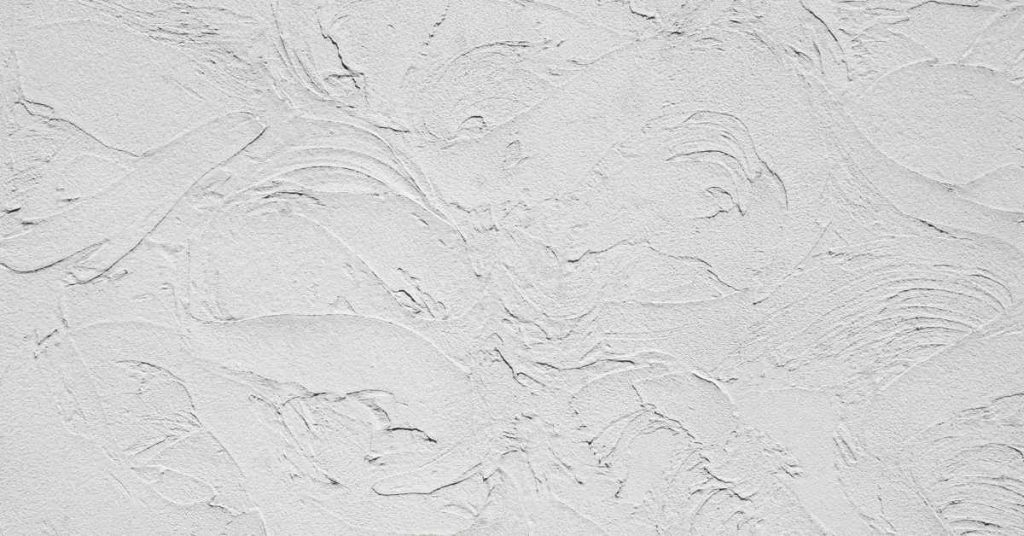
Skim coating over textured plaster is applying a thin, smooth layer to even out high spots and create a flat surface. You’ll knock down the high spots, then skim with lightweight compound to blend the texture. Start by inspecting for obvious ridges and plan where you’ll feather edges.
Before you start, confirm you have the right materials and follow the manufacturer’s instructions and local rules. Work in small areas, knock down any peaks, then skim again to keep flatness consistent. If you see sags, ridges, or unevenness, rework the area and check with a straightedge or guide.
Key takeaways
- Assess plaster texture and height differences before skim coat; plan knockdown strategy.
- Inspect and repair cracks, bulges, and delamination with compatible patch materials.
- Gather tools: trowels, hawk, mud pan, sanding blocks, microfiber cloths.
- Mix skim coat per manufacturer instructions and test on small area first.
- Apply thin even coat, allow to set lightly, and knock down high spots consistently.
- Use straightedge or laser for flatness checks; mark high spots for correction.
- Wear eye/respiratory protection; ventilate area; clean spills promptly to avoid slip hazards.
Table of Contents
- Introduction
- Key takeaways
- Initial Assessment and Planning
- Tools and Materials Checklist
- Surface Preparation and Repairs
- Mixing and Applying the Skim Coat
- High-Spot Knockdown Techniques
- Flatness Checks and Measurement Methods
- Sanding, Finish Correction, and Prevention of New Highs
- Final Inspection, Priming, and Painting Prep
- Conclusion
- FAQ
Initial Assessment and Planning
Begin by evaluating the textured plaster for adhesion, moisture, cracks, and the extent of high spots. This helps you decide if skim coating is appropriate or if more extensive repair is needed. Look for loose finish, damp stains, and areas that delaminate with touch.
Verify any product labels, datasheets, or manufacturer instructions to confirm suitability for plaster substrates. Check local code or rules if moisture or ventilation impacts coating decisions, and document all observations before starting.
Visual inspection checklist
Before you start, use this checklist to assess your textured plaster. It’s quick and helps you spot issues early.
- Loose texture: Gently push on the texture. If it feels loose or crumbles, note it down.
- Delamination: Check for any areas where the texture is peeling off from the wall.
- Staining: Look for water stains or discoloration, which could indicate moisture issues.
- Mold: Inspect for any signs of mold growth, especially in damp areas like bathrooms.
- Cracks: Check for hairline cracks or larger ones. Note their size and location.
- High spots: Look for peaks, ridges, or seams that might need extra attention.
- Dust: If there’s a layer of dust on the texture, it could affect adhesion.
- Previous repairs: Note any areas where previous repairs have been made.
Quick rule: Don’t skip this step. It helps you plan your work and avoid surprises later.
Simple adhesion and moisture checks
Before skim coating, check the adhesion of the existing texture and for signs of moisture.
Adhesion test: Gently scratch the surface with a coin or a key. If the texture comes off easily, it might not adhere well enough for skim coating.
Moisture check: Look for any signs of water damage like stains, warping, or musty odors. Also, check if the wall feels cold to touch in some areas, as this could indicate moisture behind the plaster.
Mold check: If you suspect mold, use a black light to reveal it. Moisture and mold can affect your skim coat’s performance.
Mapping high spots and problem areas
Before you start working, mark out the high spots and problem areas. This helps you prioritize your work and ensures a smooth finish.
Use a pencil or a marker to draw circles around high spots, ridges, and seams. You can also use different colors to categorize issues – for example, red for high spots that need immediate attention, blue for cracks, etc.
Prioritize: Start with the highest points and work your way down. This helps you avoid making a mess of areas you’ve already worked on.
Document: Take photos or make notes to keep track of what you’ve done and where. This is especially helpful if you’re working in stages.
Tools and Materials Checklist
Assemble a DIY-friendly set of hand and power tools, mixing buckets, and a margin trowel. Include a drywall knife, sanding tools, and a clean mixing paddle. Have a level, straightedge, and a bucket mixer ready for consistent batches.
Choose joint compound or skim coats labeled for plaster, plus appropriate primers and sealers. Add safety gear like eye protection and a respirator, and always read product labels or manufacturer instructions to match substrates and conditions.
Recommended tools and why they matter
Before you start, make sure you have the right tools for the job. Here’s a quick checklist to ensure you’re well-equipped.
- 6-inch and 12-inch taping knives: For applying and spreading compound. The 6-inch is great for details, while the 12-inch covers larger areas quickly.
- Hawk: Holds the compound as you work, keeping your hands clean.
- Mixer: Essential for mixing compounds to a smooth consistency. A drill with a paddle attachment works well.
- Straightedge or level: To check and maintain flatness during application.
- 9-inch and 12-inch broad knives (for knockdown): For spreading and flattening the final coat.
- Sanding tools (sponges, poles, or orbital sander): To smooth out any imperfections after knockdown.
- Work lights: Good lighting is crucial for seeing what you’re doing, especially when sanding.
- Dust mask and safety glasses: Protect yourself from dust and debris during sanding and demolition.
Quick rule: Having the right tools makes your job easier and ensures a better finish.
Compound types and bonding primers
Choosing the right compound and primer is key to a successful skim coat. Here’s what you need to know.
- Ready-mix compounds: Pre-mixed, easy to use, but may have a shorter shelf life once opened.
- Setting-type compounds: Powdered form that you mix with water. Offers more control over consistency and working time.
- Bonding primers (PVA or acrylic): Enhances adhesion of compound to plaster, especially on textured surfaces.
- Additives (polymer fortifier, retarder): Improves durability and extends working time. Optional but helpful for larger projects.
Quick rule: For textured plaster, always use a bonding primer to ensure proper adhesion.
Safety and dust-control gear
Working with drywall compounds generates a lot of dust. Here’s how to protect yourself and contain the mess.
- Respirator or dust mask: Protects your lungs from airborne particles.
- Safety glasses: Shields your eyes from debris.
- Gloves: Keeps your hands clean and protected from compounds and dust.
- Drop cloths or plastic sheeting: Covers floors and furniture to contain dust and make cleanup easier.
- Wet sanding (optional): Uses water to control dust during final sanding. Requires proper extraction or containment.
Quick rule: Always wear appropriate PPE, and contain the work area to minimize cleanup and health risks.
Surface Preparation and Repairs
Clean the surface to remove dirt, dust, and grease. Remove loose texture and chips, and fill cracks and voIes to create a solid base. Profile the edges so the skim coat can transition smoothly to surrounding areas.
Mask adjacent surfaces and vacuum or wipe away dust as you go. Follow the product instructions for curing times and re-cleaning before applying the next layer, and verify any required repairs against local guidelines.
Removing loose texture and contaminants
Start by wearing safety gear – goggles, gloves, and a dust mask. Use a scraper or putty knife to gently remove any flaking texture. Be careful not to damage the underlying surface.
Vacuum up any debris. Then, use a damp cloth to wipe down the walls, removing any dirt or contaminants. Let it dry before proceeding.
Never power wash textured surfaces as it can cause further damage and create high spots.
Repairing cracks, delamination, and hollows
Inspect your walls for cracks, delaminated areas (where plaster is lifting), or hollow spots. Use a tap test – knock gently with a screwdriver handle; if it sounds hollow, you need to repair.
For small cracks, fill them with a suitable filler and let it dry. Sand smooth. For larger issues, open the crack or delaminated area, clean, and apply a flexible adhesive before skim coating.
Hollows can be filled with a lightweight aggregate mix or expanding foam before skim coating.
Priming and bonding steps before skim coating
A bonding primer or PVA is crucial for good adhesion. Use it when your substrate is porous, has a high suction rate, or is difficult to adhere to (like new plaster).
Apply the primer evenly with a roller or brush, following the manufacturer’s instructions. Let it dry as directed before skim coating.
Never use a primer if your substrate is already well-adhered and not porous. It can cause problems with adhesion instead.
Mixing and Applying the Skim Coat
Mix the skim coat to a workable, scoopable consistency that holds on a trowel without sagging. Avoid over-watering or thinning beyond recommendations. Stir until the mixture looks uniform with no clumps.
Apply full-coverage thin coats using proper trowel technique to avoid thick ridges or air pockets. Maintain a consistent pass, and consult the product instructions for recoat windows and cure times before the next layer.
Visual cues for proper mixing consistency
The perfect skim coat compound should look like thick, creamy peanut butter. It’s ready when it holds its shape but slowly drips off the trowel.
Here’s what to watch for:
Too thin: Runs off the trowel like soup. Add more compound or slow down your mixing water.
Too thick: Stands tall on the trowel, doesn’t spread easily. Add a bit of water and mix well.
Trowel and knife technique for even coverage
Achieving an even layer is key to a smooth finish. Here’s how:
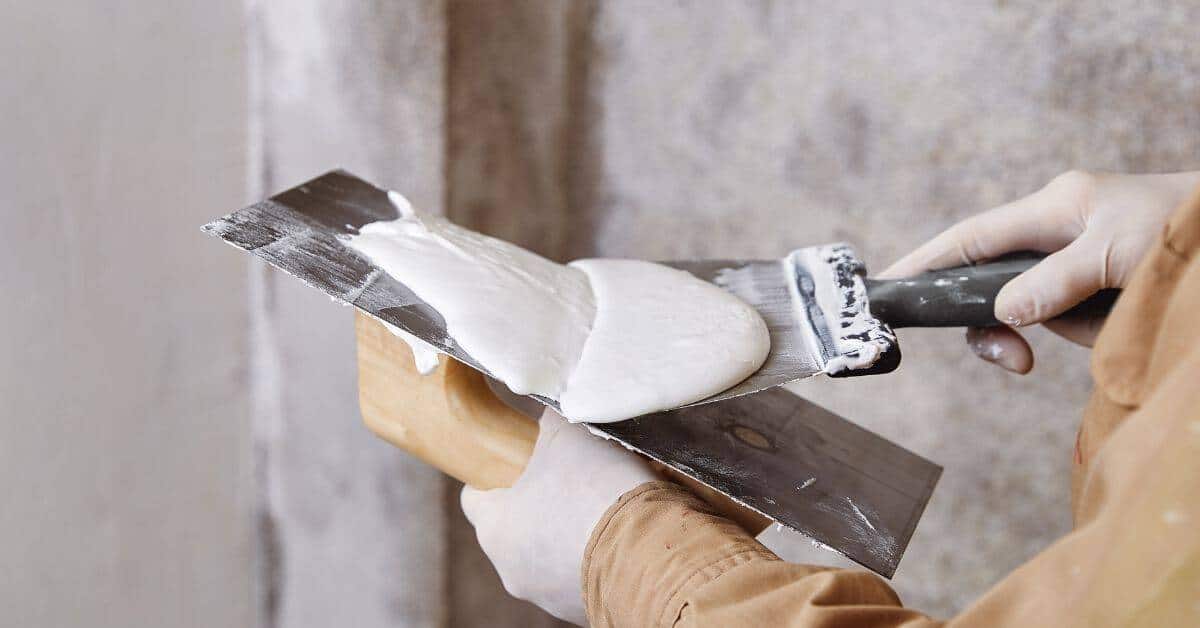
Start with a 6-inch trowel, spread the compound in wide, overlapping ‘M’ or ‘W’ strokes.
Use light pressure at first, then firm up as you get a feel for it. Aim for a thin layer – about 1/32 to 1/16 inch thick.
Once you’ve covered the area, switch to a 12-inch trowel. Use long, smooth strokes to spread and level the compound. Keep your wrist relaxed and let the trowel glide over the surface.
Feathering and working edges
Proper edge work prevents ridges that can become high spots after drying. Here’s how to feather:
As you approach an edge, use a 4-inch trowel. Start at the wall or ceiling line and spread the compound outwards in short, smooth strokes.
Gradually reduce pressure as you reach the outer edge. This ‘feathers’ the compound, creating a thin, blended layer that won’t ridge up.
For corners, use a corner trowel to create a sharp, clean line. Again, feather outwards to avoid ridges.
High-Spot Knockdown Techniques
Identify high spots by feel and sight across the surface, noting any ridges or bulges. Use a sharp blade or scraper to remove excess texture from elevated areas. Follow with a light knockdown pass to level the surface.
If needed, re-coat the affected areas after the first skim coat cures, ensuring compatibility with existing texture. Always verify tool and material compatibility by checking the manufacturer guidance.
Identifying true highs vs optical irregularities
Before you start scraping, it’s crucial to know what you’re dealing with. Some ‘high spots’ might just be shadows or sheen from the paint.
Use a low-angle light source or a flashlight to cast a clear shadow over the surface. True highs will cast distinct shadows; optical irregularities won’t.
Pro tip: Don’t rely o