
Introduction
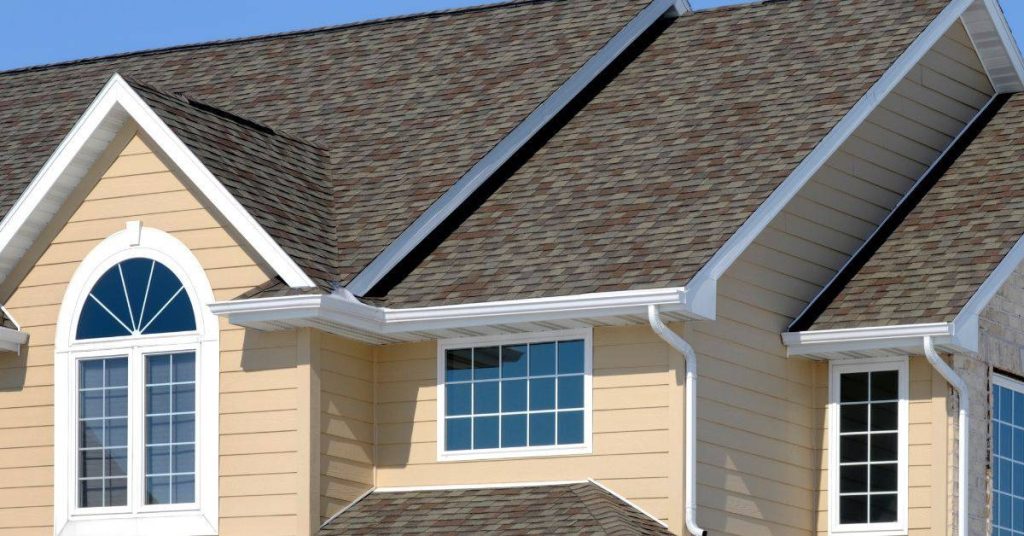
Shingle vs tile roofs are two common roofing options you choose between based on how you’ll use the building. The right pick depends on factors like climate, maintenance, weight, and budget, so think about what matters most for your project.
Shingle roofs are usually lighter and cheaper to install, while tile roofs add curb appeal and long-term durability. Disadvantages include that shingles can wear faster in harsh weather and tiles require a strong understructure and careful maintenance; always check local rules and product labels for weight limits and installation guidelines.
Key takeaways
- Shingle roofs are easier to install on a DIY schedule and budget.
- Tile roofs require careful roof framing and professional installation for longevity.
- Shingles install faster but may need more frequent replacement or repair.
- Tile roofs resist impact and heat gain when properly installed.
- Always wear gloves and eye protection during install and flashing work.
- Check HOA and local codes before choosing material and roof dimensions.
Table of Contents
- Introduction
- Key takeaways
- Quick Overview: Shingles Vs Tiles
- Advantages of Shingle Roofs
- Disadvantages of Shingle Roofs
- Advantages of Tile Roofs
- Disadvantages of Tile Roofs
- Long-Term Cost Comparison and Roi by Use Case
- Environmental Impact and Energy Efficiency
- Regulations, Hoa, and Code Considerations
- Conclusion
- FAQ
Quick Overview: Shingles Vs Tiles
Shingles are typically asphalt or composite, while tiles are clay, concrete, or ceramic. Weight, installation needs, and common subtypes differ in how they’re supported and installed on a roof.
Lifespan and durability vary with climate and maintenance, and cost profiles reflect material and labor over time. Roof form, attic space, and ventilation influence which option fits best, along with curb appeal and neighborhood standards.
What shingles are (types & features)
Shingles are a popular choice for roofing due to their affordability and ease of installation. They’re typically made from asphalt or fiberglass.
Asphalt shingles are the most common. They come in two main styles:
- 3-tab: These are basic, flat shingles with a simple design and a 20-30 year lifespan.
- Architectural: Also known as dimensional or laminate shingles, they have a layered look and last longer (up to 50 years).
Fiberglass shingles are more durable and fire-resistant. They’re usually architectural-style.
What tiles are (materials & features)
Tiles offer a classic, elegant look for your roof. Material choices affect their appearance and performance.
- Clay: Traditional clay tiles have a natural, earthy look. They’re heavy (up to 800 lbs per square), durable, and fire-resistant. Avoid in areas with frequent freeze-thaw cycles as they can crack.
- Concrete: Concrete tiles mimic the look of clay but are more affordable. They’re also heavy (around 600 lbs per square) and long-lasting. Check for a high compressive strength rating to ensure durability.
- Synthetic: These are lighter, cheaper alternatives made from plastic or rubber. They mimic the look of natural materials but may not last as long and can fade over time.
Advantages of Shingle Roofs
Short-term cost tends to be lower for shingles, with material and installation often cheaper than tile options. This can translate to quicker project starts and smaller upfront commitments.
Installation is typically fast, and there’s broad contractor availability. Shingles offer wide design and color variety to boost curb appeal affordably.
Cost and installation benefits
Asphalt shingles are the most affordable roofing material upfront. Expect to pay around $100 – $200 per square (100 sq ft). That’s about half the cost of tile or metal roofs.
The labor costs are also lower due to simpler installation. Most contractors charge between $350 – $600 per square for labor, making shingle installs around 30% cheaper than tiles.
Shingles go on fast too. A crew can install 100 sq ft in a day or two, depending on the roof’s complexity. This speed helps keep project timelines short and labor costs down.
Tip: Shingle installs are less weather-dependent than tiles. They can be installed in temperatures as low as 20°F (-7°C), making them a good choice for colder regions with shorter installation windows.
Design flexibility and replacement ease
Shingles come in various styles – from traditional three-tab to architectural, which mimic the look of slate or wood. They also offer a wide range of colors to match your home’s aesthetic.
The interlocking design makes shingles easy to repair or replace. If a few shingles get damaged, you can simply remove and replace them without affecting the rest of the roof. This isn’t possible with tiles, which often require partial re-roofing.
Shingles also allow for phased replacements. If your budget doesn’t cover the entire roof at once, you can do one section at a time without compromising the integrity of the whole system.
Note: While shingles offer great flexibility, they may not be suitable for roofs with pitches below 4/12 due to their interlocking design.
Disadvantages of Shingle Roofs
Service life for shingles varies and is generally shorter than tile in harsh climates, with climate and roof orientation affecting longevity. Expect more frequent maintenance and potential replacement cycles.
Weather vulnerabilities include wind uplift, hail impact, and granule loss, which drive ongoing upkeep. Consider how local conditions influence roof performance and DIY feasibility.
Durability limits and maintenance needs
Shingle roofs typically last between 15 to 25 years, depending on the quality of materials and local conditions. Lower-quality shingles may only last a decade or less.
Signs of failure include curling edges, cupping in the middle, and granule loss. Regular inspections can help catch these issues early. Flashings around chimneys, vents, and skylights should be checked annually for leaks.
Maintenance tasks include keeping gutters clear of leaves, preventing moss and algae buildup with periodic cleaning or treatment, and resealing any exposed nail heads to prevent water intrusion. Expect to spend a few hundred dollars every 5-7 years on maintenance.
Performance in extreme climates
High-heat regions can shorten shingle lifespan due to UV degradation. Shingles may become brittle and crack, leading to leaks. In such areas, consider algae-resistant or cooling shingles.
High-wind areas pose a risk of wind uplift, especially on lower-pitched roofs. Shingles may peel off, leaving the roof vulnerable. Ensure your shingles meet local wind resistance standards and consider using additional fasteners if needed.
Hail-prone regions can cause significant damage to shingles, leading to granule loss and leaks. Impact-resistant shingles are an option for these areas, but they come at a higher cost. Always check your insurance policy regarding hail damage coverage.
Advantages of Tile Roofs
Tile roofs offer long lifespans and durable performance, often surpassing shingles in many climates. Substrates, climate, and maintenance influence how long tiles last and when replacements may be needed.
They provide strong fire resistance, distinctive aesthetics, and robust wind uplift performance. The architectural look and color options can elevate curb appeal in many home styles.
Longevity, durability, and safety
Tile roofs are built to last. With proper installation, you’re looking at 50+ years of service. That’s more than double the lifespan of shingles.
Climate and maintenance play a role in longevity. In harsh climates like ours, tiles hold up better due to their resistance to rot, UV damage, and fire. They won’t curl or crack like shingles under extreme heat or cold.
Proper installation is key for safety too. Tiles are heavy, so they stay put in high winds. With the right underlayment and fasteners, a tile roof can withstand wind uplift better than most other materials.
Aesthetics and energy performance
Tile roofs add instant curb appeal. With various colors, profiles, and textures, they complement any architectural style. From classic red to modern terracotta, you’ve got options.
Tiles’ thermal mass can help regulate attic temperatures. They absorb heat during the day and release it at night, keeping your home cooler in summer. Some tiles even come with reflective coatings for extra cooling power.
Maintenance is minimal but not zero. Occasional cleaning might be needed to keep moss or dirt from building up. But compared to shingles’ regular repairs, that’s a small price to pay.

Disadvantages of Tile Roofs
Upfront costs are higher for tile roofs, reflecting materials, labor, and installation complexity. Budget planning should account for longer project timelines and potential extra expenses.
Structural load is substantial, often requiring a professional assessment and possible retrofits. Installation and future repairs are more specialized and may limit DIY feasibility.
Structural requirements and installation complexity
Tile roofs are heavy. Before you start, get a professional to check your roof’s structure. They’ll tell you if it needs reinforcing or retrofitting – that could mean extra costs for joists or framing.
Expect added costs: Reinforcement can run $200-$500 per joist. It’s worth it, though, to avoid costly repairs later on.
Tile installation is tricky. You need experienced pros who know how to lay them right. They’ll ensure your tiles are aligned properly and won’t crack under pressure. Don’t skimp: Hire good installers or you might end up with leaks, misaligned tiles, or worse.
Cost trade-offs and repair considerations
Tile roofs cost more upfront. But they last longer than shingles, so you might save in the long run. Just remember, budget for maintenance: Tiles need care to keep them looking good.
Repairing tiles isn’t like fixing shingles. You can’t just patch a spot. Often, you’ll have to replace whole tiles. That’s more work and more cost. But it keeps your roof looking neat.
Hidden expenses: Underlayment and specialty flashings can add to the bill. Make sure you factor those in when planning your budget. And don’t forget about maintenance – cleaning, inspecting, and replacing tiles as needed.
Long-Term Cost Comparison and Roi by Use Case
Total cost of ownership compares upfront costs, maintenance, energy impacts, and potential resale value over the roof’s life. Check your local conditions and expected life when estimating TCO.
Consider replacement cycles, warranty terms, and how a roof choice affects different property types. Gather local pricing, typical installation times, and maintenance costs to ground your numbers.
Total cost of ownership (TCO) factors
The total cost of owning a roof is more than just the upfront price. Here are key factors to consider:
Initial Purchase & Installation: Shingles are cheaper, around $100-$200 per square (100 sq ft), while tiles range from $300-$800.
Maintenance: Shingles need more frequent maintenance and repairs. Tiles last longer but may require professional cleaning or repair.
Insurance & Energy Savings: Some insurers offer discounts for tile roofs due to their durability. Both can save on energy bills, with tiles offering better insulation.
Use-case scenarios and sample recommendations
Different situations call for different roofing choices:
Short-term Ownership: If you plan to sell soon, shingles are a better investment due to their lower upfront cost.
Coastal/High-wind Areas: Tiles hold up better in high winds and salt corrosion. Consider Class 4 impact-resistant tiles for hail-prone regions.
Historic/Architectural Homes: Tiles often fit the aesthetic better, but check structural integrity can support their weight.
Hot Climates: Both work well in heat, but tiles reflect more sun rays, keeping homes cooler. Consider light-colored options for best results.
Environmental Impact and Energy Efficiency
Compare embodied energy and raw materials for shingles versus tiles, and look at end-of-life options. Production, transport, and disposal all play a role in sustainability.
Recyclability and long-term waste are relevant, as is cooling and heating impact on indoor comfort. Practical options like cool shingles or reflective coatings can influence performance and costs over time.
Sustainability metrics to check
When comparing shingles and tiles, look for these sustainability specs:
Recycled Content: