Search Results for: wood in concrete floor

Person painting wood siding with white primer brush

Primer Compatibility Chart: Water-Based vs. Oil-Based vs. Shellac (What Can Go Over What)

Introduction Primer compatibility means choosing the right primer for the surface and topcoat so the finish adheres and lasts. Different primers are designed to bond to different surfaces and to seal, block stains, or prevent bleed-through. Always check the label for what the primer can be applied over and what the topcoat can be used […]
Primer Compatibility Chart: Water-Based vs. Oil-Based vs. Shellac (What Can Go Over What) Read More »

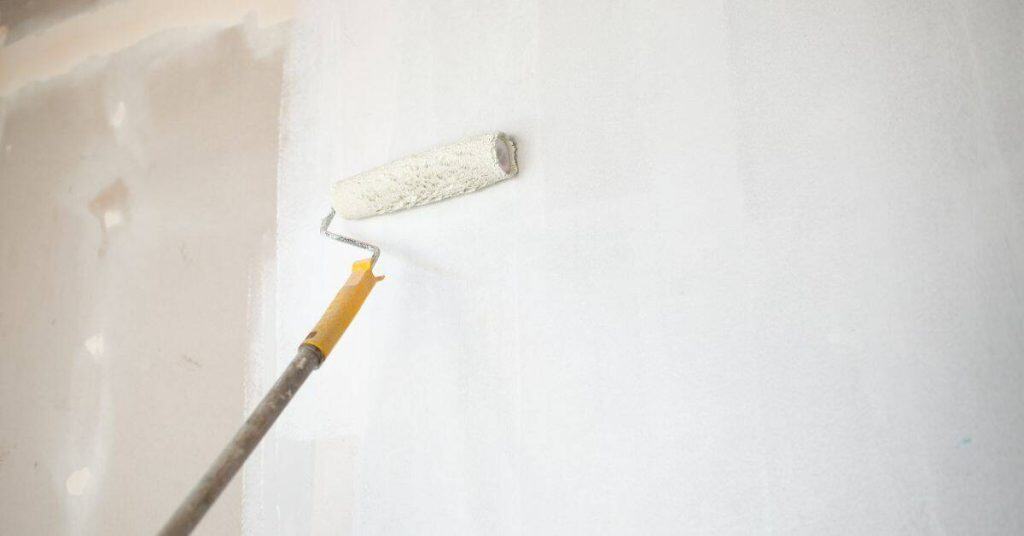
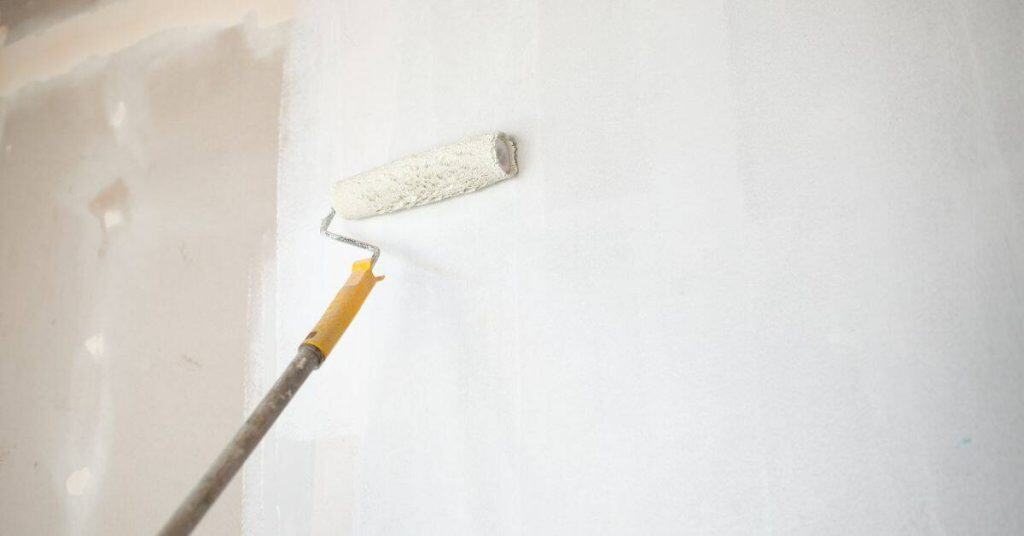
Paint roller applying white primer on drywall

How to Use Shellac Primer Safely Indoors: Ventilation and Cleanup for DIYers

Introduction Shellac primer indoors should be used with good ventilation and careful cleanup. Start by cleaning the surface, removing dust, and fixing any rough spots before you apply. Always check the product label and manufacturer instructions for surface prep and ventilation guidance. When applying, use thin, even coats and follow the grain, avoiding heavy builds.

How to Use Shellac Primer Safely Indoors: Ventilation and Cleanup for DIYers Read More »

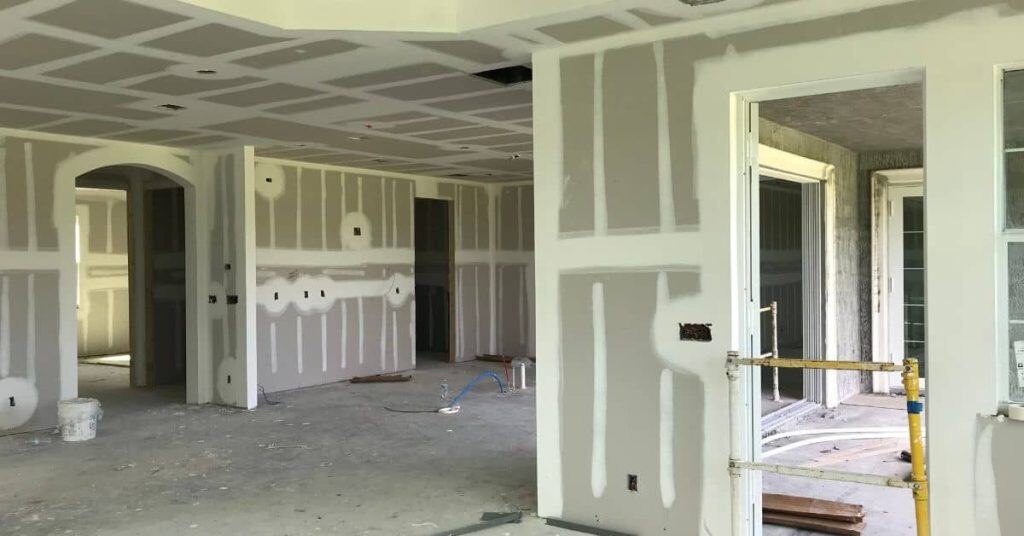
Interior room with drywall panels taped and mudded

Repairing Drywall After a Plumbing Leak: Drying, Mold Checks, and Rebuild Steps

Introduction Repairing drywall after a plumbing leak means drying the area, assessing damage, and preparing for a rebuild. Start by removing standing water and letting the space dry thoroughly before touching the wall. Check for soft spots or blistering drywall and note any areas that need removal. Then look for mold signs like stains or

Repairing Drywall After a Plumbing Leak: Drying, Mold Checks, and Rebuild Steps Read More »

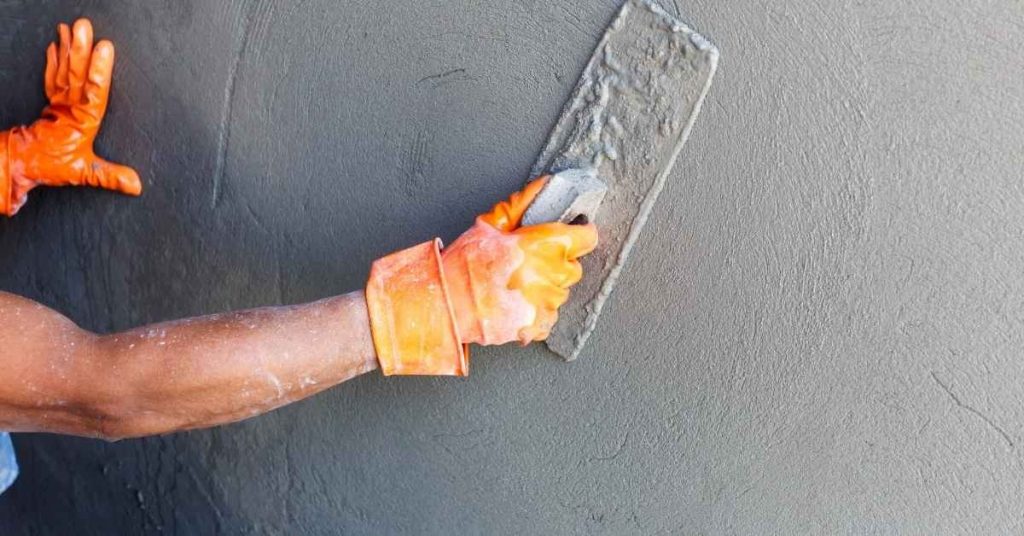
Person applying plaster on wall with trowel wearing orange gloves

Drywall Texture Matching: Orange Peel vs. Knockdown vs. Skip Trowel (DIY Spray vs. Hand)

Introduction Drywall texture matching is the process of reproducing a wall’s texture so new work blends with the old. It covers orange peel, knockdown, and skip trowel textures, whether you spray or hand‑apply. You’ll decide based on what you’re trying to reproduce and what tools you have on hand. Start by inspecting the existing surface

Drywall Texture Matching: Orange Peel vs. Knockdown vs. Skip Trowel (DIY Spray vs. Hand) Read More »

Vinyl corner bead strip with perforations beside orange safety mesh.

Corner Bead Choices: Metal vs. Vinyl vs. Paper-Faced (When Each One Wins)

Introduction Corner bead choices are metal, vinyl, or paper-faced trims used to form and protect drywall corners. Metal beads are sturdy, vinyl beads stay flexible, and paper-faced beads rely on drywall paper and mud to hold shape. This article keeps the talk practical for DIY installs. To pick one, consider where the corner will see

Corner Bead Choices: Metal vs. Vinyl vs. Paper-Faced (When Each One Wins) Read More »

Paint roller applying white primer on drywall

Painting Over Nicotine-Stained Walls: The Primer Stack That Stops Yellow Bleed

Introduction A primer stack is a layered use of stain-blocking primers to stop nicotine bleed. Think of it as sealing the wall with the right primer before you paint. You’ll typically start with cleaning, choosing primers, and letting them dry per label. Then you build the finish with a topcoat that suits the surface after

Painting Over Nicotine-Stained Walls: The Primer Stack That Stops Yellow Bleed Read More »

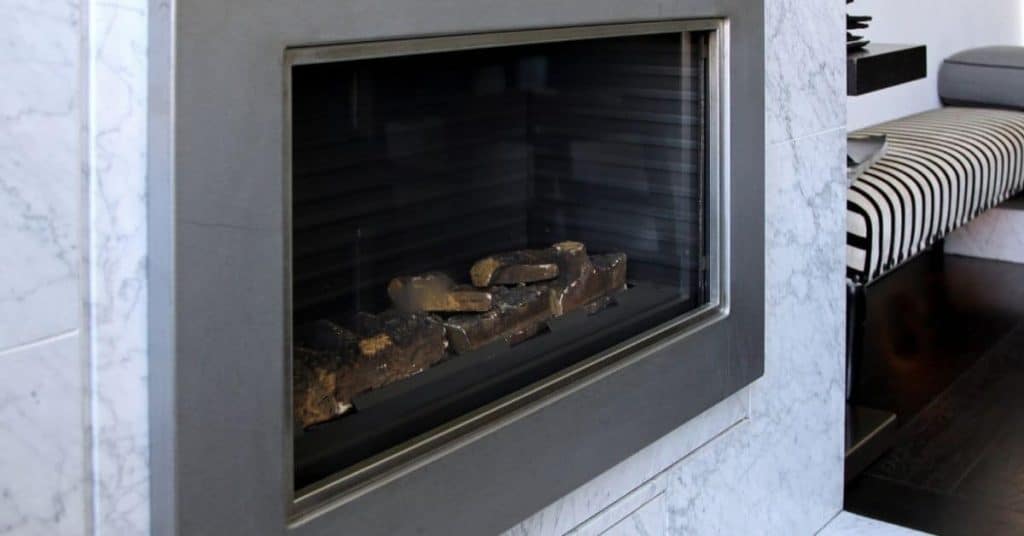
Modern gas fireplace with marble surround and striped bench nearby

How to Paint After Small Fire/Smoke Damage: Soot Removal, Odor Sealing, and Recoat Timing

Introduction This guide explains how to repaint after small fire and smoke damage. First, assess visible soot and smoke residue and clean the affected surfaces well. Use the right cleaners, wipe without rubbing, and remove loose debris before sealing. Odor sealing is used to lock in smells before a new coat. Check the product label

How to Paint After Small Fire/Smoke Damage: Soot Removal, Odor Sealing, and Recoat Timing Read More »

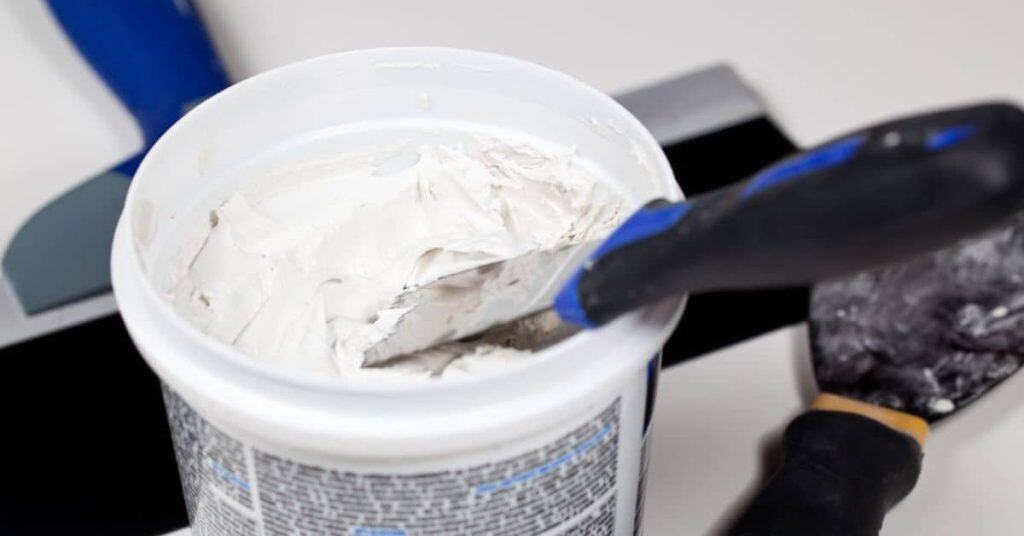
White spackle putty in tub with putty knife

How to Fix ‘Crawling’ Paint on Previously Waxed Surfaces (Decontamination Steps)

Introduction Crawling paint on previously waxed surfaces is paint that beads and drags, failing to adhere because a wax film repels the coating. This usually shows up where wax or cleaners were used before painting. You’ll fix it by cleaning, removing the wax, and preparing the surface for a fresh coat. Decontamination means removing the

How to Fix ‘Crawling’ Paint on Previously Waxed Surfaces (Decontamination Steps) Read More »

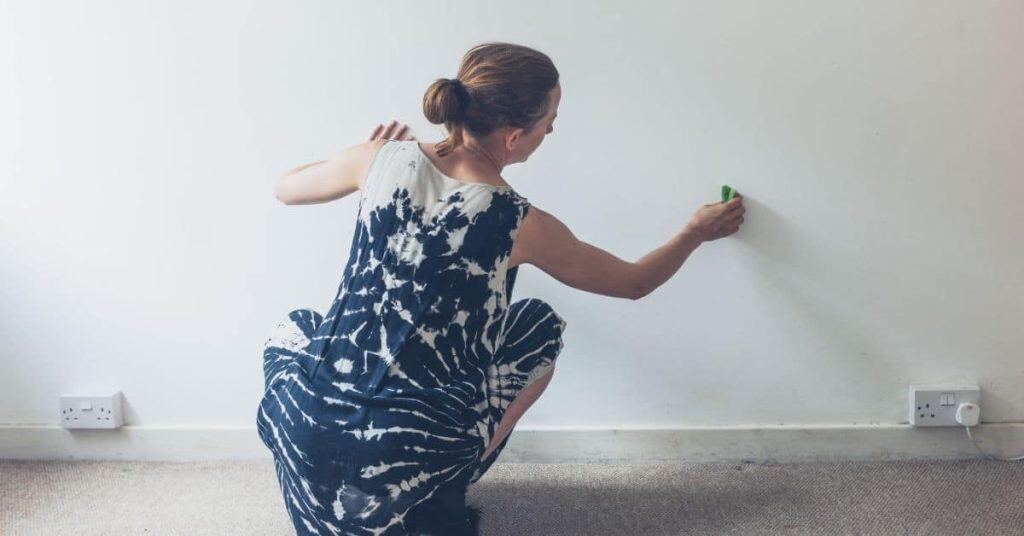
Woman inspecting white wall near carpeted floor

Blocking Water Stains on Ceilings: Drying Checks Before You Prime and Paint

Introduction Blocking water stains on ceilings means stopping moisture and stains from showing through the paint by drying and prepping the surface before priming. You’ll want the area to feel dry, flat, and clean before you apply any primer. This is a hands-on, practical step you can handle with common tools and a bit of

Blocking Water Stains on Ceilings: Drying Checks Before You Prime and Paint Read More »

Person painting white kitchen cabinets with small brush

How to Paint Glossy Laminate Cabinets Without Peeling (Bonding Primers and Scuff Tests)

Introduction Bonding primers and proper surface prep are what keep glossy laminate cabinets from peeling. This article walks you through practical steps you can take at home to prep, test adhesion, and apply a durable finish. You’ll learn how to evaluate the surface and choose the right primer for a long-lasting bond. Start with a

How to Paint Glossy Laminate Cabinets Without Peeling (Bonding Primers and Scuff Tests) Read More »