Search Results for: wood in concrete floor

spiked roller on freshly applied epoxy floor coating

Epoxy Thinset vs. Cement Thinset: Where Epoxy Is Worth It (and where it’s trouble)

Introduction Epoxy thinset is a two‑part adhesive that uses epoxy as the binder, offering a tougher, more chemical‑resistant bond than plain cement thinset. In DIY terms, it sets slower and can be trickier to mix and apply, so it’s not always the best choice for every job. Check manufacturer instructions for mixing ratios, pot life, […]

Epoxy Thinset vs. Cement Thinset: Where Epoxy Is Worth It (and where it’s trouble) Read More »

Man laying floor tiles on cement base in room

Installing Ditra-Heat or Similar Uncoupling Heat Membranes: Common DIY Mistakes

Introduction Installing Ditra-Heat or similar uncoupling membranes is a DIY method to protect tile from cracks by decoupling the tile from the substrate. Common mistakes include rushing layout, skipping dry fitting, and not verifying the floor is flat and ready. Always check the product label and your local rules before starting. Before laying, pre-lay membrane

Installing Ditra-Heat or Similar Uncoupling Heat Membranes: Common DIY Mistakes Read More »

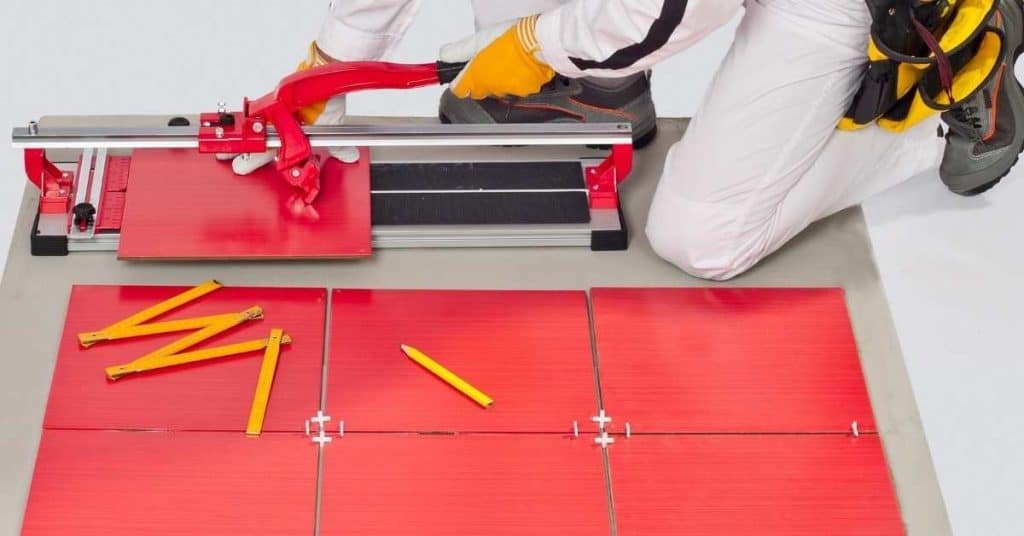
Person cutting red ceramic tile with manual tile cutter

How to Tile Over Radiant Heat Mats: Layout, Thickness Buildup, and Sensor Placement

Introduction Tile over radiant heat mats means installing tile on top of an electric floor heating mat with a careful layout plan. This introduction covers how to plan tile layout, where to place sensors, and how to account for depth as you build up. It’s a hands-on DIY approach, not a product pitch, so check

How to Tile Over Radiant Heat Mats: Layout, Thickness Buildup, and Sensor Placement Read More »

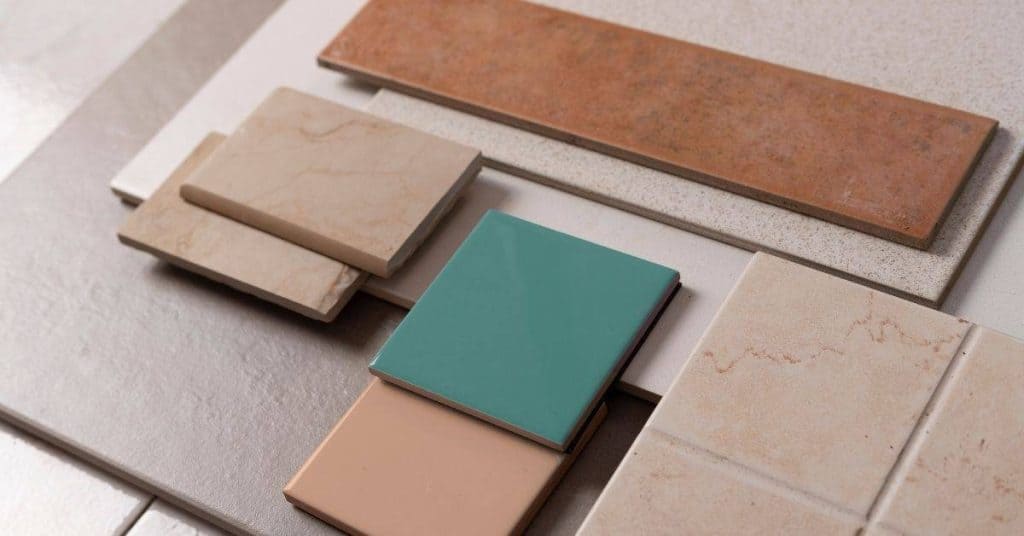
Various ceramic and porcelain tile samples arranged on a surface

Tile Trim Profiles Explained: Metal vs. PVC vs. Bullnose (Clean Edges for DIYers)

Introduction Tile trim profiles are the finishing edges and transition pieces that give tiles a clean, protected edge and smooth corners as you tile a wall or floor. Common options include metal trims (like aluminum or stainless steel), PVC trims, and bullnose edge trims, each with its own look and install feel. The best choice

Tile Trim Profiles Explained: Metal vs. PVC vs. Bullnose (Clean Edges for DIYers) Read More »

Man applying caulking near white baseboards on tile floor

Using Anti-Skid Additives in Paint: Correct Ratios and Where Not to Use Them

Introduction Anti-skid additives are materials you mix into paint to create a textured, non-slip surface. They add traction for safer walking on stairs, porches, ramps, and other wet or slick areas. Always read the product label and manufacturer instructions to understand how they work with your paint and surface. Correct ratios depend on the specific

Using Anti-Skid Additives in Paint: Correct Ratios and Where Not to Use Them Read More »

Blue paint roller resting on an open paint can

How to Prevent ‘Cratering’ in Clear Coats and Varnishes on DIY Projects

Introduction Cratering in clear coats is when the finish shows tiny pits or craters after drying. This can happen from improper thinning, debris, or moisture in the air, and it spoils the look and protection. To avoid it, stick to careful prep and clean, even application steps. Use proper dilution only as directed on the

How to Prevent ‘Cratering’ in Clear Coats and Varnishes on DIY Projects Read More »

black painted brick wall with uneven paint coverage

How to Paint a Brick Fireplace Safely: Heat Considerations and Soot-Sealing Prep

Introduction Painting a brick fireplace safely means choosing heat‑rated paint and preparing the surface to handle heat and soot. Start by inspecting for damaged bricks and planning to seal soot before painting. This article explains preparation steps, how to seal soot, and how to pick the right finish in plain, hands‑on language. Benefits of painting

How to Paint a Brick Fireplace Safely: Heat Considerations and Soot-Sealing Prep Read More »

Worker in protective suit spray painting white wall indoors

Painting Around HVAC Registers and Returns: Clean Edges Without Gummed-Up Grilles

Introduction Painting around HVAC registers and returns means masking and preparing the edges so paint doesn’t bleed into the grilles. Prep the area by removing loose debris and laying down drop cloths, then set up masking to protect the grille openings. Keep grilles clean before you start to help the paint stick and to prevent

Painting Around HVAC Registers and Returns: Clean Edges Without Gummed-Up Grilles Read More »

Smooth white ceiling with recessed lighting fixture hanging

How to Paint Over Cracked Paint: When to Scrape, When to Feather, When to Skim

Introduction Scraping, feathering, or skim coating cracked paint are the three main ways to treat cracked paint before repainting. The choice depends on how deep the cracks are and how smooth you want the surface to be. Check labels and local rules if you need exact limits or product compatibility. Use scraping when paint is

How to Paint Over Cracked Paint: When to Scrape, When to Feather, When to Skim Read More »