Search Results for: wood in concrete floor

Black and white marble tile surfaces

Tadelakt vs Tile: Where Tadelakt Works, Where It Fails, and What to Use Instead

Introduction Tadelakt is a traditional lime plaster finish used on walls and wet areas. This article offers a plain‑spoken look at where it works well, where it doesn’t, and what you should consider as a DIYer. We cover the basic idea of applying it, the materials you’ll need, and when tiling might be a safer

Tadelakt vs Tile: Where Tadelakt Works, Where It Fails, and What to Use Instead Read More »

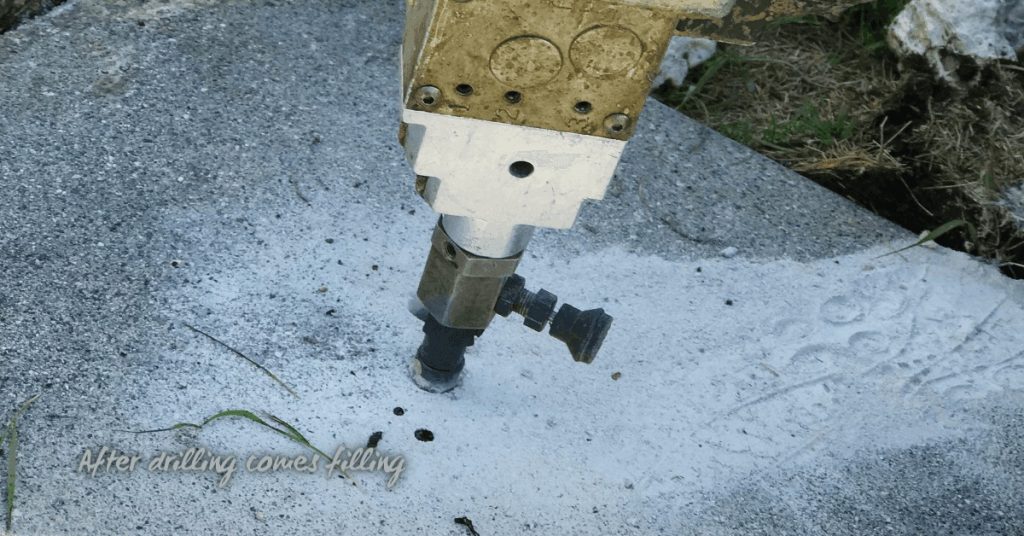
drill bit making hole in concrete slab outdoors

Radon Rough-In Under a Slab: Pipe Routing, Sealing, and Must-Have Details

Introduction Radon rough-in under a slab is routing and sealing a pipe under a concrete floor to vent soil gas safely. Do this with plain instructions: plan the path, verify access, and seal joints to limit leaks, while following local rules and manufacturer notes. Before you start, check local rules and follow any recommended testing

Radon Rough-In Under a Slab: Pipe Routing, Sealing, and Must-Have Details Read More »

Blue swimming pool water next to exposed aggregate concrete edge

Capillary Break Under Slabs: Materials, Foam-Glass Options, and Edge Details That Work

Introduction A capillary break under slabs is a layer or treatment that stops water from wicking from the soil into the concrete. In plain terms, it keeps moisture away from the slab to prevent dampness and cracking. Choose a method and materials that fit your climate and slab design. Foam-glass options can be used as

Capillary Break Under Slabs: Materials, Foam-Glass Options, and Edge Details That Work Read More »

Stacks of red bricks wrapped on wooden pallets outdoors

Alternative Building Materials Compared: Hempcrete, Limecrete, Rammed Earth, and Geopolymer

Introduction This article compares hempcrete, limecrete, rammed earth, and geopolymer concrete as alternative building materials. In plain terms, these are non-traditional mixes and methods used for walls, floors, and envelopes in DIY projects. If you’re planning a project, check product labels, manufacturer instructions, and local rules for guidance on handling, curing, and compatibility with other

Alternative Building Materials Compared: Hempcrete, Limecrete, Rammed Earth, and Geopolymer Read More »

gray painted kitchen cabinets marble backsplash green plant on counter

Kitchen Paint Colors That Boost Creativity: Palettes, Undertones, and Easy Pairings

Introduction Kitchen paint colors that boost creativity are hues and pairings that help you think clearly and feel energized while cooking. This guide keeps things practical, uses plain language, and treats color like a hands-on project you can tackle today. If anxiety or indecision pops up, start with a simple two-color plan and think about

Kitchen Paint Colors That Boost Creativity: Palettes, Undertones, and Easy Pairings Read More »

Person painting white window sill with brush

Best Indoor Painting Temperature: Ideal Range, Humidity Tips, and Dry-Time Reality

Introduction Best indoor painting temperature means painting when the air is at a level that lets the paint apply smoothly and cure without sagging or blushing. Keep the room away from extreme cold or heat and ventilate as needed. Always check the paint can or manufacturer instructions for the exact suggested range, and avoid guessing.

Best Indoor Painting Temperature: Ideal Range, Humidity Tips, and Dry-Time Reality Read More »

Modern gas fireplace with marble surround and striped bench nearby

Paint Colors Designers Reuse: The Classics That Work (and When They Don’t)

Introduction Classic paint colors are tried-and-true shades that designers and homeowners reuse because they balance light, space, and mood. They work well in many rooms when you want a calm, timeless backdrop that lets furniture and art stand out. But they can feel flat in small spaces or clash with modern finishes if you don’t

Paint Colors Designers Reuse: The Classics That Work (and When They Don’t) Read More »

Worker smoothing plaster on a wall wearing blue uniform and helmet

Clay Plaster in Bathrooms: Where It Works, Where It Fails, and Safe Sealing Options

Introduction Clay plaster in bathrooms is an earthen wall finish that can work well in low-splash, well-ventilated areas but is not inherently waterproof. It handles humidity better than some gypsum finishes and gives a warm, tactile surface, though you need to check product instructions and local building rules before using it near showers or tubs.

Clay Plaster in Bathrooms: Where It Works, Where It Fails, and Safe Sealing Options Read More »