Search Results for: wood in concrete floor

Shower with white marble-look tiles and decorative tile border

Tacky Tile Mistakes Making Your Bathroom Look Outdated – What to Check + How to Fix

Introduction Tacky tile mistakes are misaligned, poorly grouted, or mismatched tiles that make a bathroom feel dated. This article walks you through recognizing the telltale signs and taking practical, hands-on steps to fix them. Check the basics first—even gaps, straight lines, clean edges, and appropriate grout and sealant choices. Use simple, safe fixes and follow […]

Tacky Tile Mistakes Making Your Bathroom Look Outdated – What to Check + How to Fix Read More »
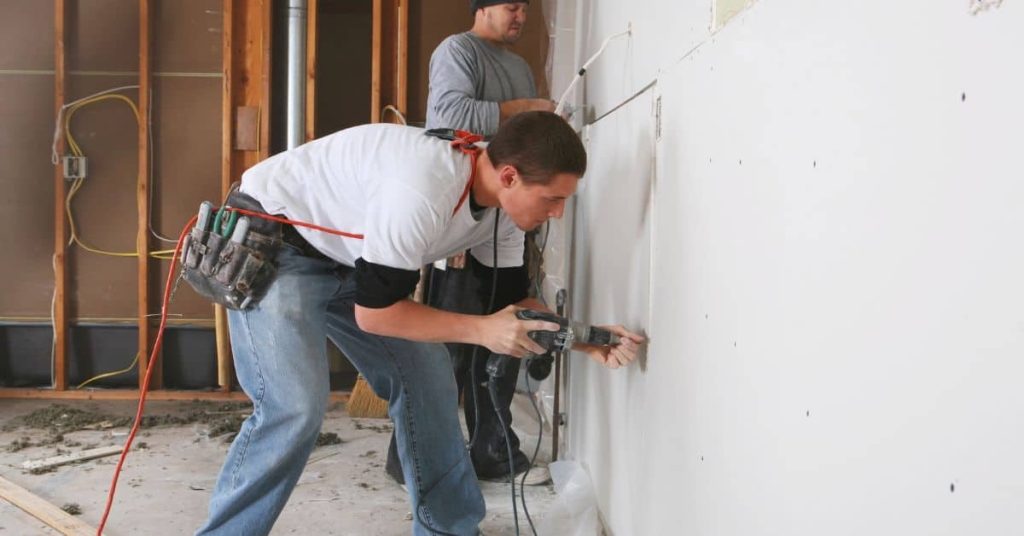
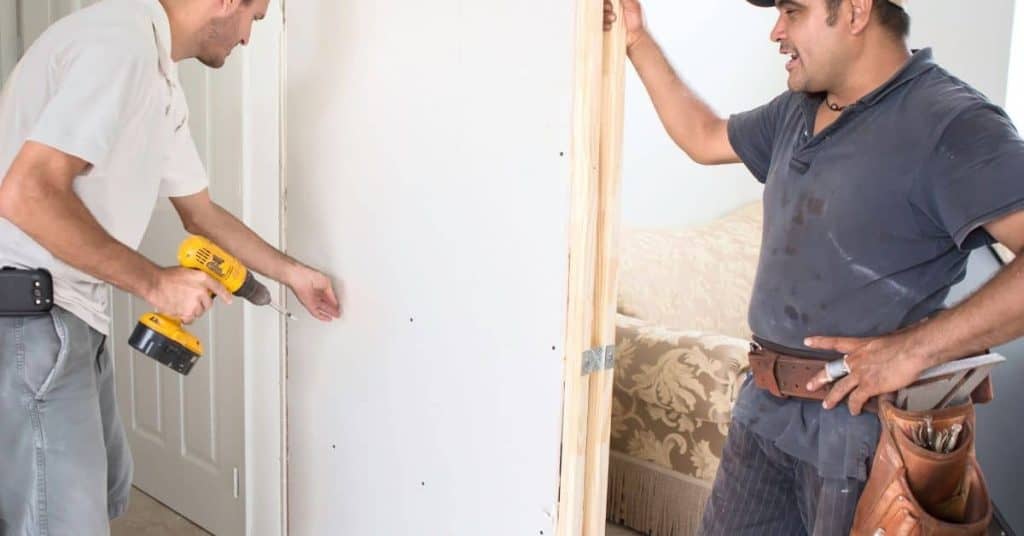
Man drilling screws into drywall while another person stands behind

How to Hang Drywall Solo: Temporary Cleats, Supports, and Tricks

Introduction Hanging drywall solo means installing full sheets on walls by yourself, using temporary cleats and supports. This intro explains practical, hands-on steps you can use to hold panels in place while you fasten them. Plan your approach, set up simple temporary cleats and supports so the sheet can be slid into place without grabbing

How to Hang Drywall Solo: Temporary Cleats, Supports, and Tricks Read More »

Man using cordless drill to fasten drywall panel to wooden frame

How to Hang Drywall on Ceilings Without a Lift (Safe DIY Methods)

Introduction Hanging drywall on ceilings without a lift means using safe setup, helpers, and careful lifting to install sheets overhead. Plan your work with temporary supports and clear paths, and verify that the ceiling structure can support the drywall. Work with a partner and wear eye protection and a dust mask, and follow local rules

How to Hang Drywall on Ceilings Without a Lift (Safe DIY Methods) Read More »

Hand in glove holding electric drill driving screw into drywall

Drywall Screw Length and Spacing Chart (Walls Vs Ceilings)

Introduction Drywall screw length and spacing refers to how long the screws should be and how evenly they should be spaced when attaching drywall to walls or ceilings. Key takeaways Verify screw length is appropriate for wall vs. ceiling drywall framing before starting. Follow spacing guidelines to minimize pop-outs and ensure consistent fastener pattern along

Drywall Screw Length and Spacing Chart (Walls Vs Ceilings) Read More »

Man in blue overalls holding paint roller and bucket near ladder

Dust Control for Interior Painting: Hepa Vac, Plastic, and Cleanup Flow

Introduction Dust control for interior painting means using a Hepa vac, plastic barriers, and careful cleanup to keep dust contained. It’s about isolating the work area so finish dust doesn’t spread. Set up temporary containment, seal doors, and vacuum regularly to reduce mess. Use a Hepa vacuum correctly by checking the label for compatible filters

Dust Control for Interior Painting: Hepa Vac, Plastic, and Cleanup Flow Read More »

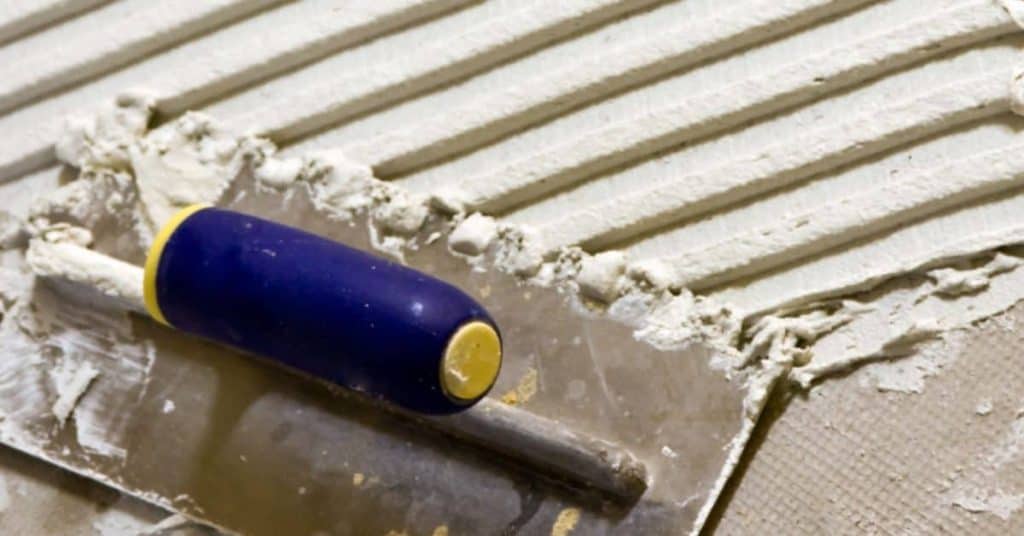
Notched trowel spreading adhesive on surface

Mastic Vs Thinset for Backsplashes: Where Mastic Is Safe and Where It Fails

Introduction Mastic is a flexible, premixed adhesive that some DIYers use for lightweight backsplashes. Thinset is a cement-based mortar that needs mixing and longer cure times. For most reliable backsplashes, you should check manufacturer guidance and local rules before choosing. Key takeaways Mastic is easier for small, dry layouts but unsuitable for wet areas. Thinset

Mastic Vs Thinset for Backsplashes: Where Mastic Is Safe and Where It Fails Read More »

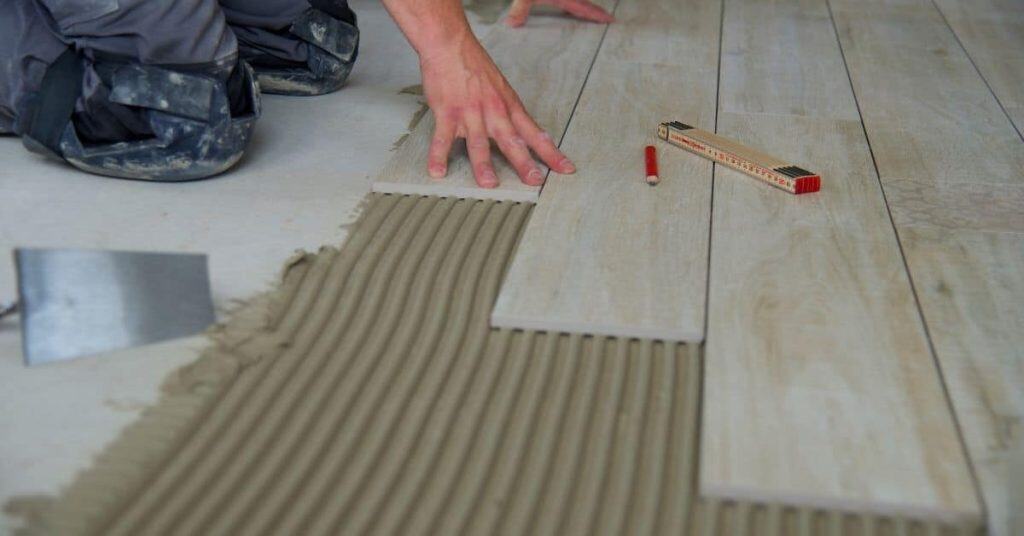
Hand placing wood-look floor tile on ridged thinset mortar

How to Check Thinset Coverage Properly (Pull Tests and What to Look For)

Introduction Thinset coverage means verifying that the adhesive layer fully backs the tile with no gaps or voids. Pull tests involve gently testing a tile to feel for a solid bond. Check for consistent contact across edges and center, and note any hollow spots. When you test, ensure tiles stay flat and firmly seated during

How to Check Thinset Coverage Properly (Pull Tests and What to Look For) Read More »