Search Results for: when are concrete washouts needed

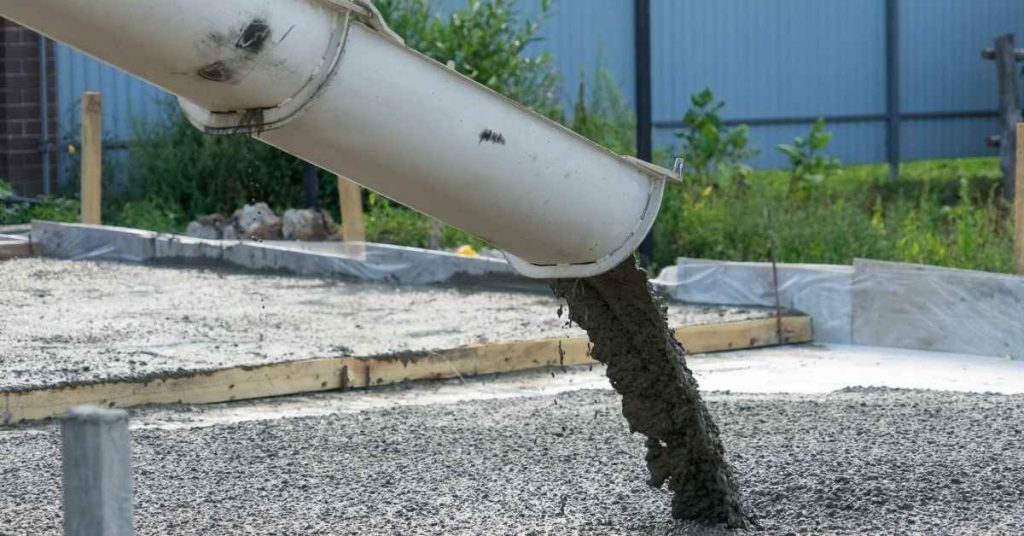
Concrete being poured from chute onto slab formwork

Concrete Slab Subbase: the Fast Compaction Reality Check with a Hand Tamper and a Hose

Introduction A concrete slab subbase is the compacted layer beneath the slab that supports and shapes the final surface. For a quick, hands-on approach, this article focuses on using a hand tamper and a hose to evaluate compaction on-site. Keep in mind that results depend on soil type, moisture, and thickness, so verify with local […]

Concrete Slab Subbase: the Fast Compaction Reality Check with a Hand Tamper and a Hose Read More »
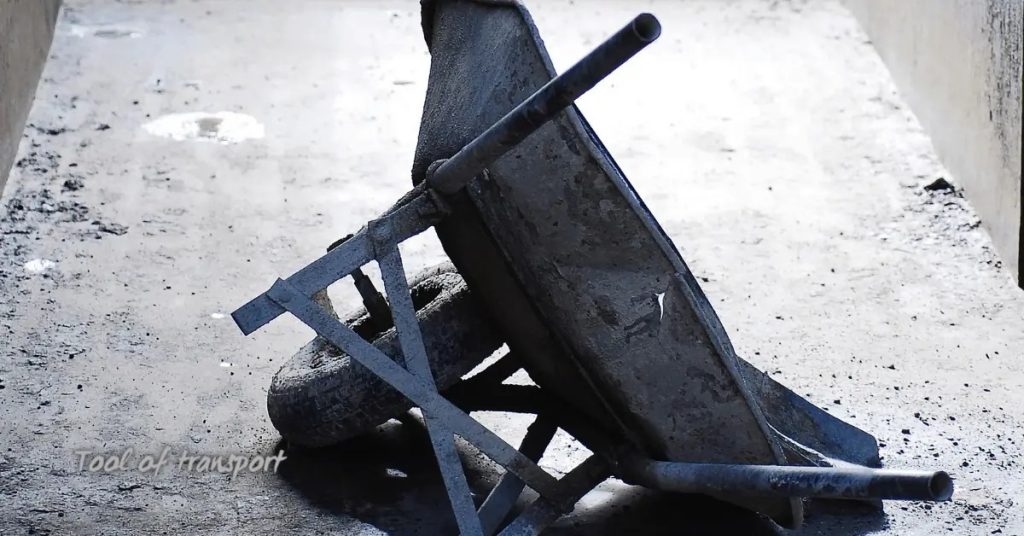
Empty wheelbarrow resting on concrete surface

Concrete Near Downspouts: Slopes, Splash Blocks, and How to Stop Undermining

Introduction Concrete near downspouts needs proper slope and splash protection to prevent water from undermining the footing. Gutters and splash blocks channel roof runoff away from the foundation and concrete edge. This article explains what splash blocks are, why they matter, and how to position them so water moves away from the wall. Choosing a

Concrete Near Downspouts: Slopes, Splash Blocks, and How to Stop Undermining Read More »

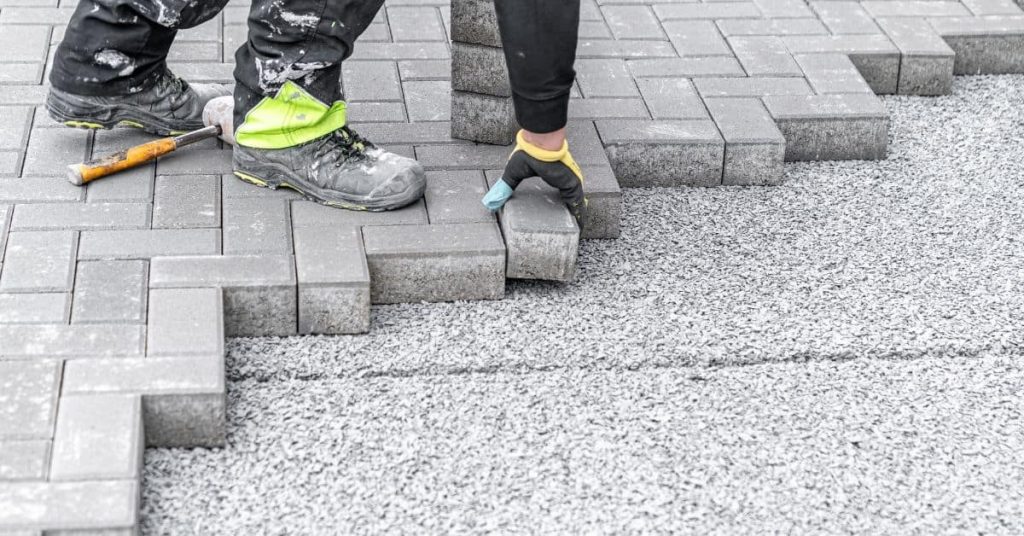
Person laying concrete paving blocks on gravel base

Concrete Washout at Home: Containment that protects lawns and drains

Introduction Concrete washout containment is a simple setup that captures concrete slurry so it doesn’t run onto soil or into drains. This article focuses on a practical, hands-on approach you can use at home to protect your lawn and the stormwater system. It also points you toward quick links that help you navigate related notes

Concrete Washout at Home: Containment that protects lawns and drains Read More »

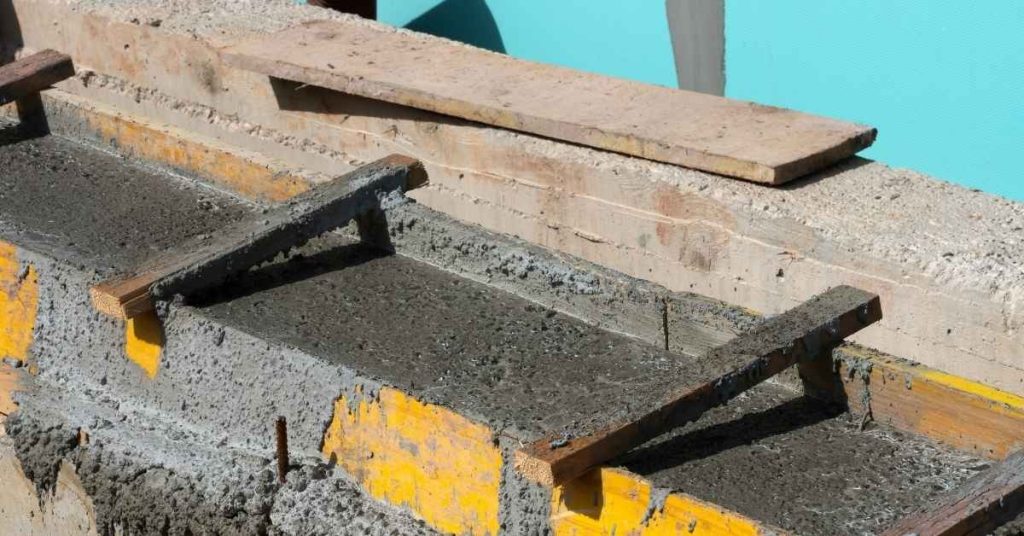
Fresh concrete poured into wooden formwork outdoors

Concrete Pour in the Rain: What to Do Before, During, and After

Introduction Pouring concrete in rain is risky and generally not advised. Weather can affect strength and finish, so plan for dry conditions if possible. If rain is unavoidable, check local guidelines and follow manufacturer and code instructions. Protect the mix, forms, and tools from direct rain and keep the work area as dry as possible.

Concrete Pour in the Rain: What to Do Before, During, and After Read More »

Leveling a Sunken Concrete Patio Slab: Practical Methods for Homeowners

Leveling a Sunken Concrete Patio Slab: Practical Methods for Homeowners

Introduction Over time, concrete patio slabs can settle and sink, creating an uneven surface that’s not only unsightly but also poses a tripping hazard. As a homeowner, you don’t have to live with this eyesore or hire expensive professionals to fix it. This guide will walk you through practical methods to level your sunken concrete

Leveling a Sunken Concrete Patio Slab: Practical Methods for Homeowners Read More »

Blinding Concrete Vs Pcc for Driveway Bases: Which to Use and Why for Small Projects

Blinding Concrete Vs Pcc for Driveway Bases: Which to Use and Why for Small Projects

Introduction For small driveway projects, PCC is usually the better base for durability and load support, while blinding concrete is typically a thin, moisture-control layer used only in specific conditions. You’ll learn how to assess site factors, decide which layer to use, and the practical steps for mixing, thickness, curing, and installation sequence. The guide

Blinding Concrete Vs Pcc for Driveway Bases: Which to Use and Why for Small Projects Read More »

A Gravel Vs. Crushed Stone Choosing the Right Aggregate for Your Concrete Slab

A Gravel Vs. Crushed Stone: Choosing the Right Aggregate for Your Concrete Slab

Introduction Gravel and crushed stone are both viable aggregates for concrete slabs, but the choice affects drainage, compaction, and cost. You’ll learn how to evaluate site conditions, select the appropriate size and type, and apply practical tips for achieving a solid, long-lasting slab. The guide walks through common considerations and simple rules of thumb for

A Gravel Vs. Crushed Stone: Choosing the Right Aggregate for Your Concrete Slab Read More »

Worker wearing yellow helmet drilling into wall with power drill

Adding drainage to an existing block retaining wall: surface fixes vs partial rebuilds

Introduction Adding drainage to an existing block retaining wall involves improving water handling to prevent pressure buildup behind the wall. It covers surface fixes and partial rebuild options for managing run-off and seepage. This guide stays practical and aims to help you assess signs of drainage problems and choose safe approaches. You’ll start by identifying

Adding drainage to an existing block retaining wall: surface fixes vs partial rebuilds Read More »

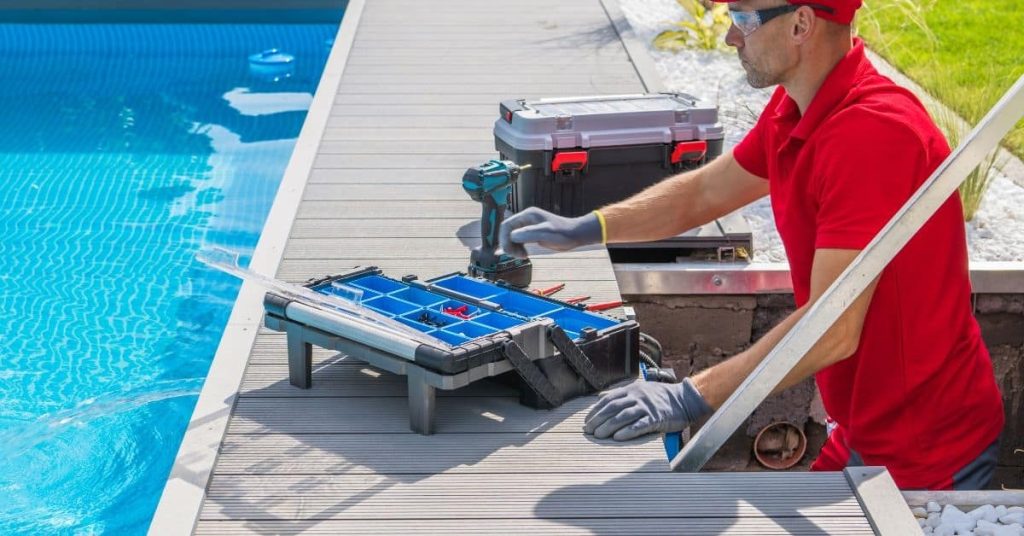
Man in red shirt working with toolbox and electric drill by pool

Brick walkway weeds: jointing options and maintenance that doesn’t erode sand

Introduction Brick walkway weeds occur when the joints between bricks are open enough for weed seeds to take root. This article looks at options to fill those joints and keep the sand in place without eroding. It’s written as a practical, hands-on guide you can use on a DIY project. Jointing sand options range from

Brick walkway weeds: jointing options and maintenance that doesn’t erode sand Read More »