Search Results for: what to use to seal marble floor

How to Paint Your Cabinets (Step-by-step + What to Avoid)

How to Paint Your Cabinets (Step-by-step + What to Avoid)

Introduction Paint your cabinets successfully by prepping, priming, and applying durable topcoats. The guide walks through material choices, surface prep, finishes, common pitfalls, and practical steps to achieve a smooth, lasting finish. Key takeaways Clean and degrease cabinets before sanding. Sand lightly, then degloss to improve paint adhesion. Fill imperfections with wood filler, let dry, […]

How to Paint Your Cabinets (Step-by-step + What to Avoid) Read More »
Veneer Plaster over Drywall (Blueboard): What Beginners Get Wrong

Veneer Plaster over Drywall (Blueboard): What Beginners Get Wrong

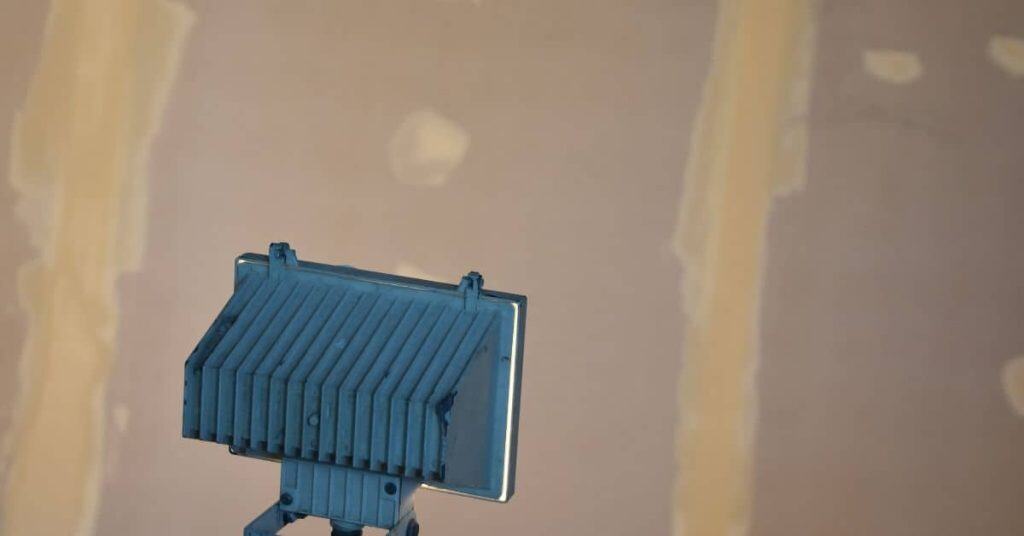
Introduction Beginners often misjudge the prep and coating process for veneer plaster over Blueboard, leading to cracks, delamination, and poor adhesion. This article explains what typically goes wrong and why proper substrate prep, plaster application, and curing matter so you can finish with a durable, smooth veneer. You’ll learn how to assess the Blueboard, apply

Veneer Plaster over Drywall (Blueboard): What Beginners Get Wrong Read More »

Tile Edge Finishing: Metal Trims vs Bullnose vs Miters—what’s Realistic for DIY

Tile Edge Finishing: Metal Trims vs Bullnose vs Miters—what’s Realistic for DIY

Introduction Metal trims, bullnose edges, and miters each offer different, realistic finishes for tile edges. This guide explains when to use each option, outlines practical installation tips, and shares easy rules of thumb to help you choose and fit the finish confidently. Key takeaways Metal trims: Easy DIY, hides imperfections, various styles. Bullnose tiles: Softens

Tile Edge Finishing: Metal Trims vs Bullnose vs Miters—what’s Realistic for DIY Read More »

Back-Buttering When It Matters: Large-Format Tile Vs Small Tile Reality

Back-Buttering When It Matters: Large-Format Tile Vs Small Tile Reality

Introduction Back-buttering is essential for large-format tiles to prevent hollow spots and reduce lippage. The guide explains when back-buttering matters, how to determine proper coverage, and practical steps you can apply to both large-format and small tiles. You’ll learn how to mix and apply adhesive correctly, how to back-butter tile backs and substrates, and how

Back-Buttering When It Matters: Large-Format Tile Vs Small Tile Reality Read More »

Flattening a Wall for Tile: the “before Tile” Step That Prevents Lippage

Flattening a Wall for Tile: the “before Tile” Step That Prevents Lippage

Introduction Flattening a wall before tiling prevents lippage and creates a flat, durable tile surface. In this guide you’ll learn how to assess wall flatness, identify common high and low spots, and apply practical steps to bring every area to level before you lay tile. The approach covers simple checks, common techniques, and ways to

Flattening a Wall for Tile: the “before Tile” Step That Prevents Lippage Read More »

Inside Corners in Showers: Caulk Vs Grout and Where Movement Actually Happens

Inside Corners in Showers: Caulk Vs Grout and Where Movement Actually Happens

Introduction In shower inside corners, caulk handles movement while grout is best for rigid joints. The guide explains when to use each, how to assess movement in corners, and practical steps for proper application and sealing. Key takeaways Caulk tolerates movement in vertical corners; grout is rigid and can crack. Movement occurs mainly where framing

Inside Corners in Showers: Caulk Vs Grout and Where Movement Actually Happens Read More »

Expansion/Movement Joints: Where to Leave Gaps and How to Finish Them Cleanly

Expansion/Movement Joints: Where to Leave Gaps and How to Finish Them Cleanly

Introduction Leave proper gaps at expansion and movement joints to accommodate building movement and prevent cracking. This introduction explains how to choose appropriate gap sizes, where joints belong, and how to finish them cleanly with durable sealants and proper detailing. You’ll learn practical tips, common mistakes to avoid, and a straightforward approach to creating joints

Expansion/Movement Joints: Where to Leave Gaps and How to Finish Them Cleanly Read More »

Efflorescence Remediation: the Simple Cleaning Method That Most Diyers Overlook

Efflorescence Remediation: the Simple Cleaning Method That Most Diyers Overlook

Introduction Efflorescence remediation is a simple cleaning method that most DIYers overlook. This article explains why the white salt deposits appear and how a practical approach can restore masonry without harsh scrubbing. You’ll learn the basic steps, common tips, and best practices to prevent recurrence so you can tackle the problem confidently. Key takeaways Identify

Efflorescence Remediation: the Simple Cleaning Method That Most Diyers Overlook Read More »

How to Remove Fresh Vs. Old Diesel Stains from Concrete: Step-by-Step Guide

How to Remove Fresh Vs. Old Diesel Stains from Concrete: Step-by-Step Guide

Introduction You can remove diesel stains from concrete, whether they’re fresh or old, by following a proven step-by-step method. This guide explains why stain removal matters for appearance and durability, and what practical steps you’ll take to treat the concrete safely. You’ll learn how to assess stain freshness, choose appropriate cleaners, apply them in the

How to Remove Fresh Vs. Old Diesel Stains from Concrete: Step-by-Step Guide Read More »