Search Results for: weep

Close-up of cracked concrete surface with multiple fissures

Cold-Applied Crack Fillers: Which Ones Work and Which Wash Out

Introduction Cold-applied crack fillers are products you can apply at room temperature to seal cracks without using heat. Key takeaways Choose filler types by crack width, substrate, and expected movement. Verify weather suitability and cure times against manufacturer instructions before mixing. Prepare surfaces: clean, dry, and free of loose material prior to application. Apply with

Cold-Applied Crack Fillers: Which Ones Work and Which Wash Out Read More »

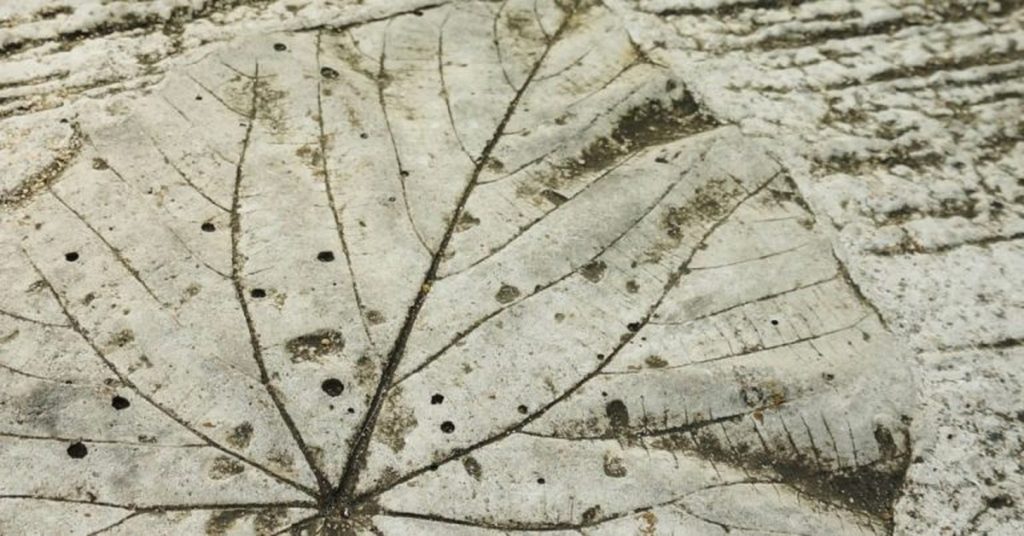
Leaf imprint and stains on a concrete surface

Leaf Stains on Concrete: Why They Happen and How to Remove Them

Introduction Leaf stains are usually tannins and other plant pigments left behind when wet leaves sit on concrete. On porous, unsealed concrete, the discoloration can move below the surface; on sealed, painted, decorative, or damaged concrete, the bigger concern is choosing a cleaner that will not alter the finish. Start with dry leaf removal, a

Leaf Stains on Concrete: Why They Happen and How to Remove Them Read More »

Clean garage with painted concrete floor and shelving

Anti-Slip for Garage Coatings: Flake, Grit, and Cleaning Tradeoffs

Introduction Anti-slip coatings for garages use embedded flakes or grit to add traction. Choosing the right mix depends on your surface, traffic, and how much texture you want. Use this guide to compare options and make a practical, DIY-friendly choice. Consider where and how you’ll apply it—entryways, drive lanes, or workshop zones—along with your cleaning

Anti-Slip for Garage Coatings: Flake, Grit, and Cleaning Tradeoffs Read More »

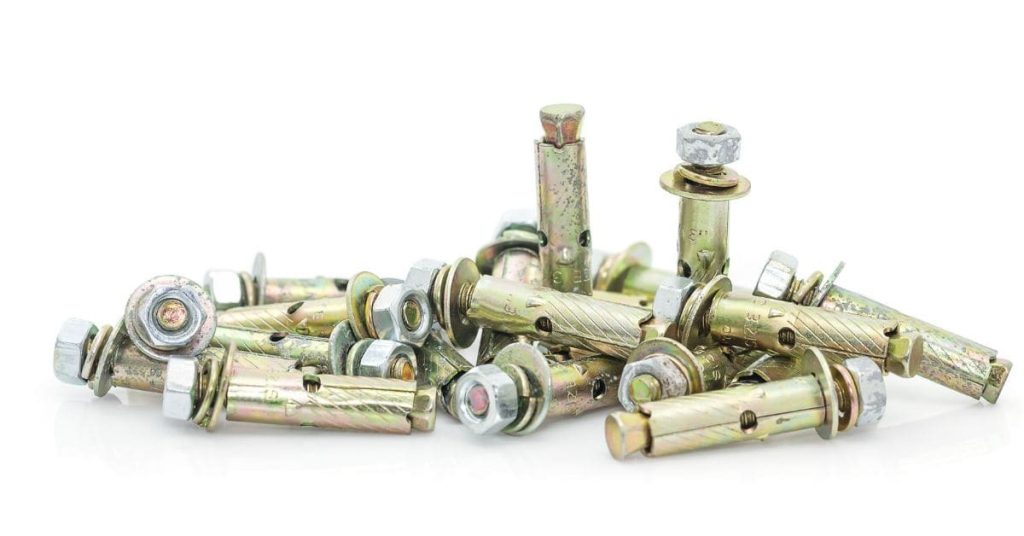
Pile of metal expansion anchor bolts on white surface

Protecting PEX in Concrete: Sleeving, Bend Radius, and Expansion

Introduction Protecting PEX in concrete means keeping the tubing safe from damage and movement while it sits in the slab. Sleeving, proper routing, and careful bending help prevent kinks and cracks as the concrete cures. Work carefully on site, verify that sleeves or guards are used where required and follow local guidelines. Use protective sleeves

Protecting PEX in Concrete: Sleeving, Bend Radius, and Expansion Read More »

Concrete pouring from chute into wooden forms supported by gravel

Concrete Form Blowouts: How to Brace, Inspect, and Stop a Failing Pour

Introduction A concrete form blowout is a formwork failure during placement: a panel bows, a joint opens, a tie or anchor moves, or the form collapses and releases fresh concrete. Treat visible movement or rapidly increasing leakage as a stop-work condition, not a cosmetic problem. Do not use generic brace dimensions as a design. Formwork

Concrete Form Blowouts: How to Brace, Inspect, and Stop a Failing Pour Read More »

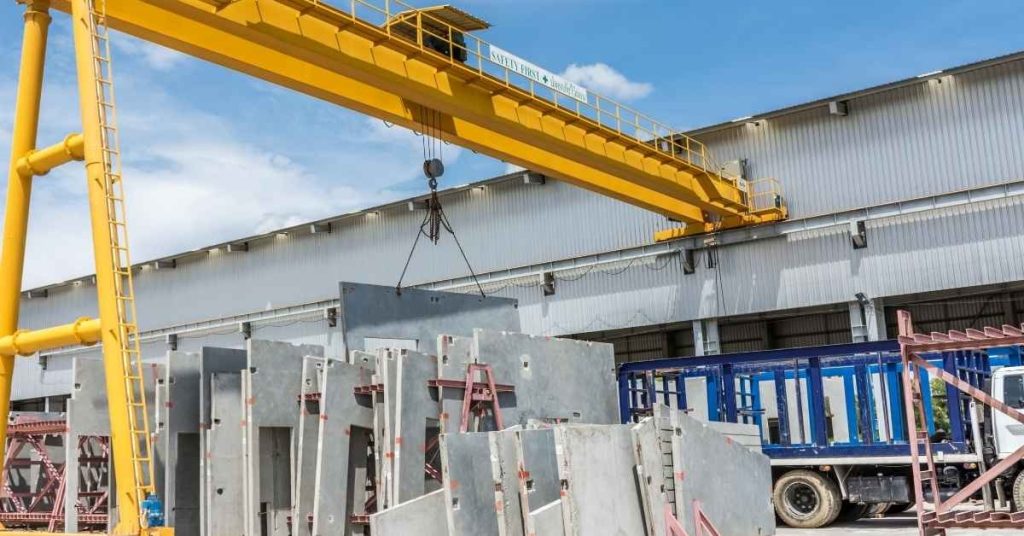
Yellow crane lifting precast concrete panels outdoors

How to Remove a Failed Acrylic Sealer From Concrete Without Etching

Introduction Removing a failed acrylic sealer from concrete without etching means lifting the film without harming the concrete surface. Do this safely with good ventilation, eye protection, and gloves, and follow the product instructions. Your choice of remover depends on the sealer type and the concrete porosity, so always check the label and local rules

How to Remove a Failed Acrylic Sealer From Concrete Without Etching Read More »