Search Results for: weep

Clear glass bowl with white powder under shoe rack

Urethane Topcoat Blushing: Humidity, Solvents, and How to Clear It

Introduction Blushing is a cloudy, milky haze that forms on a polyurethane topcoat surface when moisture or solvents react with the film. In humid conditions or when solvents evaporate too quickly, this haze can appear and stay until the finish dries. Recognizing it early helps you decide whether to slow down, adjust the environment, or […]

Urethane Topcoat Blushing: Humidity, Solvents, and How to Clear It Read More »
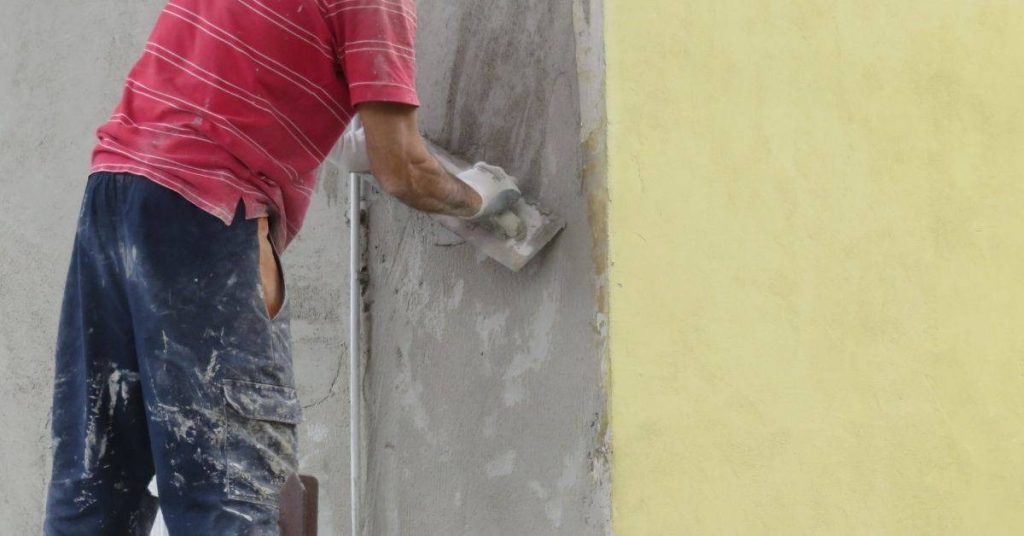
Worker applying stucco on an exterior wall section

Stucco Kickout Flashing Retrofit: Minimal Removal Approaches That Actually Work

Introduction Stucco kickout flashing is a piece of flashing, usually metal or plastic, installed at the edge where the roof overhang meets a stucco wall to redirect water away. This article outlines minimal-removal retrofit ideas that still guide water correctly and protect the wall. You’ll need simple hand tools, basic fasteners, and compatible flashing material

Stucco Kickout Flashing Retrofit: Minimal Removal Approaches That Actually Work Read More »

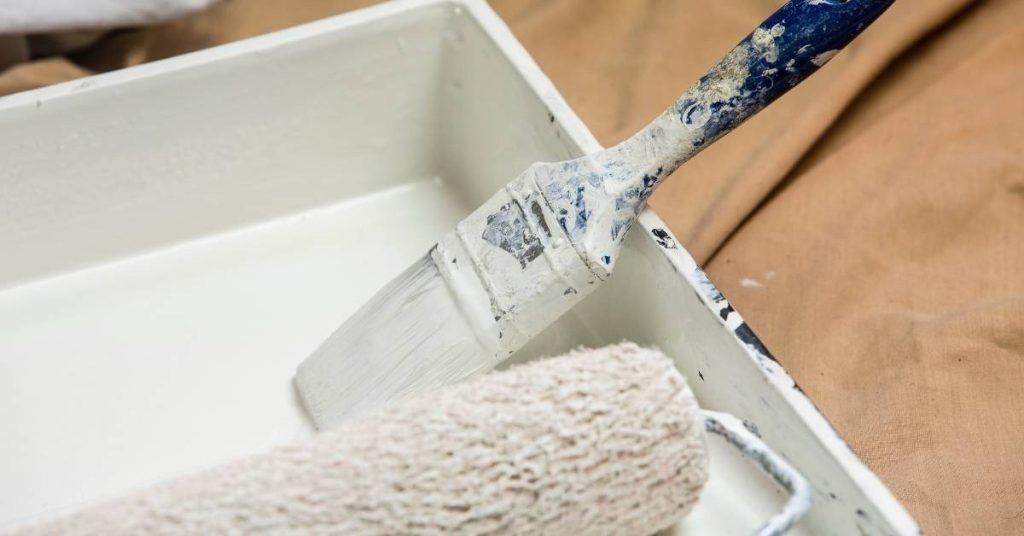
Paintbrush and roller in white paint tray on brown surface

Cutting In on Textured Walls: Brush Loading and Keeping Edges Sharp Without Tape

Introduction Cutting in on textured walls without tape means achieving a clean, sharp line where the wall and adjacent surface meet by careful brush loading and technique. Start with a small amount of paint on the brush and load along the edge, then steady your hand and work in short, controlled strokes. Keep your wrist

Cutting In on Textured Walls: Brush Loading and Keeping Edges Sharp Without Tape Read More »

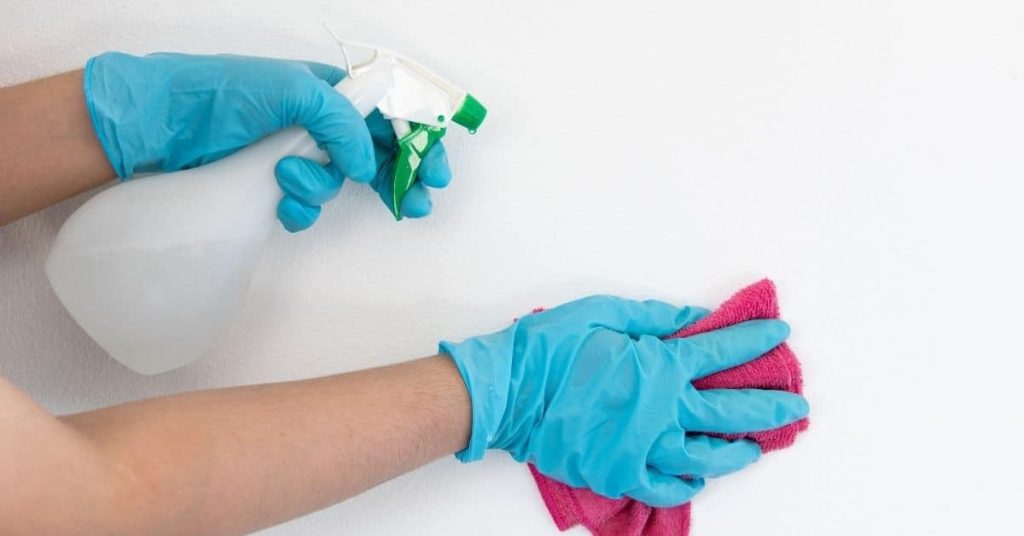
Hands in blue gloves spraying and wiping white wall with cloth

How to Remove Ice Melt Residue Before Resealing: Cleaning Without Etching

Introduction Removing ice melt residue after sealing is cleaning concrete surfaces without etching the finish. Use a non-acid cleaner and plenty of clean water, and work from the edges toward the center to avoid spreading residue. Test a small area first and scrub gently with a soft brush, then rinse well. Look for signs of

How to Remove Ice Melt Residue Before Resealing: Cleaning Without Etching Read More »

Clean decorative concrete driveway with landscaping

Concrete Deicer Alternatives: What’s Safer for Decorative Concrete in Winter

Introduction Safer deicer options for decorative concrete are milder chemicals and methods that reduce staining and damage. Choose products with clear labeling and follow the manufacturer’s directions, and always check local rules or requirements before use. For a DIY approach, prioritize methods that minimize surface impact while keeping things safe on contact with your finish.

Concrete Deicer Alternatives: What’s Safer for Decorative Concrete in Winter Read More »

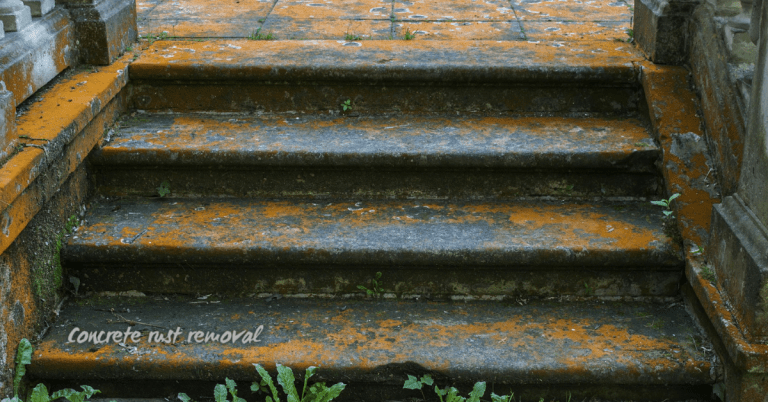
Concrete steps with orange rust stains and some plants growing

DIY Salt Damage Prevention for Steps: Pre-Winter Sealer Checks and Drainage Tweaks

Introduction Salt damage prevention for steps means preparing concrete stairs to resist freeze-thaw and salt exposure before winter. This involves inspecting surfaces, cleaning debris, and checking the edge seals so water and salt don’t penetrate. Keep an eye on cracks or chips and plan resealing if you spot trouble. Before the cold sets in, look

DIY Salt Damage Prevention for Steps: Pre-Winter Sealer Checks and Drainage Tweaks Read More »

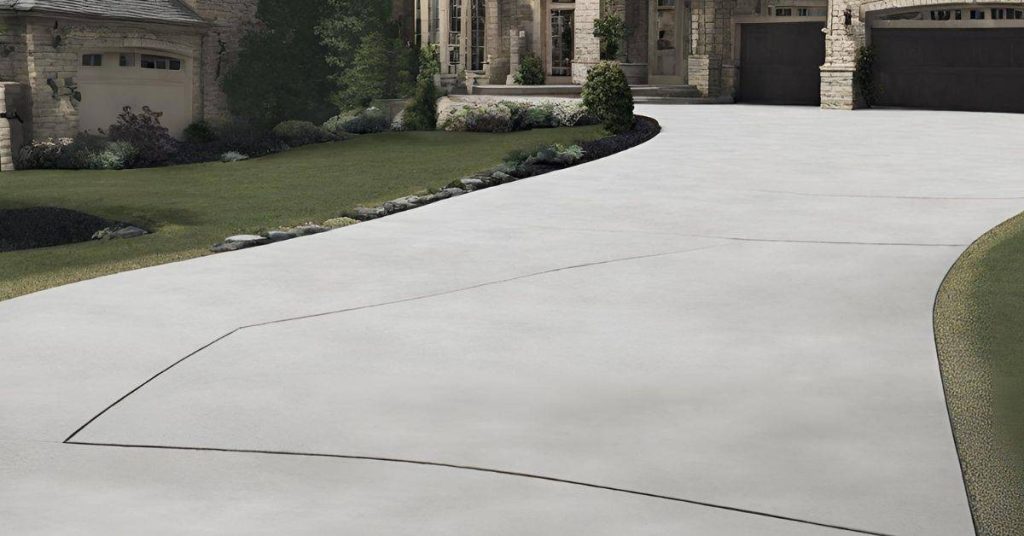
Smooth concrete driveway in front of residential garages

Sealing Concrete With High Moisture: Systems That Tolerate Vapor (and Common Myths)

Introduction Sealing concrete with high moisture means choosing systems that can protect the surface while allowing water vapor to escape. This is not about making a completely watertight barrier, but about selecting materials and methods that tolerate damp conditions. In practice, you’ll look for products and application plans that address vapor transmission and moisture management.

Sealing Concrete With High Moisture: Systems That Tolerate Vapor (and Common Myths) Read More »

Glossy reflections on a dark epoxy-coated floor surface

Spot-Sealing Stains: How to Avoid ‘Shiny Islands’ on Matte Sealers

Introduction Spot-sealing stains are the shiny patches that can appear on a matte sealer after applying it. They usually form where the stain or moisture drew the sealer unevenly. In this guide we’ll keep things practical and show how to prevent those islands from showing up. To avoid them, work in small, controlled areas and

Spot-Sealing Stains: How to Avoid ‘Shiny Islands’ on Matte Sealers Read More »

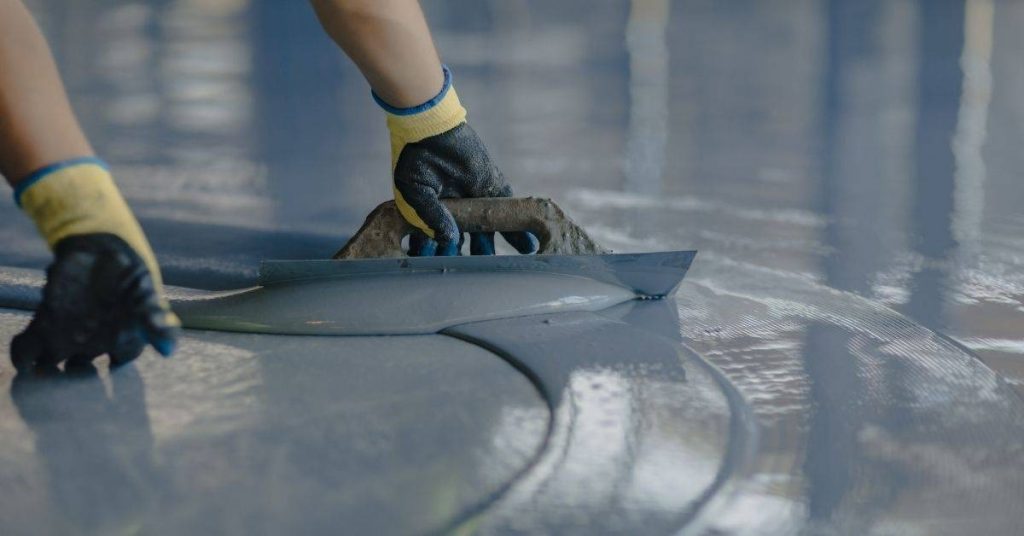
Hands wearing gloves smoothing gray epoxy on floor with trowel

DIY Epoxy Patch on a Garage Floor: Feathering Edges and Matching Gloss Without a Halo

Introduction An epoxy patch is a DIY repair that fills a damaged garage floor and blends it into the surrounding concrete. You’ll feather the edges so the repair tapers into the floor, and aim for a consistent sheen to avoid a noticeable halo. Check manufacturer instructions for cure times, prep steps, and recommended products. This

DIY Epoxy Patch on a Garage Floor: Feathering Edges and Matching Gloss Without a Halo Read More »

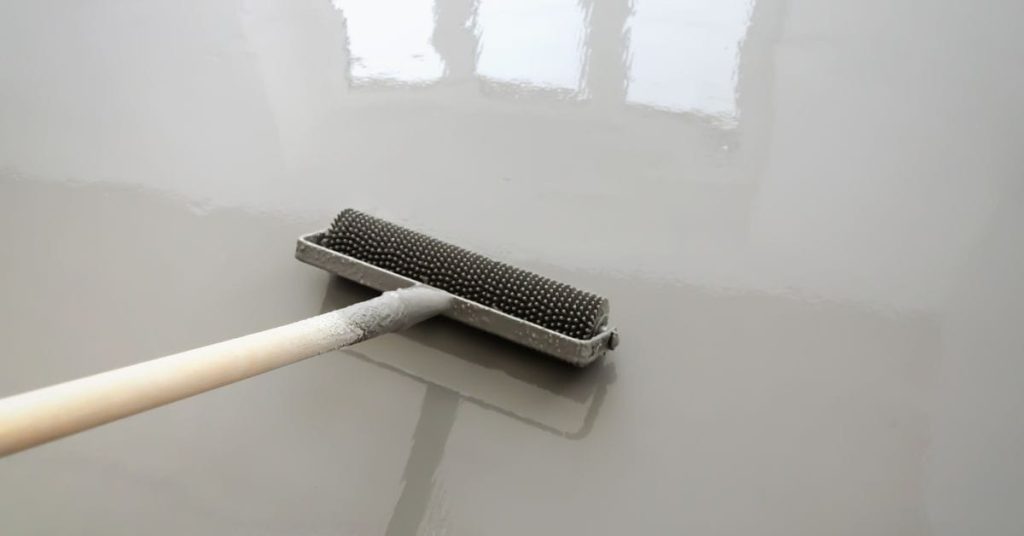
Paint roller with textured surface applying coating on floor

Flake Floor Topcoat Orange Peel: Roller Choice, Pot Life, and Temperature Effects

Introduction Flake Floor Topcoat Orange Peel is a textured coating finish created by rolling to leave small pits in the surface. Choose a roller with a short nap and a smooth frame, and test small areas to see how the texture lands. Apply in even coats and follow the manufacturer’s guidance for drying and cure

Flake Floor Topcoat Orange Peel: Roller Choice, Pot Life, and Temperature Effects Read More »