Search Results for: vapor barrier

Pile of broken red bricks and rubble

Spalling Brick Diagnosis: Freeze-Thaw, Salts, and the “Stop the Water” Plan

Introduction Spalling brick diagnosis is identifying why bricks are flaking or crumbling due to freeze-thaw, salts, or moisture. This is a hands-on check to help you decide what needs repair and how to stop further damage. Look for cracking, hollow sounds, powdery surfaces, or powdery efflorescence as clues. Start by stopping water entry and planning […]

Spalling Brick Diagnosis: Freeze-Thaw, Salts, and the “Stop the Water” Plan Read More »
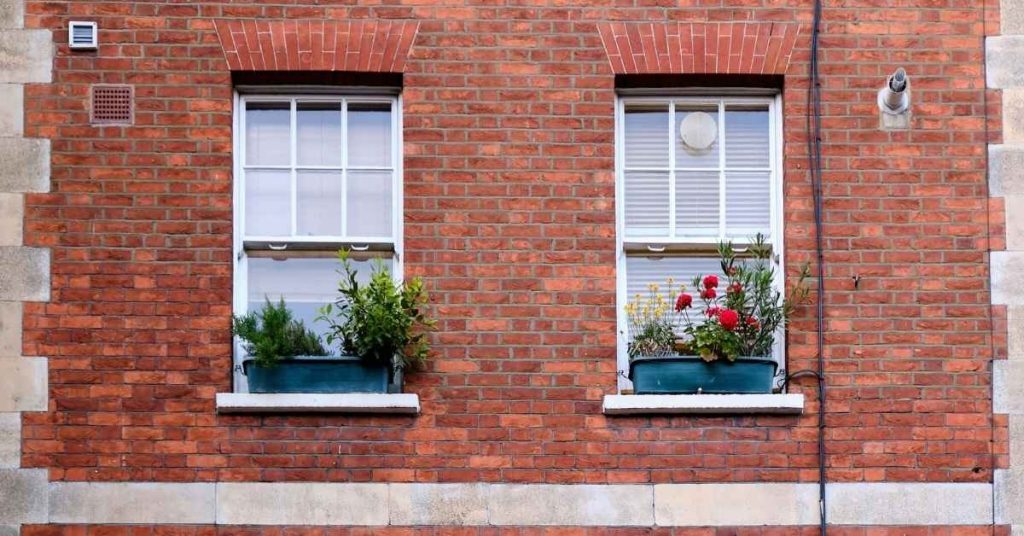
Two white windows in red brick wall with flower boxes

Sealing Brick the Safe Way: Breathable Sealers vs Films—and When to Skip Both

Introduction Breathable sealers let moisture escape from brick while still sealing it; film sealers keep a surface layer that can trap moisture. As a DIYer, you’ll notice breathable options let the brick breathe, while film options can give a smoother, glazed look. Check the label for breathability cues and follow the manufacturer’s suggestions, and avoid

Sealing Brick the Safe Way: Breathable Sealers vs Films—and When to Skip Both Read More »

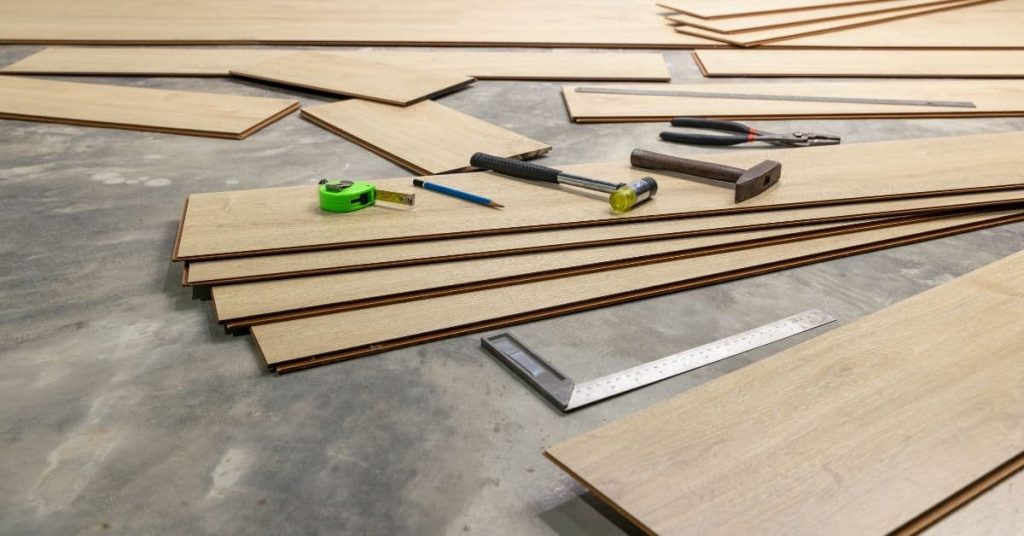
Vinyl plank flooring pieces and tools on concrete floor

Supplementary Cementitious Materials for Efflorescence Control: What Actually Reduces Salts

Introduction Supplementary Cementitious Materials reduce efflorescence by limiting the salts that migrate to the surface. They work with the cement mix to slow water movement and bind minerals. In DIY terms, think of them as additives that help the concrete breathe less and stay drier. Efflorescence is the white, powdery salt that shows up on

Supplementary Cementitious Materials for Efflorescence Control: What Actually Reduces Salts Read More »

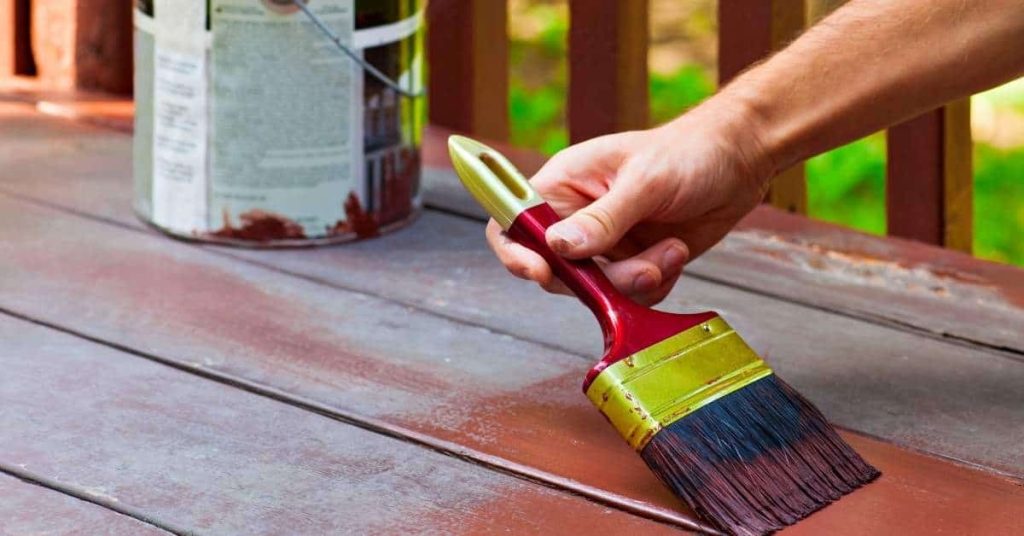
Hand painting wooden deck with red paint and brush

How to Paint When Nights Are Cold: Dew, Condensation, and Why Morning Painting Sometimes Fails

Introduction Cold nights create dew and condensation that can sabotage paint adhesion. If you paint when surfaces are damp or the surface is cooling through the night, you risk cloudy finishes and peeling. This article explains practical checks and timing to avoid those problems. To plan smartly, check the forecast and test surfaces for moisture

How to Paint When Nights Are Cold: Dew, Condensation, and Why Morning Painting Sometimes Fails Read More »

Aluminum ladder with paint bucket in bright empty room

Painting in a Closed Room: Ventilation Setups That Cut Odor Without Blowing Dust Into Wet Paint

Introduction Ventilation setups for painting in a closed room mean controlling airflow to reduce odor while preventing dust from landing in wet paint. Key takeaways Plan ventilation before painting; map exhaust and intake locations to avoid crossdrafts. Use filtration-first approach with HEPA and activated carbon to capture particles and odors. Isolate work area with containment

Painting in a Closed Room: Ventilation Setups That Cut Odor Without Blowing Dust Into Wet Paint Read More »

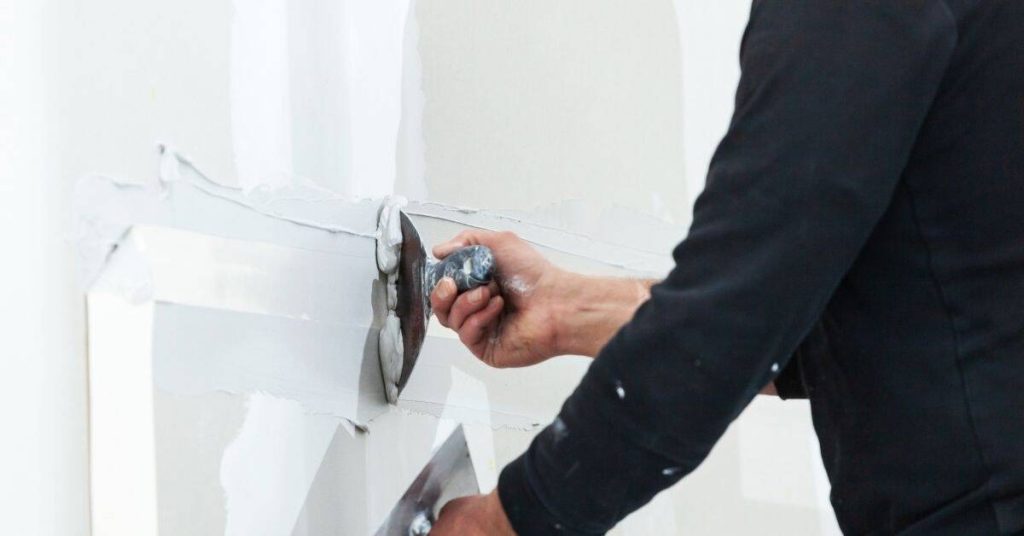
Person applying plaster with trowel on drywall seams

Clay Plaster Over Drywall: Primer Selection, Screw Head Telegraphing, and Dent Resistance Upgrades

Introduction Clay plaster over drywall is a finish where a clay-based plaster is applied on standard wallboard after proper priming. Start with a compatibility-friendly primer; check the label to ensure it works with clay plasters and the drywall surface. Apply multiple thin coats, let each dry, and feather the edges for a flat, even surface.

Clay Plaster Over Drywall: Primer Selection, Screw Head Telegraphing, and Dent Resistance Upgrades Read More »

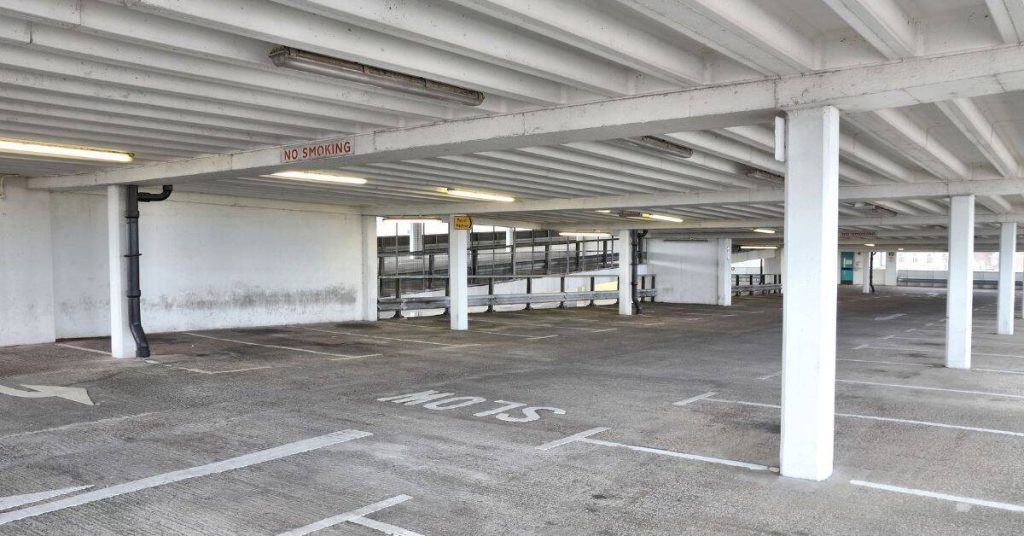
Empty concrete parking garage with white pillars and ceiling

Sealing Concrete That’s Still Green: Safe Timing When You Can’t Wait 28 Days

Introduction Sealing concrete that’s still green means applying a sealer before the full curing time is finished. This can trap moisture and interfere with the concrete’s hardening. Always check the product label and local rules to know if sealing early is allowed and what risks to expect. If you can’t wait, use only sealers labeled

Sealing Concrete That’s Still Green: Safe Timing When You Can’t Wait 28 Days Read More »

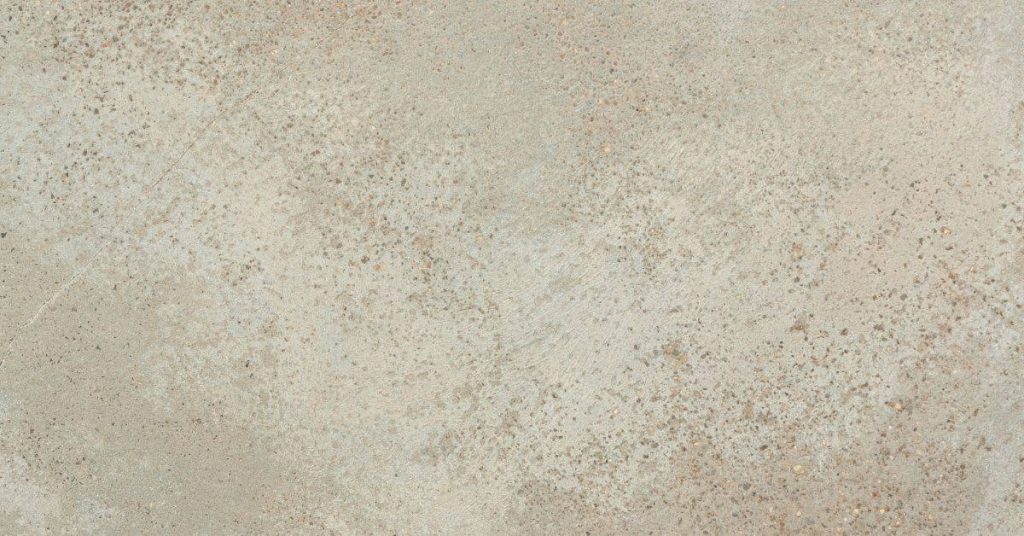
closeup of textured sand-finish concrete surface

DIY Sand-Finish Concrete: Getting a Fine Texture Without Weak Surface Paste

Introduction DIY Sand-Finish concrete is a surface texture created by applying a fine sand mix to the top to achieve a smooth, speckled look. It’s a hands-on technique that can hide light trowel marks and give the surface a gentle, gritty feel. It’s meant to be practical for a DIY project, not a showroom finish.

DIY Sand-Finish Concrete: Getting a Fine Texture Without Weak Surface Paste Read More »