Search Results for: tuckpoint

Limewashing over Cement Stucco: Prep That Sticks

Limewashing over Cement Stucco: Prep That Sticks

Introduction Limewashing cement stucco can be made to stick if you properly prep and choose a breathable, compatible limewash. You’ll learn practical steps for surface cleaning, repairs, moisture management, and application tips to ensure lasting adhesion. Key takeaways Use breathable limewash to allow moisture evaporation without trapping in stucco. Clean surface thoroughly, remove efflorescence, and […]

Limewashing over Cement Stucco: Prep That Sticks Read More »

Efflorescence: the Silent Warning Sign Your Concrete Basement Needs Attention

Efflorescence: the Silent Warning Sign Your Concrete Basement Needs Attention

Introduction Efflorescence is a silent warning sign that your concrete basement needs attention. This article explains why it matters and what it signals about moisture, and it will guide you through practical steps to identify the source and begin addressing it. You’ll learn how to spot signs, assess moisture risk, and apply simple, effective strategies

Efflorescence: the Silent Warning Sign Your Concrete Basement Needs Attention Read More »

Preparing Damp Basement Walls for Paint: Drying, Dehumidifying, and Coating Solutions

Preparing Damp Basement Walls for Paint: Drying, Dehumidifying, and Coating Solutions

Introduction To prepare damp basement walls for painting, dry the walls, reduce humidity, and apply appropriate coatings. The guide explains practical drying methods, humidity control tips, and coating options you can use to prevent moisture problems and achieve a lasting, smooth finish. Related: 7 Common Causes of Watery Paint and How to Fix Them. Key

Preparing Damp Basement Walls for Paint: Drying, Dehumidifying, and Coating Solutions Read More »

How to Remove Cured Spray Foam from Concrete and Masonry Surfaces Without Damaging Them

How to Remove Cured Spray Foam from Concrete and Masonry Surfaces Without Damaging Them

Introduction Cured spray foam can be removed from concrete and masonry without damaging the surface. The guide walks you through practical methods, safety considerations, and cautious techniques to loosen, lift, and clean the foam while protecting the substrate. You’ll learn how to assess the foam, choose appropriate approaches, and apply a step-by-step process that reduces

How to Remove Cured Spray Foam from Concrete and Masonry Surfaces Without Damaging Them Read More »

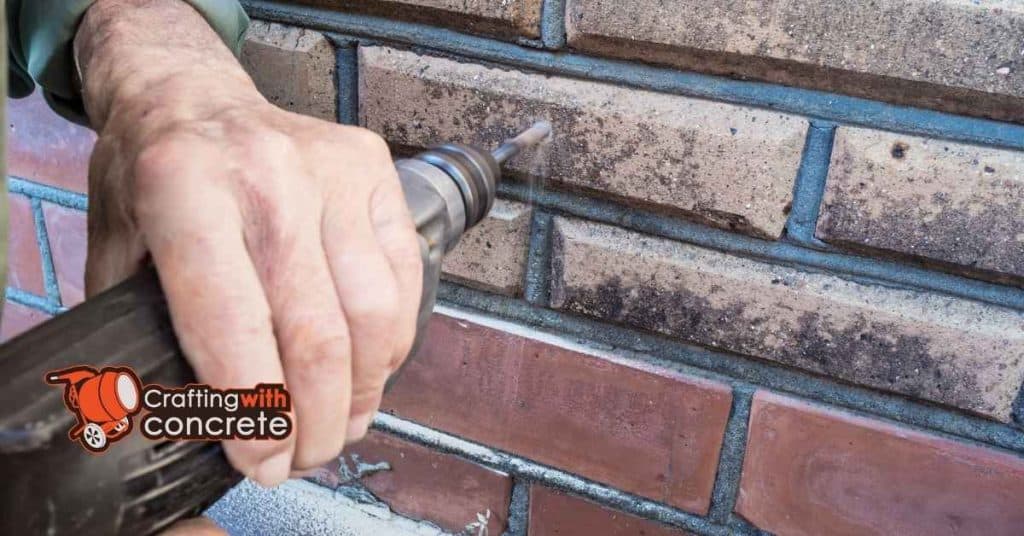
Anchorage in Old Brick—Safe Methods and Cautions

Anchorage in Old Brick—Safe Methods and Cautions

Table of Contents Overview and Purpose Assessing Brick & Mortar Condition Brick Types and Their Implications Mortar Joint Characteristics and Risks Anchor Types—Overview Choosing the Right Anchor Load Types and Calculations Drill Bits, Hole Preparation, and Cleaning Installing Mechanical Anchors (Step-by-Step) Installing Chemical (Adhesive) Anchors (Step-by-Step) Anchoring into Hollow Brick and Cavity Walls Anchorage for

Anchorage in Old Brick—Safe Methods and Cautions Read More »

Using Polymer Sand Vs. Mortar in Wide Paver Joints on Concrete

Using Polymer Sand Vs. Mortar in Wide Paver Joints on Concrete

Table of Contents Quick comparison: polymeric sand vs mortar (summary) Suitable joint widths and depths for each material Prep steps for existing pavers on concrete Application process for polymeric sand (detailed how‑to) Application process for mortar (detailed how‑to) Drainage, substrate and edge restraint considerations Durability, flexibility, and lifecycle performance Cost, time and labor comparison (initial

Using Polymer Sand Vs. Mortar in Wide Paver Joints on Concrete Read More »

Low-Carbon Options Slag, Fly Ash, and Calcined Clay for Diyers

Low-Carbon Options: Slag, Fly Ash, and Calcined Clay for Diyers

Table of Contents Why conventional cement and concrete are carbon‑intensive What “low‑carbon concrete” means for DIYers Supplementary cementitious materials (SCMs) overview Ground Granulated Blast‑Furnace Slag (GGBFS) Coal Fly Ash (Class F and Class C) Calcined Clay and LC3 (metakaolin, limestone‑calcined clay cement) Practical DIY mix designs, step‑by‑step recipes and troubleshooting Admixtures, testing, quality control and

Low-Carbon Options: Slag, Fly Ash, and Calcined Clay for Diyers Read More »

Fixing Footprints and Pet Prints Before They Set

Fixing Footprints and Pet Prints Before They Set

Table of Contents Quick assessment: identify the concrete set stage Immediate field repairs for fresh prints (before final set) Tools, materials, and quick kit checklist Repair methods when the surface has slightly set Repairs after concrete has cured (delayed fixes) Decision timeline and quick reference chart Preventive measures to avoid footprints in the first place

Fixing Footprints and Pet Prints Before They Set Read More »

Repointing Vertical Brick Joints Without Drool Lines

Repointing Vertical Brick Joints Without Drool Lines

Table of Contents Table of Contents Introduction Introduction to Repointing Brick Joints Tools and Materials Needed Mastering the Tools for Repointing Brick Joints Step-by-Step Repointing Process Techniques to Avoid Drool Lines Cleaning Excess Mortar Common Mistakes to Avoid Solving Common Problems in Repointing Work Maintenance Tips for Repointed Brickwork Differences Between Vertical and Horizontal Joint

Repointing Vertical Brick Joints Without Drool Lines Read More »

Mixing Small Batches of Mortar with Consistent Water Content

Mixing Small Batches of Mortar with Consistent Water Content

Table of Contents Introduction Understanding Mortar Consistency Essential Tools and Materials for Mixing Step-by-Step Guide to Mixing Small Batches Following Manufacturer Instructions Achieving Consistent Mixes Safety Precautions When Mixing Mortar Cost Considerations of Different Mortar Types Planning and Preparation Before Starting a Project Common Mistakes and Troubleshooting Tips Environmental Factors Affecting Mortar Setting Time Conclusion

Mixing Small Batches of Mortar with Consistent Water Content Read More »