Search Results for: tar paper and sand concrete

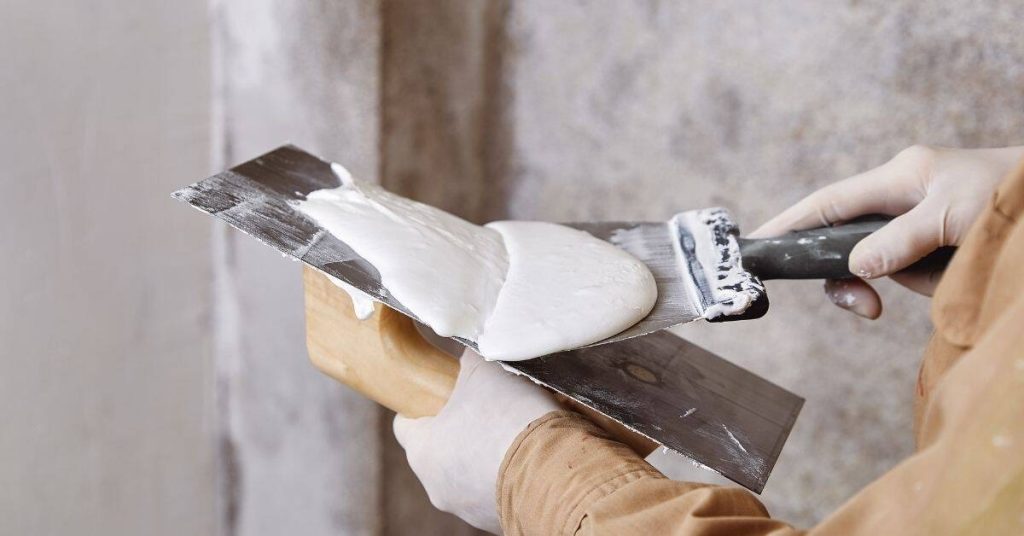
Hands holding plastering trowel and applying plaster

Bullnose Plaster Corners: Making even curves without flat spots

Introduction Bullnose plaster corners are rounded edges on interior walls to create a smooth, curved transition. This eliminates sharp angles in favor of a gentle radius that catches light softly. It’s a practical DIY touch for rooms with higher traffic or family use. In practice, you build up material and feather the edge until the […]

Bullnose Plaster Corners: Making even curves without flat spots Read More »

Paint roller applying white paint on bathroom ceiling

Bathroom Ceiling Paint: Mold resistance without high gloss

Introduction Mold-resistant bathroom ceiling paint with a low-gloss finish resists mold without creating glare. Choose a product labeled for bathroom use and mold resistance, and prep the ceiling first. Always verify the manufacturer’s instructions and local rules for surface prep and drying times. Prepare the ceiling by cleaning, repairing cracks, and letting it dry before

Bathroom Ceiling Paint: Mold resistance without high gloss Read More »

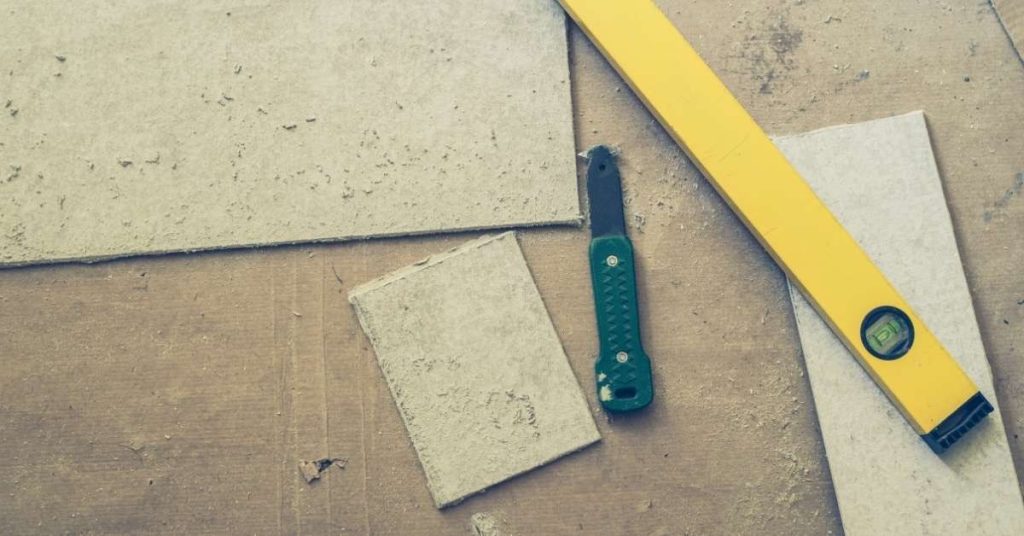
cut cement board pieces with utility knife and level nearby

Waterproofing Over Cement Board: Liquid Membrane vs Sheet Membrane (Pros/Cons)

Introduction Liquid membrane vs sheet membrane are two options for waterproofing cement board, each creating a moisture barrier. Liquid membranes are painted or rolled on as a coating, while sheet membranes come as pre-formed material you apply over the surface. Check manufacturer instructions and local rules for curing times, substrate prep, and limits of use.

Waterproofing Over Cement Board: Liquid Membrane vs Sheet Membrane (Pros/Cons) Read More »

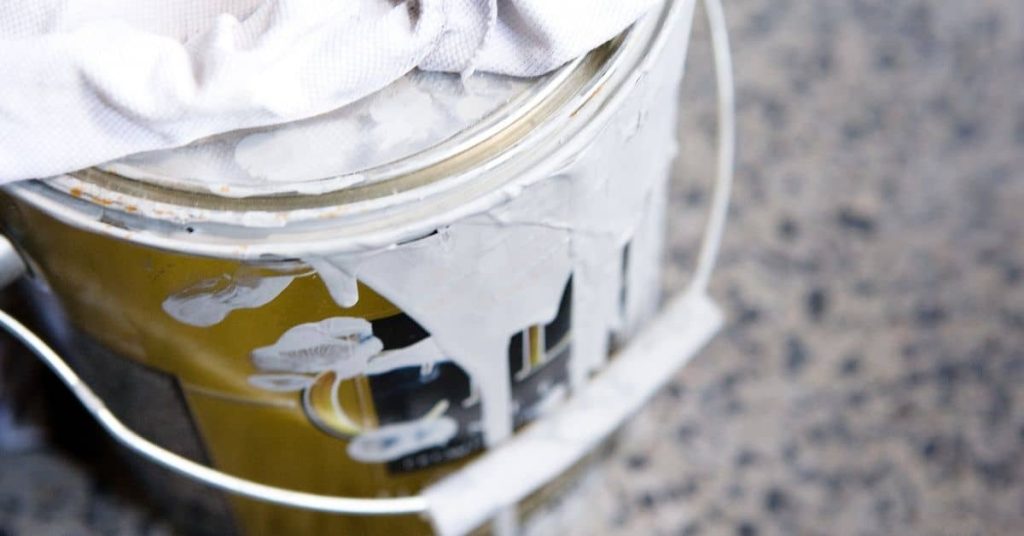
Close-up of paint can with white paint spilled on side

Why Paint Bubbles on Walls: Moisture vs Heat vs Dirt (How to Diagnose)

Introduction Paint bubbles occur when moisture, heat, or dirt get trapped under the paint. That trapped stuff lifts the coating and creates blisters you can see on walls. Check for damp spots, recent heat exposure, or dusty surfaces that weren’t cleaned before painting. To diagnose, inspect the area for moisture, heat exposure, or dirt. Try

Why Paint Bubbles on Walls: Moisture vs Heat vs Dirt (How to Diagnose) Read More »

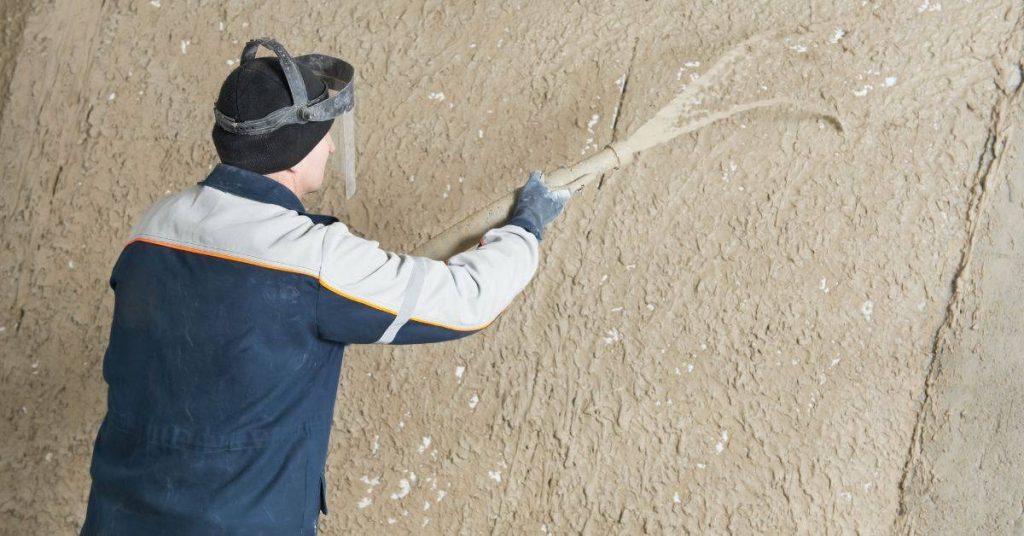
Worker spraying plaster onto wall wearing safety gear

Restoring Plaster Picture Rails: Patch Techniques That Preserve Shadow Lines

Introduction Restoring plaster picture rails means repairing damaged plaster while keeping the thin, shadowed groove where the rail meets the wall intact. This is a hands-on patch job that focuses on feathering new material into the old, matching texture, and protecting the shadow line during work. Expect to use basic plastering tools, patching compounds, and

Restoring Plaster Picture Rails: Patch Techniques That Preserve Shadow Lines Read More »

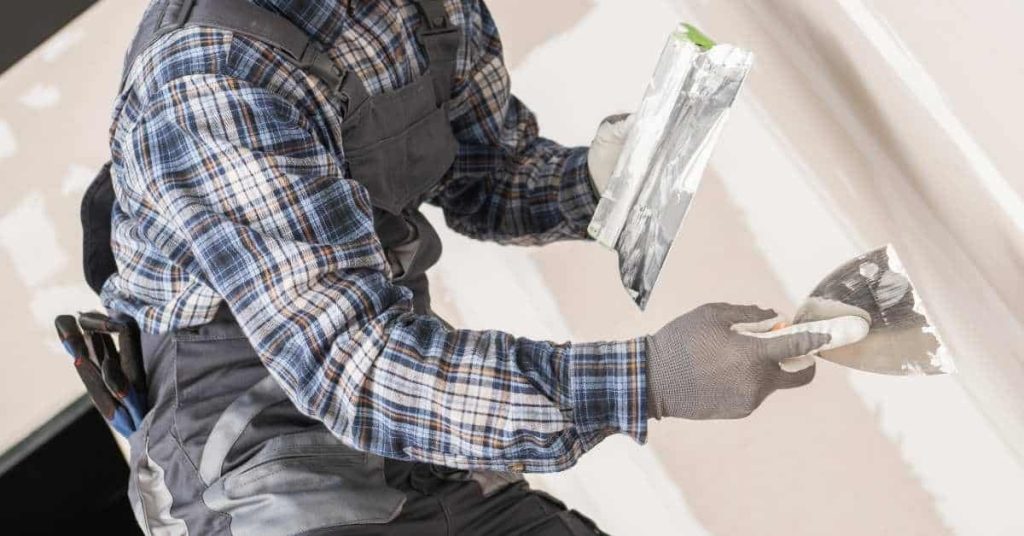
Person applying plaster to plaster cornice with trowel and spatula

Plaster Cornice Repairs: Making Simple Running Molds for Clean Profiles

Introduction Plaster cornice repairs using simple running molds means making a flexible or straight guide that lets you press or cast matching profile runs to restore damaged cornice sections. It’s a hands‑on jig you shape to the original profile and use to form or press repair material in place. This approach is practical for small

Plaster Cornice Repairs: Making Simple Running Molds for Clean Profiles Read More »