Search Results for: tar paper and sand concrete

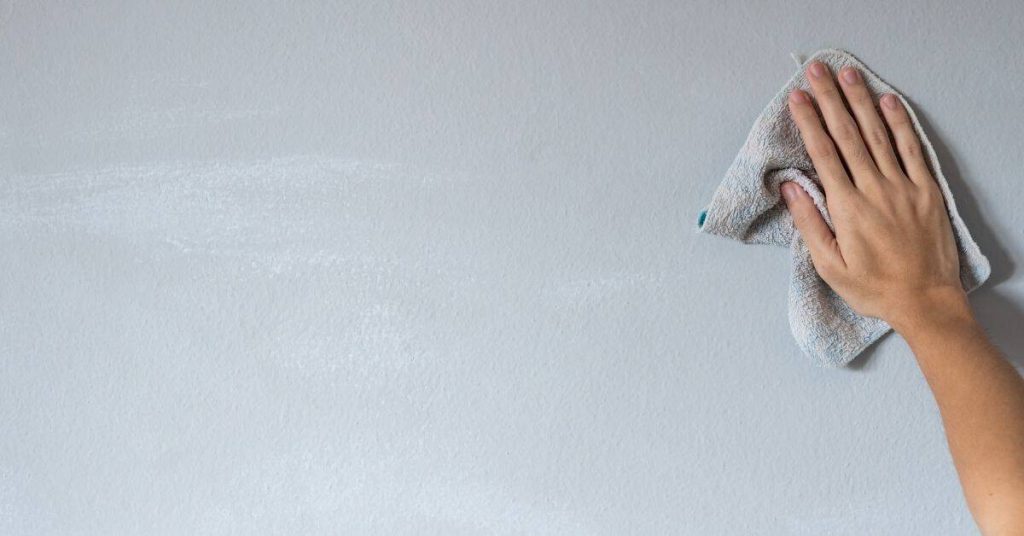
Close-up of white textured plaster surface with subtle patterns

Broom Finish Techniques: Getting Slip Resistance Without Deep Ugly Ridges

Introduction An broom finish is a textured concrete surface created by brushing with a broom to leave light ridges that resist slipping. For DIY pours, start with a clean, level surface and plan your broom pattern before you apply any skim coat. Keep the ridges shallow and even to avoid deep marks and to maintain […]

Broom Finish Techniques: Getting Slip Resistance Without Deep Ugly Ridges Read More »
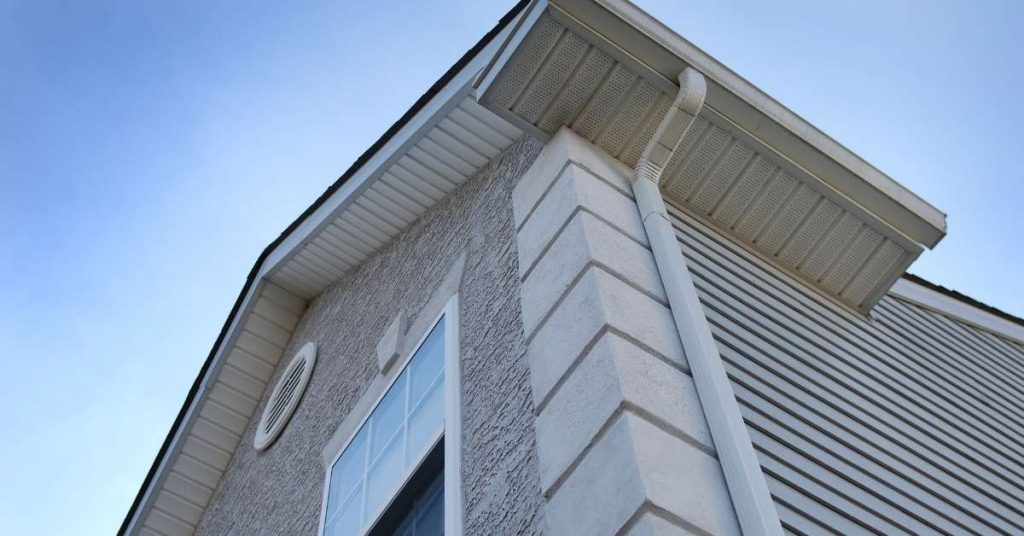
Close-up of outside stucco corner on house with clear sky

Outside Corner Stucco Damage: Stronger corner repairs that don’t chip out

Introduction Outside corner stucco damage refers to cracks or chips at the corner where two exterior walls meet. The goal is to make a repair that stays strong and looks even, without the chip coming back. This article walks you through practical, hands-on steps you can follow with common tools. You’ll want to check if

Outside Corner Stucco Damage: Stronger corner repairs that don’t chip out Read More »

Construction worker painting a small yellow patch on white wall

Choosing Wall Sheen: Washability vs touch-up friendliness in real rooms

Introduction Choosing wall sheen means picking a paint feature that balances washability and touch-up ease in real rooms. In practice, you want a finish that cleans up without showing every scuff. Think about high-traffic areas and kitchens. Read the label or talk with the paint shop about washability and touch-up performance. If you want a

Choosing Wall Sheen: Washability vs touch-up friendliness in real rooms Read More »

Person applying stucco plaster to wall with trowel

Winter Stucco Repairs: Temperature tricks that avoid powdery failures

Introduction Winter stucco repairs are methods to fix cracked or damaged stucco in cold weather while avoiding powdery failures by controlling temperature during mixing, application, and curing. Keep the mix and the surface warm enough before you work, and monitor the curing environment. Plan for a dry, protected area and test the surface feel before

Winter Stucco Repairs: Temperature tricks that avoid powdery failures Read More »

Rain falling on sloped rooftops with chimneys steaming

Adding Drip Edges to Stucco Trim: Small details that cut streaking

Introduction A drip edge on stucco trim redirects water away from the wall to prevent streaking. By guiding where the water flows, it helps keep the surface dry and reduces staining. Check that the edge is properly installed and overlaps the underlying material according to the manufacturer instructions. To DIY this, work from the top

Adding Drip Edges to Stucco Trim: Small details that cut streaking Read More »

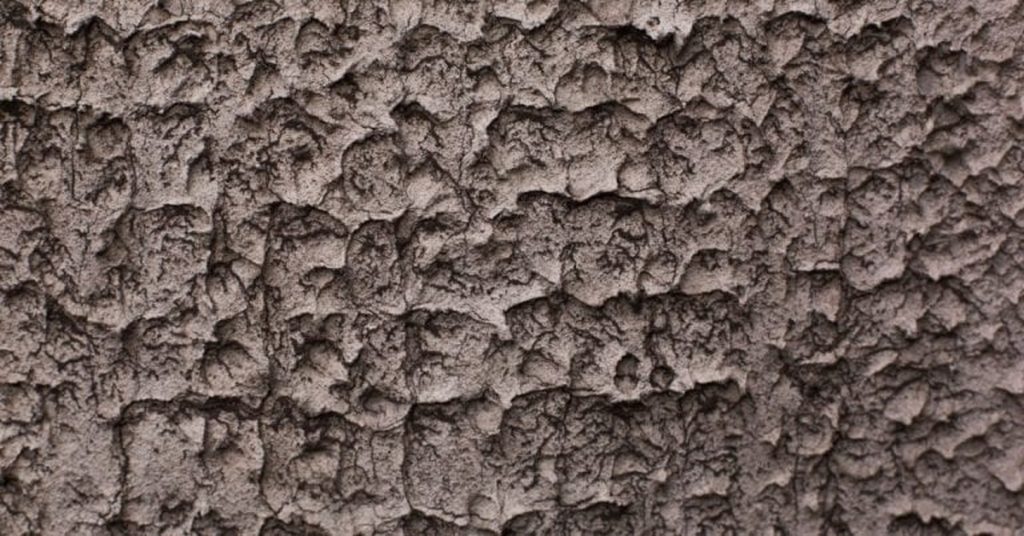
Closeup of rough textured brown stucco surface

Filling Small Holes in Stucco: Repairs that don’t leave a visible outline

Introduction Filling small holes in stucco means patching with a compatible material and feathering the edges so the repair isn’t noticeable. It’s a hands-on task you can do with basic tools and patience. Start with a clean, dry surface and work slowly to keep texture consistent. Begin by cleaning the area and removing loose material.

Filling Small Holes in Stucco: Repairs that don’t leave a visible outline Read More »

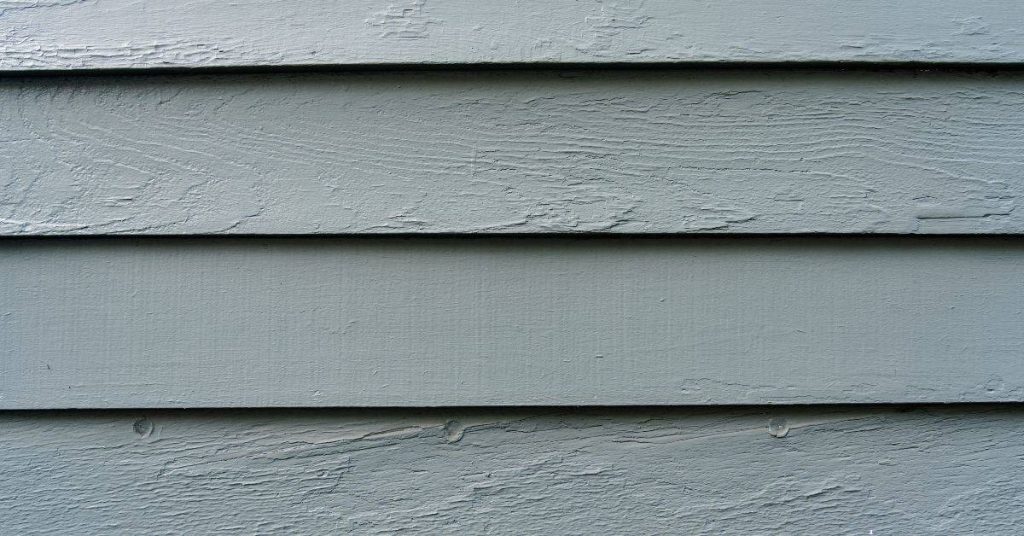
Closeup of painted wooden siding in gray color

Breathable Paint for Stucco: Choosing coatings that don’t trap moisture

Introduction Breathable paint for stucco lets moisture escape from the wall while protecting it from rain. As a DIYer, you want a coating that pins water to the surface but doesn’t trap it inside. Apply it with the right surface prep and follow the label for best results. When choosing coatings, look for breathable or

Breathable Paint for Stucco: Choosing coatings that don’t trap moisture Read More »