Search Results for: tar paper and sand concrete

Plaster over Cement Board: When It Works and Which Products Behave

Plaster over Cement Board: When It Works and Which Products Behave

Introduction Plaster over cement board can work, but only with the right boards, preparation, and compatible products. You’ll learn when it’s appropriate, avoid common pitfalls, and follow practical steps for prep, setting, and finishing so you can decide if it’s right for your project. Key takeaways Plastering over cement board is feasible but requires careful […]

Plaster over Cement Board: When It Works and Which Products Behave Read More »
Bull Float Timing: What the Surface Should Look/feel Like When You Start

Bull Float Timing: What the Surface Should Look/feel Like When You Start

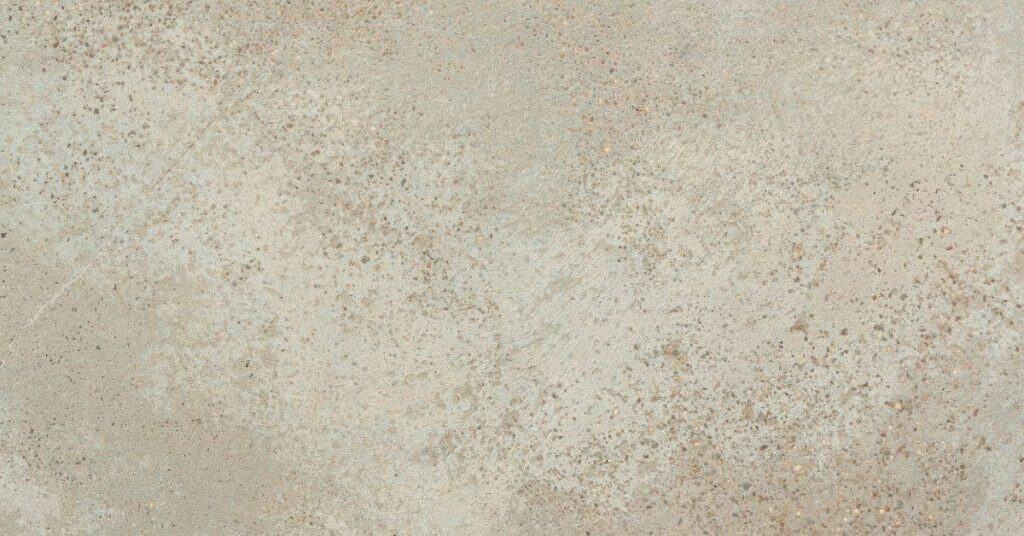
Introduction Bull float timing means starting the finish pass when the concrete surface has reached a light set and can accept a smooth, even stroke. Getting this timing right matters because it prevents gouging, reduces edge pull, and helps you achieve a uniform surface as you work. The guide walks you through how to judge

Bull Float Timing: What the Surface Should Look/feel Like When You Start Read More »

Repairing Plaster over Brick: Bonding Agents and Scratch Coat Technique

Repairing Plaster over Brick: Bonding Agents and Scratch Coat Technique

Introduction Repairing plaster over brick requires using a compatible bonding agent and a properly applied scratch coat to create a durable, crack-free finish. You’ll learn how to choose the right bonding agent, prepare the brick surface, and mix and apply the scratch coat with the right thickness and texture. The article also shares practical tips

Repairing Plaster over Brick: Bonding Agents and Scratch Coat Technique Read More »

Form Release Alternatives: What to Use (and Not Use) on Plywood Forms

Form Release Alternatives: What to Use (And Not Use) on Plywood Forms

Introduction Choose a reliable form release method for plywood forms to ensure clean release and reusable assemblies. You’ll learn how different releases work, when to use wax, oil, or silicone-based options, and what to avoid to prevent staining or bonding failures. The guide walks through practical steps, common-sense rules of thumb, and examples of real-world

Form Release Alternatives: What to Use (And Not Use) on Plywood Forms Read More »

How to Keep Concrete Forms from Bowing: Bracing Patterns That Work with 2x Lumber

How to Keep Concrete Forms from Bowing: Bracing Patterns That Work with 2x Lumber

Introduction Bracing concrete forms with well-planned 2x lumber patterns prevents bowing and keeps the pour straight. The guide walks through practical bracing patterns, proper lumber spacing, and quick checks to keep forms straight and secure during a pour. Key takeaways Use 2x lumber bracing on all forms every 2–4 feet. Align bracing to load paths

How to Keep Concrete Forms from Bowing: Bracing Patterns That Work with 2x Lumber Read More »

Outside Corners: When Corner Bead Fails and How to Rebuild the Corner Straight

Introduction Outside corners should be rebuilt straight when the corner bead fails. The article explains the practical steps to assess damage, remove the damaged bead, reestablish a true corner, and reapply mud and new bead so you end up with a clean, durable edge. Key takeaways Inspect for hairline cracks and rust, replace damaged corner

Outside Corners: When Corner Bead Fails and How to Rebuild the Corner Straight Read More »

Stucco Patches That “flash”: How to Blend Texture and Color Without Repainting the Whole Wall

Stucco Patches That “flash”: How to Blend Texture and Color Without Repainting the Whole Wall

Introduction You can patch and blend stucco so the patch matches the texture and color without repainting the whole wall. This guide walks through practical steps for matching texture and color, blending edges, selecting appropriate finishes, and evaluating when a patch will look seamless. Key takeaways Identify flashing: moisture-wicking sheen and mineral deposits highlight patch

Stucco Patches That “flash”: How to Blend Texture and Color Without Repainting the Whole Wall Read More »

Preventing Flashing over Patches: Primer Choices and Finish Coat Timing

Preventing Flashing over Patches: Primer Choices and Finish Coat Timing

Introduction To prevent flashing over patches, use the right primer and time the finish coat carefully. The guide walks you through choosing primers compatible with common patch materials and explains the curing window before applying the finish. You’ll learn practical steps, tips, and rules of thumb to reduce sheen changes, blistering, or color shifts as

Preventing Flashing over Patches: Primer Choices and Finish Coat Timing Read More »

Ceiling Cracks in Plaster: When Tape Works and When You Need Stabilization

Ceiling Cracks in Plaster: When Tape Works and When You Need Stabilization

Introduction Tape can fix small, stable plaster cracks, but larger or shifting cracks require stabilization. The guide helps you assess crack movement and decide when to use tape versus structural repair, then walks you through practical steps and tips to perform each method. You’ll learn how to prep the ceiling, apply repairs cleanly, and avoid

Ceiling Cracks in Plaster: When Tape Works and When You Need Stabilization Read More »

Coverage Checks: How to Pull a Tile and Know If You’re Actually Doing It Right

Coverage Checks: How to Pull a Tile and Know If You’re Actually Doing It Right

Introduction You can know if you pulled a tile correctly by verifying coverage and proper adhesion. The guide walks through practical steps, common signs of good and bad installs, and simple rules of thumb to help you assess a tile pull on the job. Key takeaways Plan a careful tile pull after curing to prevent

Coverage Checks: How to Pull a Tile and Know If You’re Actually Doing It Right Read More »