Search Results for: tar paper and sand concrete

Person painting wooden furniture frame with brush

How to Paint Over Waxed Furniture: Decontamination and Bond Tests

Introduction Painting over waxed furniture means removing or neutralizing the wax so paint can stick; it’s a decontamination and bond-testing job rather than a simple paint-and-go. Start by identifying the finish and following product labels or manufacturer instructions for wax removal or adhesion promotion. If you can’t be sure of the finish, plan to test […]

How to Paint Over Waxed Furniture: Decontamination and Bond Tests Read More »

paint roller with blue handle and paint tray on floor

Caulk and Paint Compatibility: A Step-by-Step Timeline to Prevent Cracking

Introduction The timeline of caulk and paint application is crucial for a durable, crack-free finish. Understanding the duration of each step helps you plan your project efficiently. From surface preparation to painting, follow this step-by-step timeline to ensure your sealant and paint work together seamlessly. For the full guide, see Caulk and Paint Compatibility: Choosing

Caulk and Paint Compatibility: A Step-by-Step Timeline to Prevent Cracking Read More »

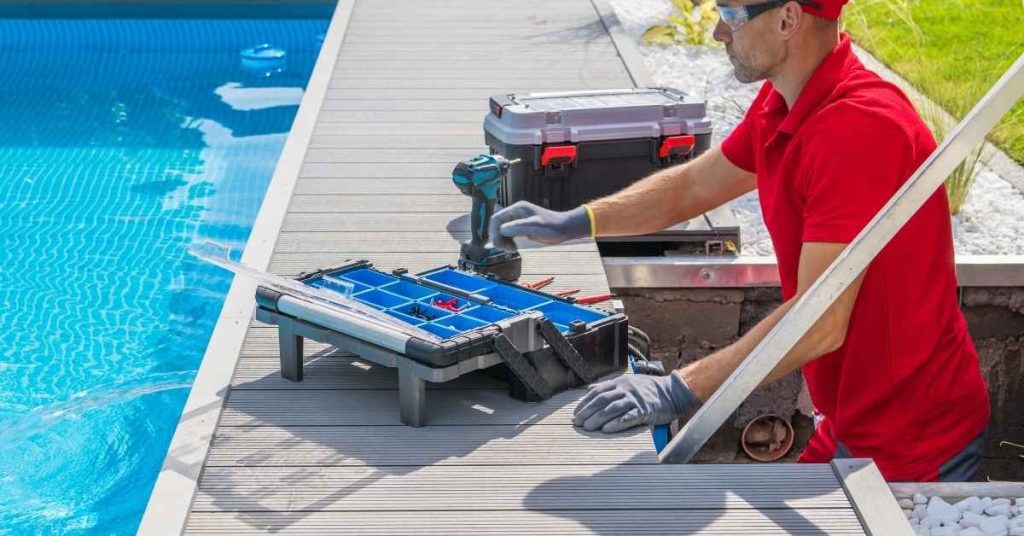
Man in red shirt working on pool deck with tools

Painting Pool Decks: Step-by-Step Timeline and Duration Guide

Introduction The timeline for painting pool decks is crucial to ensure a durable, long-lasting finish. Understanding the duration of each step helps you plan your project effectively. From surface preparation to final curing, this guide walks you through the process, helping you allocate time wisely and avoid common delays. For the full guide, see Painting

Painting Pool Decks: Step-by-Step Timeline and Duration Guide Read More »

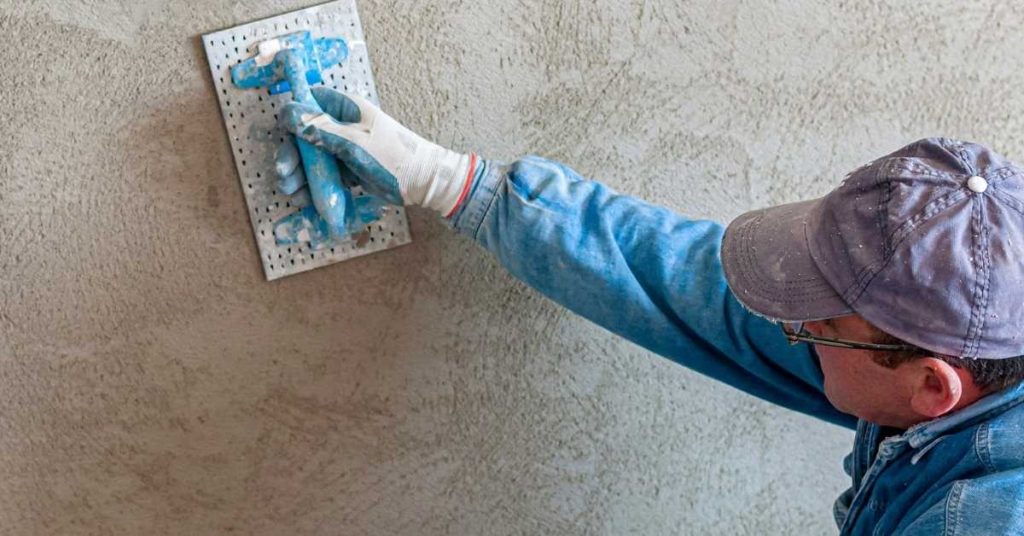
Close-up of beige textured stucco wall surface

Stucco Color Coat Touch-Ups: Why They Flash and How to Blend Better

Introduction Stucco color coat touch-ups flash when the new skim or color coat reflects light differently than the existing finish—usually due to differences in mix, texture, moisture, or application method. In plain jobsite terms, that means the patched area looks brighter, duller, or a different sheen because something about how it was mixed or applied

Stucco Color Coat Touch-Ups: Why They Flash and How to Blend Better Read More »

Blue scaffolding in front of building with white and yellow walls

Drainage Stucco vs Barrier Stucco: A Step-by-Step Timeline for DIY Inspection and Maintenance

Introduction Unsure about the stucco system on your house? Don’t let the mystery linger. With a systematic approach, you can determine if it’s drainage or barrier stucco in just a few hours. The key is to follow a clear timeline, ensuring you cover all essential steps without rushing through critical checks. Let’s dive into a

Drainage Stucco vs Barrier Stucco: A Step-by-Step Timeline for DIY Inspection and Maintenance Read More »

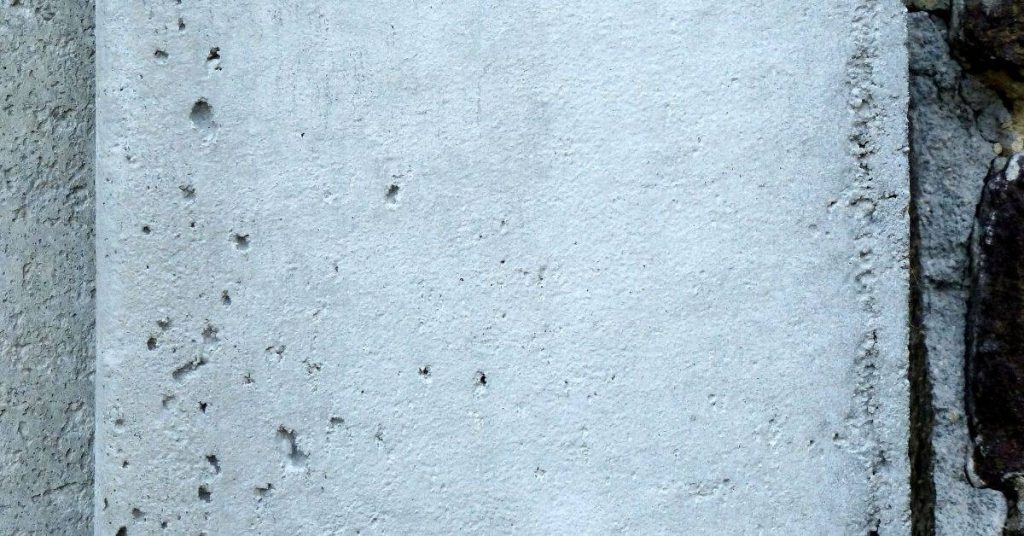
Concrete wall surface with multiple small holes and rough texture

Form Tie Holes on Concrete Walls: Clean Fill Techniques That Don’t Halo After Sealing

Introduction Form tie holes on concrete walls are the small openings left where form ties passed through the forms, and cleaning and filling them correctly prevents staining and “halos” after you seal the wall. For a DIYer that means choosing a compatible fill material, preparing the hole and surrounding concrete, and using application techniques that

Form Tie Holes on Concrete Walls: Clean Fill Techniques That Don’t Halo After Sealing Read More »

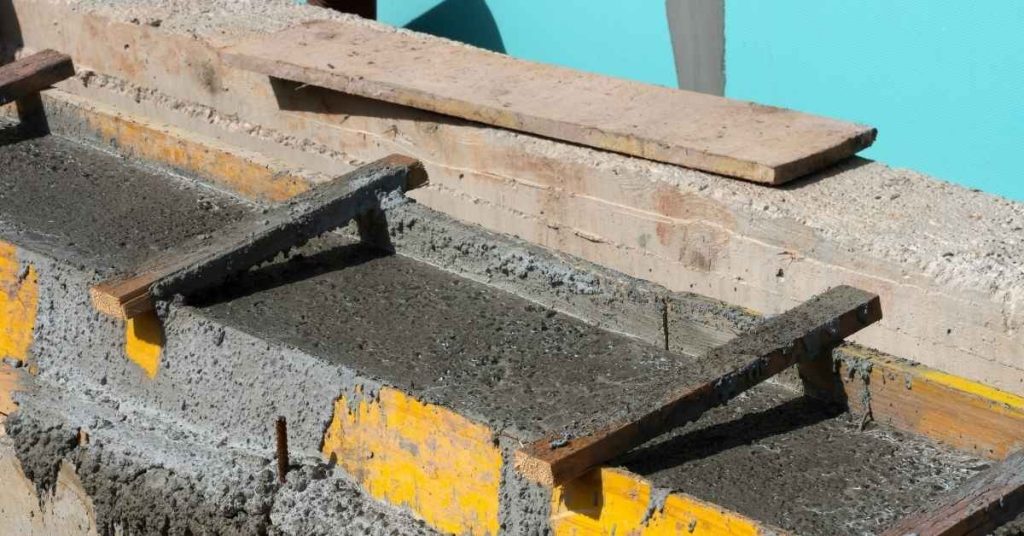
Fresh concrete pour in wooden formwork on vertical surface

Concrete Honeycomb Repair on Vertical Surfaces: Dry-Pack vs Form-and-Pour Decision Guide

Introduction Dry-pack and form-and-pour are two ways to repair honeycomb on vertical concrete surfaces. This guide helps you choose based on the damage, access, and field conditions you’ll face on site. Think of it as a practical decision, not a textbook rulebook. Dry-pack repairs are quick and grab the wall with minimal equipment, but they

Concrete Honeycomb Repair on Vertical Surfaces: Dry-Pack vs Form-and-Pour Decision Guide Read More »

Smooth epoxy coated concrete garage floor with car

Setting Epoxy Anchors in Damp Concrete: When It Works and When It’s a Hard No

Introduction Epoxy anchors can work in damp concrete, but whether they do depends on the product and the site conditions. Some epoxies tolerate dampness or damp-to-wet surfaces, while others require dry holes—check the manufacturer instructions and product label before you start. On the jobsite that means choosing the right epoxy cartridge for moisture, cleaning and

Setting Epoxy Anchors in Damp Concrete: When It Works and When It’s a Hard No Read More »