Search Results for: tar paper and sand concrete

Worker in blue helmet painting wall yellow with roller

Painting in Direct Sunlight: Timing Windows, Lap-Mark Prevention, and Sheen Control

Introduction Painting in direct sunlight means applying paint to surfaces that are heated and exposed to strong sunlight, which affects drying speed, lap marks, and sheen. It requires timing coats to avoid too-quick skinning and working in sections that the sun will move across so you can maintain a wet edge. Check paint can instructions […]

Painting in Direct Sunlight: Timing Windows, Lap-Mark Prevention, and Sheen Control Read More »
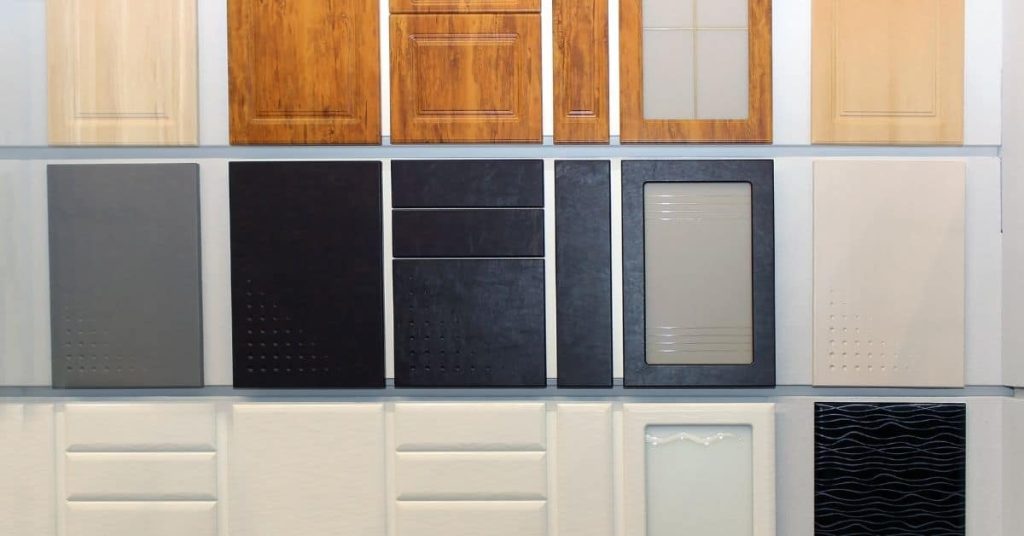
Various painted cabinet door samples in multiple colors and finishes

Furniture-Grade Painted Finishes: Grain Filling, Sanding, and Topcoat Choices

Introduction Furniture-grade painted finishes means getting a smooth, filled grain surface that takes paint like shop work so your piece looks professional; it’s done by filling open grain, sanding flat, and choosing the right topcoat. This is a hands-on sequence: pick a grain filler compatible with your paint, sand progressively to remove filler and level

Furniture-Grade Painted Finishes: Grain Filling, Sanding, and Topcoat Choices Read More »

Metal paint remover can brush bowl on wooden floor

How to Strip Paint Without Raising Grain: Scraper Technique and Neutralization

Introduction Stripping paint without raising the grain means removing the coating while keeping the wood fibers smooth so you don’t end up with a fuzzy surface. It’s a hands-on process using scrapers and gentle sanding or neutralizers as needed, and you should follow product labels and test a small area first. Expect to adjust technique

How to Strip Paint Without Raising Grain: Scraper Technique and Neutralization Read More »

Hand painting wooden cabinet door with blue paint roller

Painting Over Old Limewash: Identification, Neutralization, and Best Primers

Introduction Painting over old limewash can be a challenge due to its unique composition and properties. This guide will help you identify, neutralize, and prime your limewashed surfaces for successful painting. Key takeaways Identify limewash by chalky finish, mineral content, and matte, breathable film. Test adhesion with scrape and moisture penetration before priming. Contain dust,

Painting Over Old Limewash: Identification, Neutralization, and Best Primers Read More »

Person painting interior wall with roller

Painting Over Chalkboard Paint: Bonding and How to Stop ‘Ghosting’

Introduction Painting over chalkboard paint means getting new paint to stick and look even without the old writing ghosting through; it requires cleaning, proper priming, and the right topcoat. In practice that means remove chalk residue, test adhesion, and choose a primer compatible with both the chalkboard surface and your finish. If you’re unsure which

Painting Over Chalkboard Paint: Bonding and How to Stop ‘Ghosting’ Read More »

Hand painting metal structure with red paint roller

Painting Behind Radiators: Tools, Edge Control, and Heat-Cycle Considerations

Introduction Painting behind radiators means prepping a tight, hot-prone area so paint adheres and edges stay clean while you work around pipes and fins. It’s a hands-on job of turning off heat, protecting floors and fins, and using the right tools and edge control to reach back surfaces without making a mess. Check paint and

Painting Behind Radiators: Tools, Edge Control, and Heat-Cycle Considerations Read More »

Person painting white kitchen cabinets with brush

Kitchen Paint Durability: Scrub Ratings, Sheens, and Grease-Contamination Prep

Introduction Kitchen paint durability means how well paint stands up to scrubbing, moisture, and greasy hands over time; choose products and prep methods that resist wear and wipe clean. For a DIY job, that means matching paint sheen and scrub rating to the room’s use and tackling grease and dirt before you paint. If you’re

Kitchen Paint Durability: Scrub Ratings, Sheens, and Grease-Contamination Prep Read More »

Paint roller with blue handle resting on paint tray

How to Load a Roller Correctly: Coverage, Splatter Control, and Avoiding Dry Roll

Introduction Loading a roller correctly means getting enough paint into the nap so it lays down an even coat without dripping or running. Think of it like charging a sponge: dip, roll out on the tray until it’s saturated but not shedding, and work in manageable sections so you keep the roller loaded. This prevents

How to Load a Roller Correctly: Coverage, Splatter Control, and Avoiding Dry Roll Read More »