Search Results for: table top ves free standing

Concrete surface with small holes and surface pitting

Hairline Cracks in Countertops: Repair methods that don’t leave lines

Introduction Hairline cracks in countertops are tiny, surface-level fractures that often appear in concrete or stone slabs. They can be caused by shrinkage, temperature changes, or minor impacts during curing and use. Polishing can sometimes reveal hidden flaws, so assess the whole slab before deciding how to fix it. For repair, choose materials designed for […]

Hairline Cracks in Countertops: Repair methods that don’t leave lines Read More »
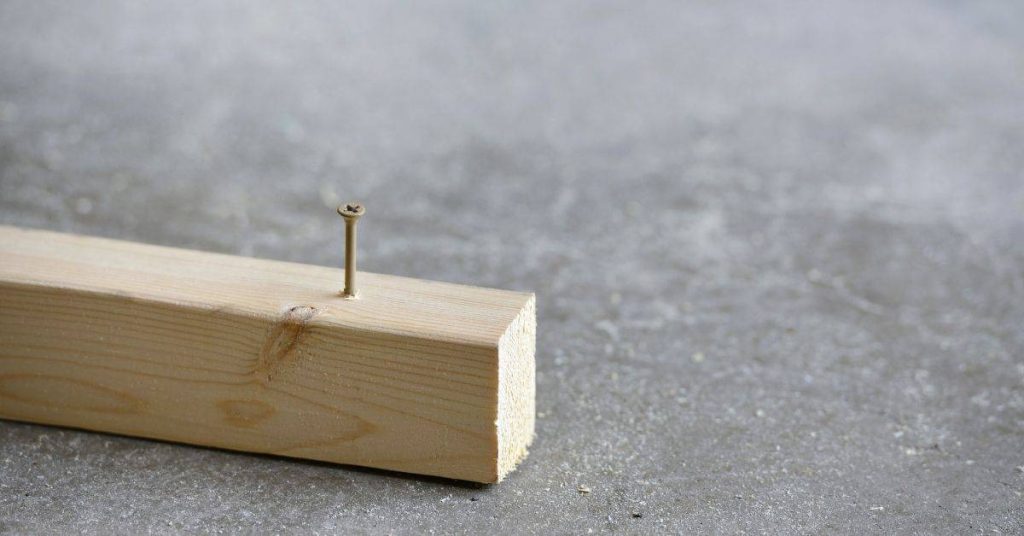
wood block with nail sticking out on concrete surface

Stucco Wicking From Concrete: How to stop moisture at the transition

Introduction Stucco wicking from concrete is moisture drawn from the concrete into the stucco layer. It happens when the concrete surface stays damp and porous, pulling water into the plaster as it dries. That moisture can cause staining, peeling, or long-term damage if not addressed. To stop it at the transition, start with a dry,

Stucco Wicking From Concrete: How to stop moisture at the transition Read More »

Gray concrete slabs with visible cracks on surface

Cracks Showing Through Overlays: How to stop telegraphing before it starts

Introduction Telegraphing cracks happen when hairline cracks in an underlying slab show through a new overlay. That visible pattern warns you the topping isn’t masking or bonding well. In this article you’ll learn how to spot causes and fix before you lay down a new surface. Before you pour or apply an overlay, check the

Cracks Showing Through Overlays: How to stop telegraphing before it starts Read More »

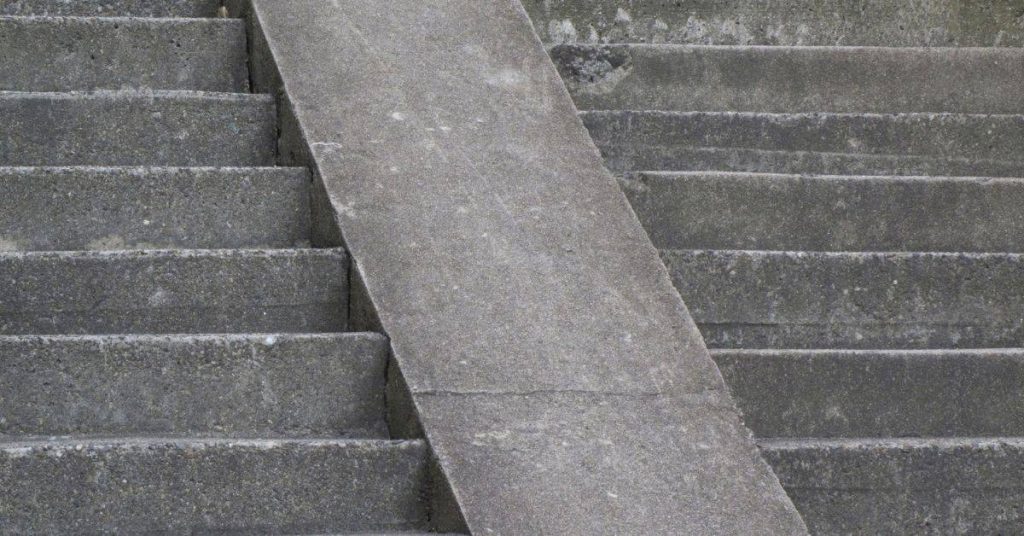
Concrete stairs with a smooth ramp in the middle

Concrete Scaling in Winter: Why the surface flakes and how to stop it

Introduction Concrete scaling in winter is when the top layer peels or flakes off because cold weather, moisture, and repeated freezing push water in and out. Cold temperatures slow curing and make water move through the surface, so you see scaling more on sidewalks, driveways, and slabs that get wet. Watch for slick, rough patches

Concrete Scaling in Winter: Why the surface flakes and how to stop it Read More »

Smooth light gray concrete wall surface

Windy Day Concrete Finishing: How to stop surface checking and plastic cracks

Introduction Windy day concrete finishing is how you control surface checking and plastic cracking when wind makes the mix dry out too fast. In a DIY setup, you’ll work to keep the surface from drying too quickly while you’re finishing. Be prepared to adjust speed, moisture, and protection as you go, and always follow the

Windy Day Concrete Finishing: How to stop surface checking and plastic cracks Read More »

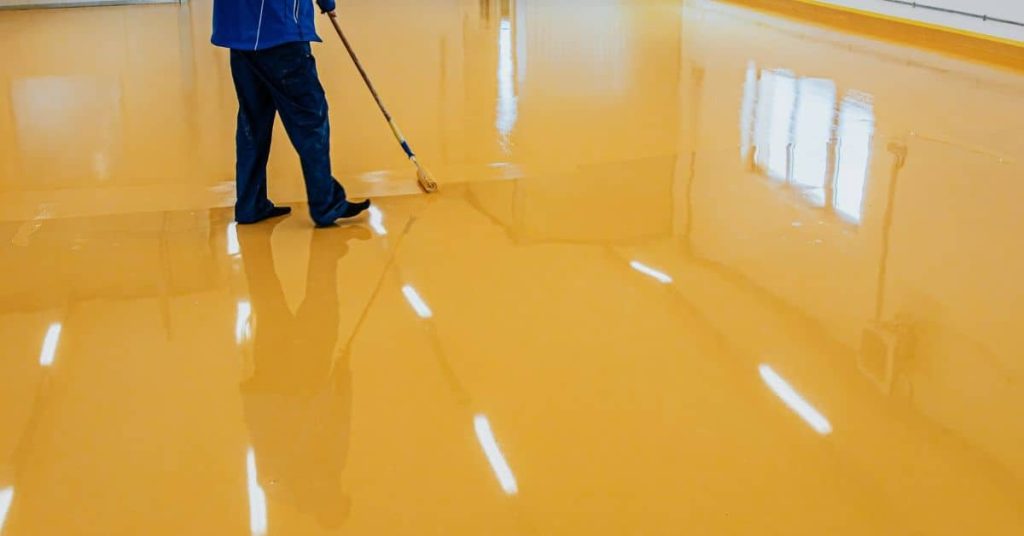
Person applying yellow epoxy floor coating with roller

Bubbles in Epoxy: Where they come from and how to stop them

Introduction Bubbles in epoxy are air pockets that form during mixing and pouring. They come from trapped air, improper mixing, or surface contamination. Taking care during prep and curing helps reduce them. Minimize bubbles by following the product’s mixing instructions and preparing the surface before pouring. Pour slowly, avoid stirring air into the resin, and

Bubbles in Epoxy: Where they come from and how to stop them Read More »

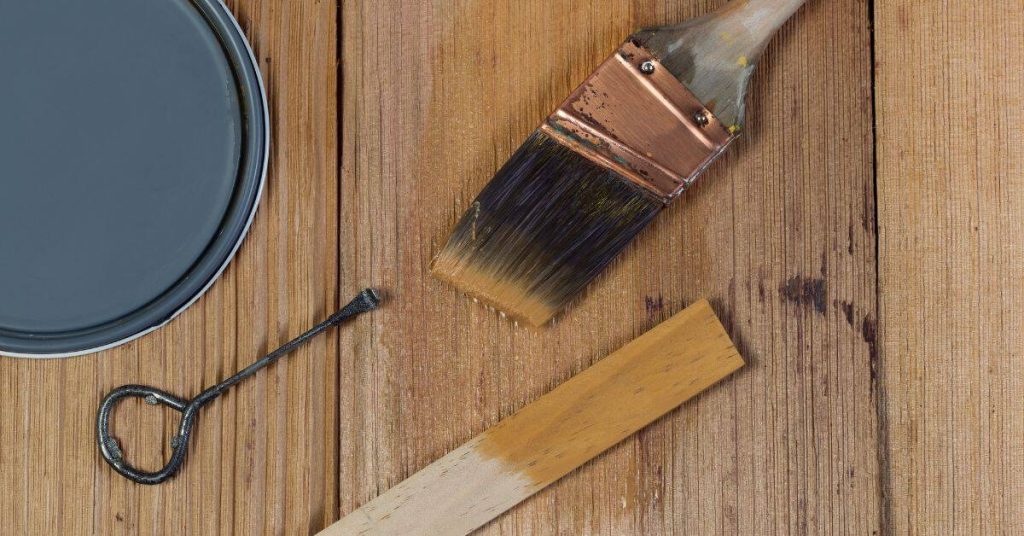
paintbrush wooden stick metal can opener on wood surface

Neutralizing After Acid Stain: Rinsing until it’s truly clean and stable

Introduction Neutralizing after acid stain means stopping the chemical reaction and restoring a stable pH before rinsing and sealing. In practice, you rinse and treat the surface to remove residual acid, then wipe or scrub as needed. This is a hands-on step that affects color, consistency, and how the sealer will grab. Gather basic tools

Neutralizing After Acid Stain: Rinsing until it’s truly clean and stable Read More »

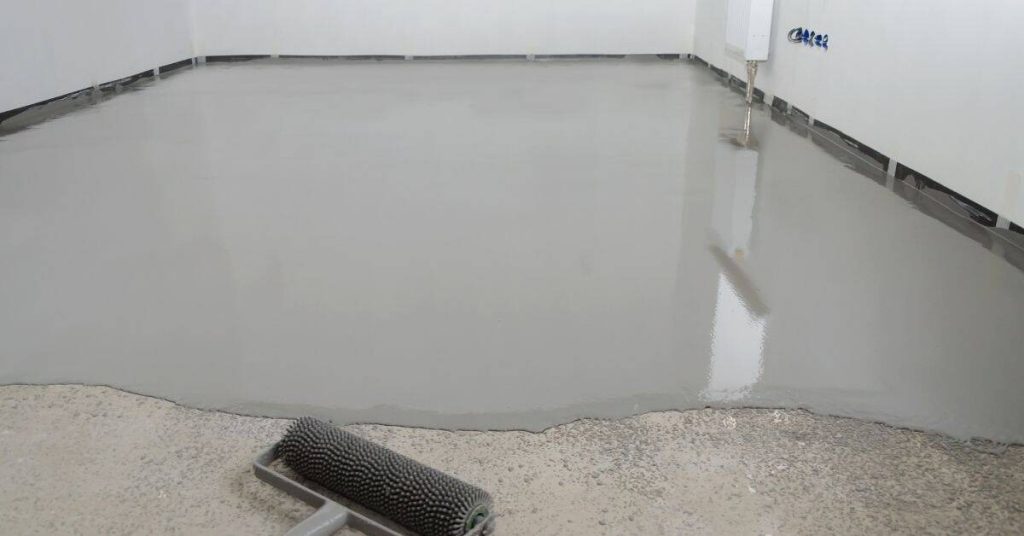
Freshly applied self-leveling concrete floor with roller

Microtopping Problems: Preventing bubbles, pinholes, and delamination

Introduction Microtopping problems are defects like bubbles, pinholes, and delamination that happen when a thin decorative concrete layer can’t bond or level properly. This article covers straightforward, hands-on steps to prevent them during mixing, prep, and application. You’ll also see how surface preparation and choosing self-leveling options can help you get a smoother, longer-lasting finish.

Microtopping Problems: Preventing bubbles, pinholes, and delamination Read More »