Search Results for: surface prep

Paint roller applying white paint on bathroom ceiling

Bathroom Ceiling Paint: Mold resistance without high gloss

Introduction Mold-resistant bathroom ceiling paint with a low-gloss finish resists mold without creating glare. Choose a product labeled for bathroom use and mold resistance, and prep the ceiling first. Always verify the manufacturer’s instructions and local rules for surface prep and drying times. Prepare the ceiling by cleaning, repairing cracks, and letting it dry before

Bathroom Ceiling Paint: Mold resistance without high gloss Read More »

Paint brush resting on concrete floor tiles with red paint

Painting Concrete Block Basements: Preventing flaking and chalking

Introduction Painting concrete block basements is applying a coat of paint designed to bind to masonry and protect from moisture and wear. A good job starts with prep to stop flaky paint and chalky residues from coming back. Check your local rules and product instructions for compatible primers and finishes. Begin with a clean, dry

Painting Concrete Block Basements: Preventing flaking and chalking Read More »

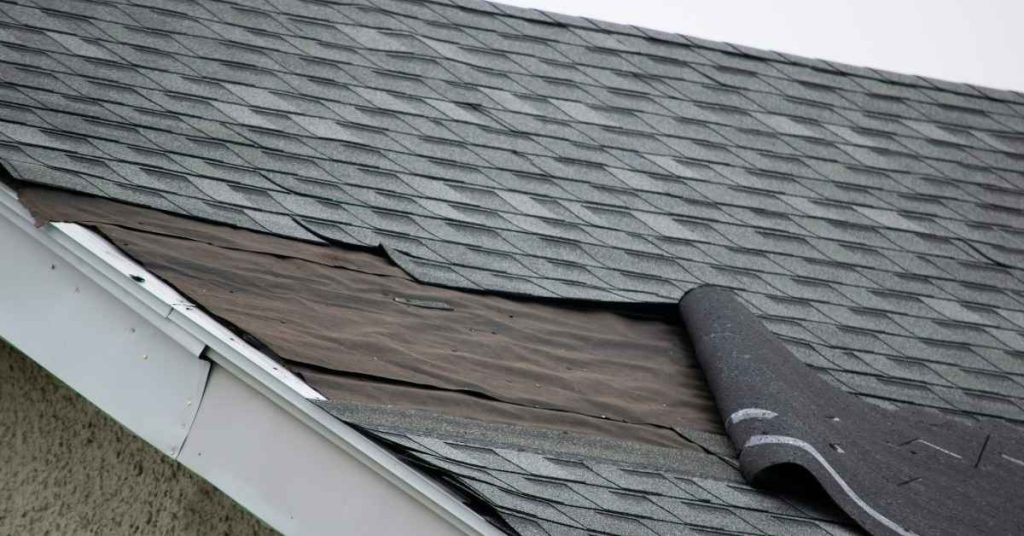
Roof with asphalt shingles partially lifted showing black underlayment

Roof Underlayment Types: Felt vs Synthetic vs Peel-and-Stick (When to Use Each)

Introduction Roof underlayment is the protective layer installed under the shingles to keep the roof deck dry when the surface isn’t exposed. Felt, synthetic, and peel-and-stick each have a place, but the right choice depends on weather, roof type, and ease of install. Check the product label and local rules to confirm what to use

Roof Underlayment Types: Felt vs Synthetic vs Peel-and-Stick (When to Use Each) Read More »

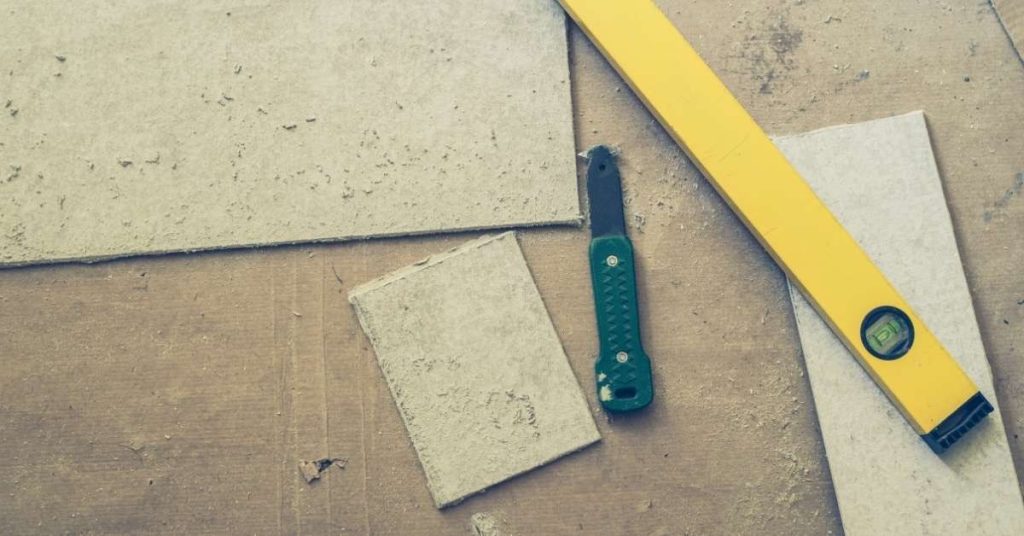
cut cement board pieces with utility knife and level nearby

Waterproofing Over Cement Board: Liquid Membrane vs Sheet Membrane (Pros/Cons)

Introduction Liquid membrane vs sheet membrane are two options for waterproofing cement board, each creating a moisture barrier. Liquid membranes are painted or rolled on as a coating, while sheet membranes come as pre-formed material you apply over the surface. Check manufacturer instructions and local rules for curing times, substrate prep, and limits of use.

Waterproofing Over Cement Board: Liquid Membrane vs Sheet Membrane (Pros/Cons) Read More »

Worker smoothing plaster on drywall wearing safety helmet and mask

Gaps Between Trim and Wall: Fixing Wavy Drywall Without Replacing Trim

Introduction Gaps between trim and wall are gaps where the trim edge doesn’t sit tight against flat drywall. They happen when the drywall isn’t perfectly flush or the trim was fastened before the wall settled. You’ll see them most where corners and edges meet the wall surface. You can fix it without removing the trim

Gaps Between Trim and Wall: Fixing Wavy Drywall Without Replacing Trim Read More »

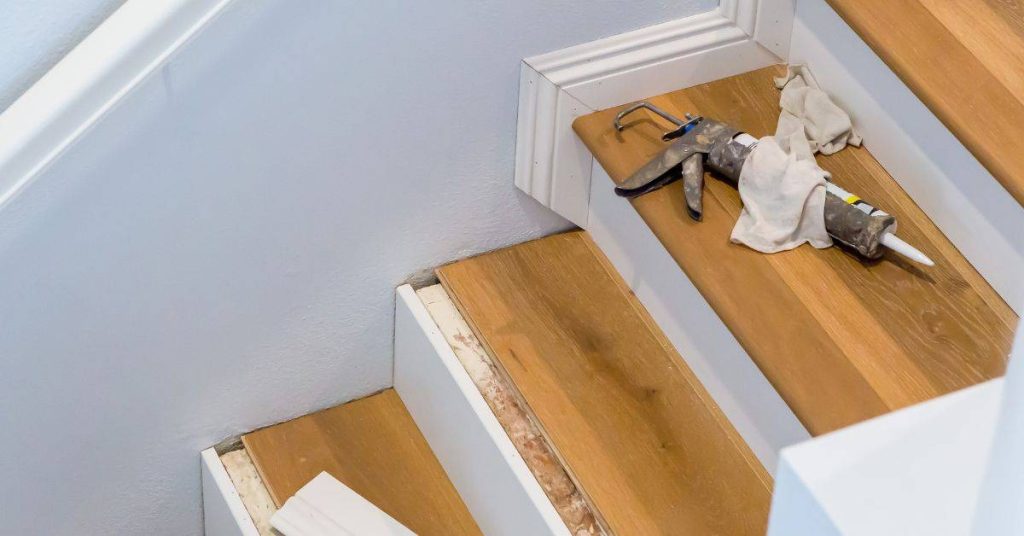
Caulking gun and cloth on wooden stairs next to white baseboards

Caulking Baseboards: Which Caulk to Use and How to Avoid Cracks

Introduction Use a flexible, paintable caulk designed for interior trim to seal baseboards. It should cure cleanly and move with seasonal expansion to prevent cracking. Check that the label says wood or drywall, and look for low VOC if you care. Key takeaways Select a paintable, flexible caulk compatible with both baseboards and walls. Wear

Caulking Baseboards: Which Caulk to Use and How to Avoid Cracks Read More »