Search Results for: surface prep

Hand scraping delaminated stucco from wall with scraper

Stucco delamination from paint layers: how to test adhesion before you repaint

Introduction Delamination in stucco paint means the coating is no longer firmly attached to the underlying surface. Testing adhesion before repainting shows whether the surface is ready to be prepped and primed. A quick check helps you plan the cleaning, scraping, and sealing steps. To test adhesion, use a simple peel or lift test on […]

Stucco delamination from paint layers: how to test adhesion before you repaint Read More »

Exterior stucco wall with scaffolding set up for repair

Patching stucco after plumbing repairs: backing methods that prevent a soft spot

Introduction Backing methods for patching stucco after plumbing repairs provide support under the patch to keep it solid. They help prevent sagging or settling as the repair dries and cures. Choose a backing that fits behind the stucco and works with the existing wall. Place the backing so it sits behind the new stucco and

Patching stucco after plumbing repairs: backing methods that prevent a soft spot Read More »

Close-up of stucco edge with foam insulation and sealant

Bottom edge stucco moisture wicking: diagnosing capillary rise and fixing the drainage plane

Introduction Bottom-edge stucco moisture wicking occurs when capillary rise pulls moisture from the foundation into the lower stucco courses. This guide helps you spot the signs and understand why the drainage plane matters. Look for damp patches, staining, softening, or peeling where the stucco meets the foundation, and check for poor drainage or blocked weep

Bottom edge stucco moisture wicking: diagnosing capillary rise and fixing the drainage plane Read More »

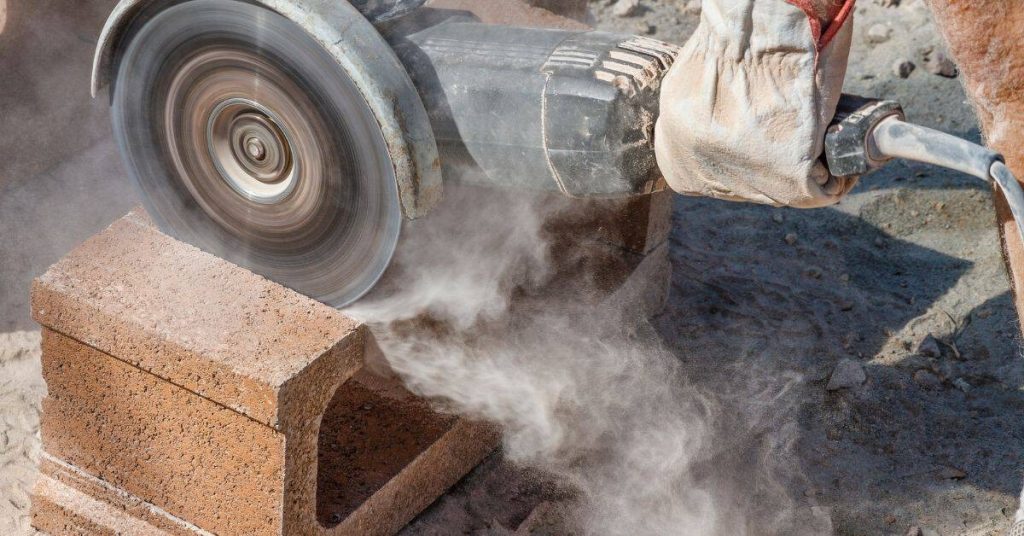
Person cutting cinder block with angle grinder outdoors

Re-sealing old stucco window edges: cutting out bad caulk and reinstalling proper backing

Introduction This is the process of removing deteriorated caulk around a stucco window and replacing it with proper backing and sealant. You will inspect the edge, cut out the old caulk, and prepare the gap for new material. The goal is a clean joint that stops water intrusion and allows for flexible, long-lasting sealing. Next,

Re-sealing old stucco window edges: cutting out bad caulk and reinstalling proper backing Read More »

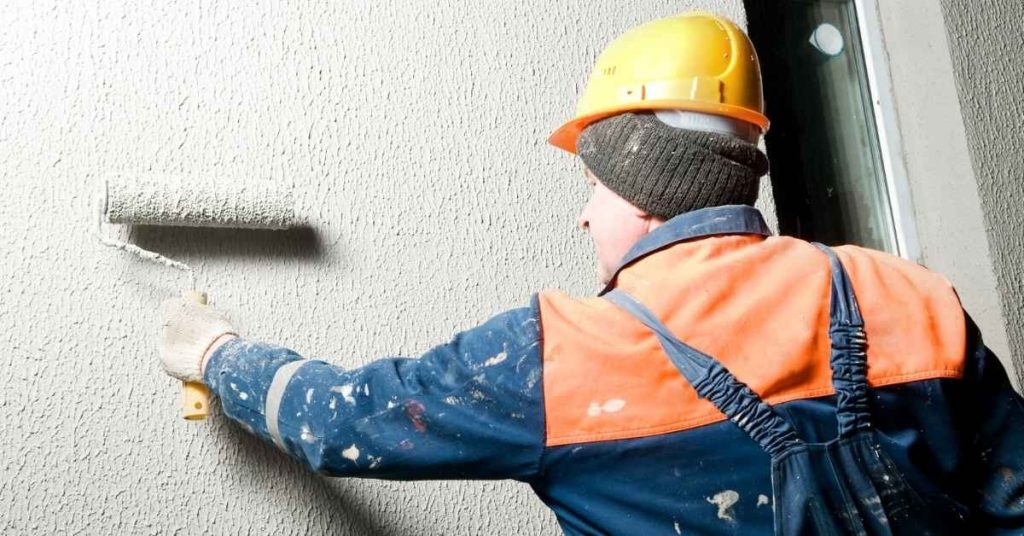
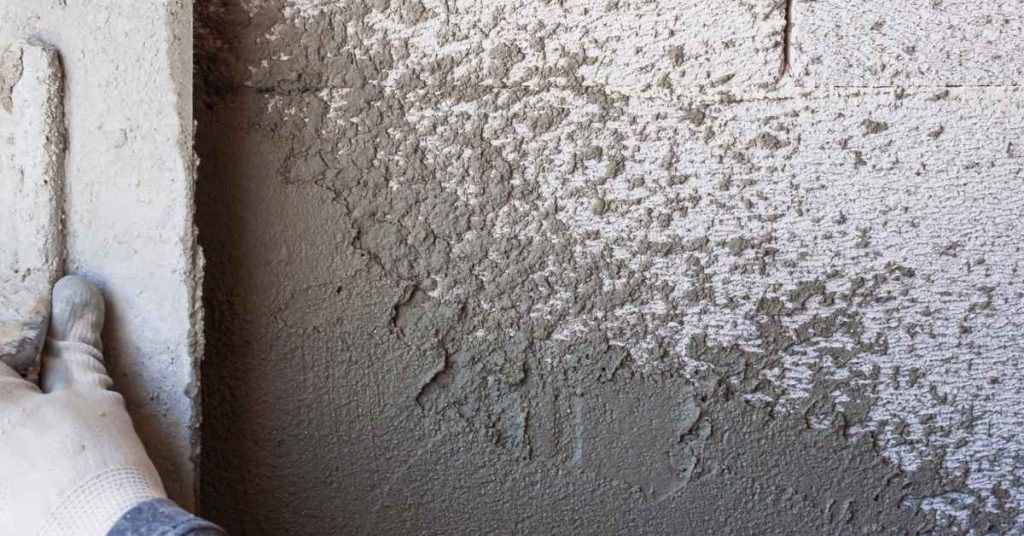
Worker applying textured stucco to exterior wall with paint roller

Hairline cracks in stucco: when elastomeric paint helps and when it hides bigger problems

Introduction Hairline cracks in stucco are very thin cracks in the exterior plaster that can form from settling, temperature changes, or minor shrinkage. They often appear as pale lines and may run across walls or around windows. Understanding what they are helps you decide whether to address them before painting. Elastomeric paint can bridge small

Hairline cracks in stucco: when elastomeric paint helps and when it hides bigger problems Read More »

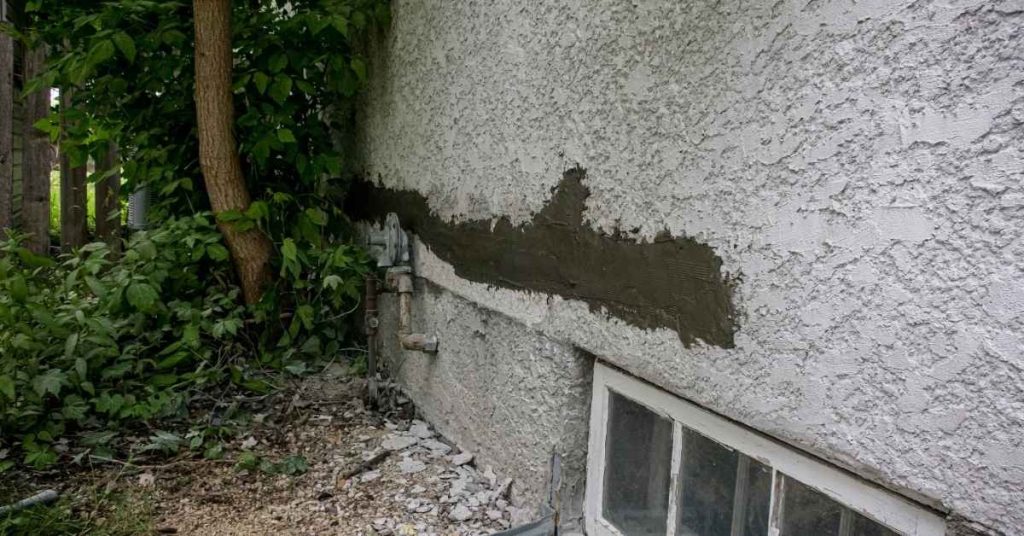
Stucco wall with fresh dark patch repair near window and vegetation

Stucco patch blends that don’t ‘picture frame’: sand matching, fog coats, and feather technique

Introduction Stucco patches can blend in by matching the sand texture, applying a light fog coat, and feathering the edges to disappear. This approach focuses on how the repair looks from close up and at a distance, not on replacing the entire wall. It’s a practical, hands-on method for making repairs less noticeable. Start by

Stucco patch blends that don’t ‘picture frame’: sand matching, fog coats, and feather technique Read More »

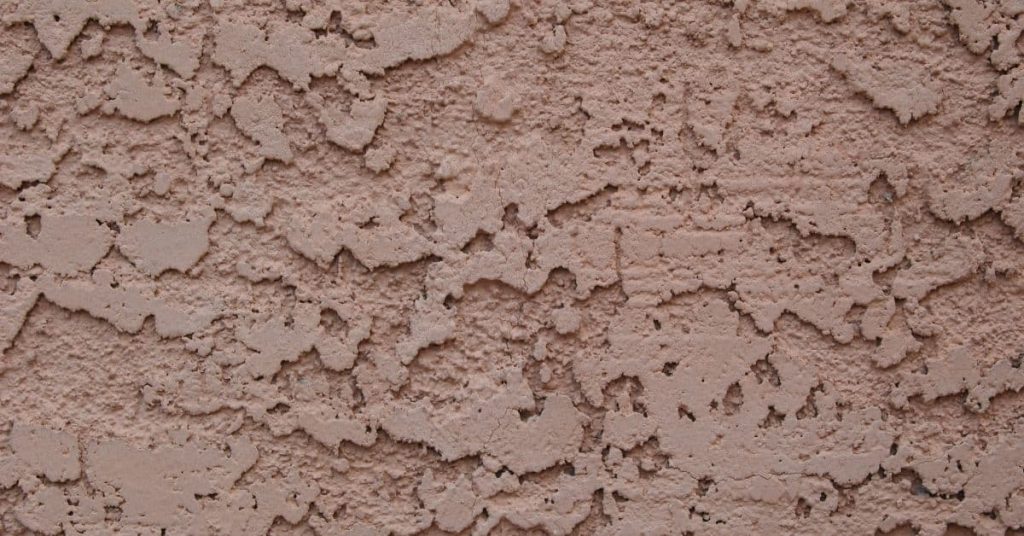
Close-up of textured brown stucco wall surface

Stucco brown coat straightening: screed methods that don’t telegraph waves later

Introduction Screed straightening of the stucco brown coat is the process of leveling and smoothing the outer layer to prevent visible waves. It relies on controlled, even passes with a straightedge to create a flat, true surface. The goal is to set the first and second coats with minimal movement after initial setting, while maintaining

Stucco brown coat straightening: screed methods that don’t telegraph waves later Read More »

Gloved hand applying stucco scratch coat on lath

Stucco scratch coat keying: getting bite on lath without overworking the mix

Introduction Keying the scratch coat means creating a rough, gripping surface on the lath so the plaster adheres without excessive manipulation. It gives the base a bite that helps the next layer hold. Start with thorough surface preparation: clean and dampen the lath so dust is removed and the surface isn’t drawing moisture too quickly.

Stucco scratch coat keying: getting bite on lath without overworking the mix Read More »

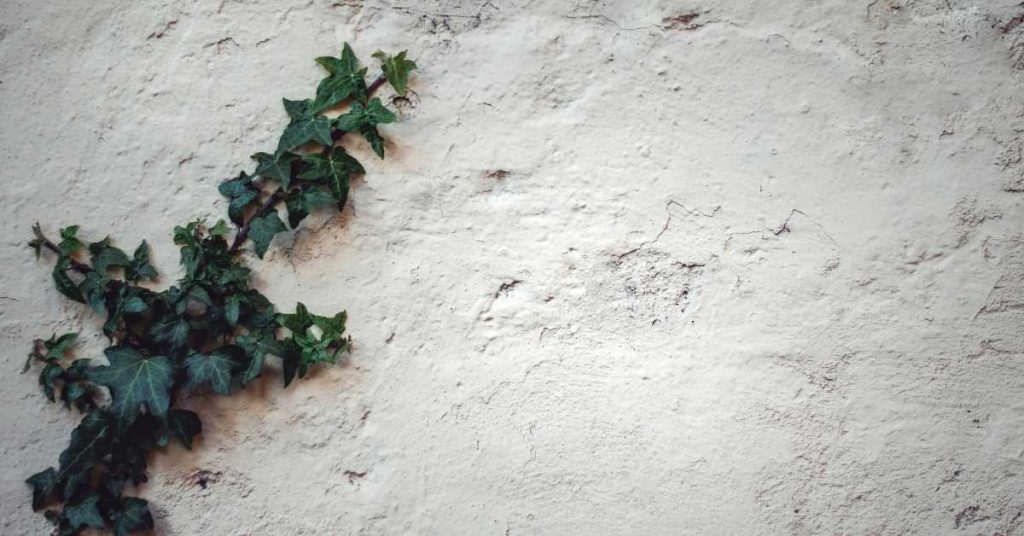
White stucco wall with green ivy growing on left side

Hiding awkward stucco control joints: layout tricks for patches and additions

Introduction A control joint in stucco is a designed gap that guides cracking and movement. Hiding it during patches and additions means planning the patch layout so the joint sits where it won’t stand out. This article walks through practical layout tricks you can use in the field. , but we must not include comma

Hiding awkward stucco control joints: layout tricks for patches and additions Read More »

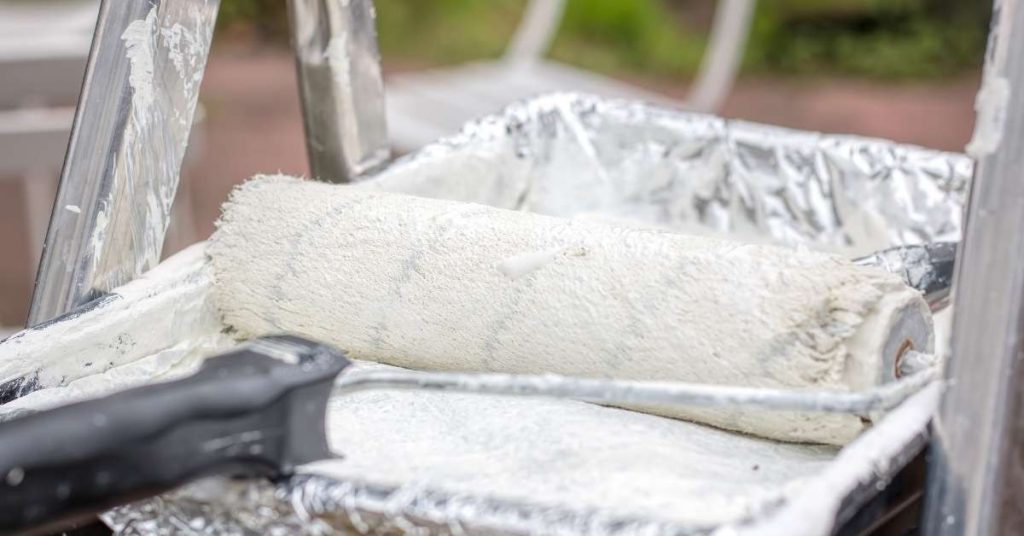
White paint roller resting in paint tray on ladder

Budget moisture tests for concrete coatings: what homeowners can trust without pro meters

Introduction Budget moisture tests for concrete coatings are simple, low-cost checks homeowners can use to gauge whether a floor is dry enough for coating. Be aware surface-based tests, like calcium chloride tests, only measure surface moisture and can mislead if conditions aren’t right. Always check manufacturer guidance and consider timing relative to temperature and humidity

Budget moisture tests for concrete coatings: what homeowners can trust without pro meters Read More »