Search Results for: surface prep

Person applying plaster to wall with putty knife

Adding Fibers to Plaster: Hemp, Cellulose, and Horsehair Alternatives Compared

Introduction Adding fibers to plaster means mixing natural fibers like hemp, cellulose, or horsehair into a lime or clay binder to improve crack resistance and tensile strength; choose the fiber type and preparation based on the binder and final exposure. From a DIY foreman’s view, hemp is strong and long fibers need chopping, cellulose is […]

Adding Fibers to Plaster: Hemp, Cellulose, and Horsehair Alternatives Compared Read More »

Hand with glove smoothing lime plaster on wall with straightedge

Microcracks in Lime Plaster: Normal Crazing vs Movement and How to Decide

Introduction Microcracks in lime plaster are usually small surface crazing that forms as the plaster dries and shrinks; they are often cosmetic and not a structural failure. Look at crack width, depth, and whether it goes into the substrate to decide; if unsure, check the product label or manufacturer guidance for allowed hairline cracking. In

Microcracks in Lime Plaster: Normal Crazing vs Movement and How to Decide Read More »

Person painting wall corner with roller and light paint

Painting Dark Colors Without Streaks: Undercoats, Tinted Primer, and Film Thickness

Introduction Painting dark colors without streaks means building an even base and applying paint so the finish lays down uniformly; start with a proper undercoat or tinted primer and pay attention to film thickness and technique. In plain jobsite terms: prep the surface, choose a primer approach that covers or tints toward the final shade,

Painting Dark Colors Without Streaks: Undercoats, Tinted Primer, and Film Thickness Read More »

Open metal can filled with white paint

White Paint Undertones Explained: Avoiding Green, Pink, or Blue Cast in Real Rooms

Introduction White paint undertones are the faint colors hidden in a white that can make a room look green, pink, or blue when light hits the walls. Think of undertones as the paint’s subtle color bias that shows up in real rooms depending on light and surrounding surfaces. Test large swatches on the actual walls

White Paint Undertones Explained: Avoiding Green, Pink, or Blue Cast in Real Rooms Read More »

Hand wearing glove spraying paint with airgun spray gun

Sprayer Filters and Strainers: The Hidden Cause of Spitting, Clogs, and Orange Peel

Introduction Sprayer filters and strainers are the small screens and inline pieces that catch debris before it gets to your nozzle and cause spitting, clogs, and orange peel. In practical terms, they’re often the hidden troublemaker when a sprayer stops spraying smoothly. Check the product label or manufacturer instructions for the filter mesh size and

Sprayer Filters and Strainers: The Hidden Cause of Spitting, Clogs, and Orange Peel Read More »

Woman scraping paint from white interior wall

Removing Paint From Masonry: Chemical Strippers vs Grinding and How to Avoid Scarring

Introduction Removing paint from masonry means choosing between chemicals that soften coatings and mechanical grinding that abrades them, and the right choice depends on the paint type, the masonry surface, and how careful you need to be to avoid damage. For a DIYer that often means weighing slower, gentler chemical strippers against faster, more aggressive

Removing Paint From Masonry: Chemical Strippers vs Grinding and How to Avoid Scarring Read More »

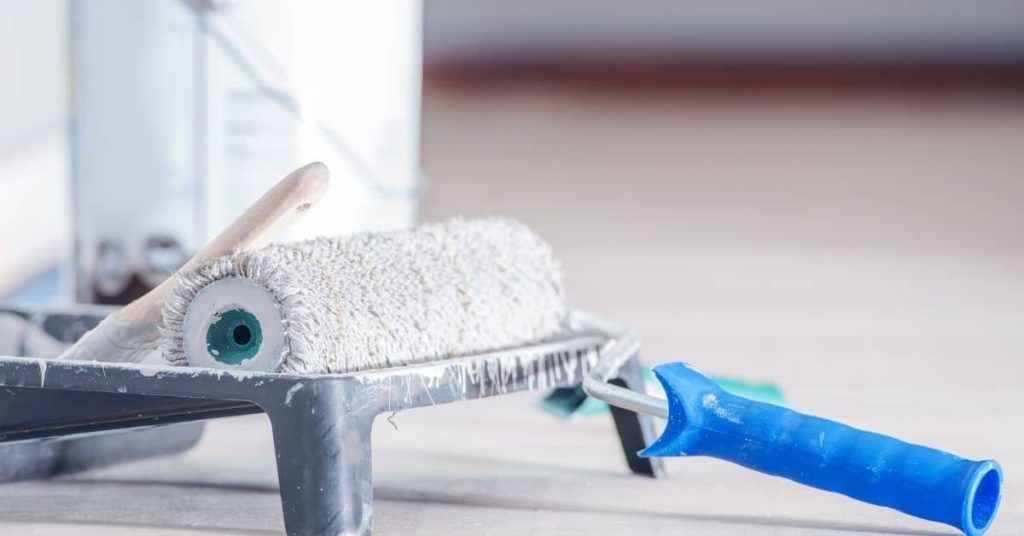
Paint roller with blue handle resting on paint tray

How to Load a Roller Correctly: Coverage, Splatter Control, and Avoiding Dry Roll

Introduction Loading a roller correctly means getting enough paint into the nap so it lays down an even coat without dripping or running. Think of it like charging a sponge: dip, roll out on the tray until it’s saturated but not shedding, and work in manageable sections so you keep the roller loaded. This prevents

How to Load a Roller Correctly: Coverage, Splatter Control, and Avoiding Dry Roll Read More »

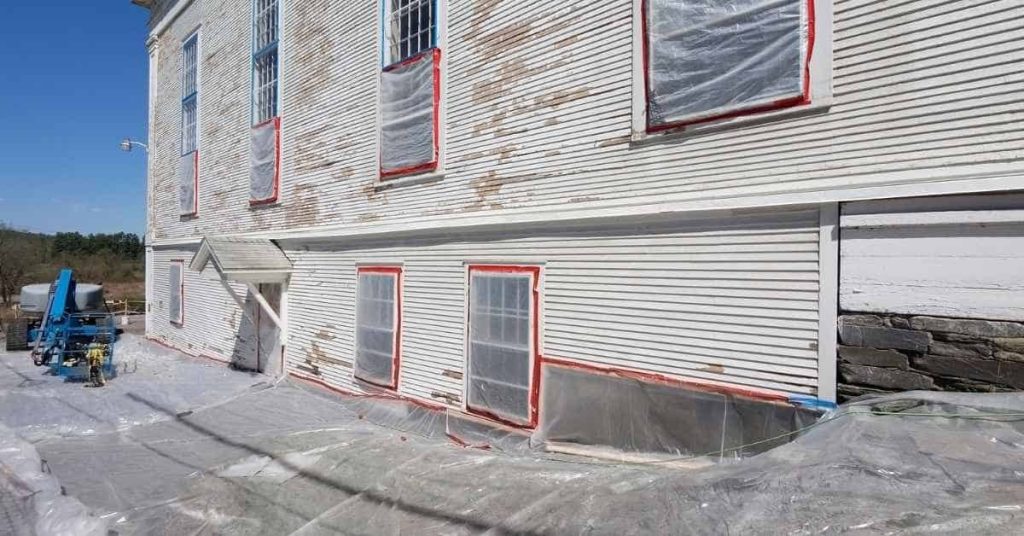
House exterior with windows covered in plastic sheeting and taped edges

Masking Plastic vs Paper: Overspray Control Without Static Dust Problems

Introduction Masking plastic vs paper is about choosing the right sheet for catching overspray while avoiding static-attracted dust — plastic resists moisture and makes a light, slippery barrier, while paper lays down with less static so dust won’t cling as much. Think of plastic for areas that need water resistance and containment, and paper for

Masking Plastic vs Paper: Overspray Control Without Static Dust Problems Read More »

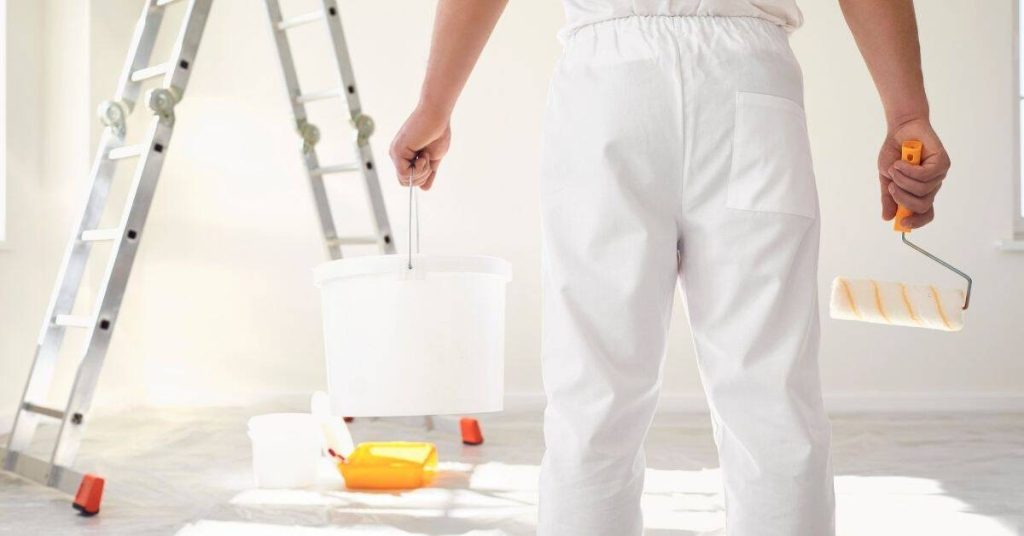
Person in white clothes holding paint roller and bucket near ladder

Painter’s Tape Alternatives: Liquid mask, edge sealers, and when they beat tape

Introduction Painter’s tape alternatives are products and techniques—like liquid masking, edge sealers, and specialty sealants—that block paint or create clean edges where tape isn’t ideal. They work best on irregular surfaces, tight curves, or when tape would lift or leave residue, but check the product label and manufacturer instructions for surface compatibility and drying time.

Painter’s Tape Alternatives: Liquid mask, edge sealers, and when they beat tape Read More »