Search Results for: surface prep

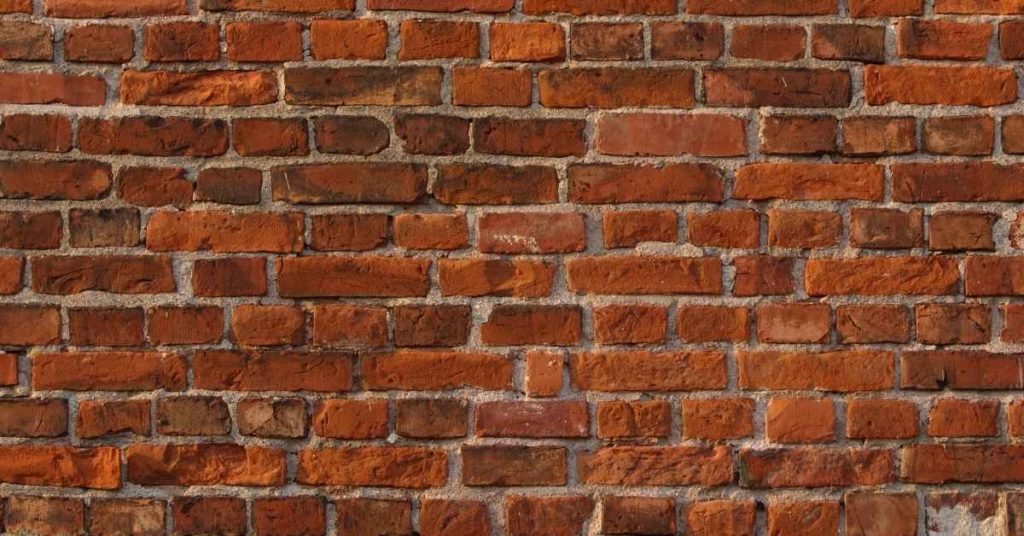
weathered red brick wall with visible mortar joints

Cleaning Mortar Smears Off Brick: Gentle Methods Before You Touch Acid

Introduction Cleaning mortar smears off brick means removing smeared or splashed mortar from brick surfaces using gentle, non-acid methods. The goal is to lift the residue without gouging the brick or mortar joints. Start with testing a small area and choose a mild approach first. Gentle options include dampening the smear and using a plastic […]

Cleaning Mortar Smears Off Brick: Gentle Methods Before You Touch Acid Read More »

Mortar mixing bucket with drill mixer attachment and tools inside

Brick Mortar Mixing in Small Batches: Consistent Water, Consistent Results

Introduction Small-batch brick mortar mixing means keeping the same amount of water in each mix so the mortar behaves the same every time. That consistency helps you get uniform workability and a solid mortar bed. Work in clean buckets, keep tools handy, and adjust only as needed to maintain that consistent texture. To keep batches

Brick Mortar Mixing in Small Batches: Consistent Water, Consistent Results Read More »

Close-up of textured white plaster wall surface

Finding Studs Behind Plaster and Lath: Magnets, Probing, and Avoiding Wire Hits

Introduction Finding studs behind plaster and lath means locating the wall framing behind the plaster so you know where to anchor. In practice, DIY folks use magnets to find fasteners and then verify with a probing method to confirm stud depth. This approach helps you avoid guessing and reduces the risk of drilling into wires

Finding Studs Behind Plaster and Lath: Magnets, Probing, and Avoiding Wire Hits Read More »

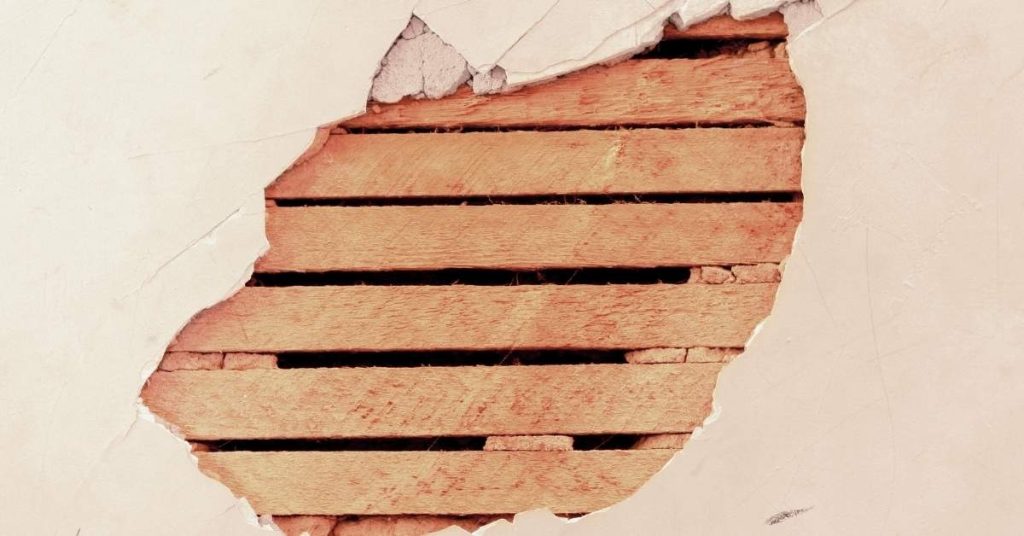
Broken plaster revealing wooden lath behind wall

Loose Lath Under Plaster: Refasten vs Replace (a Practical Decision Guide)

Introduction Refastening loose lath is usually the simplest first step to fix plaster that’s pulling away. If the lath is rotten or severely warped, replacement might be the safer option. Check for signs of damp, rot, and whether the plaster remains solid. Decide between refastening and replacing by inspecting the lath condition and the soundness

Loose Lath Under Plaster: Refasten vs Replace (a Practical Decision Guide) Read More »

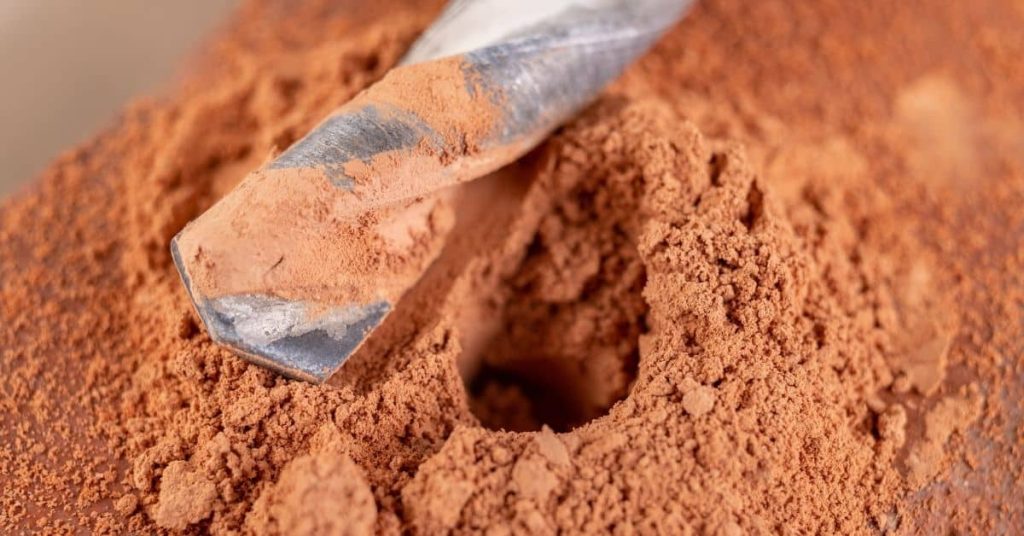
Close up of drill bit covered in red dust powder

Plaster Dust Control for Small Jobs: Containment, Venting, and Cleanup That’s Livable

Introduction Plaster dust control means keeping dust confined, vented, and cleaned so a small job stays livable. Set up a defined work area with barriers or plastic, cover floors, and contain the dust to the room you’re working in. Wear appropriate PPE like a dust mask, eye protection, and gloves, and remove loose clothing to

Plaster Dust Control for Small Jobs: Containment, Venting, and Cleanup That’s Livable Read More »

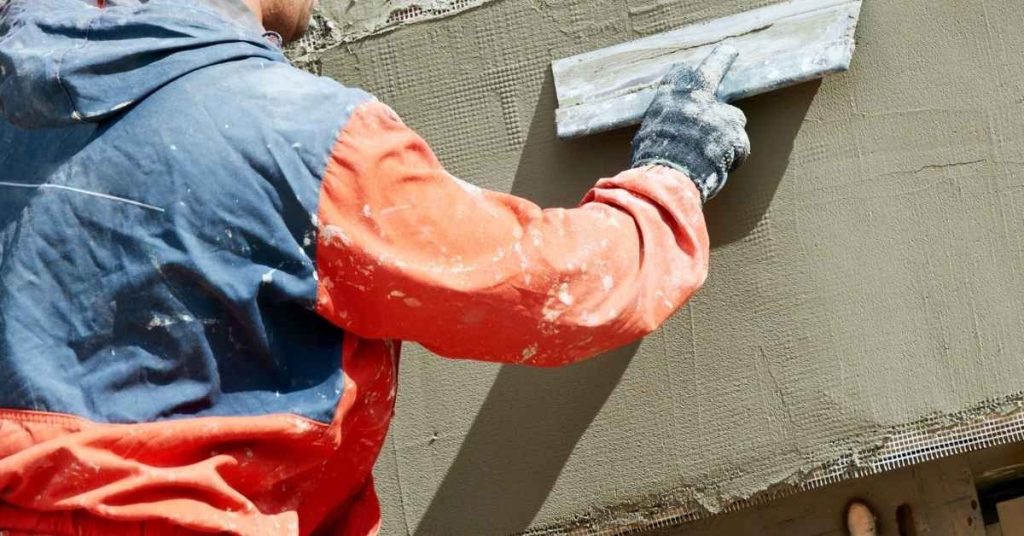
Worker applying fresh stucco with trowel to wall surface

Soft Stucco Diagnosis: Probe Tests to Separate Erosion from Lath Failure

Introduction Soft stucco indicates exterior plaster that feels soft or hollow, signaling potential erosion or lath failure. You’ll see blistering, crumbling edges, or patches where the wall sounds hollow when tapped. This intro helps you spot trouble before you rip into major repairs. Probe tests involve gently tapping or lifting at suspect spots to feel

Soft Stucco Diagnosis: Probe Tests to Separate Erosion from Lath Failure Read More »

Person applying stucco to wall with trowel

Stucco Window Sills Done Right: Slope, End Dams, and Rot Prevention

Introduction This is about making stucco window sills that shed water properly and resist rot. You’ll focus on the right slope, install end dams, and plan for long-lasting rot prevention. Tackle it like a practical DIY project with common tools and careful flashing. Choose materials and details that stand up to moisture, and verify with

Stucco Window Sills Done Right: Slope, End Dams, and Rot Prevention Read More »

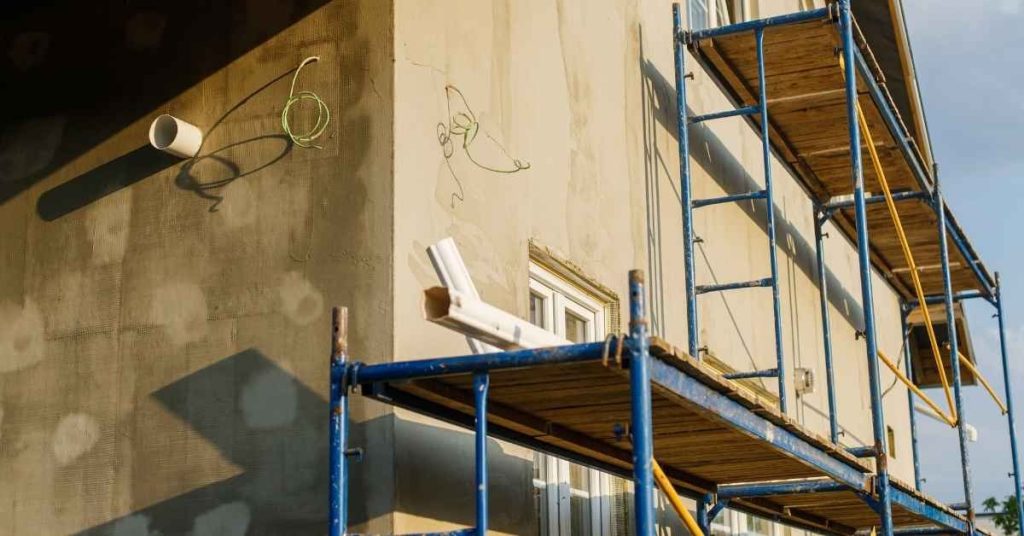
Exterior building wall with scaffolding and stucco application in progress

Stucco Lath Fasteners That Last: Corrosion, Length, and Avoiding Loose Walls

Introduction Stucco lath fasteners are the hardware that attach exterior stucco lath to the framing and keep the wall solid. They come in several styles for different substrates, so you should pick ones that fit your lath and backing material. Check the label or manufacturer guidance to ensure corrosion resistance and proper compatibility with your

Stucco Lath Fasteners That Last: Corrosion, Length, and Avoiding Loose Walls Read More »