Search Results for: surface prep

Construction worker laying a red brick on a wall

Expansion Anchors in Brick: Prevent Splits and Choose the Right Fastener

Introduction Expansion anchors can crack, spall, or split brick because setting the anchor pushes outward on the drilled hole. The risk is highest in hollow, soft, weathered, cracked, or edge-adjacent brick—and whenever the fixture applies sustained pull, leverage, vibration, or a high-consequence load. Do not select an anchor from the fixture’s weight alone. First identify […]

Expansion Anchors in Brick: Prevent Splits and Choose the Right Fastener Read More »
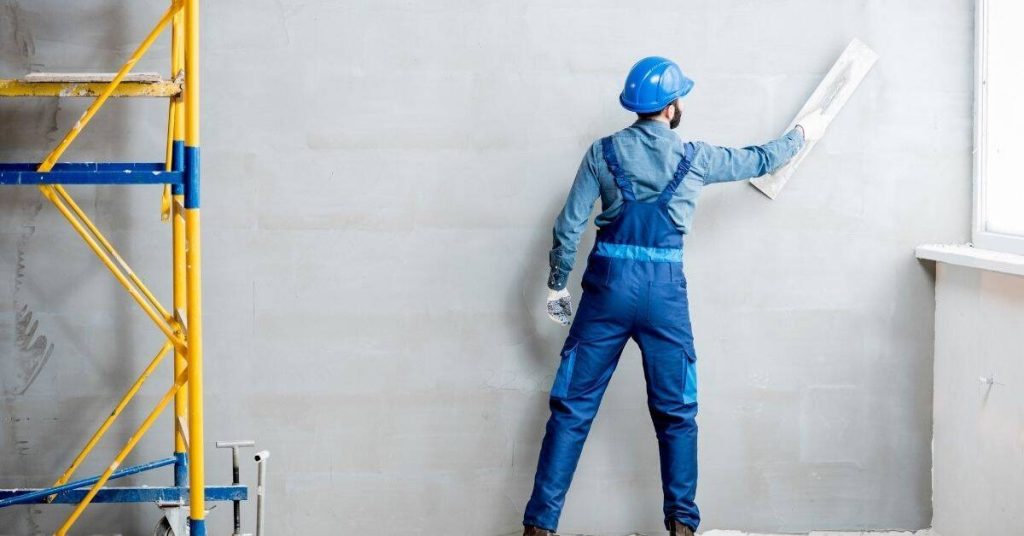
Worker smoothing plaster wall with trowel near scaffold

Hanging Heavy Objects on Plaster: Toggles, Backing, and Safer Load Paths

Introduction Hanging heavy objects on plaster requires proper backing and safe load paths. Drilling through plaster without a backing can crack the wall, so you need an anchor plan that holds. Always follow the hardware manufacturer’s instructions for plaster surfaces. Begin by locating solid backing or using toggles and backing material designed for plaster. Plan

Hanging Heavy Objects on Plaster: Toggles, Backing, and Safer Load Paths Read More »

Closeup of textured burlap fabric with natural fibers

Building a Lime Plaster Sample Board Library: Color, Texture, and Sealer Tracking

Introduction A lime plaster sample board library is a hands-on set of small plaster tests you build to compare color, texture, and sealer outcomes. You’ll lay out different mixes on separate boards and note how each one looks when it dries. Keep the boards labeled and stored where they won’t get ruined by weather. Start

Building a Lime Plaster Sample Board Library: Color, Texture, and Sealer Tracking Read More »

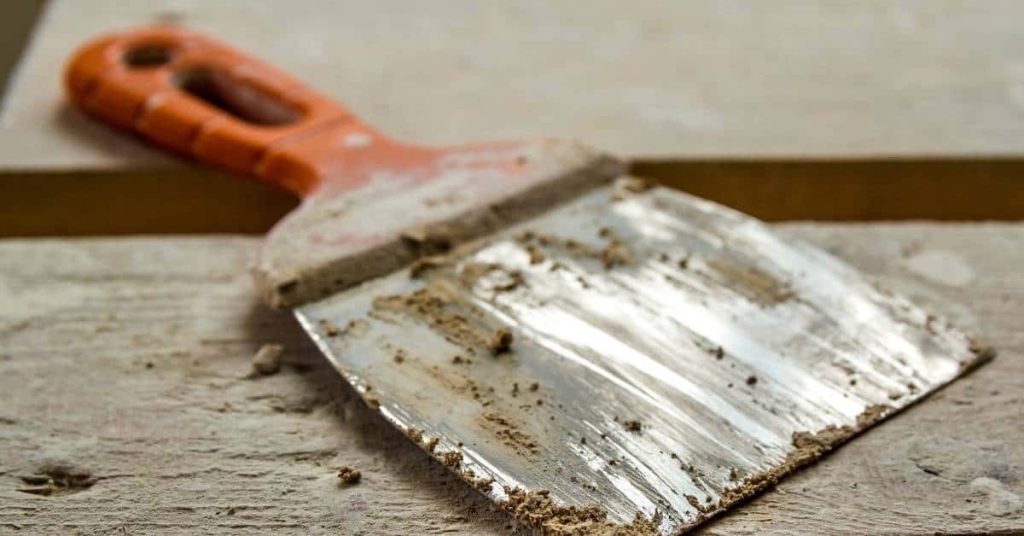
Putty knife with dried plaster on wooden surface

Leveling Wavy Lath Before Plastering: Shimming, Tension, and Straightedge Control

Introduction Leveling wavy lath before plastering means making the wall lath flat and true so the plaster can set evenly. Start by mapping high and low spots and use thin shims or temporary battens to bring the lath into line. Always refer to the lath type’s instructions and local rules to choose the right method.

Leveling Wavy Lath Before Plastering: Shimming, Tension, and Straightedge Control Read More »

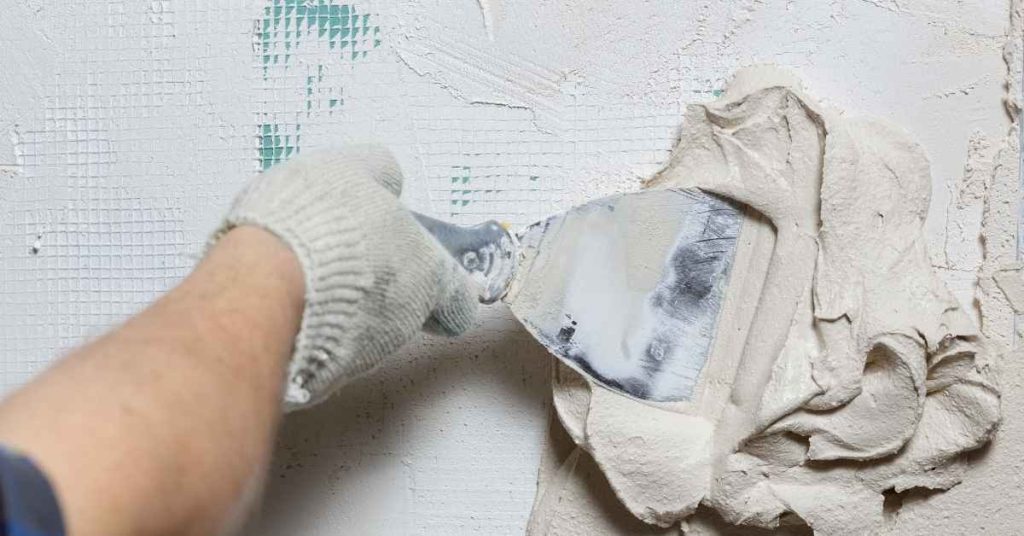
Hand applying plaster on wall mesh with trowel

Plaster Over Radiant Heat Walls: Mesh, Isolation, and Thermal Cycling Reality

Introduction Plaster over radiant heat walls is coating heated walls with plaster after adding mesh and a small isolation layer. It relies on a reinforced base and a separating layer to handle heat and movement. In practice, expect this to be a hands-on job that needs careful prep and patience. The work breaks down into

Plaster Over Radiant Heat Walls: Mesh, Isolation, and Thermal Cycling Reality Read More »

close-up of rough textured coarse stucco surface

Stucco Terminations at Patios: Splashback Zones, Capillary Breaks, and Grade Fixes

Introduction Stucco terminations at patios are the edge details that stop water and keep finishes from failing. They cover splashback zones, capillary breaks, and grade-related fixes in practical terms. Look to manufacturer guidance for any specific installation steps or local rules. You may see alternate terms for these details like termination trims or kickouts. Make

Stucco Terminations at Patios: Splashback Zones, Capillary Breaks, and Grade Fixes Read More »

Hands marking a wall using a stud finder and pencil

Kickout Flashing Retrofits Behind Stucco: Safe Cutbacks and Correct Lap Order

Introduction Kickout flashing is the metal flange that directs water away from the stucco at a wall opening, helping water not to get behind the siding. This article covers safe cutbacks and how to keep the lap order correct when retrofitting behind existing stucco. If in doubt, check the product label and local rules for

Kickout Flashing Retrofits Behind Stucco: Safe Cutbacks and Correct Lap Order Read More »

Person applying white plaster on wall with trowel

White Haze on New Brickwork: Efflorescence vs Lime Run vs Mortar Wash (and what to do)

Introduction White haze on new brickwork is usually caused by moisture pulling salts to the surface, which can show up as efflorescence, lime run, or mortar wash. These issues look similar, so you’ll want to observe when it appeared and how the surface feels. Check if the haze is on all bricks or just near

White Haze on New Brickwork: Efflorescence vs Lime Run vs Mortar Wash (and what to do) Read More »