Search Results for: surface prep

Pouring bonding slurry onto dry concrete surface

How to Patch Thin Concrete Repairs: Bonding Slurry and Edge Prep That Sticks

Introduction Patch thin concrete repairs with a bonding slurry to help the patch stick to the prepared edge. Start with clean, dust-free edges and roughen the surface for a solid key, then mix the slurry and patch material as instructed. If in doubt, check manufacturer guidance or local rules to ensure proper adhesion. Prepare the […]

How to Patch Thin Concrete Repairs: Bonding Slurry and Edge Prep That Sticks Read More »

Concrete surface peeling and flaking near wall base

Concrete Sealer Failures: Whitening, Peeling, and Slippery Surfaces

Introduction Concrete sealer failures are coatings that whiten, peel, or make surfaces unexpectedly slippery. These issues usually show up after a year or two of use, not right away, and they come from improper sealing, surface prep, or weather. Understanding what goes wrong helps you spot red flags early and plan the right steps for

Concrete Sealer Failures: Whitening, Peeling, and Slippery Surfaces Read More »

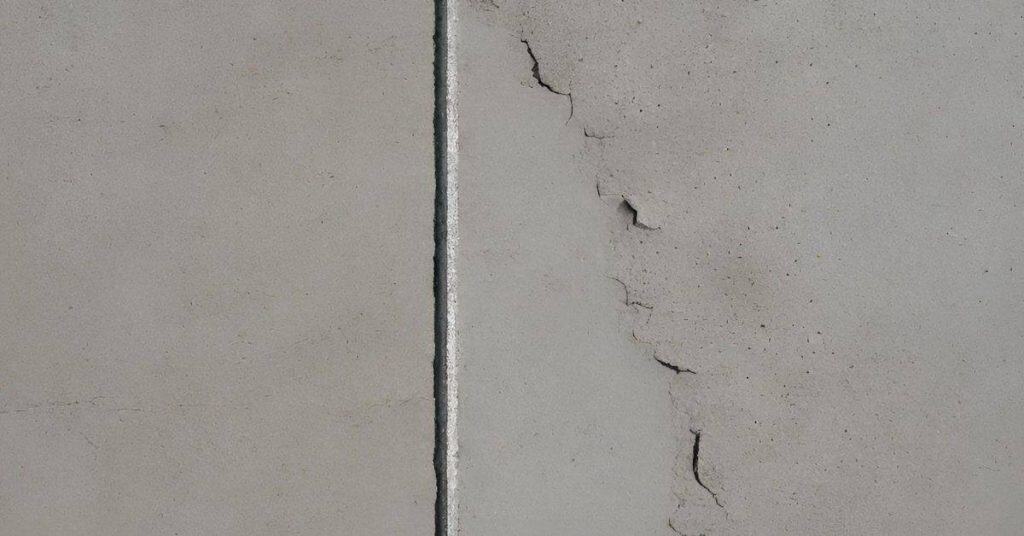
Concrete wall with visible cracking and peeling surface

Concrete Etching Gone Wrong: How to Neutralize and Recover the Surface

Introduction Concrete etching gone wrong means a surface that has been over-etched or uneven, requiring neutralizing and surface recovery. This intro covers surface preparation before etching, how to apply the corrective solution, and what comes after. Always follow the product label and your local rules for handling chemicals. After etching, neutralize the surface as directed

Concrete Etching Gone Wrong: How to Neutralize and Recover the Surface Read More »

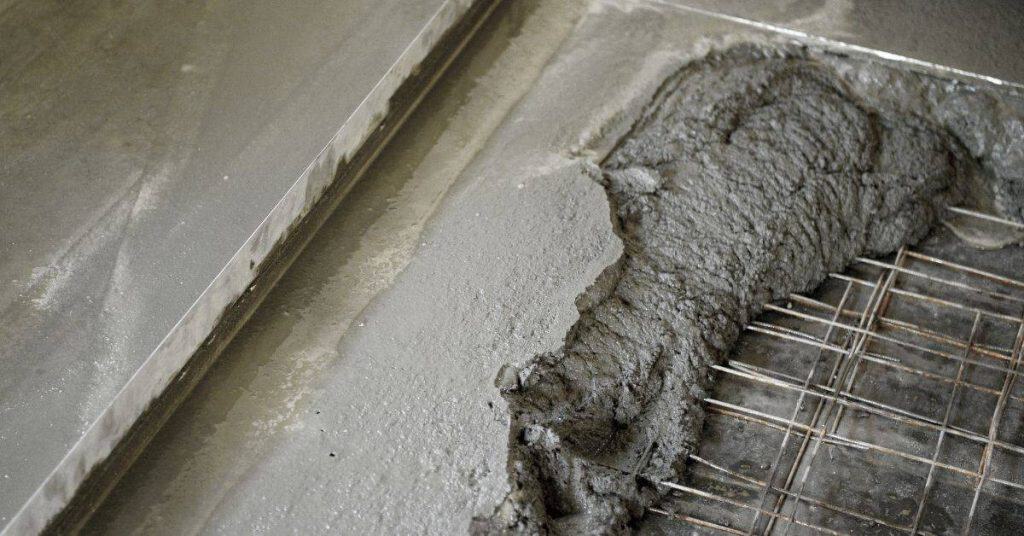
Wet concrete being poured over metal rebar mesh

Concrete Carbonation: What It Means for Rebar and Surface Durability

Introduction Concrete carbonation is the natural process where carbon dioxide penetrates hydrated cement and neutralizes the alkaline environment. This change can influence how rebar corrodes and how the surface holds up. In plain terms, it’s the carbonation front moving inward and changing the chemistry you relied on for durability. The mechanism involves CO2 diffusing through

Concrete Carbonation: What It Means for Rebar and Surface Durability Read More »

Person painting interior wall with roller near ceiling

Interior Paint Prep: 10 Simple Steps for Better Adhesion and Fewer Flaws

Introduction Interior paint prep means getting walls and nearby surfaces ready so paint sticks well and dries smooth. Start by clearing the room or work area and removing obstacles that block access to the walls. Then inspect for damage, peeling paint, or rough patches and plan any small fixes before you begin. Choose simple tools

Interior Paint Prep: 10 Simple Steps for Better Adhesion and Fewer Flaws Read More »

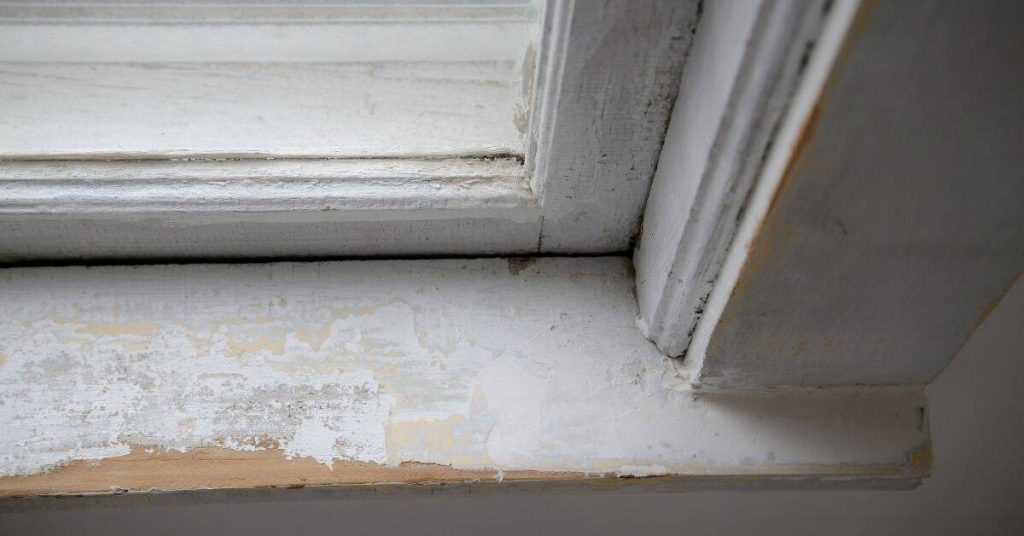
Close-up of peeling paint on white exterior wooden window trim

Paint Peeling on Exterior Trim: Moisture Checks and Prep That Works

Introduction Peeling exterior trim paint is the finish flaking off due to moisture invading the surface. Before you redo it, check for moisture and prepare the area so you can scrub and inspect properly. This article walks you through pressure washing, scraping, and priming in a hands-on way. Start by cleaning with pressure washing, then

Paint Peeling on Exterior Trim: Moisture Checks and Prep That Works Read More »