Search Results for: surface prep

Worker painting exterior wall with yellow paint using long roller

Fading Exterior Paint: Sun Exposure Checks and Better Recoat Timing

Introduction Fading exterior paint is what happens when sun exposure breaks down color and finish over time, caused by UV bleaching, heat, and weather cycling. You’ll notice it as color loss, chalky surfaces, or a dull sheen that won’t rebound with cleaning. Check by looking for noticeable color changes and a chalky or powdery feel […]

Fading Exterior Paint: Sun Exposure Checks and Better Recoat Timing Read More »
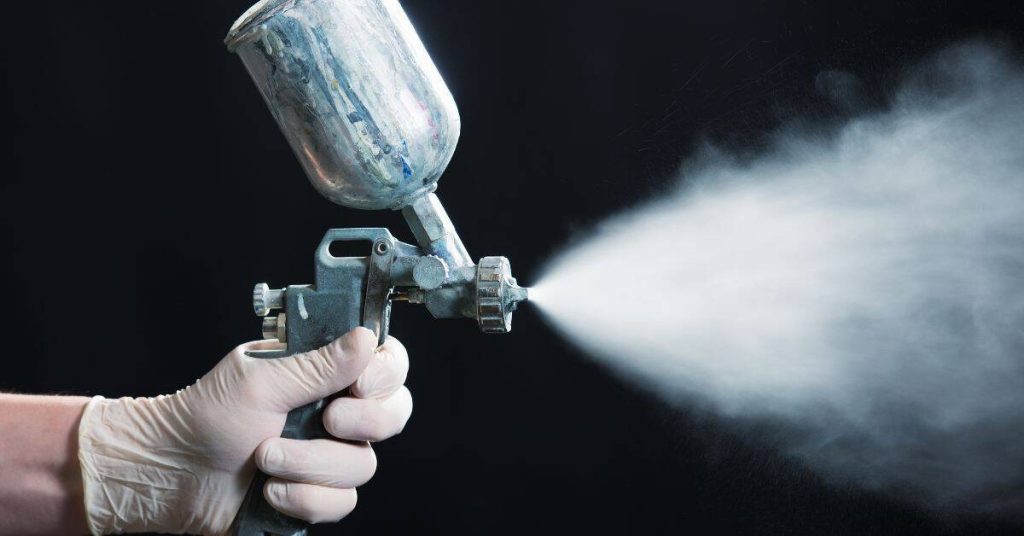
Hand holding paint spray gun releasing white spray mist

Dry Spray on Walls: Fixing Rough Overspray and Preventing It Next Time

Introduction Dry spray on walls is a rough, sandy coating left when spray material dries unevenly. It’s usually caused by improper spray technique or poor surface prep. Fixing it starts with cleaning, sanding, and blending so the surface is ready for another coat. To prevent dry spray next time, adjust the spray setup and ensure

Dry Spray on Walls: Fixing Rough Overspray and Preventing It Next Time Read More »

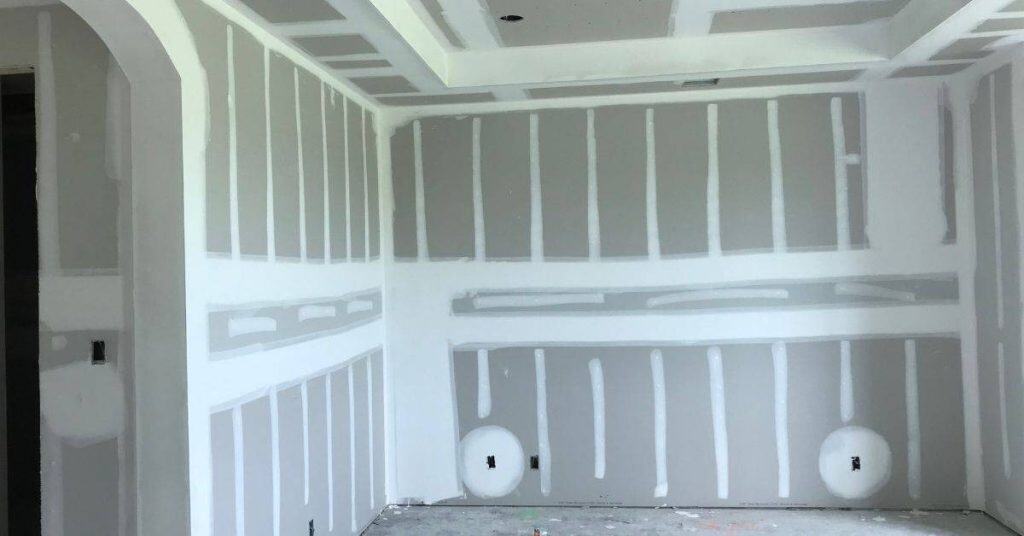
Blue ladder in room with patched and primed drywall walls

Setting-Type Mud vs. All-Purpose: Where Each Belongs in Repairs and Finishing

Introduction Setting-type mud is a drywall compound that dries harder for joints, while all-purpose mud is a versatile, faster-setting option for general repairs. In repairs and finishing, use setting-type where you need a strong, clean joint and sanding resistance; use all-purpose for quick fills and smooth coats. Think about the project timeline and surface when

Setting-Type Mud vs. All-Purpose: Where Each Belongs in Repairs and Finishing Read More »

Interior walls with drywall joint tape and joint compound applied

Choosing Joint Tape: Paper vs. Fiberglass vs. FibaFuse (Use Cases and Failure Modes)

Introduction Joint tape is the thin strip that reinforces drywall joints when you compound them. Choosing between paper, fiberglass, and FibaFuse comes down to how you want the joint to behave and how much you’re willing to feather and sand. No matter which you pick, follow the product label and manufacturer instructions for application and

Choosing Joint Tape: Paper vs. Fiberglass vs. FibaFuse (Use Cases and Failure Modes) Read More »

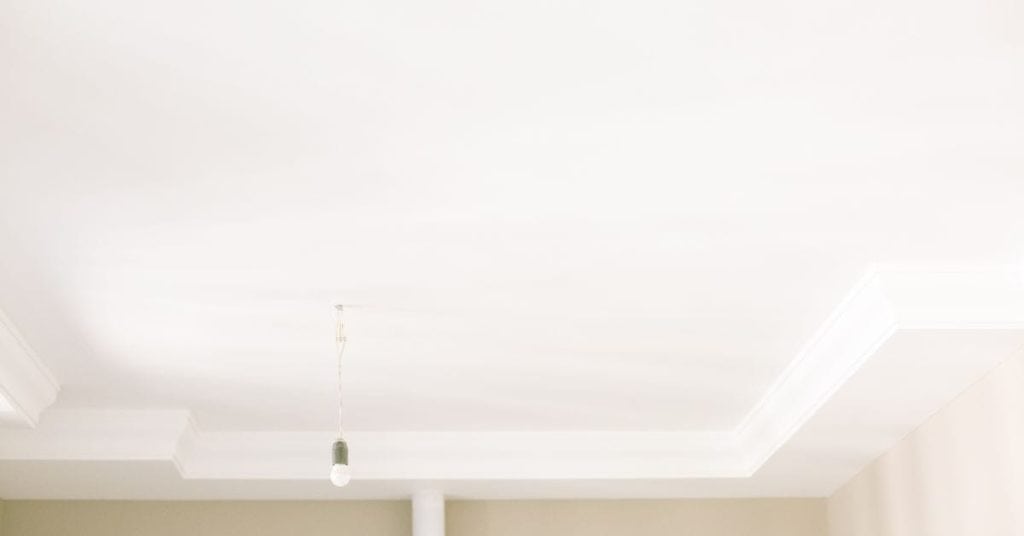
Smooth white ceiling with recessed tray design and hanging bulb

How to Prevent Flashing at Joints Under Semi-Gloss Paint (Primer + Skim + Sand Workflow)

Introduction Flashing at joints under semi-gloss paint is when the edge of the joint shows through the finish due to imperfect sealing or adhesion. The fix is a careful primer, skim coat, and light sanding to smooth joints before applying the topcoat. Work from clean surfaces and match the paint system to the substrate, checking

How to Prevent Flashing at Joints Under Semi-Gloss Paint (Primer + Skim + Sand Workflow) Read More »

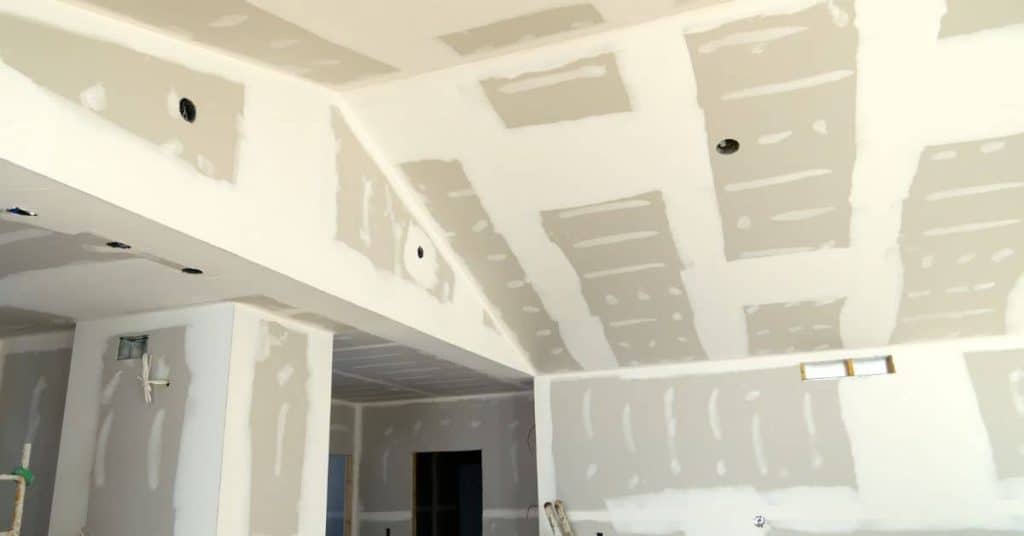
Unpainted drywall sheets with taped and mudded joints on ceiling and walls

Drywall Finishing in Cold Weather: Heater Placement, Dry Times, and Crack Prevention

Introduction Drywall finishing in cold weather means keeping mud workable and joints from cracking by managing heat and drying times. Aim for a steady, moderate temperature in the room and avoid drafts that slow drying. Check the mud you’re using for cold-weather guidance and follow the manufacturer’s instructions for working times. Position heaters to keep

Drywall Finishing in Cold Weather: Heater Placement, Dry Times, and Crack Prevention Read More »

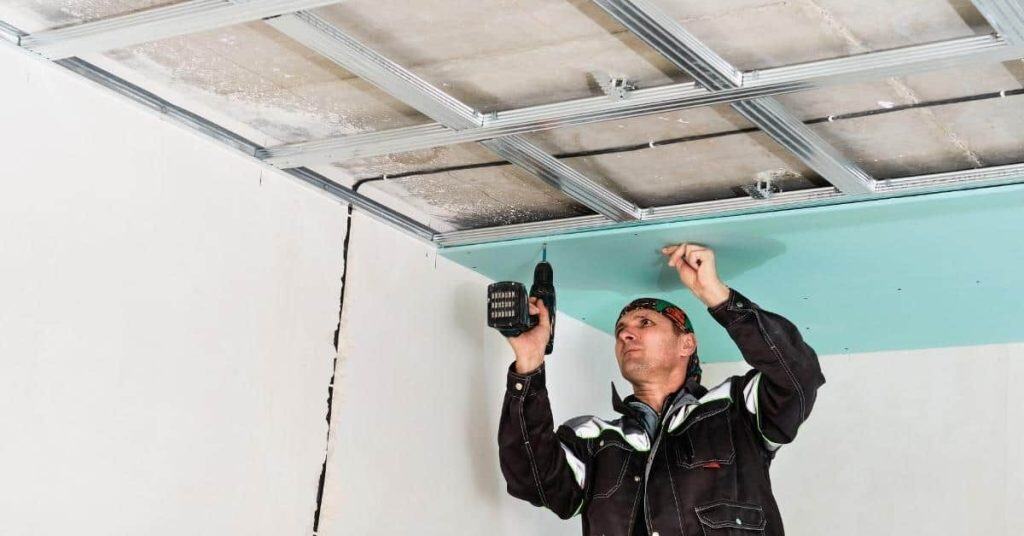
Man installing drywall panels on ceiling metal framework

Drywall Over Plaster Walls: When Furring Strips Beat Adhesives (and how to avoid hollow spots)

Introduction Furring strips create a new, flat surface for hanging drywall over plaster. This method helps prevent hollow spots by giving you solid backing and a frame to fasten into. Check your local rules and manufacturer guidelines for spacing and fastener choices. Plan your layout, level the strips, and avoid compressing the plaster when you

Drywall Over Plaster Walls: When Furring Strips Beat Adhesives (and how to avoid hollow spots) Read More »

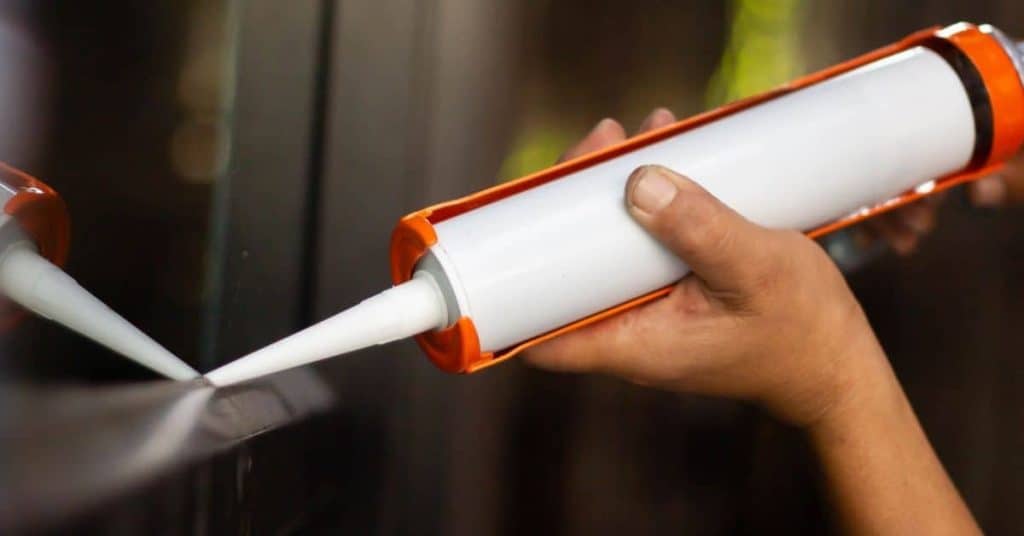
Hand holding caulking gun applying white caulk to surface

Air-Sealing at Drywall Perimeters: Caulk vs. Gasket vs. Spray Foam (What to Use Where)

Introduction Air-sealing at drywall perimeters means closing gaps around the edges of drywall to stop drafts and air leaks. It focuses on where drywall meets studs, ceilings, and other assemblies. You’ll choose materials based on where the gap is and what can be painted or finished to match. Caulk is good for small, fixed gaps

Air-Sealing at Drywall Perimeters: Caulk vs. Gasket vs. Spray Foam (What to Use Where) Read More »

White gutter and downspout on beige house corner under blue sky

Inside Corner Cracks That Keep Returning: Movement Causes and Reinforcement Options

Introduction Inside corner cracks that keep returning are signs of ongoing movement at wall corners. These cracks usually form where framing shifts, settles, or surfaces rub as seasons change. In DIY terms, you’re seeing a repeating tug that small repairs alone won’t stop. Reinforcement options depend on the cause and finish material, and you’ll want

Inside Corner Cracks That Keep Returning: Movement Causes and Reinforcement Options Read More »