Search Results for: stucco patch

Close-up of concrete wall with cracking and peeling surface

Repairing Leaking Cold Joints at Slab-to-Wall: Why Surface Caulk Fails and Better Methods

Introduction A leaking cold joint at slab-to-wall is water intrusion at the bond between a concrete slab and the wall caused by gaps or cracks near the joint. This article explains why surface caulk often fails and what better repair approaches look like for DIY work. Identify leaks by looking for damp patches near the […]

Repairing Leaking Cold Joints at Slab-to-Wall: Why Surface Caulk Fails and Better Methods Read More »

Freshly poured wet concrete slab inside an unfinished room

Preventing Efflorescence From New Concrete: Water Sources, Curing, and Breathable Protection

Introduction Efflorescence is the white, powdery or crusty mineral deposit that appears on concrete when water moves minerals to the surface. It happens when moisture inside the slab or plaster carries soluble salts to the surface as it evaporates. Identify sources of moisture—wet curing, rain exposure, groundwater, or humid environments—and understand that surface coatings can

Preventing Efflorescence From New Concrete: Water Sources, Curing, and Breathable Protection Read More »

Closeup of carpet cleaning extraction tool on gray carpet

Electrochemical Re-Alkalization and Chloride Extraction: What Homeowners Should Know Before Hiring It

Introduction Electrochemical re-alkalization and chloride extraction are concrete repair methods aimed at neutralizing acidic attack and removing embedded chlorides from reinforced concrete. In plain terms, these processes use electrical currents to push pH back up and pull harmful chlorides out, so the steel stays safer. Think of it as a general overview you can compare

Electrochemical Re-Alkalization and Chloride Extraction: What Homeowners Should Know Before Hiring It Read More »

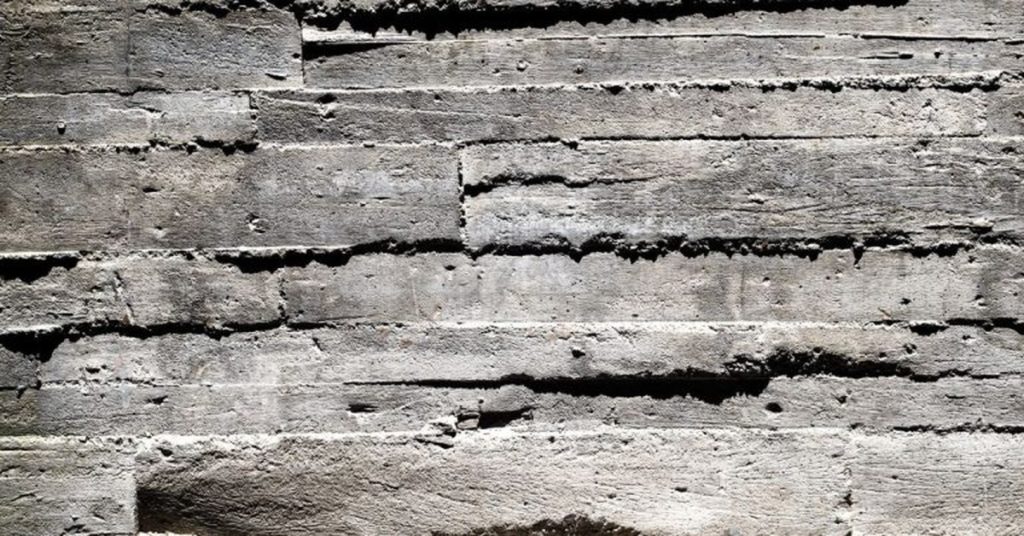
Close-up of rough concrete wall with wood formboard texture

Hydrated Lime in Concrete Mixes: Workability, Finish, and Strength Effects

Introduction Hydrated lime is a dry powder added to concrete to adjust texture and binding. In DIY mixes, it can improve workability and long-term texture, but it also changes setting behavior. Check the product label and local guidelines before use. It can influence finish quality and how smoothly you can trowel or pour. Lime affects

Hydrated Lime in Concrete Mixes: Workability, Finish, and Strength Effects Read More »

Front exterior of a brick house with windows and green shrubs

Salt Scaling Risk Test for Exterior Slabs: Simple Field Clues Before Winter Hits

Introduction Salt scaling risk on exterior slabs is the tendency for surface flaking and crumbling when moisture is drawn into the top layer and then freezes. This simple field check helps you spot potential damage before winter hits. If you see rough patches or powdery material forming, that can signal trouble. Signs to watch in

Salt Scaling Risk Test for Exterior Slabs: Simple Field Clues Before Winter Hits Read More »

Empty white plastered room with concrete floor and doorway

Diagnosing Honeycombing in Formed Walls: Severity Grading and Repair Thresholds

Introduction Honeycombing in formed walls is a condition where voids and rough cement gaps appear on the surface, signaling poor compaction and near-surface voids. For DIY homeowners, identify it by a spongy or crumbling feel, visible voids, and a rough, uneven finish. Addressing it depends on how widespread it is and whether the inner steel

Diagnosing Honeycombing in Formed Walls: Severity Grading and Repair Thresholds Read More »

Red concrete formwork braces supporting structure

Concrete That Turns Dark When Wet: Diagnosing porosity and finishing issues

Introduction Concrete that turns dark when wet indicates moisture affecting the surface, usually tied to porosity and finishing issues. In plain DIY terms, that color change is your cue that water is soaking in or being held near the finish. It’s a practical clue to start diagnosing what went wrong during pour, finishing, or sealing.

Concrete That Turns Dark When Wet: Diagnosing porosity and finishing issues Read More »

Empty wheelbarrow on concrete floor in shaded area

Concrete Dark Spots: Moisture, curing, or contamination—how to tell which

Introduction Dark spots on concrete are usually caused by moisture, improper curing, or surface contaminants. To tell which, look at the spot’s texture and sheen, note when it appeared, and check for signs of lingering dampness nearby. This guide offers practical, hands-on ways to diagnose and plan fixes. Start with surface prep, like degreasing if

Concrete Dark Spots: Moisture, curing, or contamination—how to tell which Read More »

Rows of gray concrete blocks curing on racks

Concrete Curing With Plastic: How to avoid wrinkles, stains, and soft spots

Introduction Curing concrete with plastic means covering the fresh concrete with a plastic sheet to trap moisture and slow evaporation. This helps prevent rapid drying that can cause wrinkles, stains, or soft spots. Keep the plastic in contact with the surface and seal the edges to minimize moisture loss. To do it well, lay a

Concrete Curing With Plastic: How to avoid wrinkles, stains, and soft spots Read More »

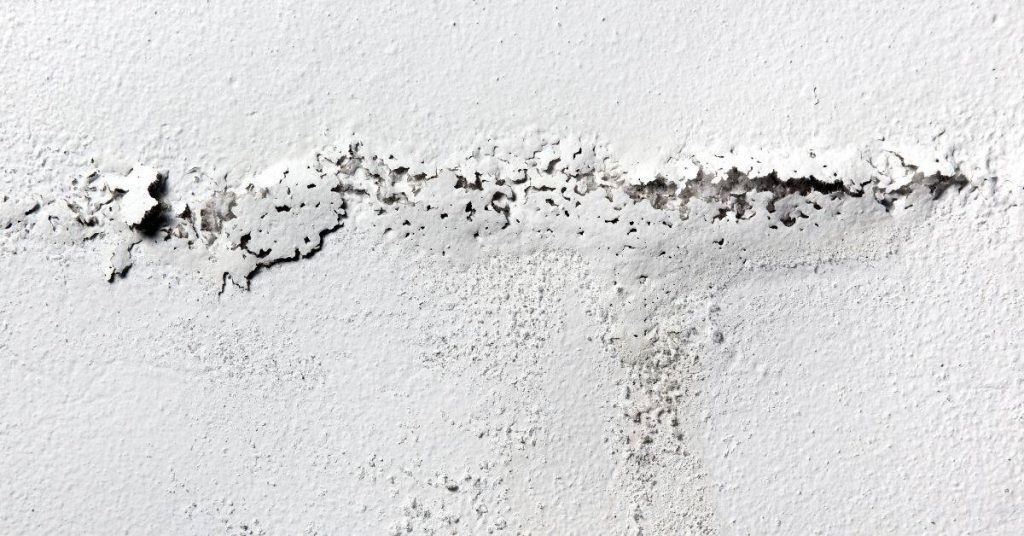
Peeling white paint on rough concrete wall surface

Concrete Sealer on New Concrete: The moisture traps that cause peeling later

Introduction Sealing new concrete can trap moisture and cause peeling later. That moisture gets trapped under the sealer if the surface is still damp or the slab is still curing. Let the concrete cure fully and follow the manufacturer’s guidance before applying any sealer. Before sealing, clean the surface and remove dust, oil, and any

Concrete Sealer on New Concrete: The moisture traps that cause peeling later Read More »