Search Results for: stucco patch

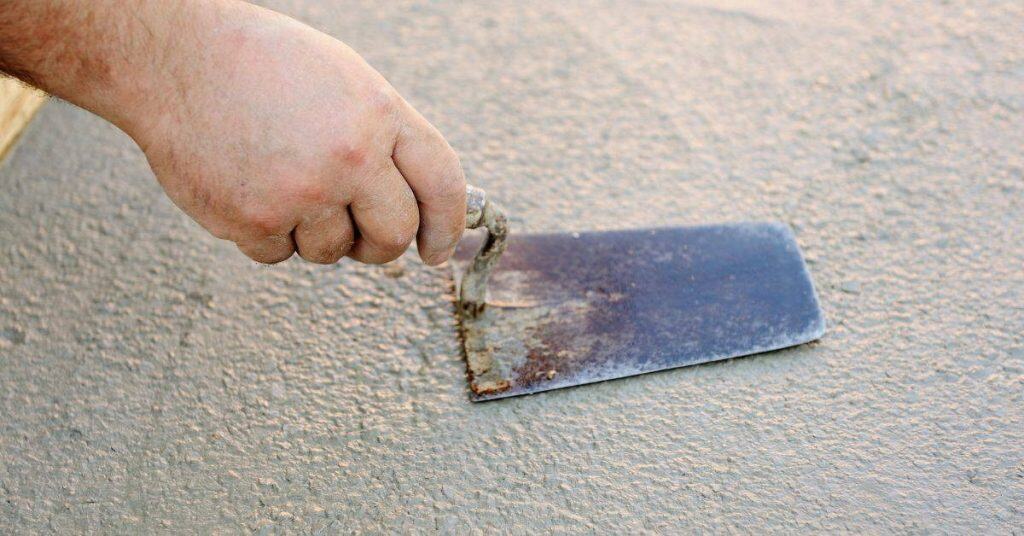
Hand holding a rusty trowel on a stucco surface

Stucco Layers and Purpose: How Each Coat Works and What Failures Look Like When One Is Wrong

Introduction Stucco layers are a sequence of coats—usually a scratch or bonding layer, a brown or leveling layer, and a finish coat—each serving to bond, build thickness, and protect or texture the wall. In plain jobsite terms: the first coat grabs the mesh and substrate, the middle builds out thickness and straightens the plane, and […]

Stucco Layers and Purpose: How Each Coat Works and What Failures Look Like When One Is Wrong Read More »

Brick chimney with metal flashing on shingled roof

How to Rebuild Stucco at a Chimney Cricket: Flashing Integration Without Leaks

Introduction Rebuilding stucco at a chimney cricket means removing damaged material, repairing the substrate, and re-flashing the cricket so water is directed away from the chimney without leaks. This is a hands-on DIY task that combines cutting back stucco, checking and repairing the underlying sheathing and metal flashing, and installing compatible stucco layers. Before you

How to Rebuild Stucco at a Chimney Cricket: Flashing Integration Without Leaks Read More »

Smooth light blue painted stucco wall surface

Stucco Blisters Under Finish Coat: Causes, Cutback Rules, and Rebuild Steps

Introduction Stucco blisters under the finish coat are pockets of trapped moisture or air beneath the surface layer that lift the finish and can lead to cracking or detachment. In plain jobsite terms, they usually mean water got into the wall system, the assembly dried poorly, or the underlying base or lath bond failed. I’ll

Stucco Blisters Under Finish Coat: Causes, Cutback Rules, and Rebuild Steps Read More »

Workers on suspended scaffold painting exterior building wall

Stucco Cure Time Before Painting: A Simple Calendar That Prevents Blistering

Introduction Stucco cure time before painting is the period you wait for the material to dry and chemically set enough to accept paint without trapping moisture. In plain jobsite terms, that means letting the stucco go from soft, damp, or lime-rich to stable and dry according to the product instructions before anyone brushes on paint.

Stucco Cure Time Before Painting: A Simple Calendar That Prevents Blistering Read More »

Closeup of a cracked white stucco wall surface

Choosing Elastomeric Coatings for Stucco: When They Help and When They Trap Moisture

Introduction Elastomeric coatings are thick, flexible paint-like products designed to bridge small cracks in stucco and shed water, but they work only when the wall is dry, well-prepared, and compatible with the substrate. Think of them as a weatherproof skin that can help stop rain infiltration on sound stucco but can trap moisture if applied

Choosing Elastomeric Coatings for Stucco: When They Help and When They Trap Moisture Read More »

Close-up of beige textured stucco wall surface

Silicate Mineral Paint on Stucco: Breathability, Prep, and Why It Bonds Differently

Introduction Silicate mineral paint is a water-based, mineral-bound finish that bonds chemically to masonry and remains vapor-permeable. It soaks into and reacts with mineral substrates rather than sitting on top like many organic paints, which is why it behaves differently on stucco. For a DIYer that means fewer film failures but you need the right

Silicate Mineral Paint on Stucco: Breathability, Prep, and Why It Bonds Differently Read More »

close-up of weathered pink stucco wall with some peeling

Fog Coating Stucco Explained: When a Thin Coat Beats a Full Repaint

Introduction Fog coating stucco is a very thin skim of paint-like material applied over existing stucco to even out color and hide minor texture issues without stripping and redoing the whole surface. Think of it as a light cosmetic refresh rather than a full repaint or re-stucco, useful when the substrate is sound but tired-looking.

Fog Coating Stucco Explained: When a Thin Coat Beats a Full Repaint Read More »

Hands holding a stud finder and marking a wall with a pencil

Stucco Efflorescence That Keeps Returning: Moisture Path Checks and Long-Term Fixes

Introduction Stucco efflorescence that keeps returning is a salt deposit left when moisture repeatedly migrates through stucco and evaporates, and the fix starts with finding and stopping the moisture paths. Look for leaks, poor flashing, grade or drainage issues, and moisture sources inside the wall assembly; check product labels and manufacturer instructions for compatible sealers

Stucco Efflorescence That Keeps Returning: Moisture Path Checks and Long-Term Fixes Read More »

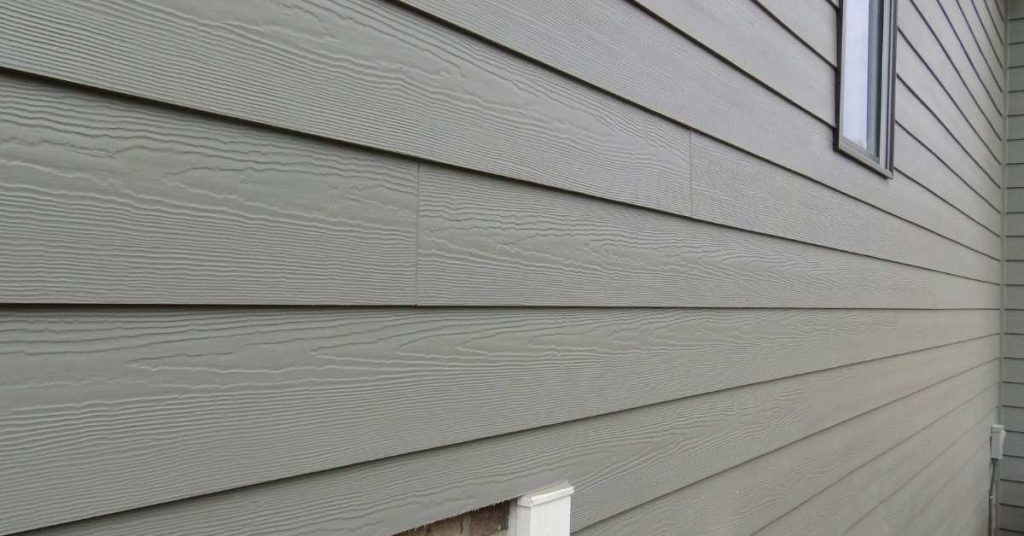
Close-up of gray fiber cement siding on house exterior

Stucco vs. Fiber Cement Siding: DIY Repairability and Long-Term Maintenance Compared

Introduction Stucco and fiber cement siding are two exterior materials, and this article compares their repairability and long-term maintenance. You’ll see practical, hands-on guidance on patching, replacing damaged sections, and what keeps these materials lasting. If a spec matters, check the product label, manufacturer instructions, and local rules before you dive in. From a DIY

Stucco vs. Fiber Cement Siding: DIY Repairability and Long-Term Maintenance Compared Read More »

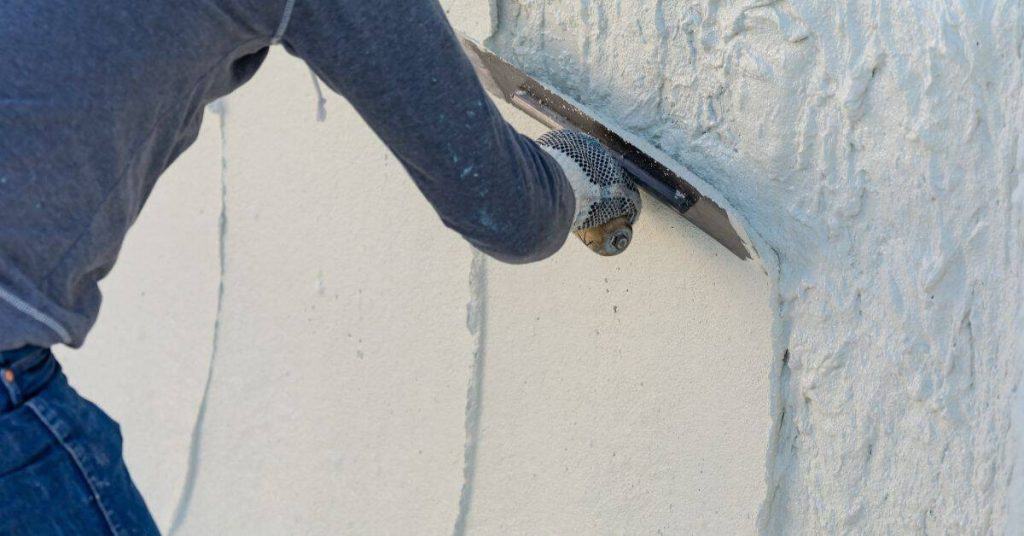
Worker applying stucco texture to exterior wall with trowel

Repairing Stucco Around Exterior Electrical Boxes: Rebuild Steps That Keep the Gasket Dry

Introduction Repairing stucco around exterior electrical boxes is about sealing the gap and protecting the gasket from moisture. This job is hands-on and requires careful prep, clean surfaces, and proper patching to keep water out. Work slowly and check the seal around the box after each step. Start by cleaning the area around the box

Repairing Stucco Around Exterior Electrical Boxes: Rebuild Steps That Keep the Gasket Dry Read More »