Search Results for: stop and seal waterproofing

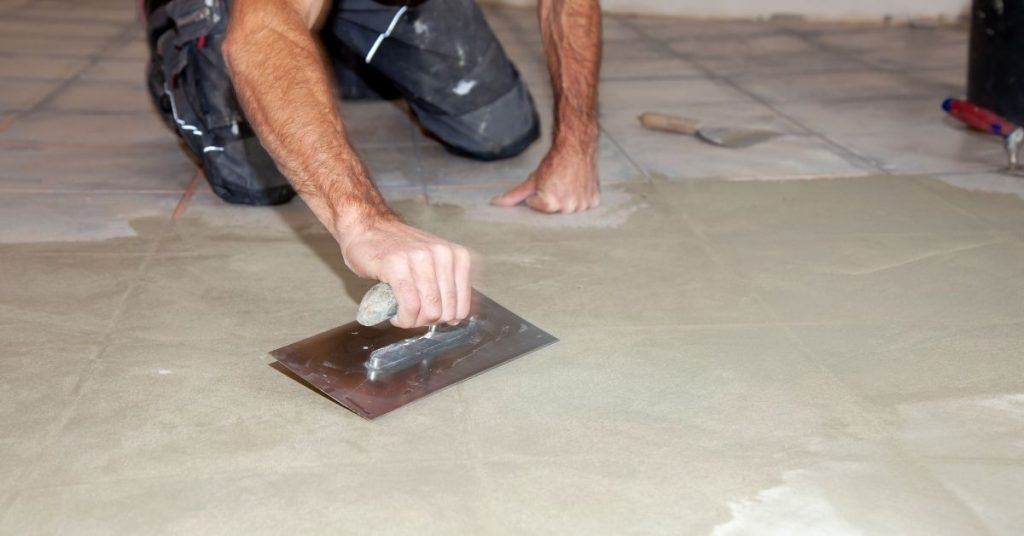
Trowel spreads leveling compound over floor during bathroom prep

Self-Leveling Compound Prep on “Problem Subfloors”: Primers, Seams, and Edge Dams That Stop Leaks

Introduction Self-leveling compound prep on problem subfloors means getting a board-backed surface ready so the liquid compound spreads and cures without running into gaps or flaking off. Think practical steps: pick a primer the compound maker recommends, seal seams and penetrations so water and dust won’t break the bond, and build temporary edge dams where […]
Self-Leveling Compound Prep on “Problem Subfloors”: Primers, Seams, and Edge Dams That Stop Leaks Read More »

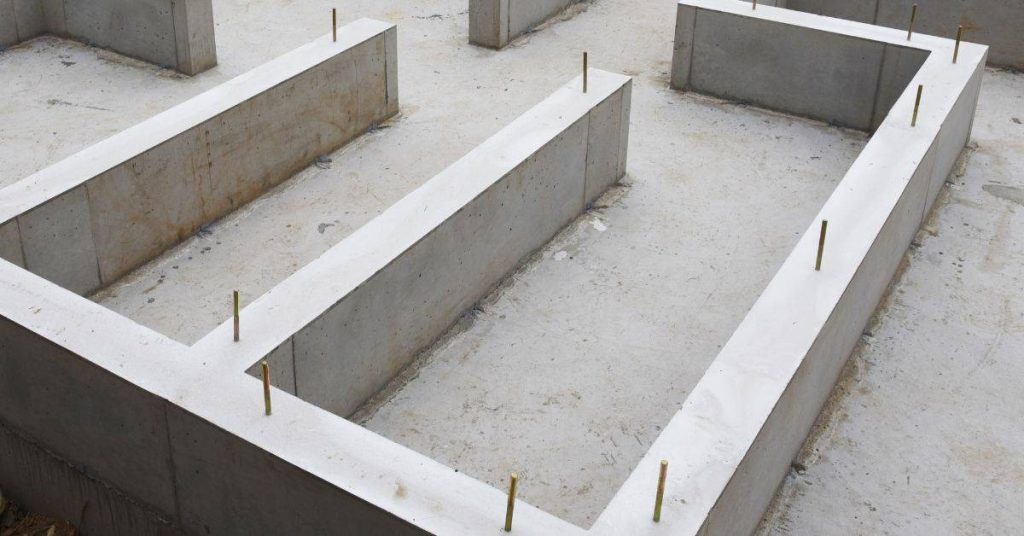
concrete foundation forms with metal rods embedded

How to Add a Concrete Splash Curb Along Siding: Forms, Expansion Joint, and Drainage

Introduction A concrete splash curb along siding is a small raised strip of concrete cast against the wall to deflect water away from the foundation and siding. It’s a hands-on job that involves forming a narrow curb, leaving a movement gap (expansion joint) where the curb meets the wall, and planning a path for water

How to Add a Concrete Splash Curb Along Siding: Forms, Expansion Joint, and Drainage Read More »

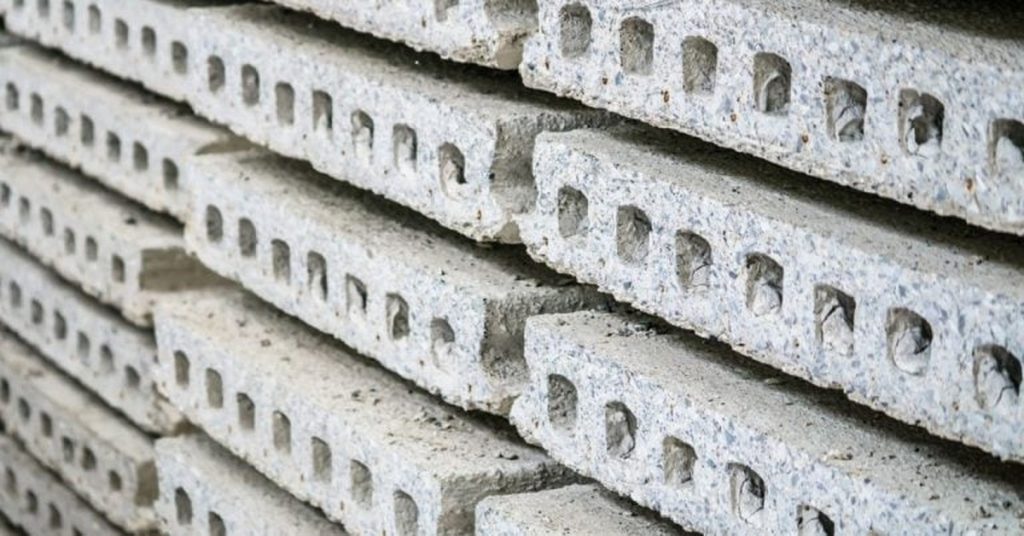
Stacked hollow core concrete slabs close up

Vapor Barriers Under Slabs: Timeline & Duration for Installation and Patching

Introduction The installation of a vapor barrier under your concrete slab is a critical step that requires careful planning. Understanding the timeline and duration of each stage can help you manage expectations, allocate resources effectively, and ensure a successful outcome. In this guide, we’ll break down the process into clear, time-specific steps, helping you estimate

Vapor Barriers Under Slabs: Timeline & Duration for Installation and Patching Read More »

Closeup of a cracked white stucco wall surface

Choosing Elastomeric Coatings for Stucco: When They Help and When They Trap Moisture

Introduction Elastomeric coatings are thick, flexible paint-like products designed to bridge small cracks in stucco and shed water, but they work only when the wall is dry, well-prepared, and compatible with the substrate. Think of them as a weatherproof skin that can help stop rain infiltration on sound stucco but can trap moisture if applied

Choosing Elastomeric Coatings for Stucco: When They Help and When They Trap Moisture Read More »

Hands holding a stud finder and marking a wall with a pencil

Stucco Efflorescence That Keeps Returning: Moisture Path Checks and Long-Term Fixes

Introduction Stucco efflorescence that keeps returning is a salt deposit left when moisture repeatedly migrates through stucco and evaporates, and the fix starts with finding and stopping the moisture paths. Look for leaks, poor flashing, grade or drainage issues, and moisture sources inside the wall assembly; check product labels and manufacturer instructions for compatible sealers

Stucco Efflorescence That Keeps Returning: Moisture Path Checks and Long-Term Fixes Read More »

Bucket of mortar with trowel amid stacked cardboard boards.

Thinset Coverage Troubleshooting: Spotting Starved Ridges, Dry Joints, and Trowel Problems Before Grout

Introduction Thinset coverage troubleshooting is the on‑site check to find areas where adhesive is too thin, has dry joints, or shows trowel-related defects before you grout. Think of it as walking the job, tapping tiles, and lifting a few to confirm full contact and correct buttering technique. Fixing issues now saves rework and loose tiles

Thinset Coverage Troubleshooting: Spotting Starved Ridges, Dry Joints, and Trowel Problems Before Grout Read More »

Person installing asphalt shingles on sloped roof with nail gun

Can You Shingle a Flat Roof? DIY Reality Check, Steps, and Stop Rules

Introduction Yes, you can shingle a flat roof, but it requires different techniques and precautions. You’ll want to understand how flat roofs differ from pitched ones, especially around slope, drainage, and edge details. This piece gives a practical, hands-on look at what to check before you start and how to approach the work safely. Before

Can You Shingle a Flat Roof? DIY Reality Check, Steps, and Stop Rules Read More »

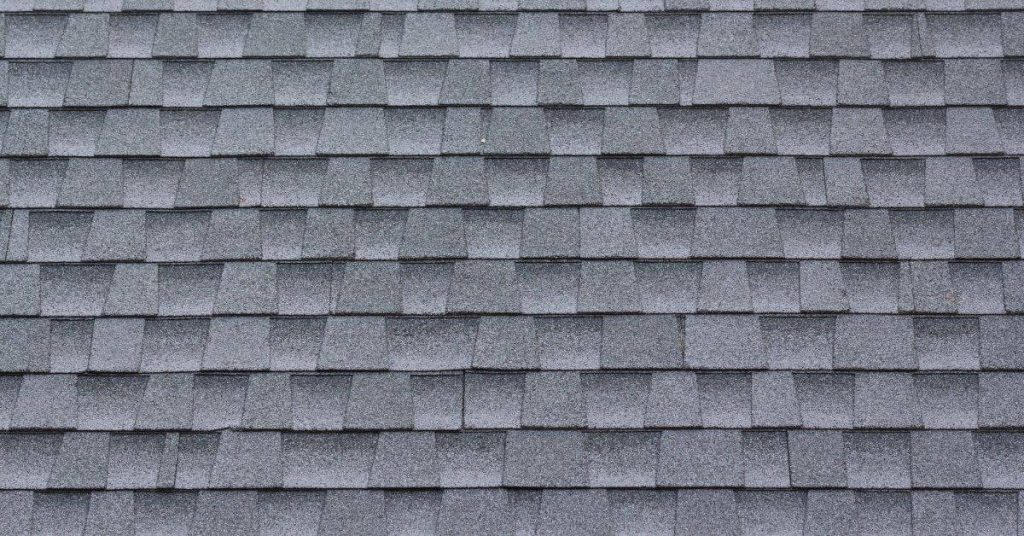
Close-up of gray asphalt shingle roof tiles

Best Roofing Material: How to Decide (DIY Checklist + When to Stop)

Introduction The best roofing material is the option that fits your climate, budget, and DIY skill. When deciding, consider how the roof is built, how much weight you can handle, and how much maintenance you’re willing to do. Always check manufacturer instructions and local rules for weight limits, ventilation, and installation requirements. Start with a

Best Roofing Material: How to Decide (DIY Checklist + When to Stop) Read More »

Interior room with drywall patches and joint compound

How to Patch Drywall After Removing Tile Backsplash (Old Mastic, Tears, and Skim Strategy)

Introduction Patching drywall after removing a tile backsplash involves repairing damaged drywall, smoothing feathered seams, and re-skimming the surface so it’s ready to paint. You’ll want to address old mastic footprints, tears, and any ridges or gouges left behind. Check for water stains or loose paint and plan repairs accordingly before you proceed. Start by

How to Patch Drywall After Removing Tile Backsplash (Old Mastic, Tears, and Skim Strategy) Read More »

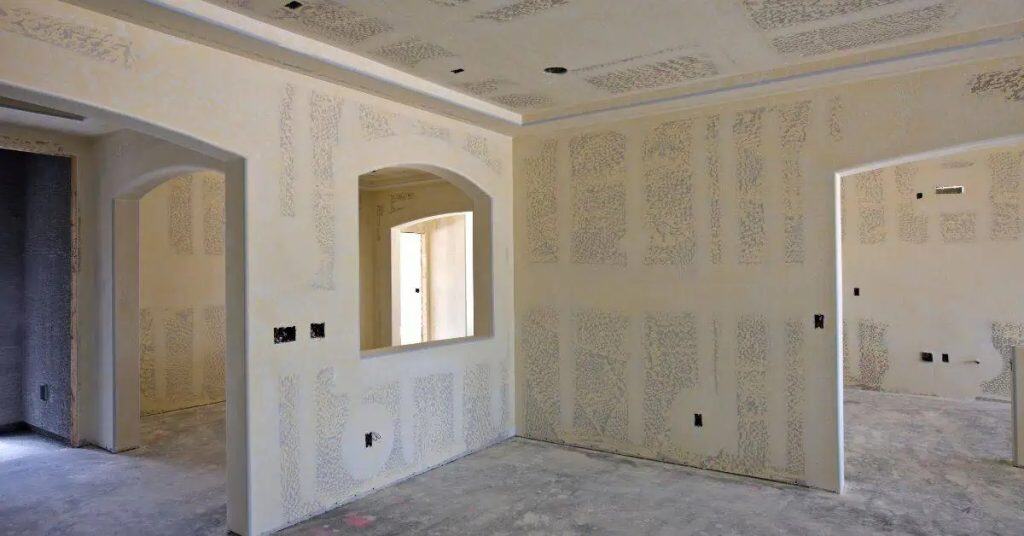
Drywall panels with taped and mudded joints in unfinished room

Drywall Butt Joint ‘Humps’: Prevention With Back-Blocking and Repair Options

Introduction A drywall butt joint hump is an uneven bump along a seam where two panels meet. It happens when compaction or framing flex creates a little bulge that catches the eye. This article covers how back-blocking and simple repair steps can keep seams flat. Back-blocking involves inserting solid material behind the joint to help

Drywall Butt Joint ‘Humps’: Prevention With Back-Blocking and Repair Options Read More »