Search Results for: stop and seal waterproofing

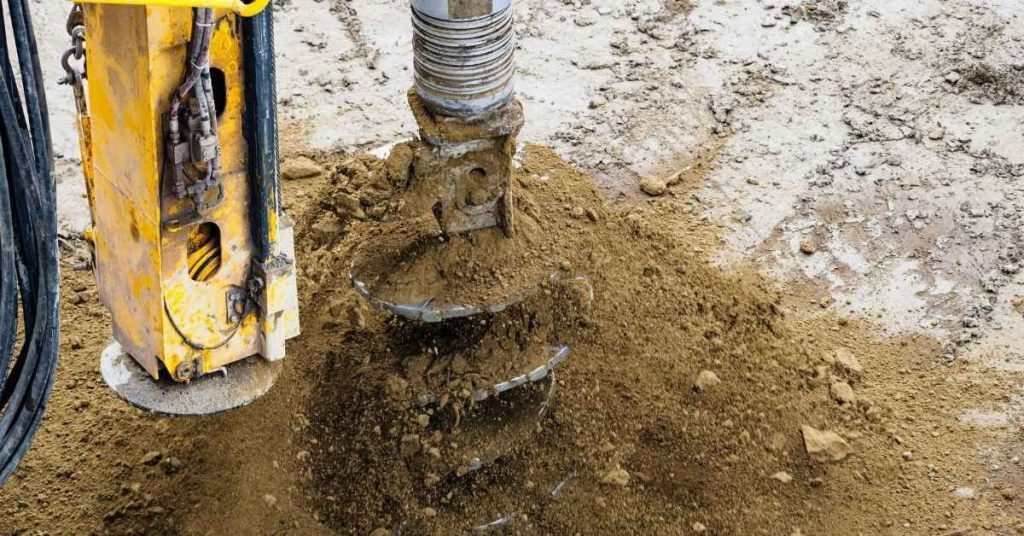
Close-up of yellow earth auger drilling into soil

Rammed Earth Garden Walls: DIY Guide to Compaction, Protection, and Durability

Introduction Rammed earth garden walls are compacted earth walls built by packing soil into forms to create solid, durable features. It’s a hands-on, DIY approach that relies on correct mix, moisture, compaction, and formwork for straight walls. Check local rules and follow manufacturer instructions for materials and safety. Historically used in traditional buildings, rammed earth […]

Rammed Earth Garden Walls: DIY Guide to Compaction, Protection, and Durability Read More »

Stacked precast concrete columns outdoors on grass

Concrete Admixtures for DIY Builders: What to Use, What to Skip, and Why

Introduction Concrete admixtures are additives used to modify how concrete behaves. They can improve workability, curing, strength, or durability, depending on the mix and project. For DIY projects, choose admixtures based on the goal, then check the label and manufacturer instructions for your specific cement and conditions. Common types include plasticizers for flow, air entrainers

Concrete Admixtures for DIY Builders: What to Use, What to Skip, and Why Read More »

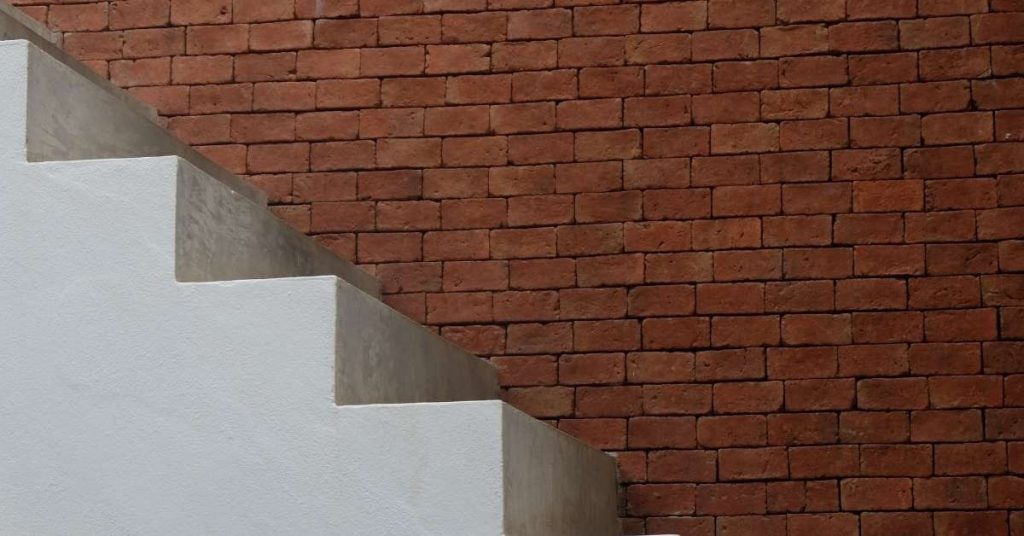
Concrete stairs next to a red brick wall

Integral Waterproofing Admixtures: What They Can Do—and What They Can’t

Introduction Integral waterproofing admixtures are additives mixed into concrete to reduce water penetration from within. They work during curing and can be easier to install than external membranes, but their effectiveness depends on mix, quality, and application conditions. For DIY projects, expect they won’t fix existing cracks or damage and you still need proper concrete

Integral Waterproofing Admixtures: What They Can Do—and What They Can’t Read More »

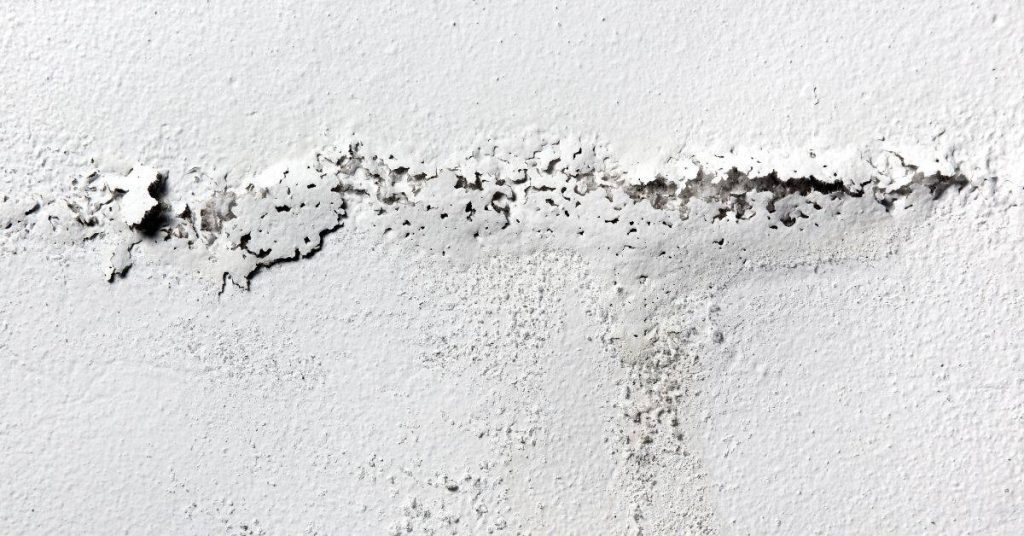
Concrete wall with peeling and damaged white paint surface

Crystalline Waterproofing for Concrete: How It Works and Where It Fails

Introduction Crystalline waterproofing is a treatment that makes concrete itself less permeable by filling its pores with crystalline compounds. It is typically applied or incorporated during construction, so the concrete blocks water intrusion rather than just coating it. This approach aims to create internal barriers that work as the concrete hydrates and cures. The mechanism

Crystalline Waterproofing for Concrete: How It Works and Where It Fails Read More »

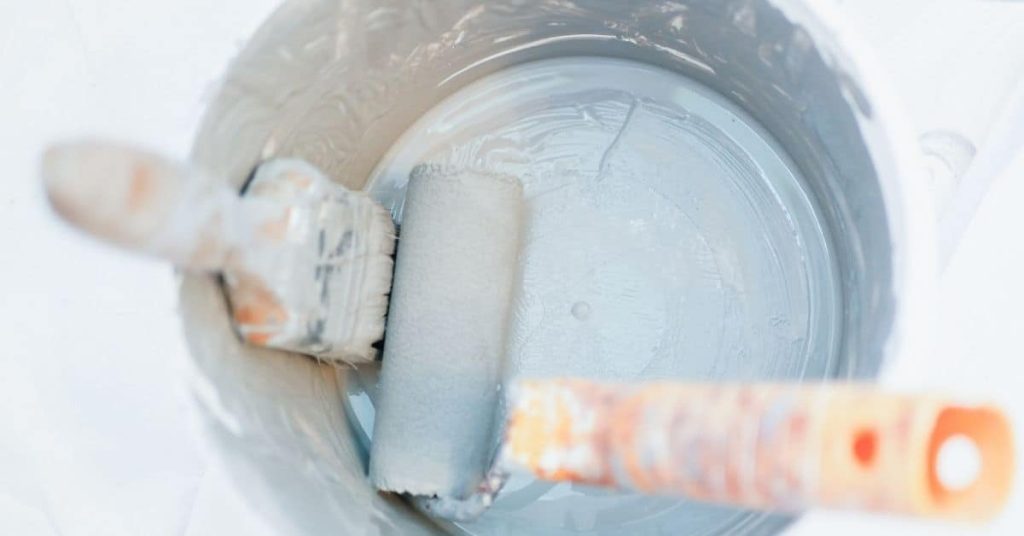
paint roller and brush in bucket of gray coating

Negative-Side Basement Waterproofing: Coatings That Actually Hold (and Why Others Don’t)

Introduction Negative-side basement waterproofing coatings are interior wall treatments applied to the inside surface to block water from seeping in. These coatings work by forming a barrier on the wall that resists moisture that pushes inward. Choose coatings that are rated for interior use and compatible with the wall material, and always follow product labels

Negative-Side Basement Waterproofing: Coatings That Actually Hold (and Why Others Don’t) Read More »

Construction workers reviewing blueprints on table

Construction Joint Waterstops: PVC vs Bentonite vs Hydrophilic (How to Choose)

Introduction Waterstops for construction joints are barriers installed in concrete joints to prevent leaks. PVC, bentonite, and hydrophilic types each work differently, and the choice depends on how the joint will be used. Check the product label, follow manufacturer instructions, and confirm local rules before installing. PVC waterstops are a common rigid option you position

Construction Joint Waterstops: PVC vs Bentonite vs Hydrophilic (How to Choose) Read More »

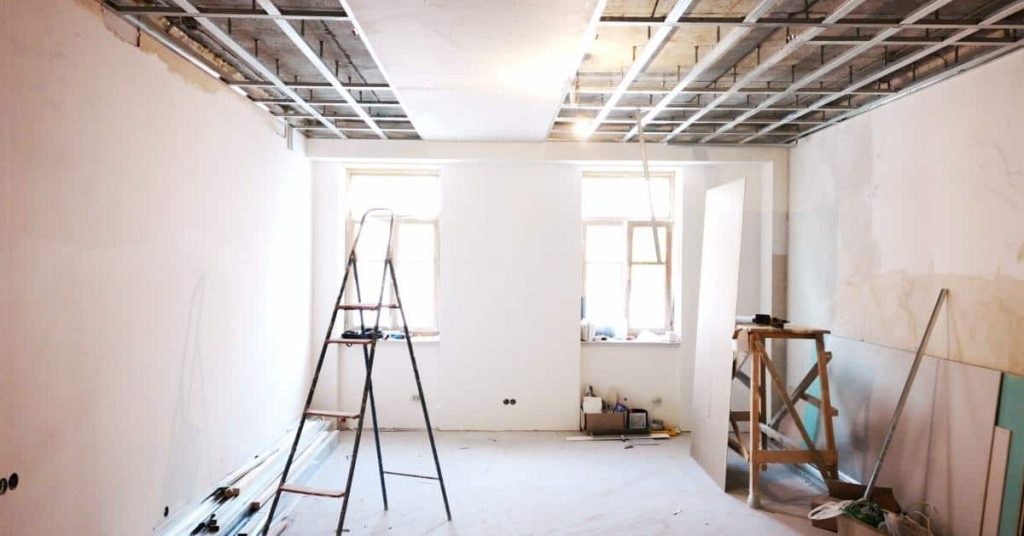
Empty room under construction with ladder and drywall panels

Hydrophilic Waterstops: Installation Tips to Avoid Blowouts and Leaks

Introduction Hydrophilic waterstops are sealant barriers that swell when wet to block leaks in concrete joints. This article covers practical installation tips you can apply on a DIY job site. Check product labels and manufacturer instructions for exact use, prep, and curing details. There are different forms and installation approaches, so review the type you

Hydrophilic Waterstops: Installation Tips to Avoid Blowouts and Leaks Read More »

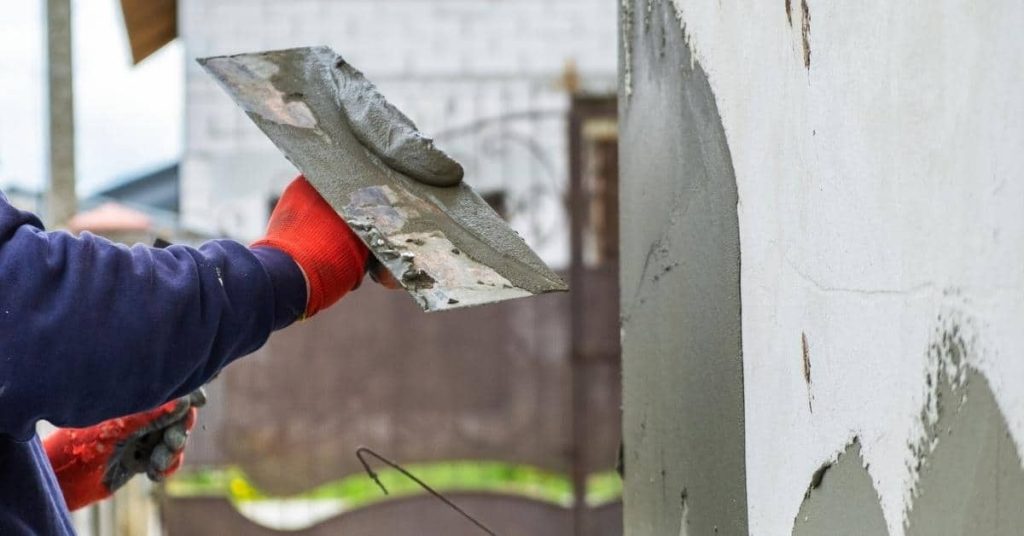
Worker applying stucco to exterior wall with trowel

Galvanic Corrosion at Stucco Accessories: Why Beads Rust and How to Stop Repeat Staining

Introduction Galvanic corrosion is a common issue that affects stucco accessories, particularly metal beads and trims. This process causes rust stains on your otherwise pristine exterior, marring its appearance and potentially leading to more serious damage over time. The good news? Understanding the cause of this problem can help you prevent it from happening again.

Galvanic Corrosion at Stucco Accessories: Why Beads Rust and How to Stop Repeat Staining Read More »

Hand smoothing plaster on wall with trowel

Polished Lime Plaster in Wet Areas: What ‘Waterproof’ Really Means and Safe Details

Introduction Polished lime plaster in wet areas is not automatically waterproof; it’s a breathable finish that can resist splashes when detailed and sealed correctly. In practice that means treating the wall system—substrate, cement backer, membranes, and sealers—as a complete assembly rather than relying on the lime plaster alone. Check product labels and manufacturer instructions for

Polished Lime Plaster in Wet Areas: What ‘Waterproof’ Really Means and Safe Details Read More »

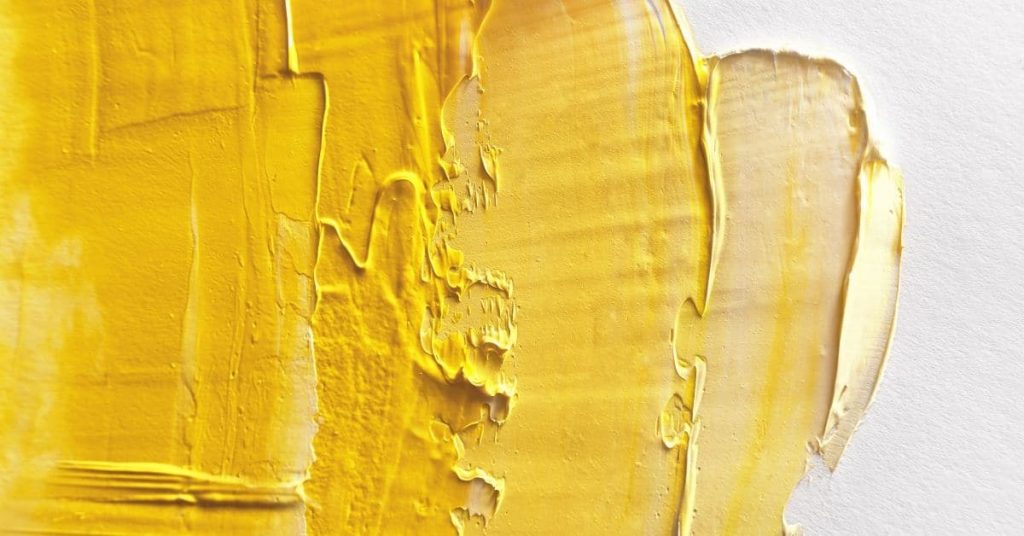
Thick yellow paint strokes on a white surface

Mineral Paint vs Acrylic on Masonry: Breathability, Washability, and Best Use Cases

Introduction Mineral paint is a thin, breathable coating made from mineral binders that soaks into masonry while acrylic is a film-forming paint that sits on the surface and sheds water. For DIY use, think mineral paint where you need vapor permeability and historical compatibility, and acrylic where you need tougher washability and abrasion resistance. Check

Mineral Paint vs Acrylic on Masonry: Breathability, Washability, and Best Use Cases Read More »