Search Results for: spalling brick

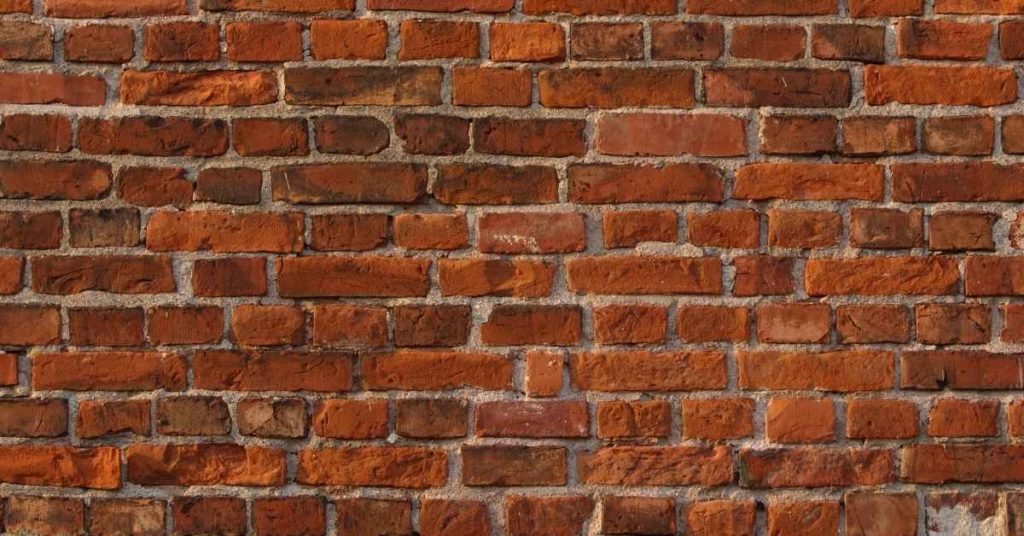
weathered red brick wall with visible mortar joints

Cleaning Mortar Smears Off Brick: Gentle Methods Before You Touch Acid

Introduction Cleaning mortar smears off brick means removing smeared or splashed mortar from brick surfaces using gentle, non-acid methods. The goal is to lift the residue without gouging the brick or mortar joints. Start with testing a small area and choose a mild approach first. Gentle options include dampening the smear and using a plastic […]

Cleaning Mortar Smears Off Brick: Gentle Methods Before You Touch Acid Read More »
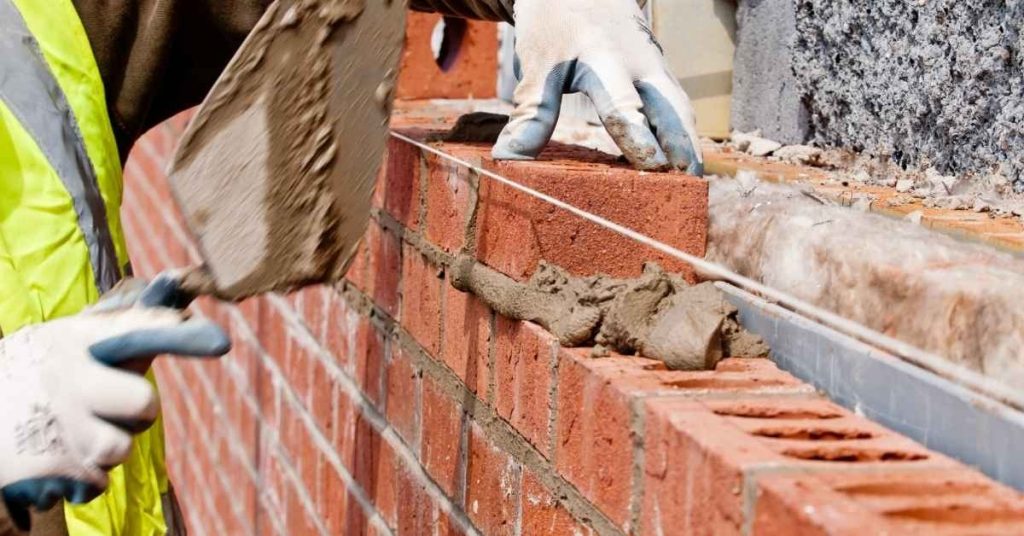
Stacked rough red bricks with varying colors and textures

Masonry (Brick & Block)

Brick & Block Guides: Start Here This hub is for masonry work—brick, block, mortar, joints, repairs, and the basics that make projects look straight and last. If you’re new to masonry, focus on layout and mortar control first. That’s what makes the difference between “DIY” and “clean job.” Start here Mortar selection (pick the right

Masonry (Brick & Block) Read More »

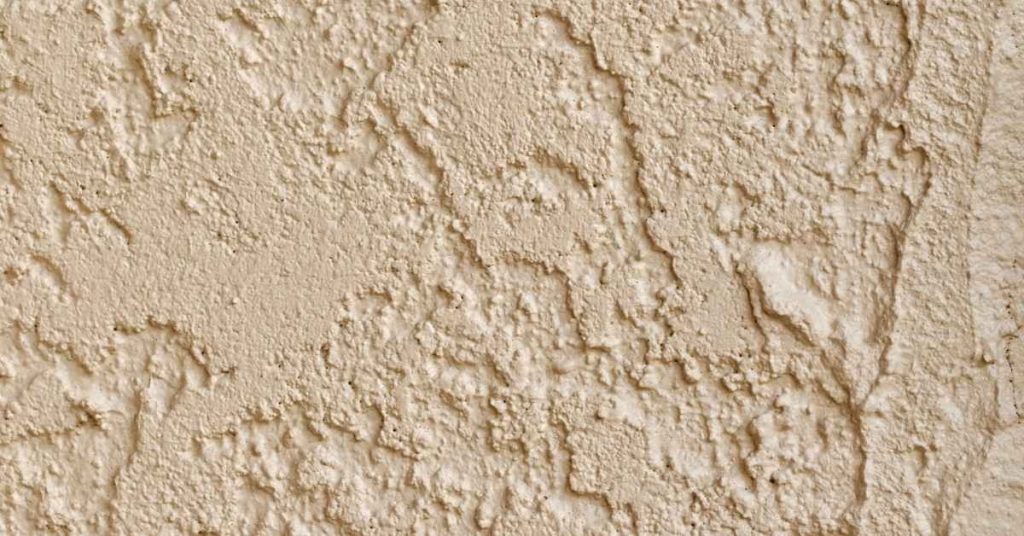
Closeup of textured beige stucco wall surface

How to Seal Brick Safely: Breathable Sealers vs Film Coatings (What to Choose)

Introduction Seal brick safely means choosing between breathable sealers and film coatings to protect the brick while allowing moisture to escape. Breathable sealers let moisture pass through slowly, while film coatings form a surface layer. This article compares how they work and when each is a better fit for DIY projects. For each type, follow

How to Seal Brick Safely: Breathable Sealers vs Film Coatings (What to Choose) Read More »

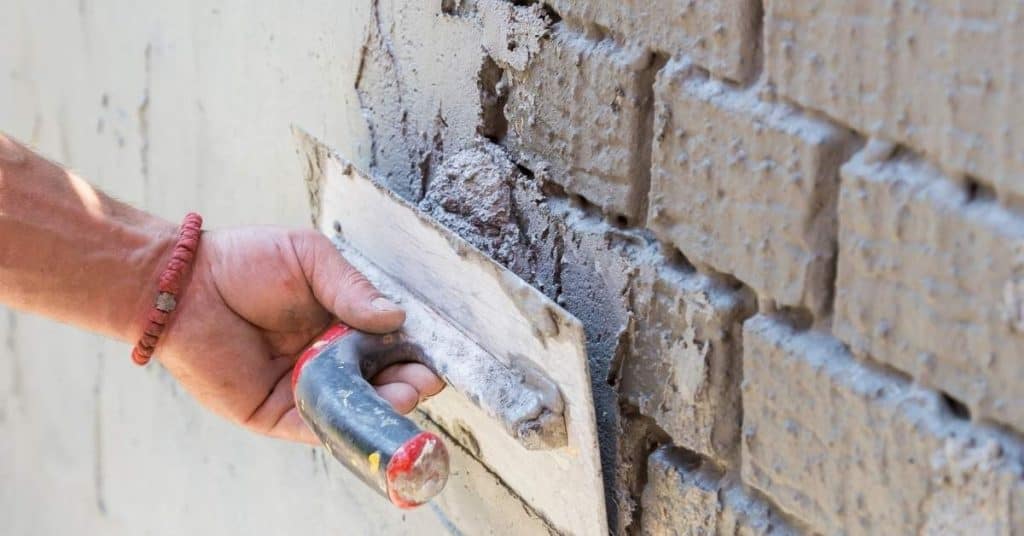
Hand applying stucco on brick wall with trowel

Stucco Termination at Brick or Stone: Transition Details That Don’t Crack or Trap Water

Introduction Stucco termination at brick or stone is the method of finishing and sealing the edge where stucco meets masonry so water is kept out and movement doesn’t crack the finish. Do the job with a clear gap for flashing, a solid backstop, and a termination trim that lets water drain; check product labels and

Stucco Termination at Brick or Stone: Transition Details That Don’t Crack or Trap Water Read More »

Hand applying plaster to rough brick wall with trowel

How to Patch Plaster Over Brick Arches Without ‘Shadow Lines’ Reappearing

Introduction Patching plaster over brick arches means applying new plaster to cover the brick and hide uneven shadows. You’ll aim for a flat, uniform surface that looks seamless with the surrounding wall. Work in small steps, keeping the mix workable and the surface clean as you go. Start by inspecting for loose bricks or dust,

How to Patch Plaster Over Brick Arches Without ‘Shadow Lines’ Reappearing Read More »

How Incompatible Paint Coatings Can Accelerate Stucco Spalling

How Incompatible Paint Coatings Can Accelerate Stucco Spalling

Introduction Key takeaways What is stucco spalling? How paint/coating compatibility affects stucco performance Chemical incompatibilities: common bad combinations How incompatibility accelerates moisture trapping and freeze-thaw damage Poor surface preparation and priming as compounding factors Substrate condition: when the stucco itself is the problem Application errors and unfavorable conditions that worsen incompatibility Signs that incompatible coatings

How Incompatible Paint Coatings Can Accelerate Stucco Spalling Read More »

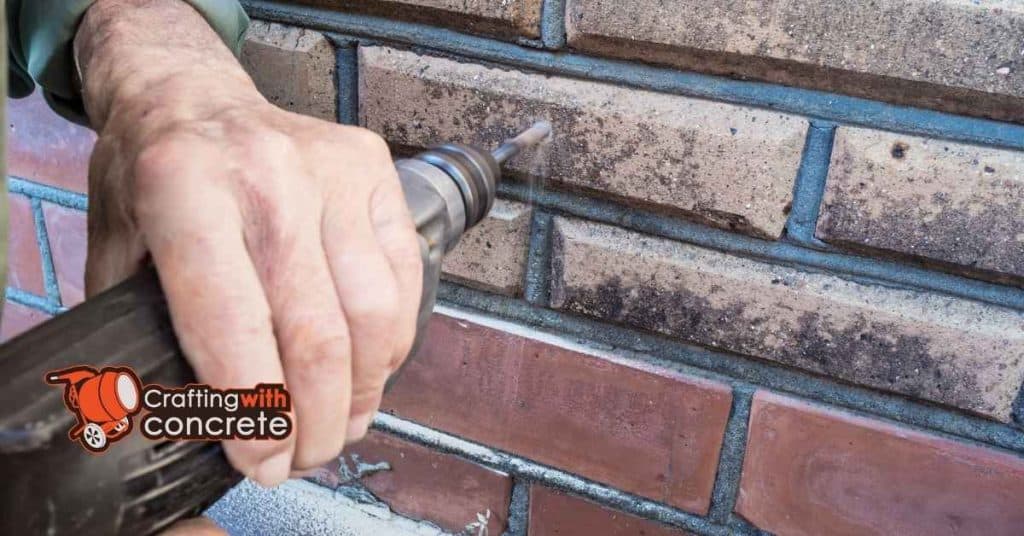
Anchorage in Old Brick—Safe Methods and Cautions

Anchorage in Old Brick—Safe Methods and Cautions

Table of Contents Overview and Purpose Assessing Brick & Mortar Condition Brick Types and Their Implications Mortar Joint Characteristics and Risks Anchor Types—Overview Choosing the Right Anchor Load Types and Calculations Drill Bits, Hole Preparation, and Cleaning Installing Mechanical Anchors (Step-by-Step) Installing Chemical (Adhesive) Anchors (Step-by-Step) Anchoring into Hollow Brick and Cavity Walls Anchorage for

Anchorage in Old Brick—Safe Methods and Cautions Read More »

Tuckpointing Basics for Block and Brick Diyers

Tuckpointing Basics for Block and Brick Diyers

Table of Contents Introduction Understanding Tuckpointing Tools and Materials Needed Preparing for a Tuckpointing Project Step-by-Step Tuckpointing Guide Safety Precautions and Best Practices Cost Analysis: DIY vs. Professional Services Overcoming Common Tuckpointing Challenges Environmental Considerations Conclusion FAQ Introduction Tuckpointing involves removing old mortar from the joints of block and brick structures and replacing it with

Tuckpointing Basics for Block and Brick Diyers Read More »