Search Results for: spalling brick

Black painted brick wall with uneven paint coverage

Interior Painted Brick Done Right: Bond Tests, Primers, and Bleed-Through Fixes

Introduction Interior painted brick means coating interior brick walls with paint using proper prep to ensure adhesion and durability. This article covers how to test for good bond, what primers to use, and how to fix bleed-through in plain, hands-on terms. You’ll find practical steps you can follow on a DIY job site and what […]

Interior Painted Brick Done Right: Bond Tests, Primers, and Bleed-Through Fixes Read More »
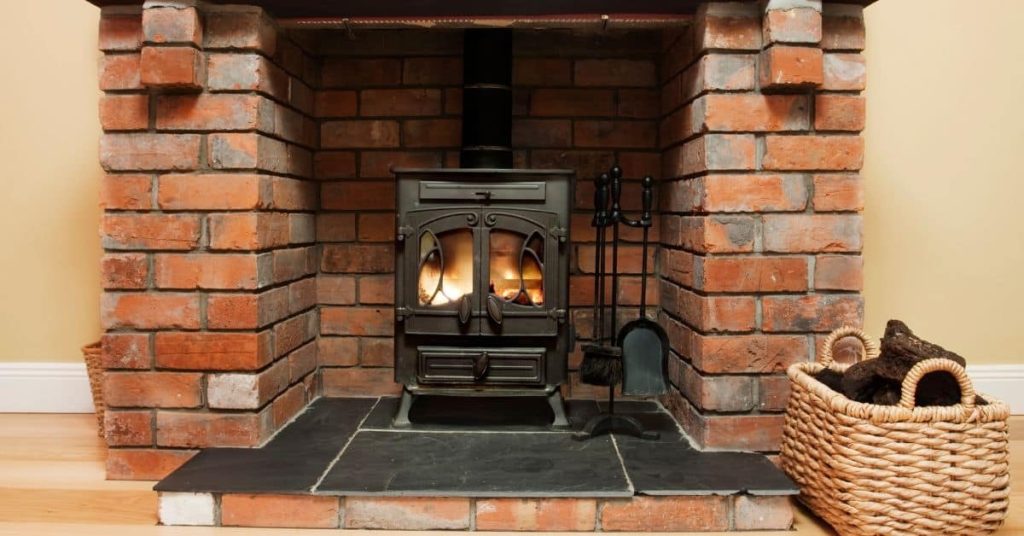
Black wood stove inside brick fireplace with fire tools and basket

Cleaning Fireplace Soot on Brick: Dry Methods First, Chemistry Second

Introduction Dry methods use physical brushing and vacuuming to lift soot from brick before any chemical cleaners. Start with the gentlest approach and work carefully to avoid staining. Move in small sections and wipe or vacuum away loosened soot as you go. If stubborn soot remains after dry work, you can consider a basic cleaner

Cleaning Fireplace Soot on Brick: Dry Methods First, Chemistry Second Read More »

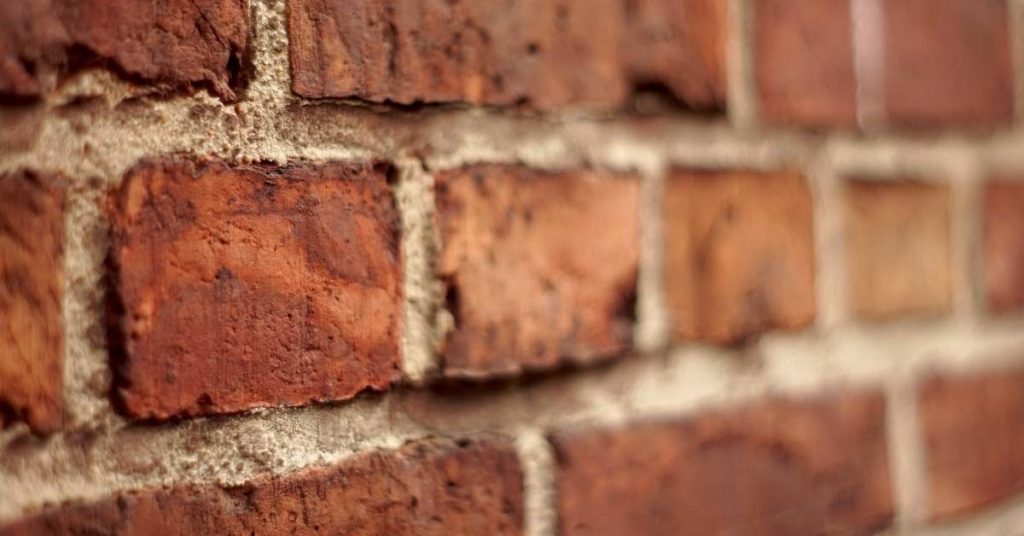
close-up of red brick wall with mortar joints

Choosing Caulk for Brick Joints: Polyurethane vs Hybrid vs Silicone (and why it matters)

Introduction Caulk for brick joints is the sealant you install between bricks to keep water out and allow for some movement. Common options are polyurethane, hybrid, and silicone, each with trade-offs for adhesion, flexibility, and durability. Always check the product label for brick or masonry compatibility and whether it can be painted if you need

Choosing Caulk for Brick Joints: Polyurethane vs Hybrid vs Silicone (and why it matters) Read More »

Construction worker laying a red brick on a wall

Expansion Anchors in Brick: Why Some Bricks Split—and Safer Alternatives

Introduction Expansion anchors in brick are fasteners that expand behind the masonry to grip, and improper use can crack bricks or mortar. Choose anchors that match the brick and load, and always check manufacturer directions and local rules. If you’re unsure, err on the side of safer, lighter loads and non‑expansion options when possible. Safer

Expansion Anchors in Brick: Why Some Bricks Split—and Safer Alternatives Read More »

Person applying white plaster on wall with trowel

White Haze on New Brickwork: Efflorescence vs Lime Run vs Mortar Wash (and what to do)

Introduction White haze on new brickwork is usually caused by moisture pulling salts to the surface, which can show up as efflorescence, lime run, or mortar wash. These issues look similar, so you’ll want to observe when it appeared and how the surface feels. Check if the haze is on all bricks or just near

White Haze on New Brickwork: Efflorescence vs Lime Run vs Mortar Wash (and what to do) Read More »

Decorative plaster corbel on brick wall under sill

Adding a Drip Groove Under Brick Sills: Cutting, Sealing, and Stopping Stains

Introduction A drip groove under brick sills is a small channel cut into the sill edge or underside to guide water away from the wall. Cutting it helps prevent standing water and staining, while proper sealing keeps materials from wicking moisture. It’s a practical DIY step that reduces moisture problems behind brick. To do it,

Adding a Drip Groove Under Brick Sills: Cutting, Sealing, and Stopping Stains Read More »

Closeup of red brick wall with light gray mortar

Lime Mortar vs Portland for Historic Brick: Protecting Soft Brick While Repointing

Introduction Lime mortar is a traditional, breathable binder used for soft historic brick. Portland cement mixes are stronger and quicker to set but can trap moisture and damage delicate masonry. This DIY guide helps you decide what to use and how to work safely around fragile brick. Before you start, test a small area and

Lime Mortar vs Portland for Historic Brick: Protecting Soft Brick While Repointing Read More »

Exposed brick wall partly covered with gray stucco render

Stucco-to-Brick Transitions: Movement Joints and Water Breaks That Don’t Crack

Introduction A movement joint at a stucco-to-brick transition is a deliberate gap that lets the siding materials expand and contract without cracking. Its job is to separate the two substrates so stresses don’t transfer and crack the finish. This article shows practical, hands-on steps for placing joints and installing water breaks so the transition stays

Stucco-to-Brick Transitions: Movement Joints and Water Breaks That Don’t Crack Read More »

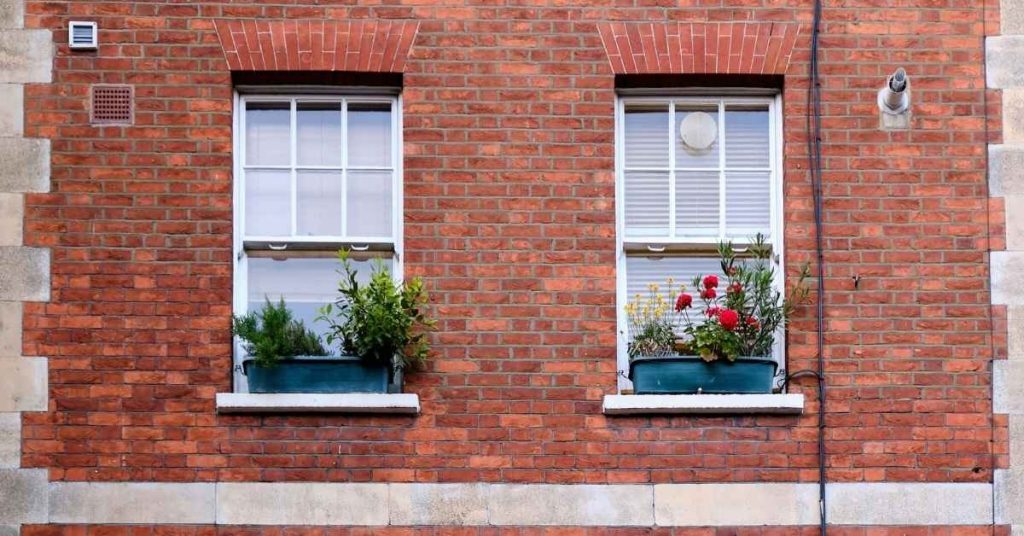
Two white windows in red brick wall with flower boxes

Sealing Brick the Safe Way: Breathable Sealers vs Films—and When to Skip Both

Introduction Breathable sealers let moisture escape from brick while still sealing it; film sealers keep a surface layer that can trap moisture. As a DIYer, you’ll notice breathable options let the brick breathe, while film options can give a smoother, glazed look. Check the label for breathability cues and follow the manufacturer’s suggestions, and avoid

Sealing Brick the Safe Way: Breathable Sealers vs Films—and When to Skip Both Read More »