Search Results for: spalling brick

Close up of concrete floor grinding machine in use

Fixing Trip Hazards on Sidewalks: Grinding Limits, Overlay Risks, and Code-Ish Thresholds

Introduction Trip hazards on sidewalks are uneven or crowned surfaces that can snag a foot and cause a fall. For a DIY approach, start by evaluating where and how the surface is out of plane and plan gentle corrections rather than drastic reshaping. Keep changes modest, clearly mark the area, and work in daylight to […]

Fixing Trip Hazards on Sidewalks: Grinding Limits, Overlay Risks, and Code-Ish Thresholds Read More »

Cracked white mortar on red brick wall in sunlight

Latex (SBR) Modifiers in Repair Mortars: Strength Gains vs Breathability Losses

Introduction Latex (SBR) modifiers are synthetic rubber additives used in repair mortars to improve flexibility and adhesion. They help the mortar resist cracking as concrete moves, but they can reduce breathability if overused. Always check the product label and manufacturer instructions for recommended usage and cure expectations. In textile-reinforced mortars (TRMs), SBR modifiers can boost

Latex (SBR) Modifiers in Repair Mortars: Strength Gains vs Breathability Losses Read More »

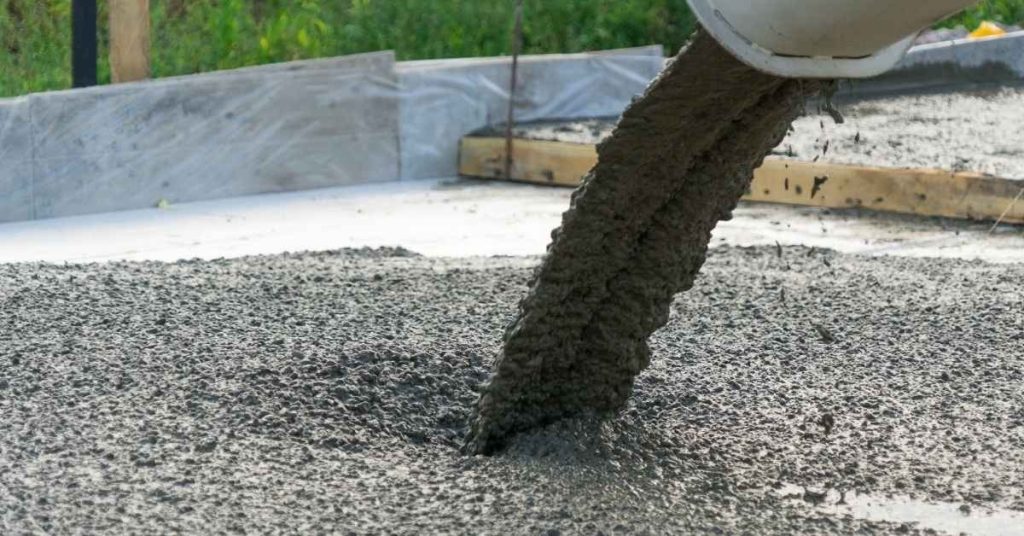
Fresh concrete pouring onto a slab outdoors

Concrete Alkali-Silica Reaction (ASR) Spot Checks: Symptoms That Mimic Other Failures

Introduction ASR is a chemical reaction in concrete between alkalis and reactive silica in aggregates that can lead to slow expansion and cracking. In the field, it can look like cracking, blistering, or powdery patches that mimic other problems. Understanding these symptoms helps you tell whether you might be dealing with ASR or something else.

Concrete Alkali-Silica Reaction (ASR) Spot Checks: Symptoms That Mimic Other Failures Read More »

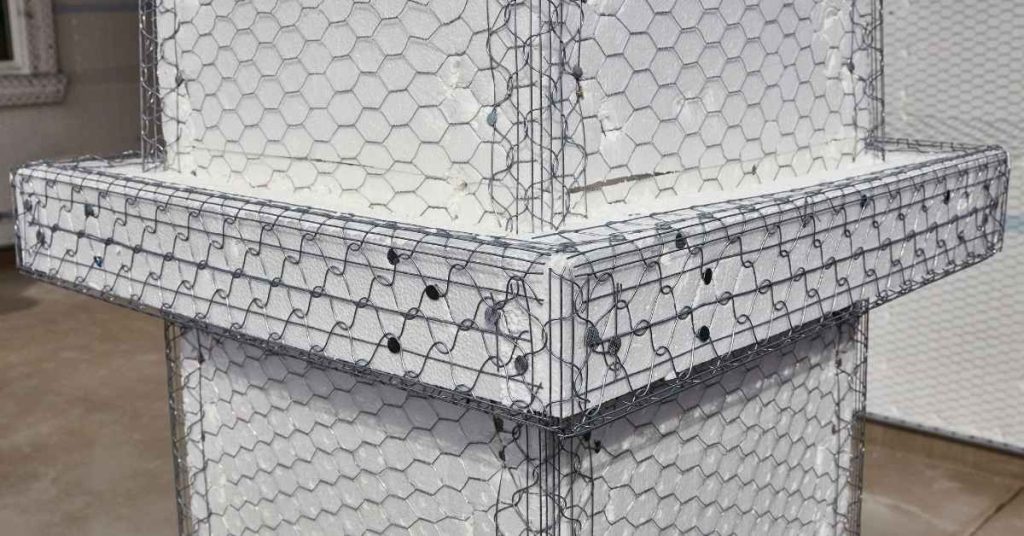
Corner of foam insulation covered with metal wire lath for stucco

Inside Corner Stucco Cracks: Reinforcement details that reduce repeat cracking

Introduction Reinforcement details inside a corner of stucco help prevent cracks from redeveloping. This article gives practical, home-friendly ways to strengthen the joint as you repair. Think of it as a light rebuilding of the corner so movement from framing or temperature doesn’t keep tearing at the surface. Start by inspecting the crack and removing

Inside Corner Stucco Cracks: Reinforcement details that reduce repeat cracking Read More »

Stacked concrete bricks and blocks outdoors

Concrete Planters: Waterproofing details that don’t peel or trap moisture

Introduction Waterproofing concrete planters means using sealants or coatings that block moisture from entering the concrete and from leaching out. Choose products labeled for concrete and exterior use, and follow the label for surface prep and drying times. Check the manufacturer instructions and local rules for any specific requirements. Apply the sealant with even coverage

Concrete Planters: Waterproofing details that don’t peel or trap moisture Read More »

Man and woman painting white wall with green paint rollers

Painting Masonry Without Trapping Moisture: Breathability and prep that matter

Introduction Breathing masonry means choosing paints and prep that let moisture escape rather than trap it inside. That often means a breathable primer and coating, plus surface prep that removes loose material without sealing in dampness. Keep good airflow while you work and check for any damp spots before you start painting. Start with a

Painting Masonry Without Trapping Moisture: Breathability and prep that matter Read More »

Close-up of thin crack on white stucco wall surface

Modulus of Rupture vs Compressive Strength: What Matters for Thin Overlays

Introduction MOR, or modulus of rupture, is a measure of how much bending a material can withstand before cracking. Compressive strength is how much load a material can bear when squeezed. For thin overlays, MOR often matters for crack resistance under bending, while compressive strength relates to overall crush resistance. Testing MOR usually involves bending

Modulus of Rupture vs Compressive Strength: What Matters for Thin Overlays Read More »

Concrete floor grinding machine on dusty floor surface

Foamed Concrete for Insulation: Common Failures, Protection Details, and When to Avoid It

Introduction Foamed concrete for insulation is lightweight concrete that includes air voids or foam to slow heat transfer. This article gives a practical, hands-on overview for DIY homeowners. It helps you know what to check on labels or with the manufacturer before you mix or apply it. Common failures include moisture intrusion, cracking, and poor

Foamed Concrete for Insulation: Common Failures, Protection Details, and When to Avoid It Read More »