Search Results for: skim coat plaster

Lath Termination at Dissimilar Materials: Stucco-to-Wood

Lath Termination at Dissimilar Materials: Stucco-to-Wood

Introduction Proper lath termination at stucco-to-wood interfaces prevents water intrusion and related damage. This matters because stucco and wood respond differently to moisture and movement, so detailing must accommodate expansion, contraction, and flashing. You will learn how to detail flashing, choose compatible sealants and fasteners, and apply practical steps to create a durable, energy-efficient transition. […]

Lath Termination at Dissimilar Materials: Stucco-to-Wood Read More »

Inside Corners on Stucco: How to Reinforce so Cracks Don’t Telegraph

Inside Corners on Stucco: How to Reinforce so Cracks Don’t Telegraph

Introduction Reinforcing inside corners on stucco prevents cracks from telegraphing through the finish. The guide walks through practical steps, materials to consider, and common-sense tips you can apply on real projects. You’ll learn how to identify vulnerable corners, prepare the surface, and implement reinforcement methods that keep cracks hidden. Key takeaways Inside corners crack due

Inside Corners on Stucco: How to Reinforce so Cracks Don’t Telegraph Read More »

Outside Corners: When Corner Bead Fails and How to Rebuild the Corner Straight

Introduction Outside corners should be rebuilt straight when the corner bead fails. The article explains the practical steps to assess damage, remove the damaged bead, reestablish a true corner, and reapply mud and new bead so you end up with a clean, durable edge. Key takeaways Inspect for hairline cracks and rust, replace damaged corner

Outside Corners: When Corner Bead Fails and How to Rebuild the Corner Straight Read More »

Stucco Patches That “flash”: How to Blend Texture and Color Without Repainting the Whole Wall

Stucco Patches That “flash”: How to Blend Texture and Color Without Repainting the Whole Wall

Introduction You can patch and blend stucco so the patch matches the texture and color without repainting the whole wall. This guide walks through practical steps for matching texture and color, blending edges, selecting appropriate finishes, and evaluating when a patch will look seamless. Key takeaways Identify flashing: moisture-wicking sheen and mineral deposits highlight patch

Stucco Patches That “flash”: How to Blend Texture and Color Without Repainting the Whole Wall Read More »

Flattening a Wall for Tile: the “before Tile” Step That Prevents Lippage

Flattening a Wall for Tile: the “before Tile” Step That Prevents Lippage

Introduction Flattening a wall before tiling prevents lippage and creates a flat, durable tile surface. In this guide you’ll learn how to assess wall flatness, identify common high and low spots, and apply practical steps to bring every area to level before you lay tile. The approach covers simple checks, common techniques, and ways to

Flattening a Wall for Tile: the “before Tile” Step That Prevents Lippage Read More »

Why Painting over Efflorescence Is the Myth That Keeps Sucking Life from Concrete Walls

Why Painting over Efflorescence Is the Myth That Keeps Sucking Life from Concrete Walls

Introduction Painting over efflorescence is not a real fix for moisture and can trap water inside concrete walls. In this guide you’ll learn how to recognize moisture issues, properly prepare the surface, choose breathable coatings, and apply a treatment plan that prevents future efflorescence. The steps and tips provided aim to give you practical, durable

Why Painting over Efflorescence Is the Myth That Keeps Sucking Life from Concrete Walls Read More »

Stucco Cracks: the Myth of ‘just Cosmetic’ Damage That Can Cost You Thousands

Stucco Cracks: the Myth of ‘just Cosmetic’ Damage That Can Cost You Thousands

Introduction Stucco cracks are rarely cosmetic and can signal costly structural or moisture issues. This guide explains why cracks matter, how to assess severity, and what steps you can take to prevent further damage. You’ll learn practical tips for inspection, signs to watch for, and the kind of expert advice to seek before repairs. Back

Stucco Cracks: the Myth of ‘just Cosmetic’ Damage That Can Cost You Thousands Read More »
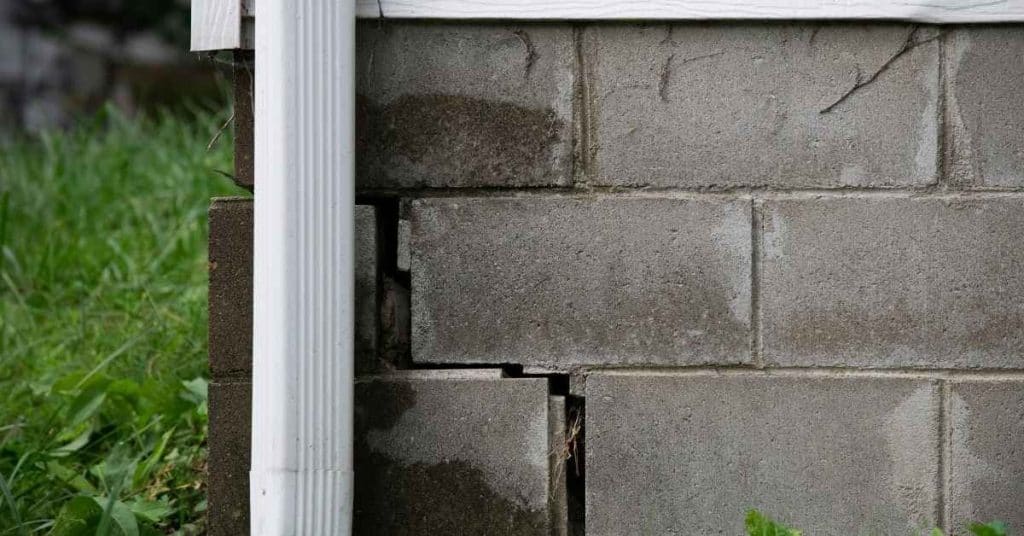
A Diyer’s Guide to Recognizing When Cracks Signal Foundation Problems Vs. Surface Issues

A Diyer’s Guide to Recognizing When Cracks Signal Foundation Problems Vs. Surface Issues

Introduction Cracks in a home can indicate serious foundation problems or simply surface issues, and this guide helps you tell the difference. You’ll learn practical ways to assess crack type and progression, so you can decide what actions are necessary. The guide walks through common crack patterns, simple observations you can make, and when it’s

A Diyer’s Guide to Recognizing When Cracks Signal Foundation Problems Vs. Surface Issues Read More »

Efflorescence Remediation: the Simple Cleaning Method That Most Diyers Overlook

Efflorescence Remediation: the Simple Cleaning Method That Most Diyers Overlook

Introduction Efflorescence remediation is a simple cleaning method that most DIYers overlook. This article explains why the white salt deposits appear and how a practical approach can restore masonry without harsh scrubbing. You’ll learn the basic steps, common tips, and best practices to prevent recurrence so you can tackle the problem confidently. Key takeaways Identify

Efflorescence Remediation: the Simple Cleaning Method That Most Diyers Overlook Read More »

How to Find the Right Stucco Mix for Patching: Sand, Lime, and Cement Ratios

How to Find the Right Stucco Mix for Patching: Sand, Lime, and Cement Ratios

Introduction Find the right stucco mix for patching by balancing sand, lime, and cement to match your repair. This guide explains practical ratios, how to adjust for climate and substrate, and the key steps to mix, test, and apply patch material. By the end, you’ll be able to choose a mix that matches existing plaster

How to Find the Right Stucco Mix for Patching: Sand, Lime, and Cement Ratios Read More »