Search Results for: skim coat plaster

Slate roof with metal flashing at roof-to-wall joint

Stucco Around Roof-to-Wall Kickout Flashing: Fixing the Most Common Leak Detail

Introduction Stucco around roof-to-wall kickout flashing is the detail where the siding meets the roof and the flashing diverts water away from the wall; fixing it means making sure the flashing, substrate, and stucco meet cleanly so water can’t get behind the finish. This is a hands-on job that usually involves removing a bit of […]

Stucco Around Roof-to-Wall Kickout Flashing: Fixing the Most Common Leak Detail Read More »

Paint roller applying gray paint on white wall

Distressing Paint the Right Way: A Weekend Project Timeline

Introduction Transforming furniture with distressed paint doesn’t have to be a lengthy process. With the right plan and techniques, you can achieve a beautiful, lived-in look in just a couple of weekend sessions. In this guide, we’ll break down the distressing paint process into manageable steps, focusing on the timeline so you can complete your

Distressing Paint the Right Way: A Weekend Project Timeline Read More »

paint roller with blue handle and paint tray on floor

Caulk and Paint Compatibility: A Step-by-Step Timeline to Prevent Cracking

Introduction The timeline of caulk and paint application is crucial for a durable, crack-free finish. Understanding the duration of each step helps you plan your project efficiently. From surface preparation to painting, follow this step-by-step timeline to ensure your sealant and paint work together seamlessly. For the full guide, see Caulk and Paint Compatibility: Choosing

Caulk and Paint Compatibility: A Step-by-Step Timeline to Prevent Cracking Read More »

Person painting white edge of wooden board with brush

Painter’s Tape Alternatives: Liquid Mask & Edge Sealers – Step-by-Step Timeline

Introduction Tackling a DIY painting project? Understanding the timeline for painter’s tape alternatives like liquid mask and edge sealers can save you time and ensure crisp, professional-looking results. Here’s a step-by-step guide to help you plan your project efficiently. Whether you’re working on tight corners, porous surfaces, or delicate finishes, these alternatives offer a softer

Painter’s Tape Alternatives: Liquid Mask & Edge Sealers – Step-by-Step Timeline Read More »

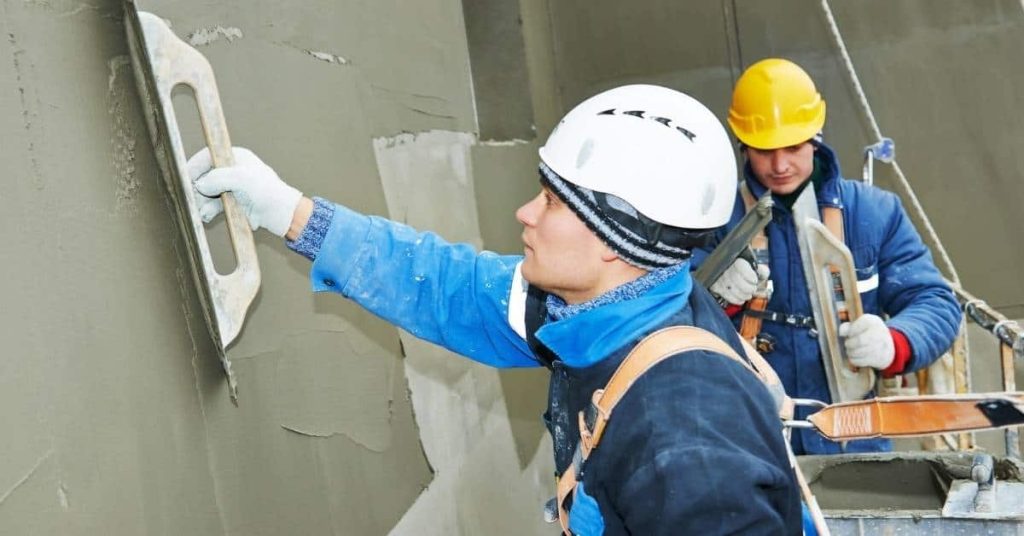
Two construction workers applying stucco to exterior wall

Dash Finish Stucco Repair: Getting Consistent Throw Without Overbuilding Thickness

Introduction Dash finish stucco repair means rethrowing a coarse mix so it keys to the patch without building the wall thickness beyond the original surface. Think of it as matching texture by controlling how far and thick each throw lands rather than piling on extra material. Check product labels and local practices for compatible scratch/base

Dash Finish Stucco Repair: Getting Consistent Throw Without Overbuilding Thickness Read More »

Person applying skip-trowel stucco texture with trowel

Matching Lace and Skip-Trowel Stucco: Hand Techniques That Hide Patch Edges

Introduction Matching lace and skip-trowel stucco means using hand tools and mixing consistency to recreate the same rhythm of bumps and voids so patch edges disappear into the existing wall. I’ll describe the basic hand techniques, the common tools and materials you’ll need, and what to watch for so the repair blends instead of standing

Matching Lace and Skip-Trowel Stucco: Hand Techniques That Hide Patch Edges Read More »

Close-up of weathered pink stucco wall texture

Making Stucco Sample Boards: Test Panels That Predict Color and Texture

Introduction Making stucco sample boards means applying small, finished panels that show how a specific mix, color, and texture will look on the real wall. These test panels let you see drying color shifts, surface texture, and how the base and finish layers interact before you commit to the whole job. Keep the process hands-on:

Making Stucco Sample Boards: Test Panels That Predict Color and Texture Read More »

Worker smoothing fresh stucco on wall with trowel

Using Acrylic-Modified Stucco for Patches: Where It’s Smart and Where It Causes Issues

Introduction Acrylic-modified stucco is a cement-lime stucco mix blended with acrylic polymers to improve adhesion and flexibility for patching and thin coats. In plain jobsite terms, it sticks better to sound substrates and tolerates slight movement more than plain cement stucco, but check the product label and manufacturer instructions for proper uses and mixing. Use

Using Acrylic-Modified Stucco for Patches: Where It’s Smart and Where It Causes Issues Read More »

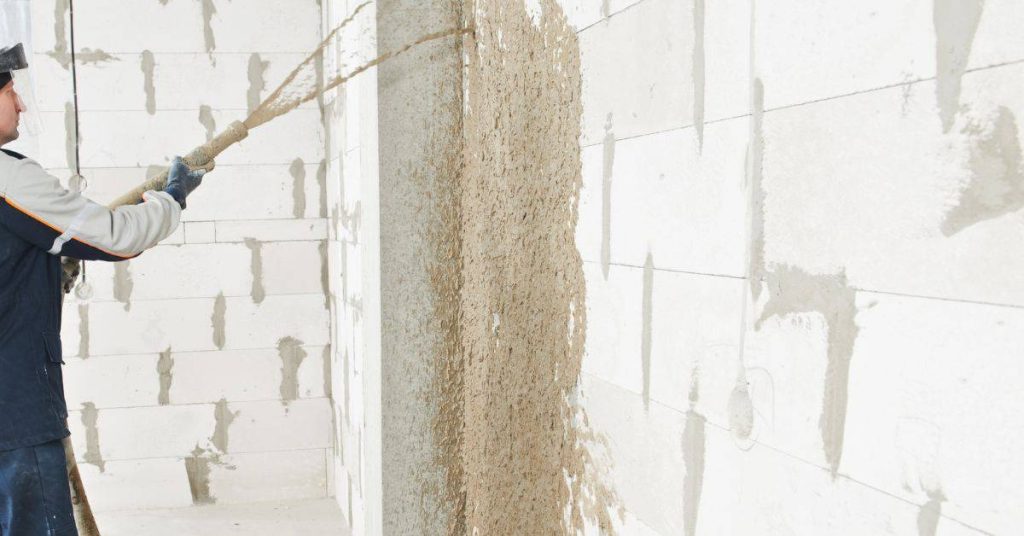
Worker spraying stucco onto concrete block wall

Stucco Over CMU Block: Bonding Agents, Scratch Keys, and Crack Control

Introduction Stucco over CMU block is a thin cement-based finish applied over masonry that needs a good bond, a proper scratch key, and planned crack control to last. Bonding agents, scratch coats, and reinforcement help the stucco grip the block and manage movement, but check product labels and local rules for compatibility and required curing

Stucco Over CMU Block: Bonding Agents, Scratch Keys, and Crack Control Read More »