Search Results for: silica dust

Hands holding color swatch fan with various brown and yellow tones

How to Match Mortar Color: Sand Selection, Pigments, and Test Panels

Introduction Matching mortar color means picking the right sand, pigments, and a test panel to compare with the target shade. The goal is to balance color from the sand and any added pigment so the mix looks consistent with surrounding joints. Do not rely on guesswork—check product labels and manufacturer guidance for compatibility. Start by […]

How to Match Mortar Color: Sand Selection, Pigments, and Test Panels Read More »

Closeup of red brick wall with mortar joints

Type N vs Type S Mortar: Which One to Use for Block, Brick, and Stone

Introduction Type N mortar is a medium-strength masonry mix used for general-purpose joints. It balances workability with enough strength for blocks, bricks, and stone in typical home projects. Check the product label and local requirements to confirm it fits your wall type and curing needs. Type S mortar is a higher-strength option that resists higher

Type N vs Type S Mortar: Which One to Use for Block, Brick, and Stone Read More »

Bucket with mortar mixing paddle and hand tools inside

Grout vs Mortar vs Thinset: Picking the Right Material for Each Job

Introduction Grout, mortar, and thinset are three distinct masonry materials used for different jobs: grout fills gaps between tiles, mortar binds bricks or blocks, and thinset is a cement-based adhesive for setting tiles. In DIY work, choose based on whether you need bonding, filling, or leveling, and adjust for indoor vs outdoor use. Standard blends

Grout vs Mortar vs Thinset: Picking the Right Material for Each Job Read More »

Close-up of concrete beams and columns supporting a bridge

Concrete Set Accelerator Dosage: How to Avoid Flash Set and Weak Surfaces

Introduction A concrete set accelerator is an additive used to speed up curing. Use it only when you understand the mix, time, and surface needs, and follow the product label. If in doubt, check the manufacturer instructions and local rules before proceeding. Too much or wrong timing can cause flash set and a weak surface.

Concrete Set Accelerator Dosage: How to Avoid Flash Set and Weak Surfaces Read More »

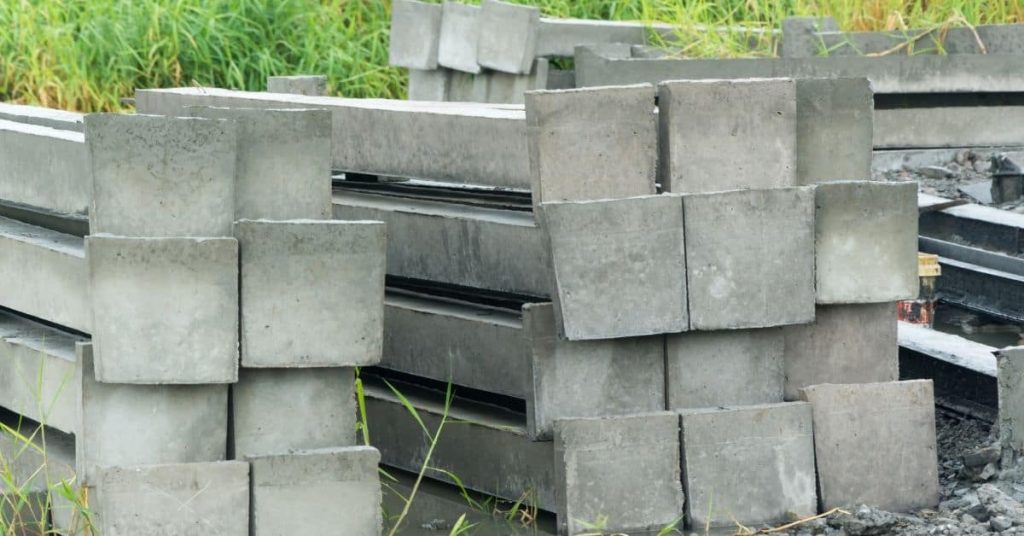
stacked precast concrete columns outdoors on grassy ground

Can You Use Calcium Chloride in Concrete? When It’s Allowed and When It’s a Bad Idea

Introduction Calcium chloride can speed up concrete setting, but it is not allowed for every mix or every job. For DIY pours, check product labels and local rules to know if it’s permitted. If you’re unsure, ask the supplier or code authority before using it on your project. In some cases it’s allowed, but in

Can You Use Calcium Chloride in Concrete? When It’s Allowed and When It’s a Bad Idea Read More »

Worker pouring wet concrete over steel rebar grid

Accelerators for Concrete: Calcium Chloride vs Non-Chloride (Pros, Cons, Safety)

Introduction Calcium chloride accelerators are concrete additives that speed up early strength and set time. Non-chloride accelerators achieve similar hardening speed without using chloride salts. Both types aim to help a pour gain strength sooner, but they behave differently in practice. Calcium chloride can cause discoloration and may contribute to steel corrosion if moisture and

Accelerators for Concrete: Calcium Chloride vs Non-Chloride (Pros, Cons, Safety) Read More »

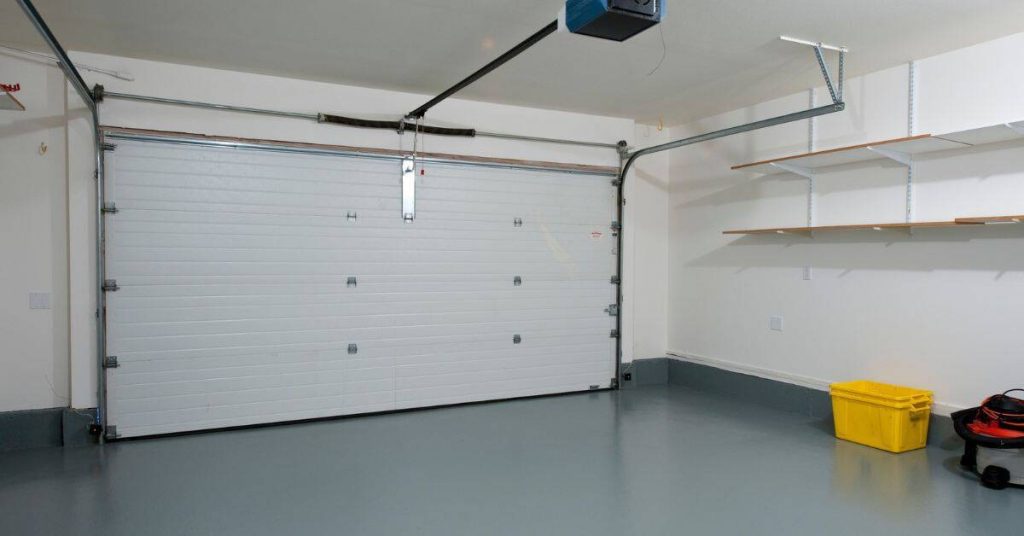
Clean painted concrete garage floor with shelves and yellow bin

Lithium Densifier on Garage Floors: Coverage, Burnishing, and Common Mistakes

Introduction A lithium densifier is a chemical treatment that reacts with concrete to harden the surface. It helps garage floors become more wear resistant and dustproof when applied correctly. Clean, dry surfaces and following the product instructions are essential for best results. Coverage depends on floor porosity and the product label, so check the manufacturer’s

Lithium Densifier on Garage Floors: Coverage, Burnishing, and Common Mistakes Read More »

Open metal gate with stone pillars and green landscape

How to Store Bagged Concrete: Moisture Damage, Shelf Life, and Best Practices

Introduction Storing bagged concrete means keeping the bags dry, off the ground, and protected so the mix remains usable when you need it. Moisture damage is the big risk, since humidity or leaks can turn dry premixed concrete clumps or weaken the mix. Check the bag labels and manufacturer instructions for any shelf life guidance,

How to Store Bagged Concrete: Moisture Damage, Shelf Life, and Best Practices Read More »

Two black rectangular planters with green plants outside white house

Ferrocement Planters and Thin Structures: Mesh Layout, Mortar Mix, and Curing

Introduction Ferrocement is a thin, reinforced cement mortar system that uses mesh and a cementitious mix to build lightweight, curved shells like planters. It relies on multiple coats and a strong mesh lattice to hold shape and resist cracking. It’s a hands-on technique that you can adapt for small DIY projects, with attention to formwork

Ferrocement Planters and Thin Structures: Mesh Layout, Mortar Mix, and Curing Read More »