Search Results for: shot blasting

Concrete floor grinding machine preparing surface near wall

Concrete Surface Prep for Coatings: How to Hit the Right Profile Without Over-Grinding

Introduction A proper surface profile is the texture and cleanliness of concrete that coatings need to bond. Before applying anything, clean the floor thoroughly to remove oils, dust, and contaminants. Profiling options like shot blasting or diamond grinding are used to create the key texture; choose based on the concrete and the coating. After blasting […]

Concrete Surface Prep for Coatings: How to Hit the Right Profile Without Over-Grinding Read More »

Stamped concrete patio surface with square pattern

Removing Sealer From Stamped Concrete: Minimizing Pattern Damage During Stripping

Introduction Removing sealer from stamped concrete is the process of getting rid of the old coating without damaging the stamped pattern. This is a hands-on job that benefits from reading the product label, testing a small spot, and working slowly. Always check local rules and manufacturer instructions for any restrictions or precautions before you start.

Removing Sealer From Stamped Concrete: Minimizing Pattern Damage During Stripping Read More »

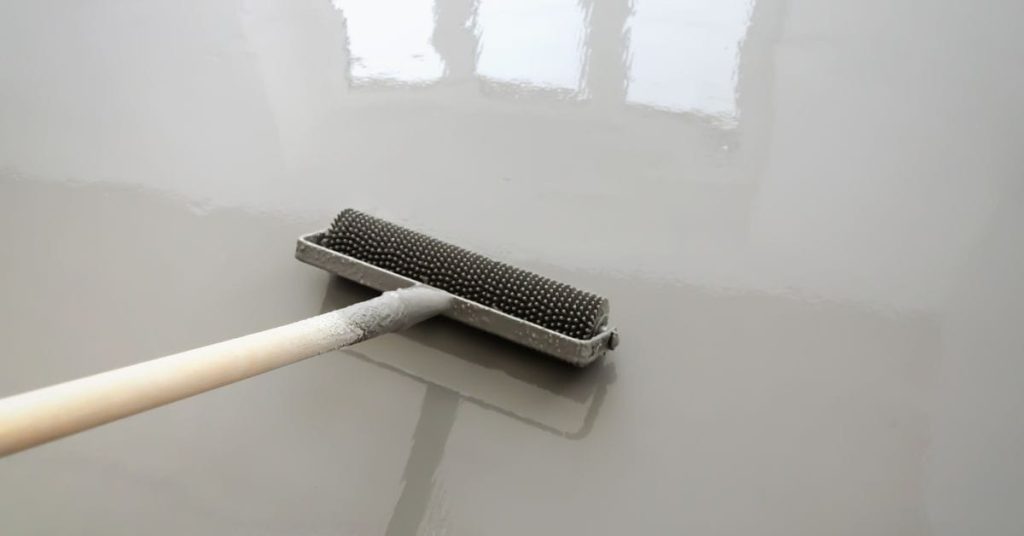
Paint roller with textured surface applying coating on floor

Flake Floor Topcoat Orange Peel: Roller Choice, Pot Life, and Temperature Effects

Introduction Flake Floor Topcoat Orange Peel is a textured coating finish created by rolling to leave small pits in the surface. Choose a roller with a short nap and a smooth frame, and test small areas to see how the texture lands. Apply in even coats and follow the manufacturer’s guidance for drying and cure

Flake Floor Topcoat Orange Peel: Roller Choice, Pot Life, and Temperature Effects Read More »

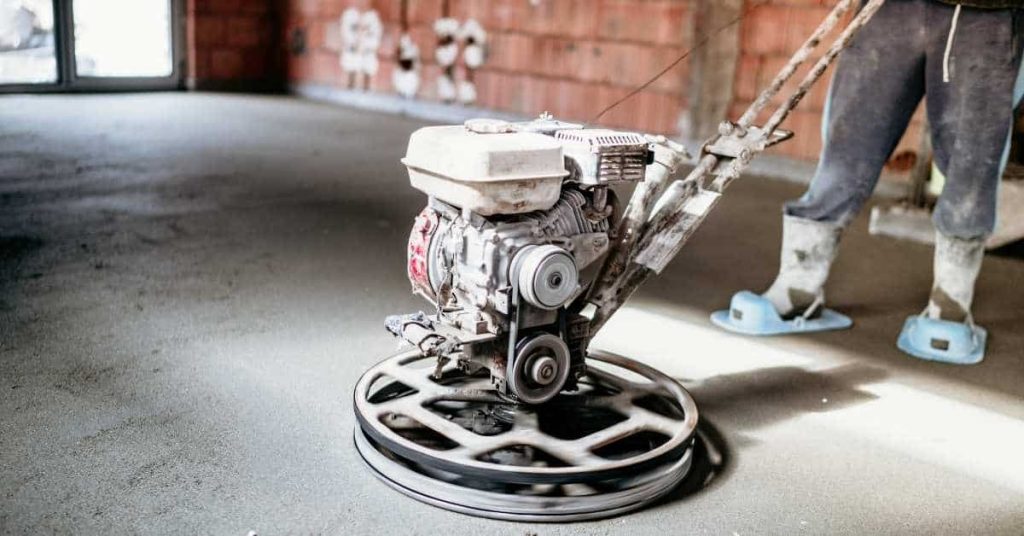
Power trowel smoothing fresh concrete floor indoors

Tools & Equipment

Tools & Equipment: Start Here This hub covers the tools that make concrete and masonry work faster, safer, and cleaner—what to buy vs rent, how to use it, and what actually matters. If you’re unsure what tools you need, start with the “core kit” guides first. They’ll save you money and stop you from buying

Tools & Equipment Read More »

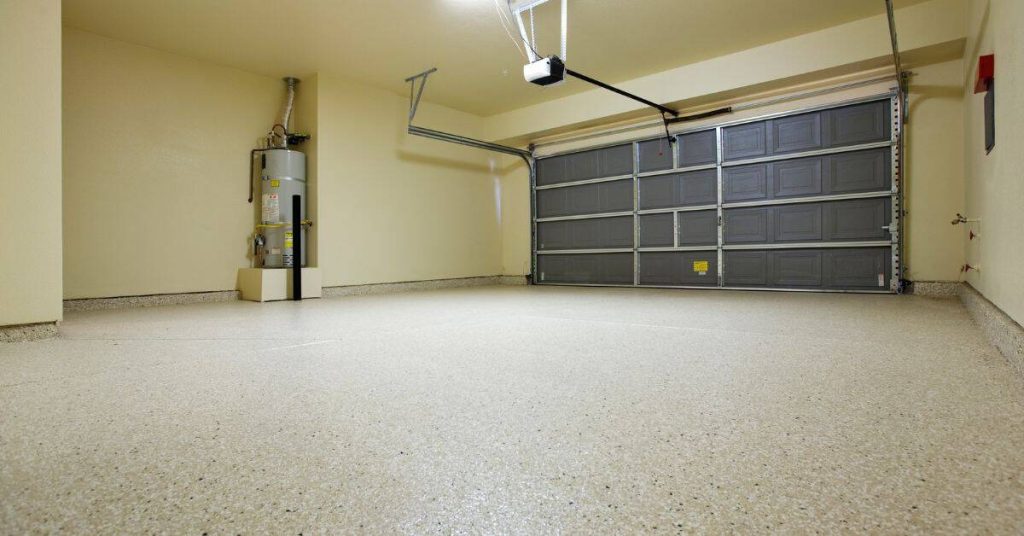
Clean epoxy-coated residential garage floor with water heater

Salt-Contaminated Garage Slabs: Cleaning Limits and Coating System Choices That Survive

Introduction Salt-contaminated garage slabs are concrete floors with salt residues that can interfere with finishes and moisture behavior. The salt can come from de-icing agents or nearby treatments, and this article explains what to expect when cleaning and choosing a coating that lasts. Salt residue can cause efflorescence, staining, and a weakened surface near joints,

Salt-Contaminated Garage Slabs: Cleaning Limits and Coating System Choices That Survive Read More »

Concrete slab form with rebar grid and wood panels

Concrete ‘Cool Deck’ Coatings: Heat Reduction Claims and What Prep Actually Controls Delamination

Introduction Cool deck coatings are heat-reflective surface finishes applied to concrete to reduce surface temperatures and glare. But whether they last depends mainly on how the base concrete is prepared and bonded. This article cuts through the hype and tells you what prep actually controls delamination. Delamination happens when the coating separates from the concrete

Concrete ‘Cool Deck’ Coatings: Heat Reduction Claims and What Prep Actually Controls Delamination Read More »

close up of red brick wall mortar joints

Sealing Control Joints for Radon: Where to Seal, What Lasts, and When Not To

Introduction Sealing control joints is a practical step to reduce radon entry by closing gaps in masonry where joints exist. Before you seal, clean and dry the joint, choose a sealer compatible with masonry, and follow the product’s instructions for temperature, cure time, and re-entry. If in doubt, check local rules and consult the product

Sealing Control Joints for Radon: Where to Seal, What Lasts, and When Not To Read More »

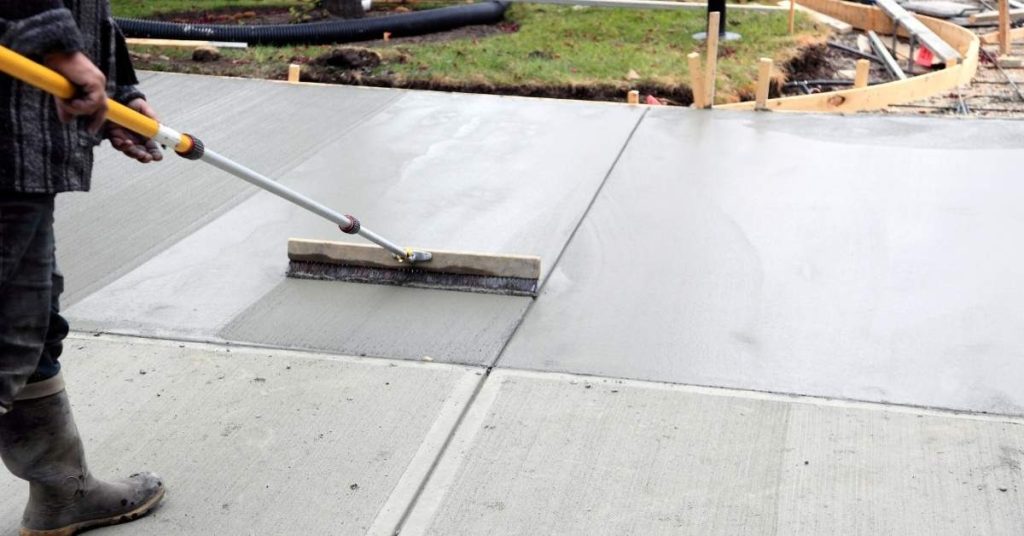
Person using concrete broom on wet concrete sidewalk

Reprofiling Worn Broom Finish: Thin Overlay vs Cut-and-Replace

Introduction Reprofiling worn broom finish means restoring a broom-textured concrete surface by either applying a thin overlay or replacing the affected slab. The approach you choose hinges on how deep the damage is, how flat you need it, and what your budget allows. Before you mix anything, focus on proper surface prep, crack clearing, and

Reprofiling Worn Broom Finish: Thin Overlay vs Cut-and-Replace Read More »

Close-up of cracked gray concrete surface with visible fissures

Concrete Surface Profile Comparators: Choosing CSP Without Over-Grinding

Introduction CSP stands for Concrete Surface Profile, and it describes how rough or smooth a concrete surface is. Choosing the right CSP helps coatings and overlays grip well, without grinding away too much material. This article keeps it practical for DIYers and focuses on getting the profile right without overdoing it. The ICRI CSP scale

Concrete Surface Profile Comparators: Choosing CSP Without Over-Grinding Read More »